Visualização de leitura

ChatGPT is trying to besmirch the memory of Don Rickles. It makes me nervous about our AI future.

don rickles and lena dunham in separate photos
ChatGPT tried to tell me Don Rickles tried to hit on Lena Dunham.

Ethan Miller/Getty Images for Caesars Palace / Aeon/GC Images

  • I asked ChatGPT to identify the unnamed male celebrity who allegedly tried to sext Lena Dunham in 2012.
  • It told me it was Don Rickles, which I feel pretty certain is not correct.
  • So what are we doing here, folks? Learning to use AI?

Did you hear about the time Don Rickles tried to chat up Lena Dunham in the middle of the night?

No? Let me explain. First, we need to talk about Reese Witherspoon.

See, I'm a simple woman. I have only two interests: tech news and celebrity gossip. So I was naturally intrigued by a recent online fuss over Reese Witherspoon's admonition for women to learn to use AI. It sparked so much backlash that she had to issue a follow-up explanation.

I've also been intrigued by Lena Dunham's new book. (They're related — sort of. Keep reading!)

I think Reese is generally right about AI — she's saying the same thing that every other business leader is saying. But her comments did make me think a little more about what "Learn to use AI" even means. Writing emails with ChatGPT? Understanding the technology behind different models? Vibe coding? What level of "using AI" is expected here to stave off falling behind in the workforce and life in general?

Reese Witherspoon walks out of a Cadillac Escalade
Reese Witherspoon really wants us to learn how to use AI

MediaPunch/Bauer-Griffin/GC Images

One area I've really leaned into is using ChatGPT as a sort of super Google — to find something I know is online but would take some effort to dig up with a normal search engine.

A recent example? It's related to — of course — celebrity gossip.

I was reading Dunham's new memoir, "Famesick," which is full of moderately juicy celebrity gossip about named people and also blind items — celebrity gossip that gives a few clues about the identity of the person without naming them, a fun little riddle for the readers to solve.

One blind item is about an unnamed male celebrity who — allegedly — sent Lena a flirty late-night text message after meeting her backstage while taping "The View" in 2012. I figured I could solve this blind item by finding out who the other guest was on the same episode — information that should be online somewhere, but would take me forever to find.

So I asked ChatGPT to identify the male guest on "The View" episode that Lena was also on that year. At first, ChatGPT told me that it was only the four female cast members from the show. When I asked again who the other male guest was, the suggestions were Chris Evans and Chris Hemsworth. (Not so. They appeared on a separate episode that same year, according to IMDb.)

That time Don Rickles chatted up Lena Dunham

When I said, "No, a comedian," as Dunham had described the man, ChatGPT confidently provided a new answer: It was legendary comedian Don Rickles who'd texted Dunham after the show.

I laughed out loud because of all the possibilities of who sent a late-night "u up?" text, I feel fairly certain it was not Don Rickles, who would've been 85 years old at the time.

Dunham's description of the man: "a bit of an American Hugh Grant, famous for that sort of chattery charm and his ability to woo his onscreen paramours with his fast-talking, hand-flapping anxiety. Ostensibly a comedian, he was there to promote his Gothic-tinted movie, where he had made a dramatic turn." Doesn't exactly sound like a Borscht Belt insult comic Don Rickles to me.

Don Rickles
Legendary insult comedian Don Rickles in an undated historic photo. Did he send Lena Dunham a late-night text? ChatGPT says so.

Ron Galella/Ron Galella Collection via Getty Images

After spending way too much time searching the internet for answers on this — the old-fashioned way — I can make some guesses about how and why ChatGPT was so wrong here. IMDb's episode guide for episodes of "The View" from 2012 is spotty, with entries for some episodes missing information about guests, and no accessible video clips online. The only proof I found that Lena Dunham ever appeared on "The View" on April 20, 2012, was a Vulture blog post from that day, complete with an embedded YouTube clip that has been marked private.

Knowing this, I can start to see how AI got confused: When there's a lack of information, AI sometimes blurs together what it can find to try to spit out a plausible answer. Chris Evans and Chris Hemsworth appeared on the May 4, 2012, episode of "The View," and Dunham and Rickles appeared together on an episode in 2016.

ChatGPT doing this kind of thing — basically, taking a guess at what you might want to hear — could be useful if you're trying to write an email to a friend, maybe? It's not useful, obviously, if you're looking for a specific fact and it just plain makes something up.

For the record: Neither Lena nor Don (who died in 2017) nor the National Comedy Center, which is the keeper of the Rickles archive, responded to my requests for comment.

Are we stuck in a pizza glue loop?

Look, I get it. It's not particularly exciting to point out that ChatGPT gets things wrong in the spring of 2026. We know this, or at least we all should know this. Still, I keep coming across so many obvious mistakes when asking AI for factual things. These are the glaring mistakes I catch when I know that what AI has generated is not the right answer.

But what about the mistakes that I don't catch — or don't even know to catch? Things that I blindly accept as fact? For work-related stuff, I'll always double-check, but in those cases, am I actually saving myself any time?

How soon will this improve? Will we be stuck in a pizza glue loop forever? Is this what's going to make a bunch of lawyers and tax CPAs lose their jobs? I mean, OK, sure.

Here's where Witherspoon's and other bosses' idea of "Learn to use AI!" feels frustrating. I feel fairly confident about using various AI tools and have a decent concept of how they work. I am a woman, and I have learned to use AI! And yet, here I am, still unsatisfied.

There's a gap between what Reese Witherspoon wants for me and what I want out of AI — and the wholesome image of comedy legend Don Rickles. For now, those things just aren't lining up right.

Read the original article on Business Insider
  •  

Sam Altman keeps changing the plan. The rest of us have to keep up.

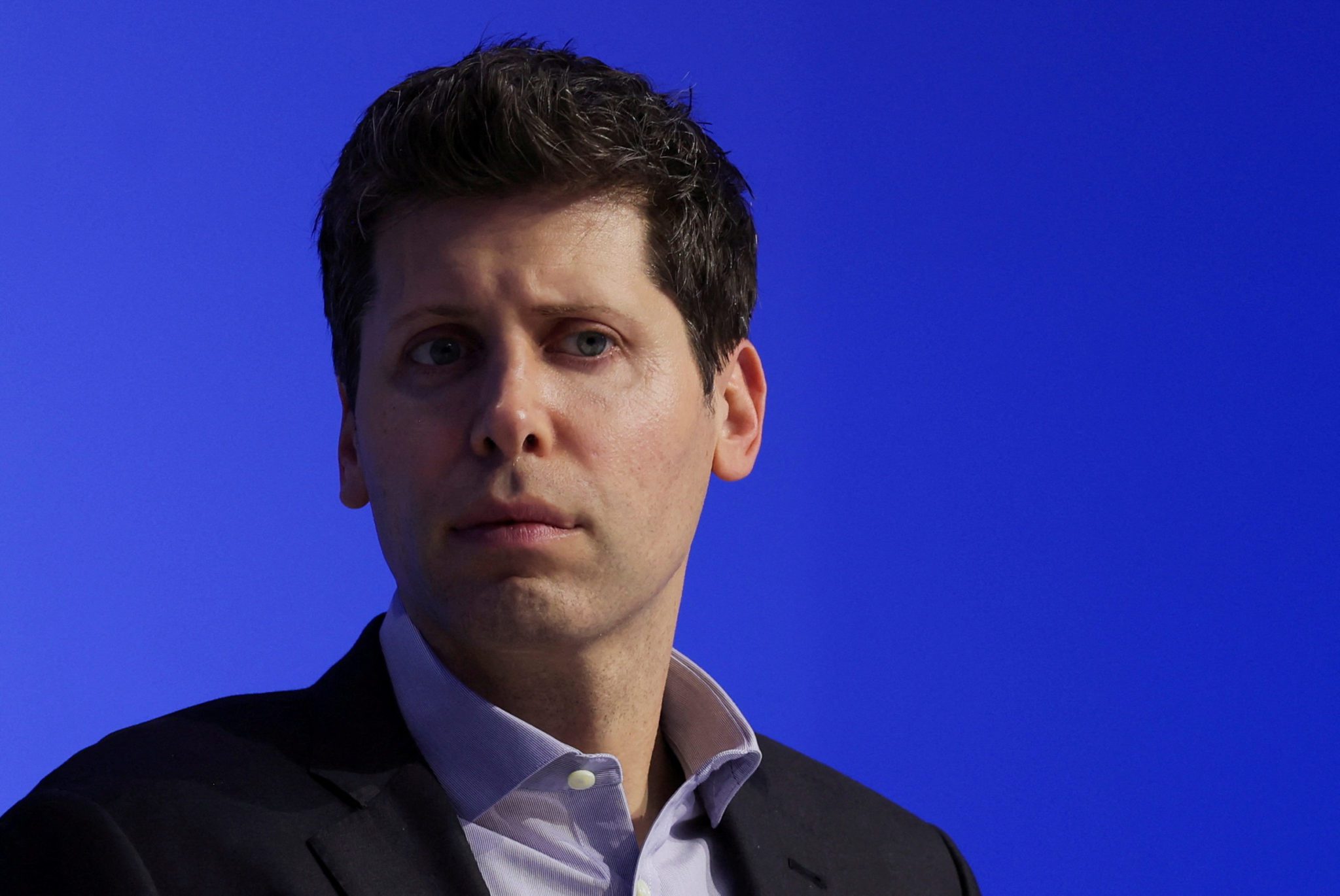
OpenAI CEO Sam Altman speaks at an event hosted by  BlackRock in Washington, DC, March 2026
OpenAI CEO Sam Altman has promised "a very high rate of change" at his company.

GIP

  • In October, Sam Altman said "erotica for adults" was coming to ChatGPT.
  • Now those plans are reportedly being mothballed.
  • It's fine for young startups and even mature companies to try out new ideas. But OpenAI and Altman are trying out a lot.

Last fall, Sam Altman told us he was about to bring spicy chat — "erotica for adults," in his words — to ChatGPT.

That never happened, and now it looks like it never will: Altman's OpenAI has put those plans on hold "indefinitely," per the Financial Times.

This is Altman's second big walkback in the last few days. Earlier this week, the company canned Sora, the briefly popular video app it rolled out last fall. I've asked the company for comment.

Both retreats are supposed to be part of a new push at OpenAI to focus the company's efforts on things that could make money today, as it preps for an IPO at the same time it faces real competition from the likes of Google and Anthropic.

So all this starting and stopping could be viewed as necessary growing pains at a fast-growing tech company — ones that won't mean anything in the long run, if it delivers on its world-changing ambitions.

Not only that, but Altman told us we should expect this sort of stuff. "Please expect a very high rate of change from us," he wrote last fall, after hearing from content owners who were outraged to find their stuff on Sora without their permission. "We will make some good decisions and some missteps, but we will take feedback and try to fix the missteps very quickly."

It's not that companies aren't allowed to make wrong turns and head up dead ends as they grow up, and even once they're fully mature. That kind of pivoting is celebrated in tech (and is why very few people are mad that Mark Zuckerberg has stopped telling us the metaverse is the future, or that Google once bought Motorola and decided that was a bad idea a couple years later.)

But "move fast and break things" lands differently when the company doing the moving and breaking isn't running a photo app or playing around with crypto.

Instead, OpenAI and its competitors say they're leading us into a world where everything — the way we live and work (or don't work) and fight wars and everything else — will change in fundamental ways.

And investors have bought this pitch, which means our economy now seems yoked to all this — which means all of us are yoked to it, even if we never touch a chatbot.

Which makes me slightly queasy to see Sam Altman promise dirty chats in October, and then walk away from the plan less than six months later.

Not because dirty chat is obviously absurd. Lots of people in AI think romantic or sexual chatbot conversations are a real use case and could be a real business.

But the reasons it might be a bad idea for OpenAI were pretty obvious from the start. It's a giant, heavily scrutinized company that wants to be treated as central and indispensable, and it's only going to get more scrutiny.

If those objections only became real after Altman floated the idea in public, that's not charming startup experimentation. It's a sign that OpenAI is still making itself up as it goes. And that would be easier to shrug off if the rest of us weren't already being told to build our lives, jobs, and businesses around what OpenAI says comes next.

Read the original article on Business Insider

  •  

I teach at Harvard and encourage my students to use AI on every assignment. They just have to follow my ground rules.

College classroom with a professor in foreground
The author is a professor at Harvard and allows for AI in the classroom.

Connect Images/Peter Muller/Getty Images

  • As a professor at Harvard, I encourage my students to use AI on every assignment.
  • My students can use AI as a research tool and editor, but AI cannot do the thinking for them.
  • I teach my students how to use AI to make better arguments, and that's where the use should stop.

I still remember the November when ChatGPT came out, and the exam period that followed.

As a professor at Harvard, I had B+ writers submitting essays with em dashes and Oxford commas, as if they had just signed with Penguin. Just as their writing magically improved, their voices began to blur into what we now call "AI slop."

Yet, as one of the earliest victims of the AI slop tsunami, I refuse to give in to the Luddism that led institutions to shut the door on AI entirely.

Instead, I've chosen to invite AI into every corner of my classroom because anything less will soon feel like a dereliction of duty.

I think Gen Z needs to be taught to use AI responsibly

Every generation struggles with entering the workforce, but few have had it as hard as my Gen Z students. Reading the news, you would think their struggles boil down to a mixture between laziness and entitlement, forgetting that we have been blaming the youth for all that ails society since Aristotle.

In reality, they're struggling because we're asking them to excel at two things that are foreign to them at once.

Not only are they stepping into institutions without answer guides or gradebooks, but they're doing so at a time when the tools no one is teaching them are redefining how the work itself gets done.

When AI is taking over the workplace, you don't respond by pretending the tools don't exist. You respond by teaching people how to use them well.

I now ask students to use AI in every assignment

The most important lesson I teach my undergrads is the same one I teach in my executive education classes: Use AI responsibly, with a personal growth mindset, not an output-oriented one.

I begin by asking my students not to lie to themselves about the kind of AI user they are becoming.

Are they centaurs, with half their essays spliced from ChatGPT, or cyborgs, with AI agents writing their emails while they sleep and automatically reviewing their Uber Eats orders?

Perhaps they're artisans, clinging harder and harder to what little humanity is left in us?

Whichever route they choose, the practice of using AI for growth couldn't be simpler.

There are some ground rules they have to follow

We begin by acknowledging one of AI's greatest strengths: its ability to quickly synthesize across large bodies of knowledge and connect ideas across disparate silos. Students get comfortable with ChatGPT's deep research, Perplexity's searches across academic journals, and Gemini's ability to poke holes in their arguments before typing a single word.

Should they find particularly challenging pieces, as they often do in my economics classes, they are allowed to use AI to help them "explain it like I'm five" and apply the insights directly, instead of getting a Ph.D. to understand what they found.

But when it comes to drafting the arguments themselves, my number one rule is that we put AI on pause. The goal is to capture their thinking in its rawest form and to give their thoughts a function before they obtain a form, even if it means leaning on voice notes to move our arguments along.

Only once my students know what they want to say, does AI return to help them, this time as an editor and a critic.

I ask students to submit their argument chains to AI so it can identify gaps, suggest further reading, and help finish concepts that were pulled from the oven a bit too soon.

This way, the argument improves, but the thinking remains theirs.

Where I draw the line

Even in a classroom where AI is as fully integrated as mine, this is where the boundary must lie. AI cannot do the thinking for us, and as teachers, we must help students avoid the temptation.

When students feel pressured to achieve perfection, the temptation to hand over the entire process to AI can become too strong to resist.

As I reflect on the essays I received now and those of December 2022, the lesson couldn't be clearer.

The best students aren't those who avoid using AI. Instead, they're the ones who know when and where to stop using it.

Read the original article on Business Insider

  •  

Farewell, Sora. You were too beautiful and too stupid for this world.

Sora app on Apple App Store
Sora was too good for this world. Now it's gone.

Samuel Boivin/NurPhoto via Getty Images

  • Goodbye, Sora!
  • I loved you at first — it was so much fun making silly videos of my friends.
  • After a few days, I got bored and moved on. Apparently so did everyone else.

Goodnight, sweet Sora. You were a wonderful tool for trolling my friends, but you burned too bright (and used too much compute) to stay around in this harsh world.

For a brief moment, I absolutely loved Sora. I loved making silly videos of my friends and me. I loved that I could use my friend's face to put them in ridiculous situations, like falling over while roller-skating at their desk, experiencing gastric distress, or singing in a ska band.

I was addicted to making these, churning them out, often starting a new one while waiting for the previous one to render, and sometimes hitting the hourly limit that OpenAI had to impose after some people (oops) were burning through all that free compute. I drained my phone battery by midday.

a video from sora of me and sam altman rollerskatong
A Sora-generated video of Sam Altman and me (in skinny jeans) rollerskating.

Sora 2

But a few days after its initial launch, the small handful of my friends and colleagues who had any interest in joining had already joined. None of my normal friends who didn't work in tech or media had any interest in this at all and found it fairly unpleasant.

Also, I couldn't help notice that on the feed of videos, there seemed to be very few women using the app, or at least allowing others to make videos featuring their likenesses. That makes sense; women's experience on the internet has rightfully informed them that it would be a very bad idea to allow strangers to make videos with your face. What I discovered was that Sora had a pervert problem: Although nudity or sexual content was banned, people were making non-nude fetish content like feet videos with random women's likenesses.

Now, OpenAI announced on Tuesday that it will be shutting down Sora, its stand-alone video generation app, and its deal with Disney is dead. An OpenAI spokesperson told Business Insider that the company is focusing its resources on other parts of the business. It seems that Sora was one of the "side quests" that was a distraction and a drain on compute.

Sora became a bore-a

Eventually, my friends all seemed to get bored with the app. As I do at most parties, I stuck around longer than everyone else, but eventually I, too, found that the novelty had worn off. I rarely opened the app after the second week.

This was, I imagine, a problem: making videos of yourself is fun, but watching videos that strangers make of themselves is not fun. The idea of a social feed of AI-generated videos is simply not something that people are interested in. Around the same time, Meta also tried this with an app of AI videos, and it was even more boring.

The last few years have taught us that humans — myself included — have a nearly endless capacity to watch an algorithmic feed of vertical short-form videos. However, it seems clear that this only applies to human-made content: videos of people putting on makeup, dancing in their kitchens, lip-syncing, debating, whatever. A social feed of AI video simply doesn't work.

I am not sure that OpenAI was truly trying to create a successful social video feed; it seems more likely that this was a small experimental effort that ran its course and they're moving on.

I'll miss Sora in the way I miss something like ChatRoulette or BeReal: It was really fun for a short time, and then not at all, and I have zero desire to ever revisit.

Rest in peace, Sora — and thanks for the stupid memories.

Read the original article on Business Insider

  •  

Boulos reage após grupo anunciar sua saída do PSOL e afirma que está discutindo rumos políticos

O ministro da Secretaria-Geral da Presidência, Guilherme Boulos, reagiu nesta sexta-feira (20) à nota de uma dissidência da Revolução Solidária – vertente da qual faz parte no PSOL – que afirmou que ele estaria de saída rumo ao PT. Segundo Boulos, o grupo se “apequenou” e a carta, classificada por ele como “apócrifa”, revela um “oportunismo e desespero’.

“O Movimento Revolução Solidária está discutindo internamente seus rumos políticos. Lamentamos que uma parte do PSOL tenha decidido se apequenar ao divulgar uma carta apócrifa, o que revela oportunismo e desespero”, disse Boulos em nota enviada Estadão/Broadcast, sistema de notícias em tempo real do Grupo Estado.

Como mostrou o Estadão/Broadcast nesta sexta-feira, 20, fontes do PSOL disseram que Boulos já teria comunicado a aliados que irá para o PT. Com ele, sairiam da sigla também os filiados que fazem parte da tendência de Boulos e que, assim como o ministro, integram o Movimento dos Trabalhadores Sem-Teto (MTST).

Aliados do ministro, no entanto, negam esse movimento. Dizem se tratar de uma mentira divulgada por uma ala do PSOL e que Boulos não sairá da legenda. Chegaram a desafiar os integrantes do partido que dizem que o ministro trocará a sigla pelo PT a falarem que ouviram isso da boca de Boulos.

Uma nota que circula nos grupos do PSOL, assinada por um grupo da Revolução Solidária (grupo de Boulos), mas sem o nome de nenhum filiado, diz que o ministro comunicou a sua saída do partido na noite desta quinta-feira, 19. Essa nota tem sido repassada por pessoas descontentes com a atuação do ministro.

“Ontem (quinta-feira, 19) de noite, finalmente, a Coordenação Nacional da Revolução Solidária foi informada da decisão de Guilherme Boulos, do MTST e portanto do núcleo dirigente da Revolução Solidária, de sair do PSOL para o PT”, diz a nota.

Segundo esse grupo, parlamentares e pré-candidatos do PSOL estão sendo “pressionados” a seguir com Boulos e deixar a legenda.

“Apelamos aos militantes do PSOL ainda na Revolução Solidária a romperem com a corrente, ficarem no PSOL e se reorganizarem para enfrentar esta crise e se somarem a todos que no PSOL lutam para reafirmar o nosso projeto de partido e para reeleger Lula”, conclui o grupo.

Filiado à legenda desde 2018, Boulos assumiu a Secretaria-Geral da Presidência em outubro de 2025, no lugar de Márcio Macêdo (PT). A ida para a Esplanada dos Ministérios foi reprovado por alas internas no partido.

No dia 7 de março, o diretório nacional do PSOL rejeitou a proposta de federação com o PT para as eleições de 2026 por 47 votos a 15. A Revolução Solidária, de Boulos, era a principal defensora da aliança. O partido optou por renovar a federação com a Rede Sustentabilidade.

  •  

OpenAI começa a transformar o ChatGPT num sistema operacional. Testamos

O ChatGPT está se transformando num sistema operacional, ou seja, num agente que controla outros aplicativos.

Na segunda-feira passada, a OpenAI lançou a integração entre o GPT e alguns apps. Isso significa que você agora pode usar outros aplicativos direto no Chat.

Agora, no início, são bem poucos, mas dá pra ter uma boa ideia de como a coisa funciona.

Vamos ver o caso do Spotify. Você pode pedir para o Chat montar uma playlist, na linha “faz uma só com músicas que tocaram na trilha sonora do filme tal”. Pronto.

Ele faz a Playlist e já joga dentro do Spotify. Na prática, você passa a interagir com outros apps da mesma forma como lida com o GPT: na base da conversa, como se estivesse falando com um amigo.

Neste episódio da sére IA:Modo de Usar, o jornalista Pedro Burgos mostra os detalhes.

💾

Enjoy the videos and music you love, upload original content, and share it all with friends, family, and the world on YouTube.
  •  

Sam Altman corre o mundo em busca de parceiros que sustentem o avanço da OpenAI

O CEO da OpenAI, Sam Altman, embarcou em uma campanha global para arrecadação de fundos, buscando financiamento e parceiros que possam ajudar a atender à demanda insaciável da startup por capacidade computacional.

Em uma tentativa de garantir suprimentos de longo prazo e de baixo custo para o impressionante plano de infraestrutura multitrilionário da OpenAI, Altman tem explorado alternativas de financiamento com parceiros da cadeia de suprimentos, disseram pessoas familiarizadas com suas reuniões.

Desde o final de setembro, o chefe do ChatGPT viajou para Taiwan, Coreia do Sul e Japão para acelerar a capacidade mundial de construção de chips de inteligência artificial. Ele se reuniu com empresas como a Taiwan Semiconductor Manufacturing (TSMC) e a Foxconn, bem como a Samsung e a SK Hynix, disseram as pessoas que acompanharam o assunto de perto.

Altman estava pressionando essas empresas, muitas das quais são fornecedoras da Nvidia, uma das maiores fabricantes de chips de IA do mundo, a aumentar a capacidade de produção e priorizar os pedidos da OpenAI, disseram pessoas que acompanharam o assunto.

Ele planeja visitar investidores nos Emirados Árabes Unidos para arrecadar fundos para financiar a expansão da infraestrutura e a pesquisa da OpenAI.

Desde a introdução do ChatGPT, a cadeia de suprimentos de computação tem enfrentado gargalos de fabricação para atender à crescente demanda global.

A TSMC produz chips para a Nvidia, enquanto a Foxconn monta os servidores com esses chips. A Samsung e a SK Hynix, da Coreia do Sul, fornecem chips de memória para ambos os sistemas.

OpenAI busca financiamento

A viagem de Altman lembra uma visita que ele fez no início de 2024, quando apresentou planos de infraestrutura com um valor exorbitante de até US$ 7 trilhões para as mesmas empresas e buscou financiamento dos Emirados Árabes Unidos.

Seu esforço anterior foi então rejeitado por alguns líderes do setor, que não o consideraram realista, dada a baixa receita gerada pelos serviços de IA na época. Logo após essa viagem, o CEO da TSMC, C.C. Wei, disse que Altman era “agressivo demais para se acreditar”.

Desta vez, ele está recebendo mais apoio.

Uma onda de confiança renovada na OpenAI veio de seu acordo de sucesso com a Nvidia, no qual a gigante dos chips concordou em alugar até cinco milhões de seus chips de IA para a fabricante do ChatGPT ao longo do tempo e investir até US$ 100 bilhões para viabilizar o projeto.

O anúncio ajudou a reforçar a visão de Altman para o poder computacional e elevou as ações de fornecedores de chips em todo o mundo.

Cerca de três anos após o lançamento do chatbot de IA, a OpenAI agora está avaliada em US$ 500 bilhões, em pé de igualdade com empresas corporativas globais como Netflix e Exxon Mobil.

Nos últimos dias, Altman se reuniu com líderes de tecnologia como Samsung e SK Hynix, bem como com a empresa japonesa de eletrônicos e indústria Hitachi. Os anúncios de suas parcerias impulsionaram as ações das três empresas, seguindo o mesmo padrão observado com os acordos nos EUA.

Altman contratou as duas empresas sul-coreanas como parceiras em chips de memória. Eles disseram que a demanda geral da OpenAI poderia chegar a até 900.000 wafers por mês, o que é mais que o dobro da capacidade global atual de memória de alta largura de banda. Eles planejam desenvolver data centers de IA em conjunto com a OpenAI na Coreia do Sul.

No Japão, a OpenAI e a Hitachi concordaram que o conglomerado japonês apoiaria a OpenAI no desenvolvimento de infraestrutura de IA, incluindo o fornecimento de equipamentos para transmissão e distribuição de energia para os data centers da startup americana. A OpenAI forneceria seus modelos e outras tecnologias para a Hitachi.

Altman manteve discussões com algumas das empresas sobre a fabricação e implantação dos futuros sistemas Rubin da Nvidia, disseram as pessoas familiarizadas com as viagens. A OpenAI estará entre os primeiros clientes a receber os sistemas Rubin no segundo semestre de 2026.

Durante sua parada no Oriente Médio, Altman planejou se reunir com os fundos de investimento MGX e Mubadala de Abu Dhabi, bem como com o parceiro operacional da OpenAI, G42, disseram pessoas familiarizadas com os planos. O potencial novo capital seria parcialmente usado para financiar o data center Stargate em Abu Dhabi, disseram as pessoas que acompanham o assunto.

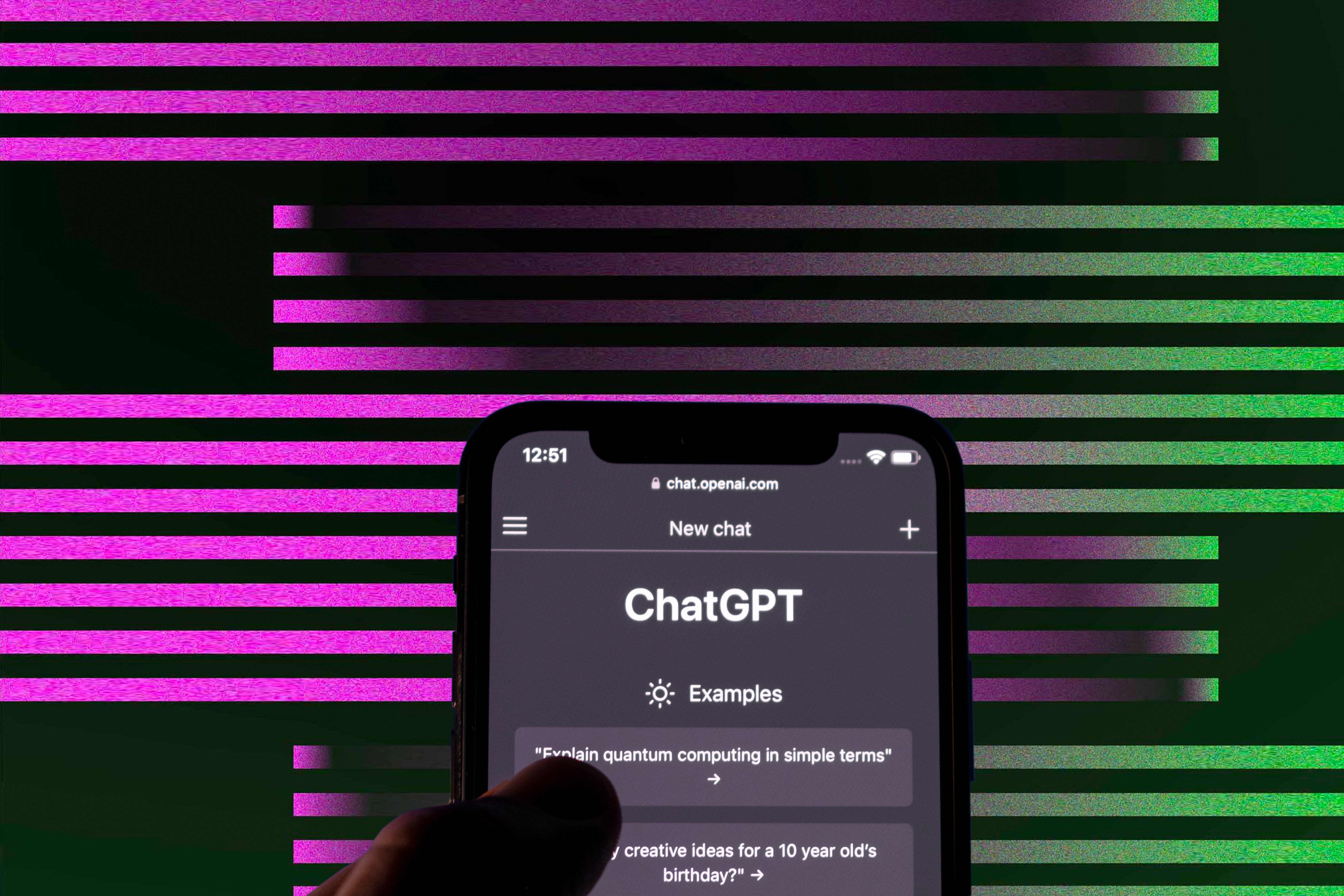
Celular mostra a página do ChatGPT, que pertence à OpenAI
Foto: Adobe Stock Photo

A OpenAI informou a seus investidores e parceiros comerciais que provavelmente gastará cerca de US$ 16 bilhões em aluguel de servidores de computação este ano, e que o gasto poderá chegar a cerca de US$ 400 bilhões em 2029, segundo pessoas familiarizadas com o assunto.

Na semana passada, a empresa reacendeu o entusiasmo global com seu modelo de geração de vídeo Sora 2. Participantes do setor esperam que tais modelos e aplicações aumentem a demanda por capacidade computacional de forma muito mais agressiva do que os modelos baseados em texto.

“Nossa visão é simples: queremos criar uma fábrica capaz de produzir um gigawatt de nova infraestrutura de IA por semana”, escreveu Altman em um blog recente.

No mês passado, a OpenAI e a Nvidia anunciaram que implantariam pelo menos 10 gigawatts dos sistemas de computação da Nvidia para que a OpenAI treinasse e executasse sua próxima geração de modelos. A OpenAI também anunciou cinco novos data centers nos EUA, construídos em parceria com a Oracle e o conglomerado de tecnologia japonês SoftBank.

💾

Enjoy the videos and music you love, upload original content, and share it all with friends, family, and the world on YouTube.
  •  

OpenAI firma parceria para viabilizar compras pelo ChatGPT nos EUA

A OpenAI apresentou nesta segunda-feira (29) um recurso em parceria com a Etsy e a Shopify que permite aos usuários fazerem compras por meio do ChatGPT nos Estados Unidos. 

Os vendedores terão que pagar uma taxa para a OpenAI sobre as compras concluídas, mas não haverá cobranças para os usuários e isso não afetará os preços, prometem as empresas.

A mudança abre uma nova fonte de receita para a OpenAI além do modelo de assinatura tradicional.

“O Instant Checkout agora está sendo implementado para usuários logados no ChatGPT Pro, Plus e Free dos EUA que compram de vendedores Etsy dos EUA, com mais de 1 milhão de comerciantes do Shopify em breve”, disse a OpenAI na rede social X.

As ações da Etsy subiram 7,3%, enquanto as ações da Shopify listadas nos EUA avançaram 4,5% após o anúncio.

“Os vendedores do Shopify poderão usar o ChatGPT sem links ou redirecionamentos, apenas via comércio contínuo”, disse a plataforma em seu site.

A startup de IA informou que abrirá o código-fonte do protocolo de comércio agêntico, construído com a empresa de pagamentos Stripe, que permite a compra pela ferramenta.

💾

Enjoy the videos and music you love, upload original content, and share it all with friends, family, and the world on YouTube.
  •