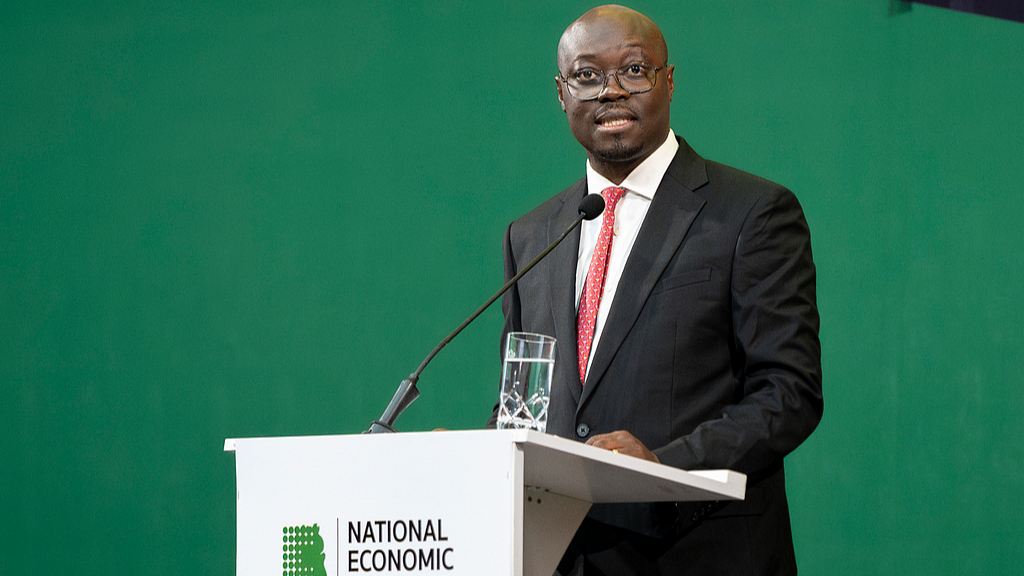
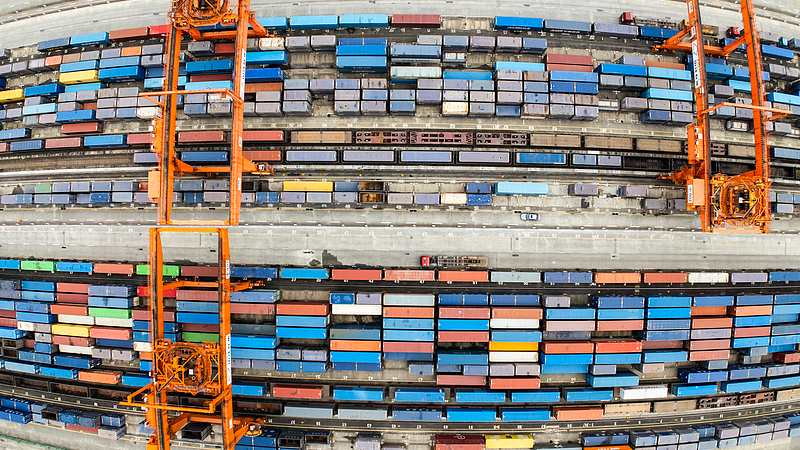
Ghana will invest $10 billion in a four-year economic transformation programme from 2027 to 2030, aiming to boost domestic production, expand exports and create jobs following the completion of its three-year, $3 billion IMF bailout programme.
Finance Minister Cassiel Ato Forson announced the initiative, known as the "New Economy", while presenting the 2027 budget to Parliament on Thursday. The plan will focus on commercial farming, energy infrastructure, technology, textiles and garment production, as well as processing critical minerals locally rather than exporting them in raw form.
Forson said the government would prioritise infrastructure and prepare investment-ready projects to support businesses. The budget forecasts economic growth of 5.2% in 2027, up from 4.8% in 2026, while targeting a reduction in the fiscal deficit to 3.6% of GDP.
The spending plan comes as Ghana seeks to build on gains made under its $3 billion IMF programme, which helped bring inflation down from a peak of 54.1% in December 2022. The government also plans to retire more than $3.07 billion in domestic and foreign debt ahead of schedule, including bonds due in 2027.
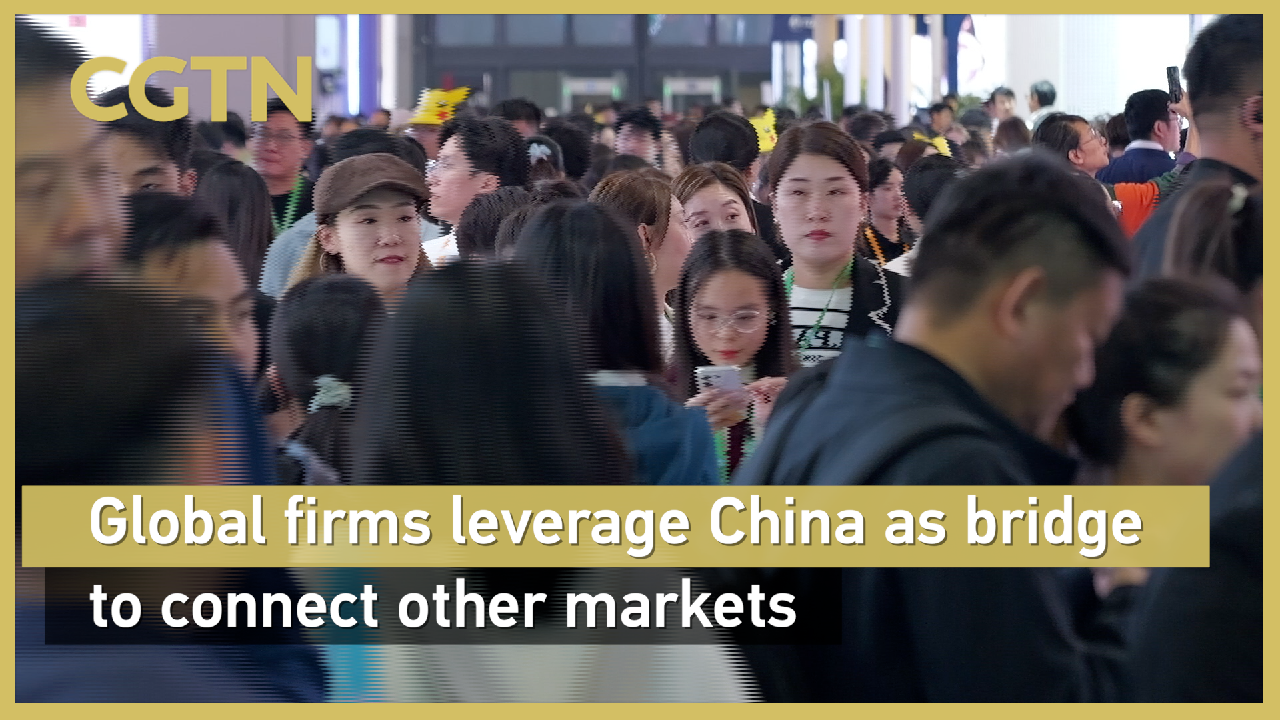
From the phone in your pocket to the giant screens illuminating city skylines, a significant share of the world’s displays can be traced back to one place: the Guangdong-Hong Kong-Macao Greater Bay Area, particularly Shenzhen. From display panels to LED modules, the entire supply chain is located within a few hours' drive, allowing companies to scale up quickly. CGTN's Wang Tianyu went inside the industry to find out how Shenzhen is leveraging this advantage to serve customers worldwide.
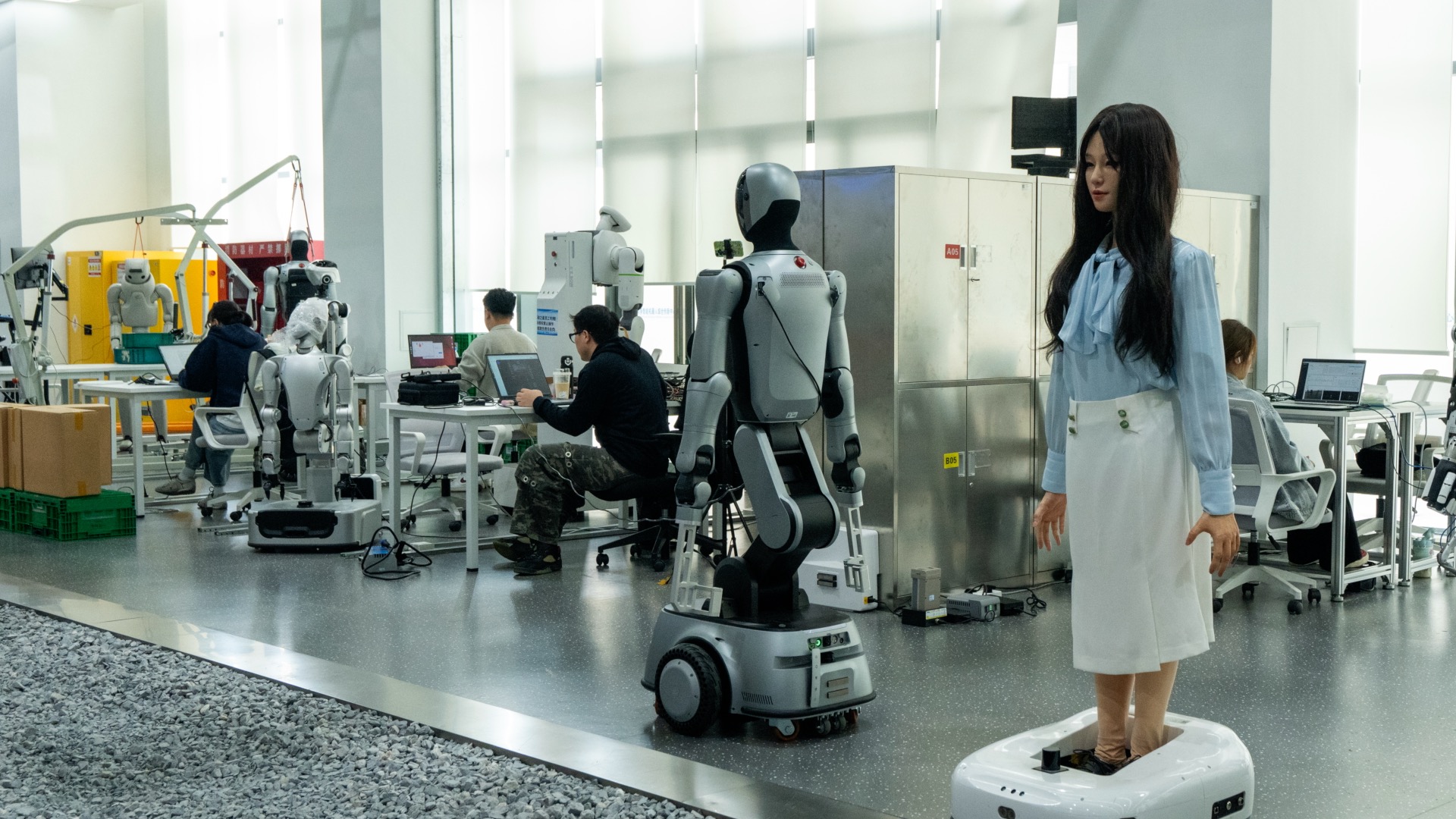
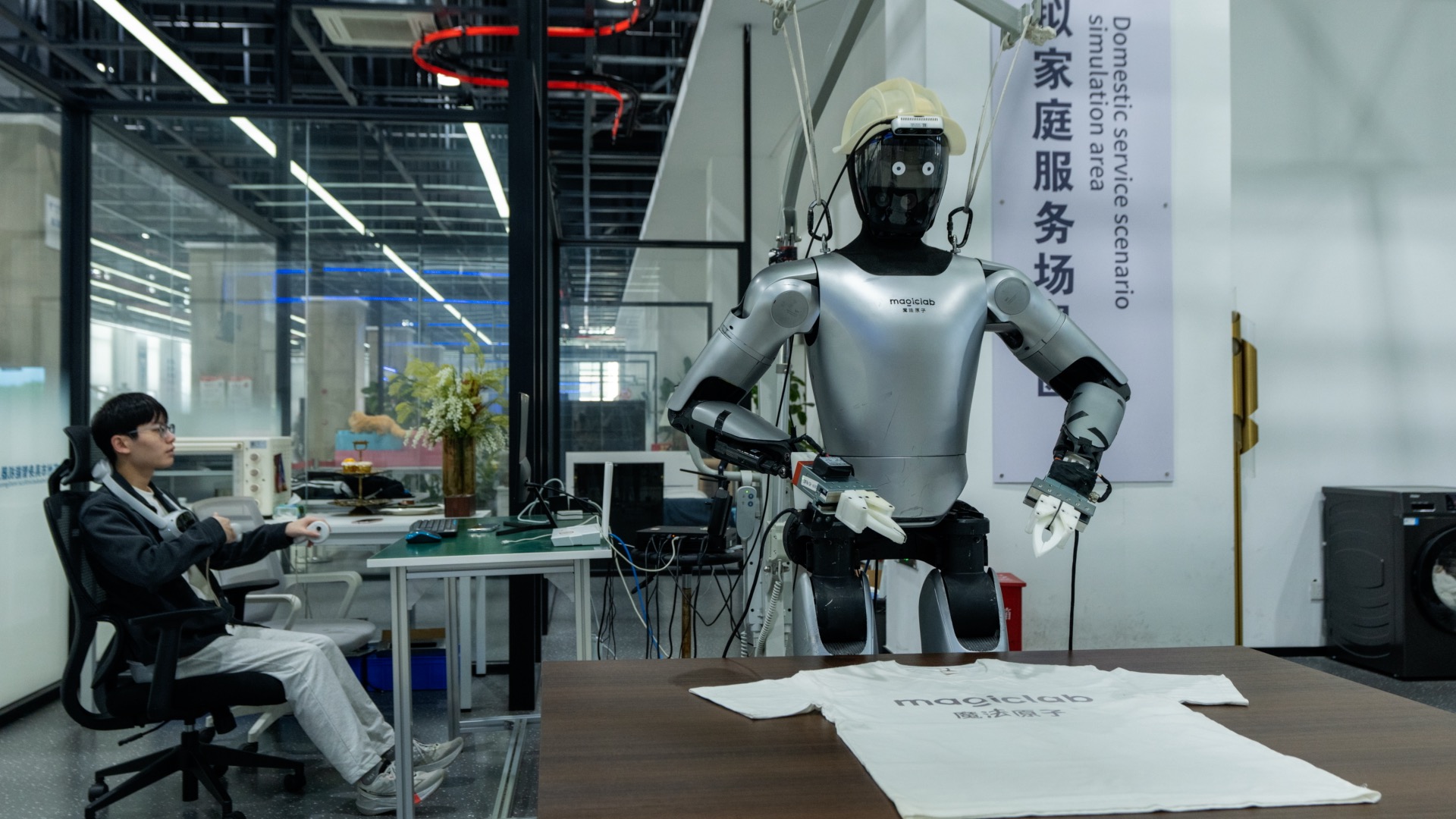
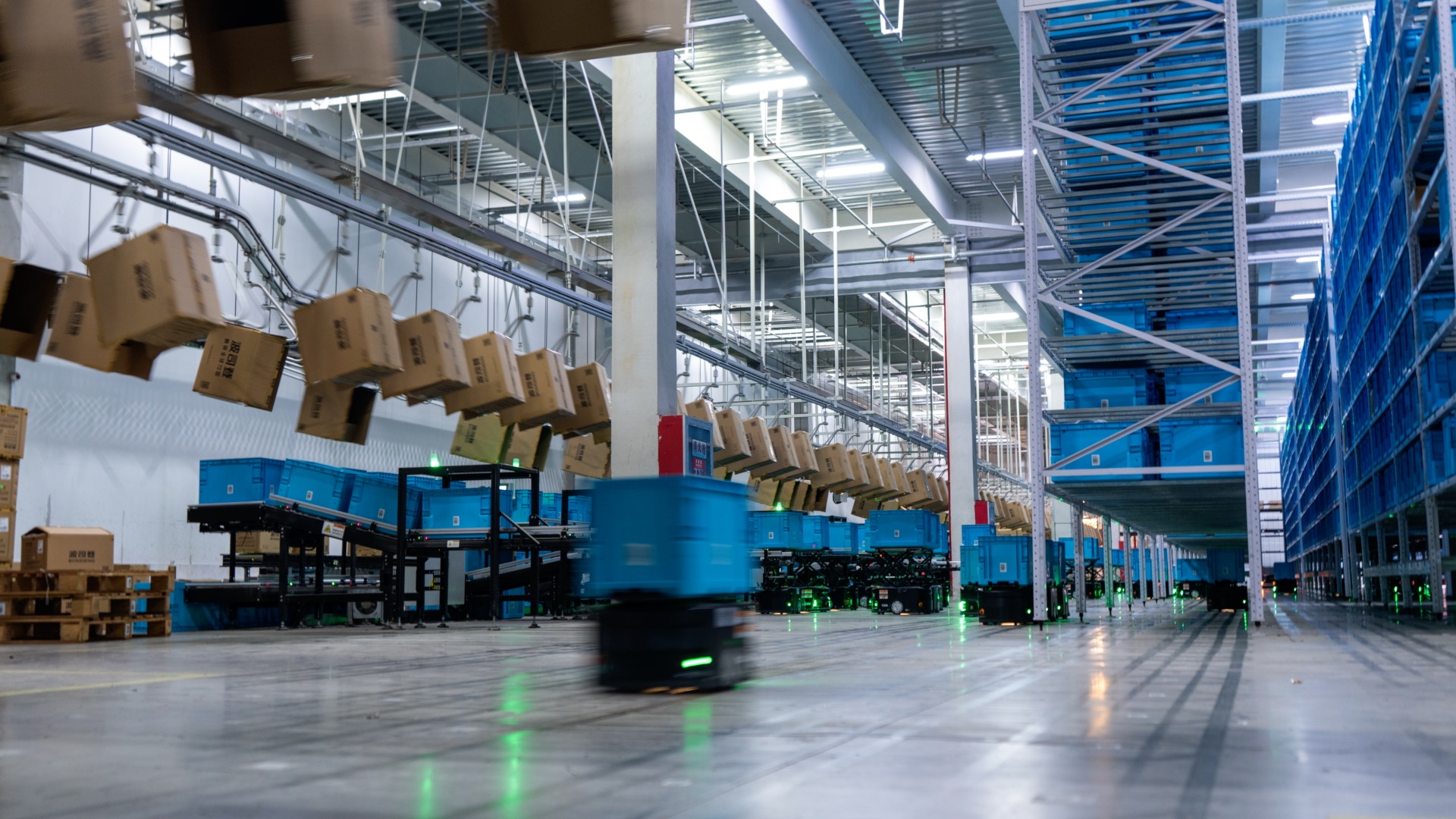
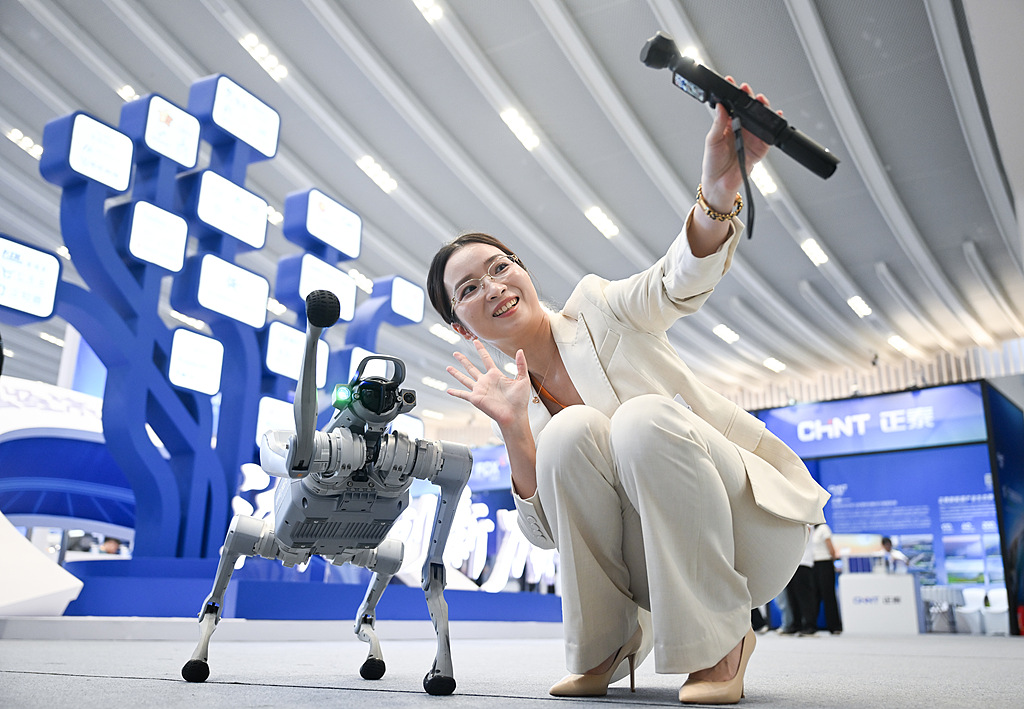
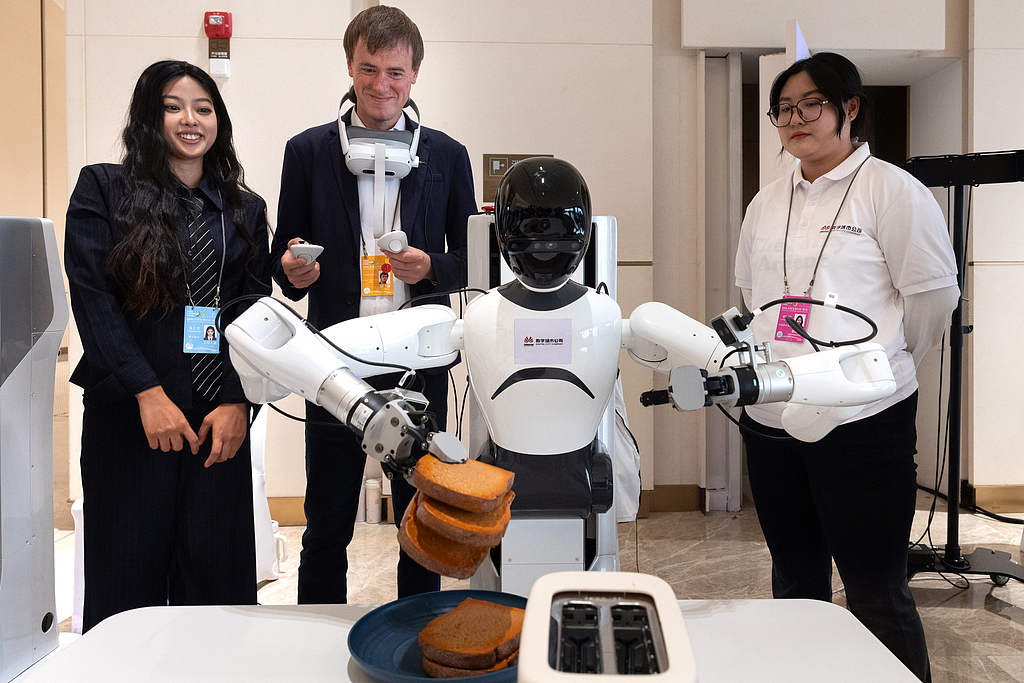
What does innovation look like in everyday life? In Suzhou, eastern China's Jiangsu Province, the answer can be found in some unexpected places – from robots that clean swimming pools and help around the home to precision tools that bring miniature models to life and smart factories that are transforming how clothes are made.
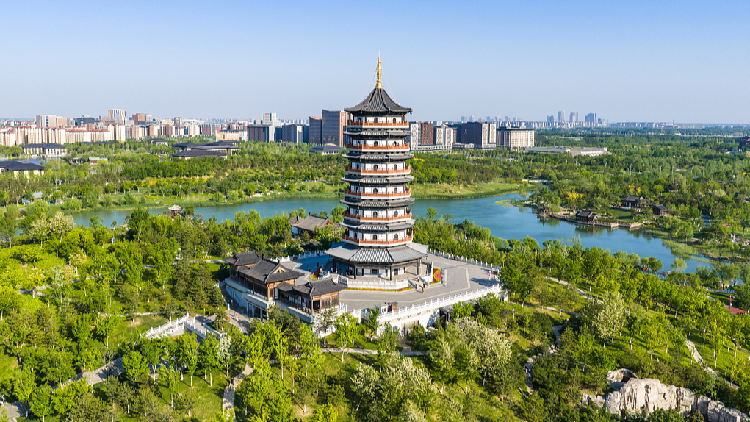
Known for its classical gardens and rich cultural heritage, Suzhou is also making a name for itself as a hub of technological innovation. Here, emerging technologies are finding practical applications, creative ideas are turning into products, and traditional industries are embracing intelligent manufacturing.
Through this photo collection, explore three sides of Suzhou's innovation scene and see how technology is reshaping the way we live, create and manufacture.
Smart robots, real-life solutions
Meet the future in Suzhou!
From robotic pets and pool-cleaning robots to home service robots and supermarket sorting systems, a new generation of intelligent machines is finding its way into everyday life. These innovations show how embodied AI is moving beyond the lab and into real-world applications, as Suzhou turns bold ideas into practical solutions and drives the next wave of innovation in China.
Where technology meets creativity
Technology can be fun, too!
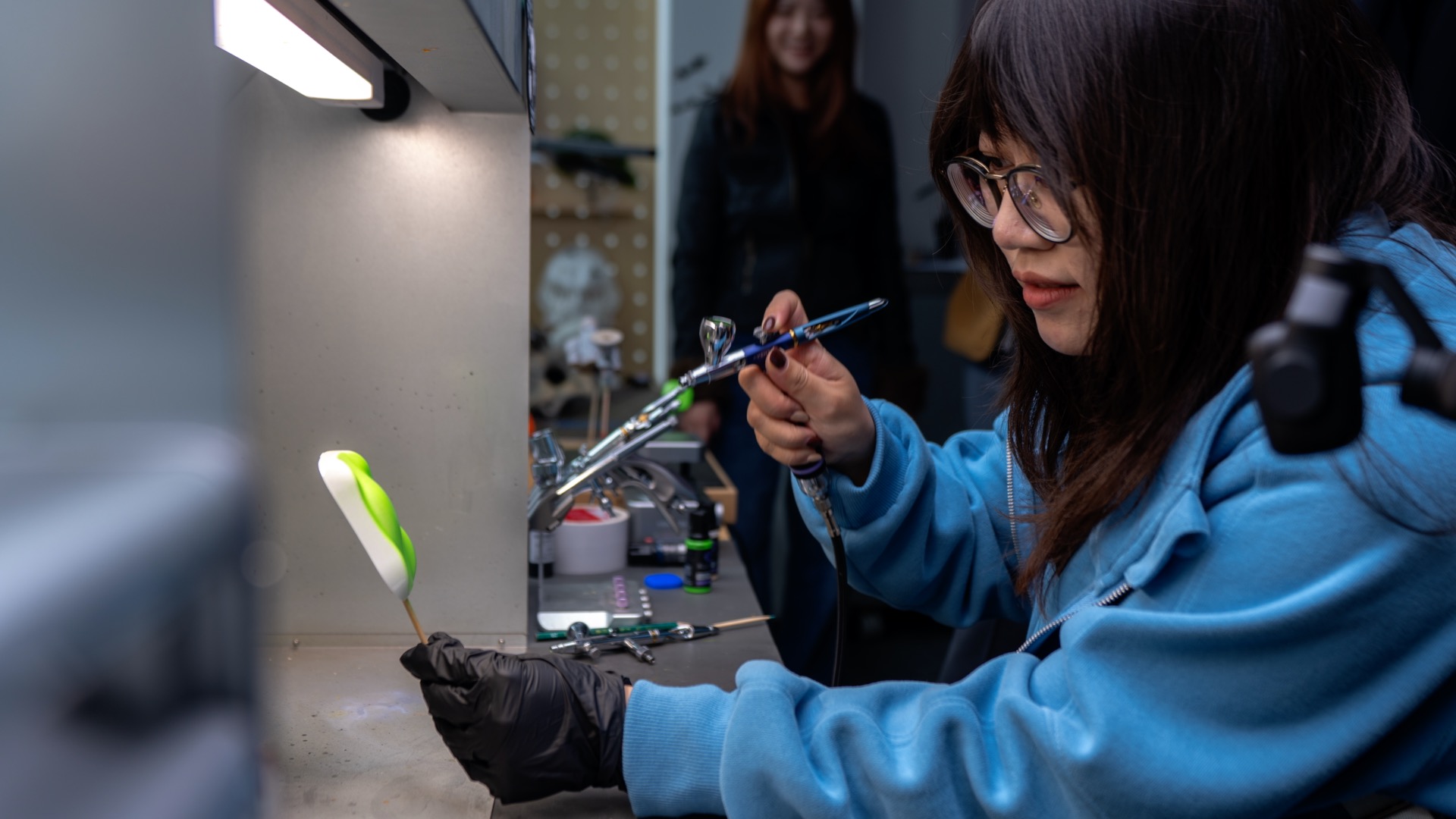
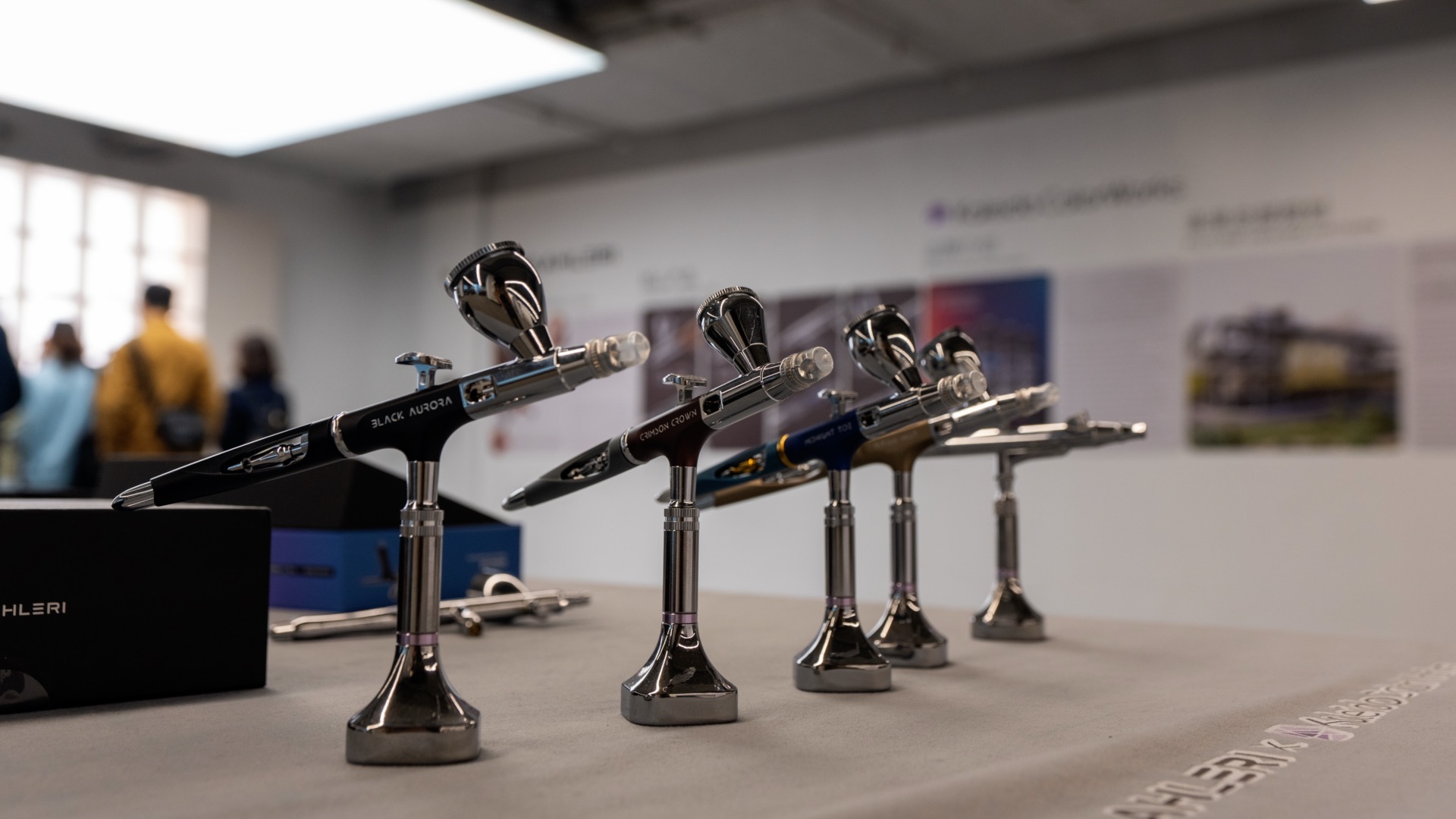
From Gundam models to collectible figures, precision airbrushes are bringing color, detail and creativity to the world of model-making. At Galele Innovation Technology in Suzhou, technology meets craftsmanship, giving hobbyists the tools to bring their favorite creations to life. It's another creative side of Suzhou's innovation scene! Take a closer look at Suzhou's growing tech scene.
A high-tech makeover for fashion
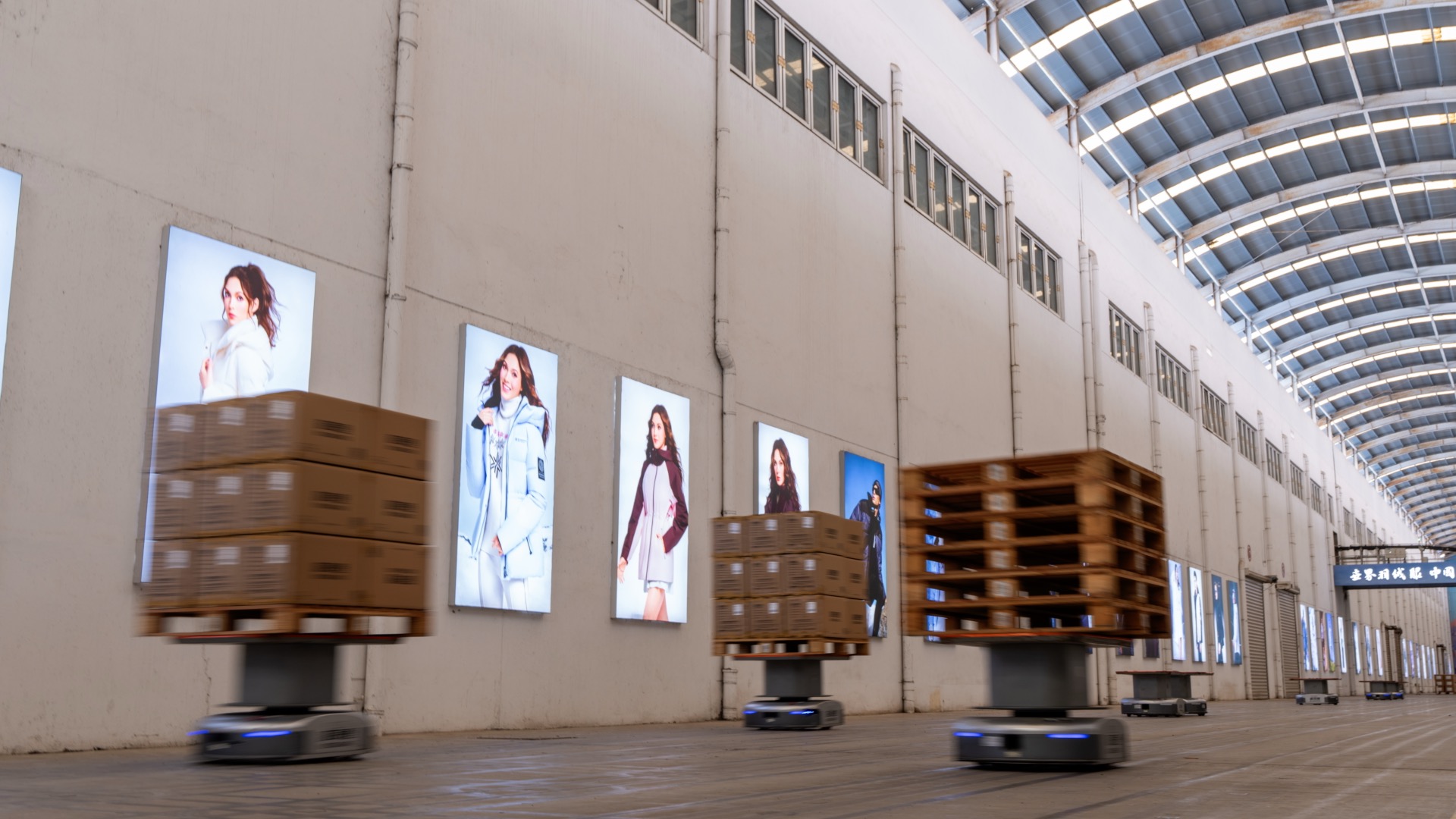
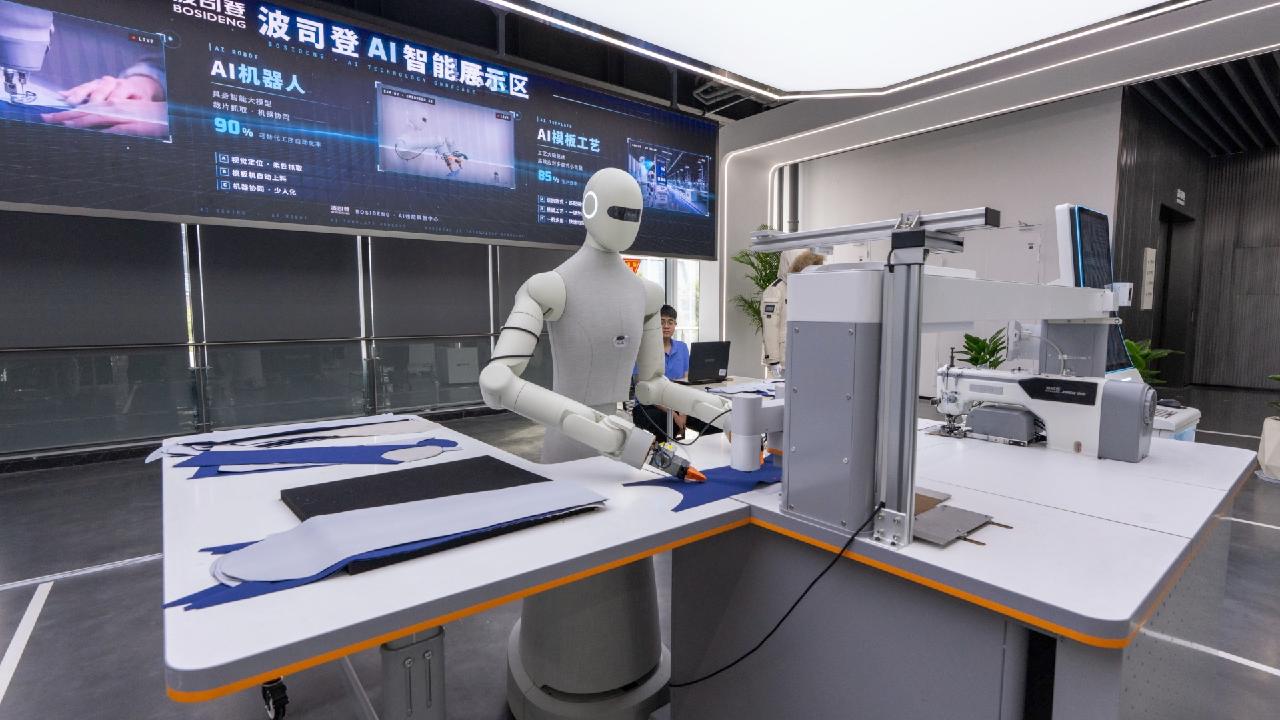
Ever wondered how a down jacket gets made in a smart factory?
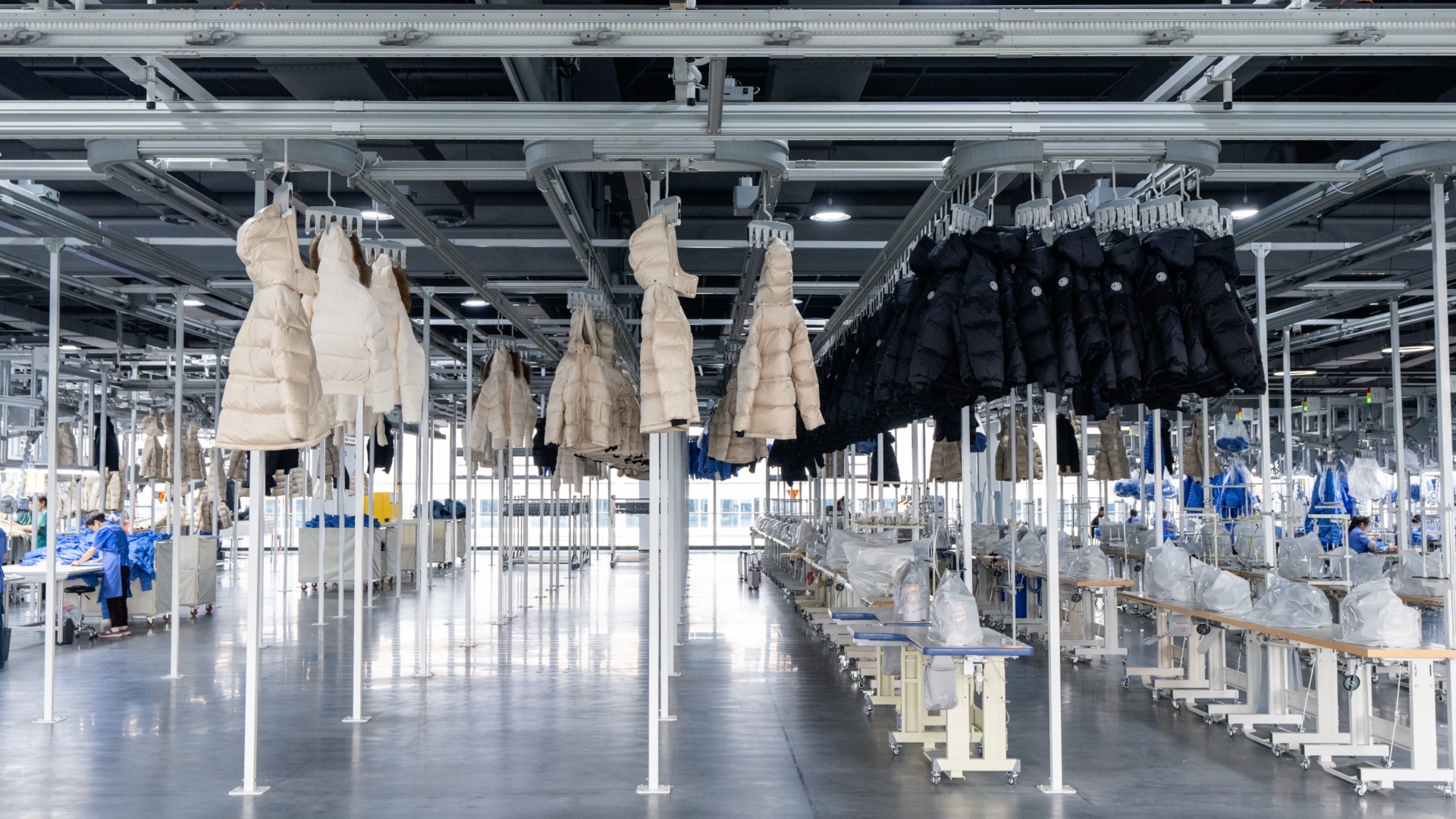
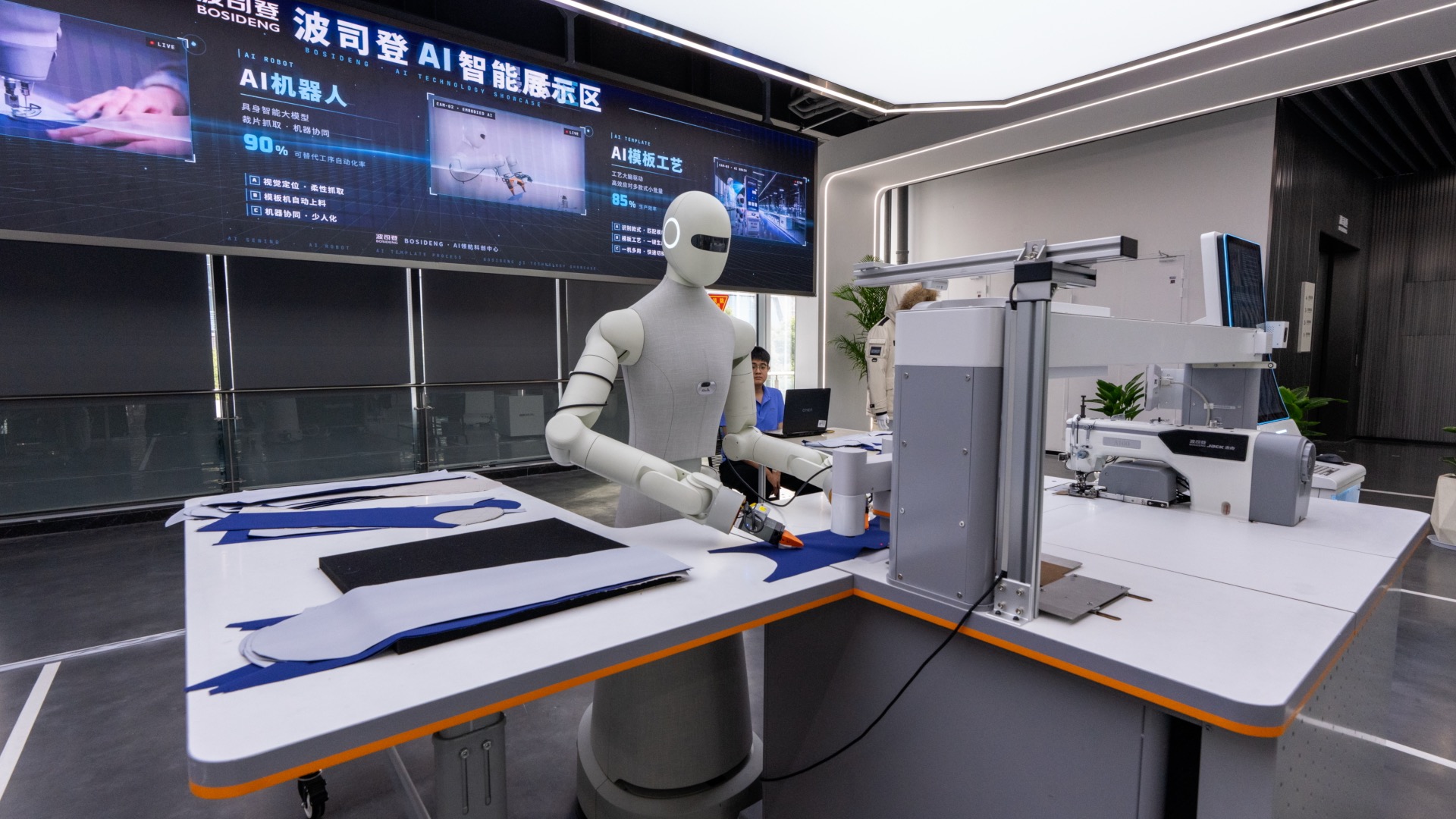
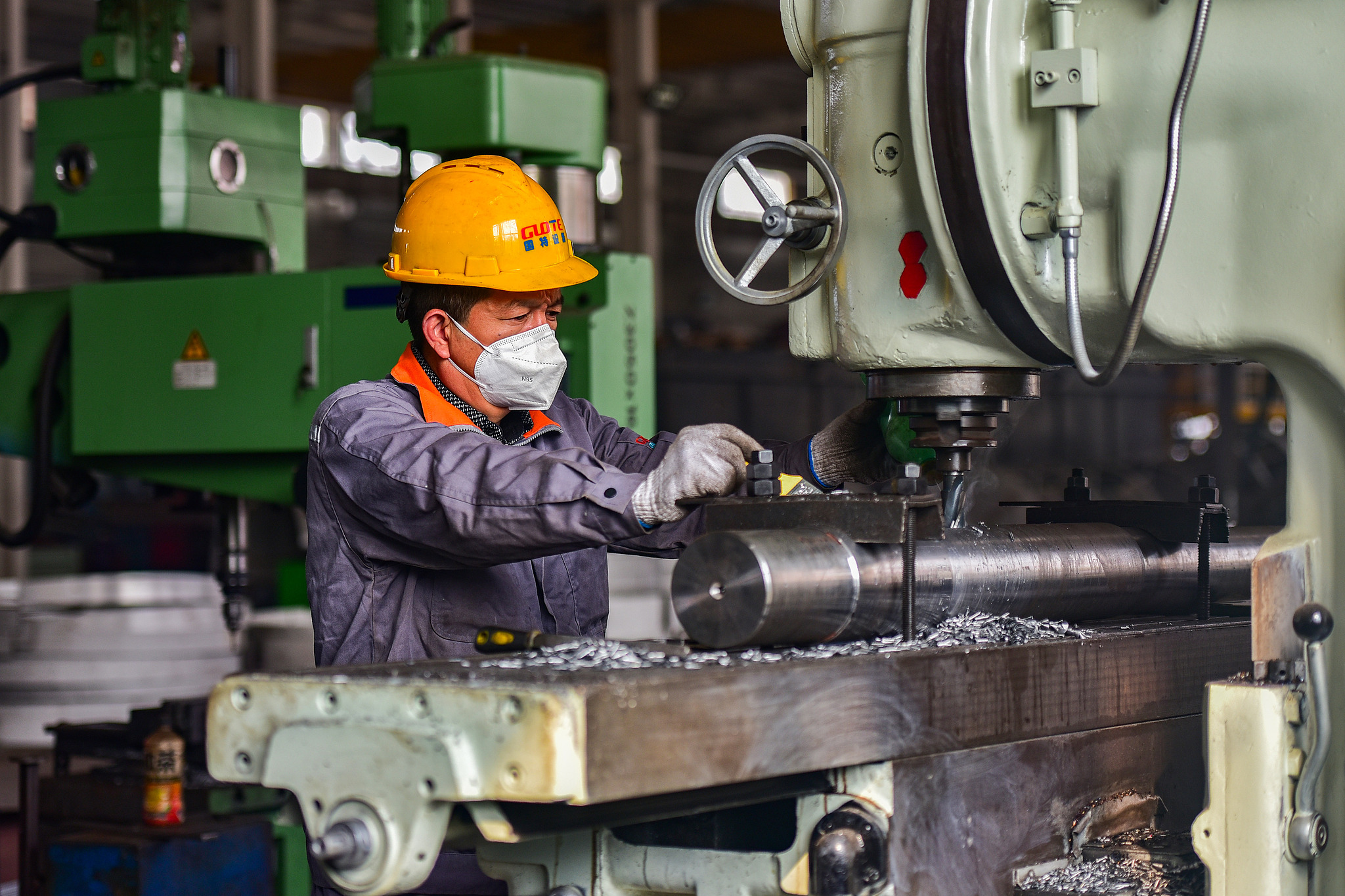
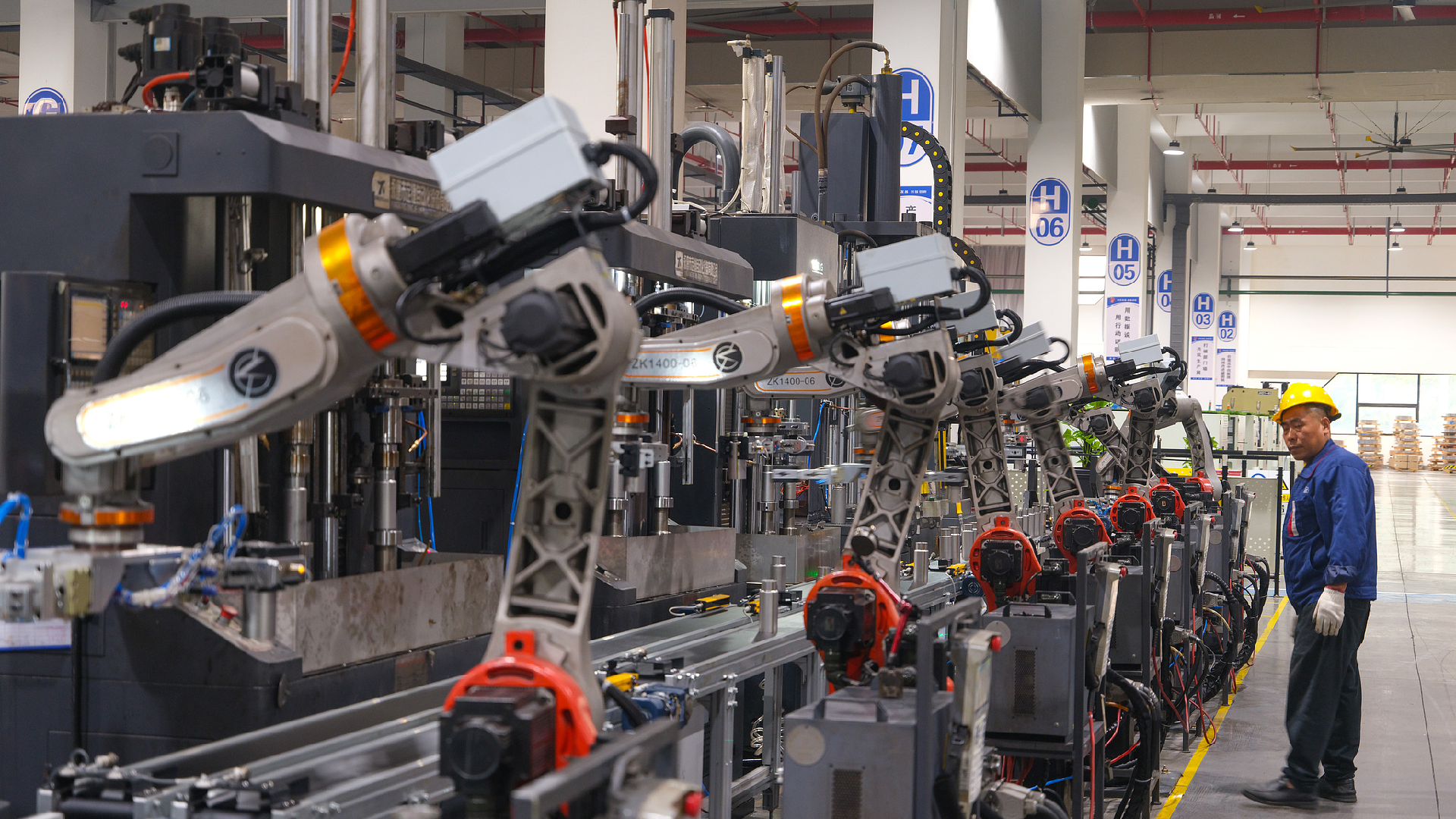
At Bosideng's intelligent factory in Suzhou, robots, AI and automated production lines are bringing a new level of precision and efficiency to garment manufacturing. From smart cutting to streamlined production, technology is giving traditional clothing manufacturing a high-tech makeover. Who knew making a winter jacket could be this high-tech?
Tanzania plans to generate 1,892 megawatts (MW) of electricity from renewable energy sources by 2030 as part of efforts to boost the country's total power generation capacity to 8,000 MW, a senior government official said on Thursday.
James Mataragio, permanent secretary in the Ministry of Energy responsible for petroleum and gas, made the remarks at the opening of the 2026 Renewable Energy Week conference in Dar es Salaam.
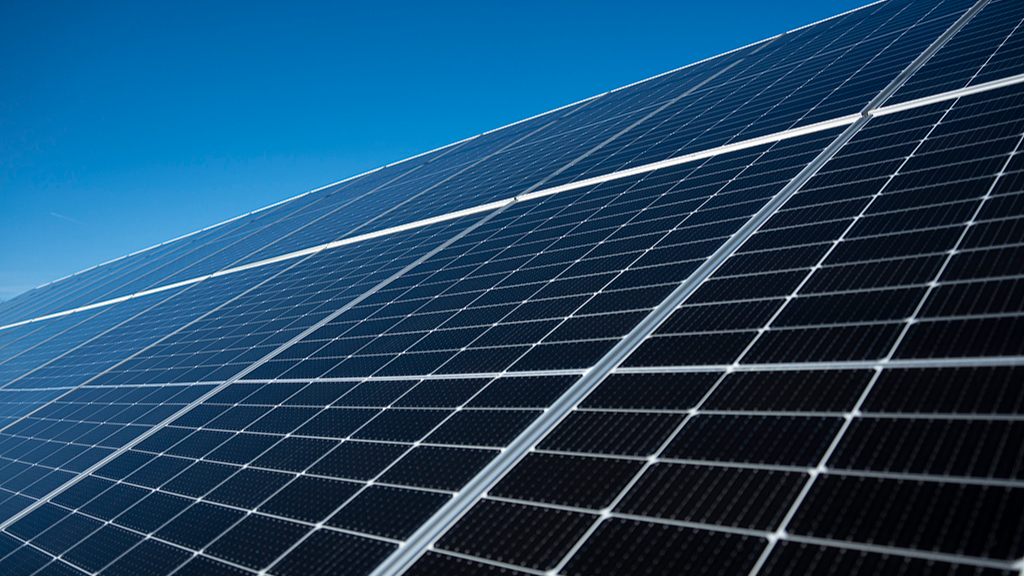
Mataragio said renewable energy sources, including solar, wind and biomass, would play a significant role in achieving the national electricity generation target.
He noted that the country's Development Vision 2050 aims to increase electricity generation capacity to 70 gigawatts by 2050.
Achieving these ambitious targets would require substantial investment, innovative technologies and strategic partnerships among the government, the private sector and development partners, he added.
Tanzania currently has an installed electricity generation capacity of 4,667 MW from various sources, including hydropower, natural gas, biomass, solar, coal and wind, he said.
The government is also implementing its 2024–2034 National Clean Cooking Energy Strategy, which aims to ensure that 80% of Tanzanians have access to clean cooking energy by 2034, while the National Energy Compact targets 75% by 2030, he said.
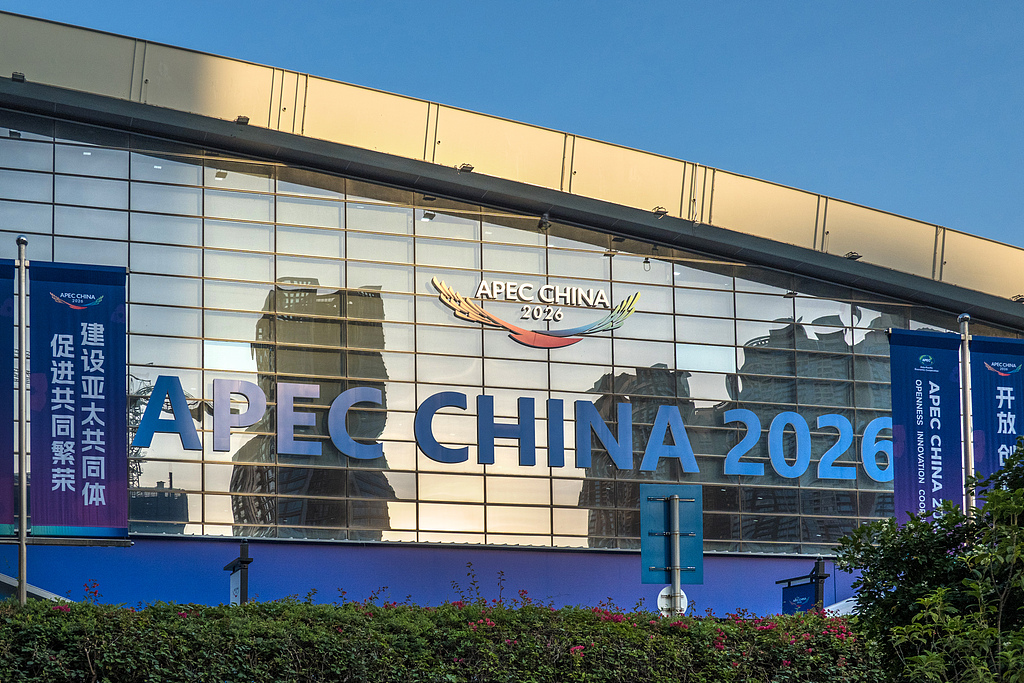
China said on Friday that it hopes leaders of the Asia-Pacific Economic Cooperation (APEC) will adopt a joint declaration at the upcoming meeting in Shenzhen.
The 33rd APEC Economic Leaders' Meeting will be held in Shenzhen, south China, from November 18 to 19.
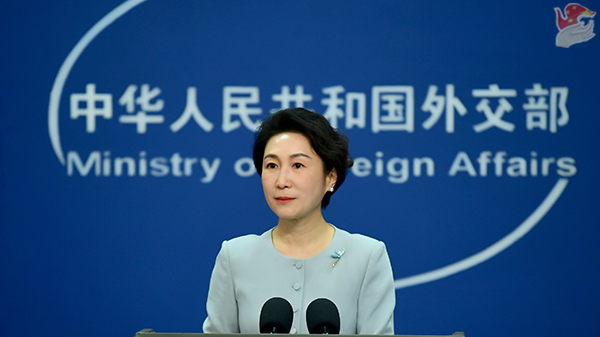
This marks the first time in 12 years that China is hosting the APEC meeting, said Mao Ning, spokesperson for the Chinese Foreign Ministry, at a regular press briefing.
"We hope that all parties will further build consensus and reach the Shenzhen Declaration," Mao said.
She said China hopes the meeting next week will deliver practical outcomes in key areas, including trade, connectivity, the digital economy and artificial intelligence, injecting strong momentum into prosperity and growth in the Asia-Pacific and beyond.
The Shenzhen meeting marks the third time China has hosted the APEC meeting, following Shanghai in 2001 and Beijing in 2014.
Held under the theme "Building an Asia-Pacific Community to Prosper Together," this year's gathering will focus on three priority areas identified by China: openness, innovation and cooperation.
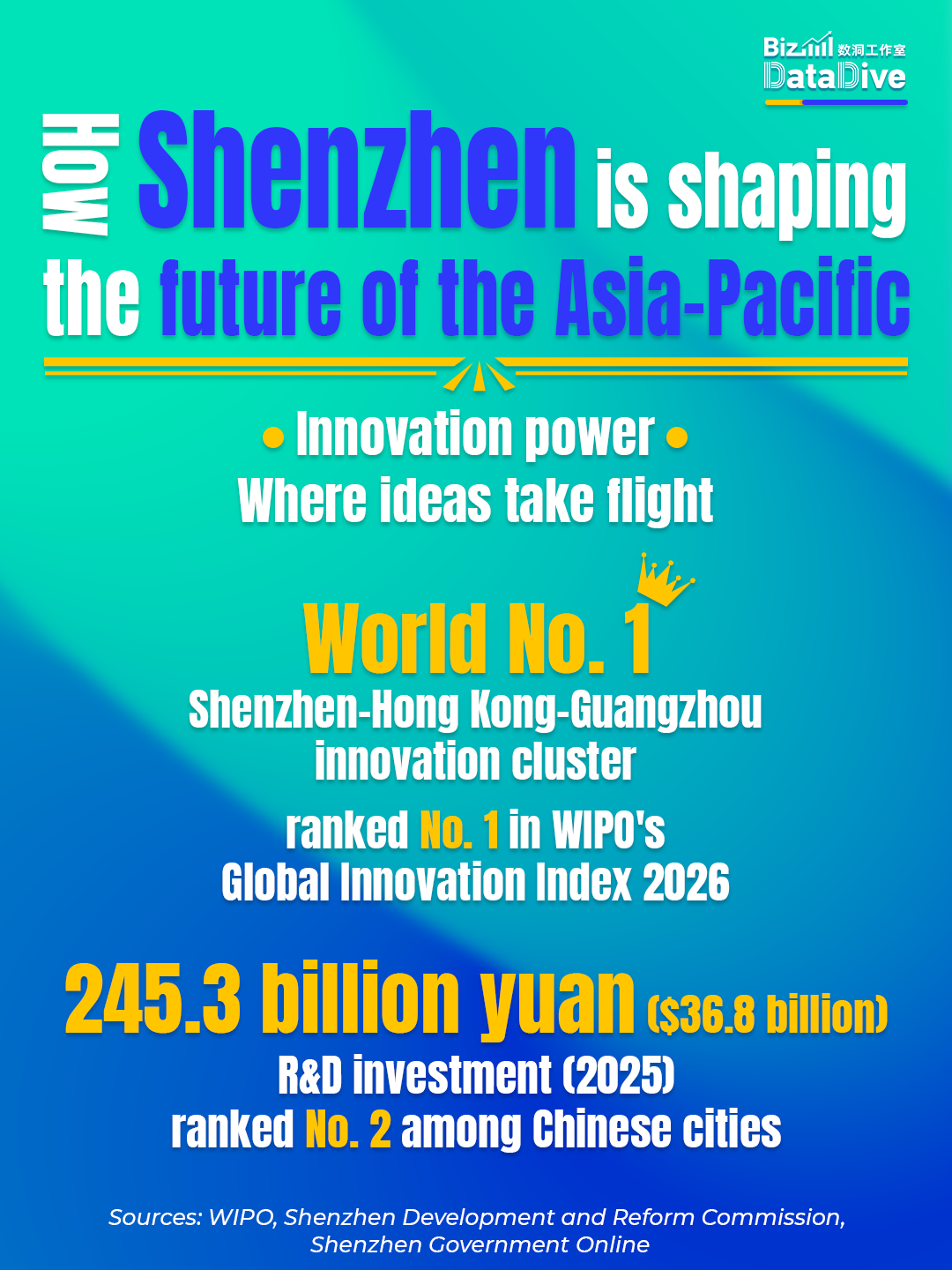
Part of the world's No.1 global innovation cluster, a fountainhead of emerging high-tech industries, and a cornerstone of global trade: As host of the 33rd APEC Economic Leaders' Meeting, Shenzhen is ready to show the world what innovation looks like.
Editor's note: Tran Van Cuong is general director of VCP Pharmaceutical Joint Stock Company. The article reflects the author's opinions and not necessarily the views of CGTN.
CGTN presents a special series on the role of China's centrally administered SOEs in the Asia-Pacific, in collaboration with China's State-owned Assets Supervision and Administration Commission (SASAC). The series explores their contributions to regional connectivity, green transition, the digital economy, industrial cooperation and people's livelihoods, with insights on building a shared future for the region.
As the 33rd APEC Economic Leaders' Meeting approaches, the theme "Building an Asia-Pacific Community to Prosper Together" resonates across the Asia-Pacific region. As General Director of VCP Pharmaceutical Joint Stock Company (VCP), I have walked through our pharmaceutical workshops in Hanoi countless times. Whenever I see boxes of powder antibiotics for injection bearing the Sinopharm logo roll off the production line and make their way to more than 20,000 retail pharmacies across Vietnam, I am reminded of something: that the 23-year journey of a Chinese pharmaceutical company can also serve as a vivid testament to the mutual benefit and shared prosperity that define cooperation across the Asia-Pacific.
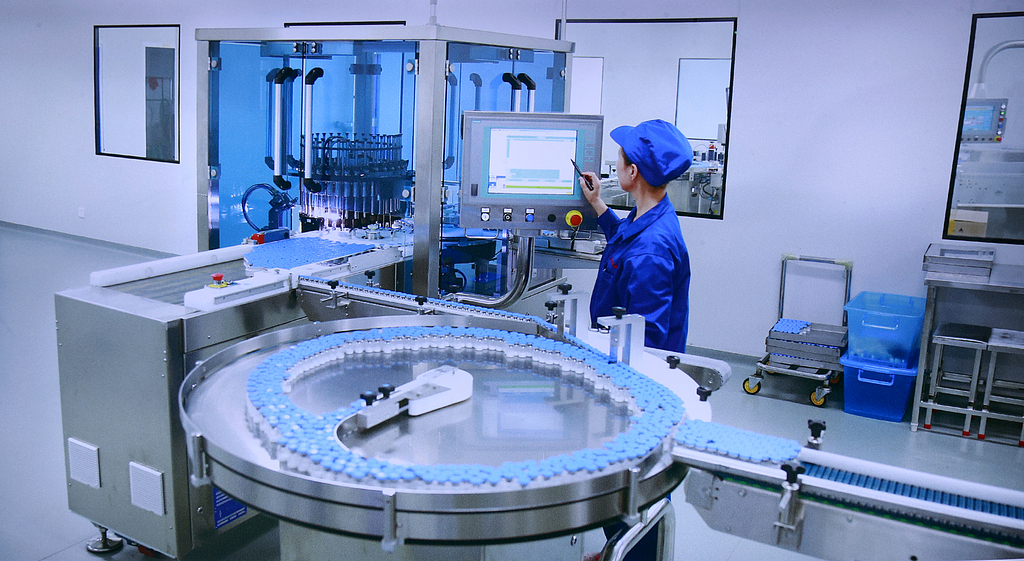
23 years ago, the site was still undeveloped land. In 2003, China Sinopharm International Corporation, a subsidiary of Sinopharm, invested in Hanoi to establish VCP Pharmaceutical Joint Stock Company, the first Sino-Vietnamese pharmaceutical joint venture in Vietnam and the country's first manufacturer of powder antibiotics for injection to meet the World Health Organization's Good Manufacturing Practices (WHO-GMP) standards. From a fledgling enterprise to a flourishing business, VCP has spent 23 years making Chinese-made medicines trusted products that Vietnamese people can count on.
For a company to expand overseas, it must first establish a firm foothold in its host market. To this end, we have developed a framework comprising three sales channels and one digital platform. Through the ethical drug channel (ETC), we participate in Vietnam's national and provincial centralized procurement programs, achieving 95% coverage across the country and a 25% market share. Since 2019, our over-the-counter (OTC) business has grown through close partnerships with Chinese companies specializing in traditional Chinese medicine (TCM), bringing high-quality TCM products into local production and reaching more than 20,000 retail pharmacies.
Our online sales channel has opened up new avenues for growth through partnerships with e-commerce platforms such as Lazada and Shopee. Meanwhile, our independently developed distribution management system (DMS) platform leverages digital technologies to improve operational efficiency and management. To date, VCP has supplied a cumulative total of 160 million doses of powder antibiotics for injection to the Vietnamese market. These figures are more than just statistics on a balance sheet; they represent the deep roots we have put down in Vietnam.
Putting down roots is only the beginning; what matters even more is delivering tangible results. Chinese companies venturing overseas bring far more than products. At VCP, we have integrated China's technological expertise and raw materials with the Vietnamese market, adopting a model that combines the entire production and supply chain, as well as technology transfer and services to facilitate the global expansion of traditional Chinese medicine.
What makes us even prouder is our commitment to localization. Of VCP's 231 employees, 99% are Vietnamese. Our workforce includes 82 pharmacists with university degrees in pharmacy and 62 with intermediate-level qualifications in pharmacy. Through our pyramid-style training system, local professionals have increasingly taken on leading roles. A company's long-term success overseas depends not on how far it ventures, but on how deeply it takes root and how much it contributes to the development of its host country.
China and Vietnam are connected by mountains and rivers, and share a common future. VCP's two decades of development offer a glimpse into how Chinese enterprises can not only go global, but also become deeply rooted in local communities. Our journey is also a vivid example of the Asia-Pacific's commitment to openness, cooperation and mutual benefit. Looking ahead to the next two decades, as a pioneer among Chinese pharmaceutical enterprises in advancing the Belt and Road Initiative, we will remain true to our founding mission and commitment. We will continue to enhance the prestige of the Sinopharm brand, ensure that the benefits of development are shared locally, and turn the vision of common prosperity into reality. In doing so, we hope to make even greater contributions to strengthening pharmaceutical cooperation between China and Vietnam, and building a China-Vietnam community of health for all.
Global brands have much to learn from China's fast-evolving market, Krister Zackari, executive vice president of Fazer Group, told CGTN in an interview on the sidelines of the 9th China International Import Expo. China's advanced e-commerce ecosystem, real-time consumer engagement and agile ways of working offer valuable lessons, said Zackari.
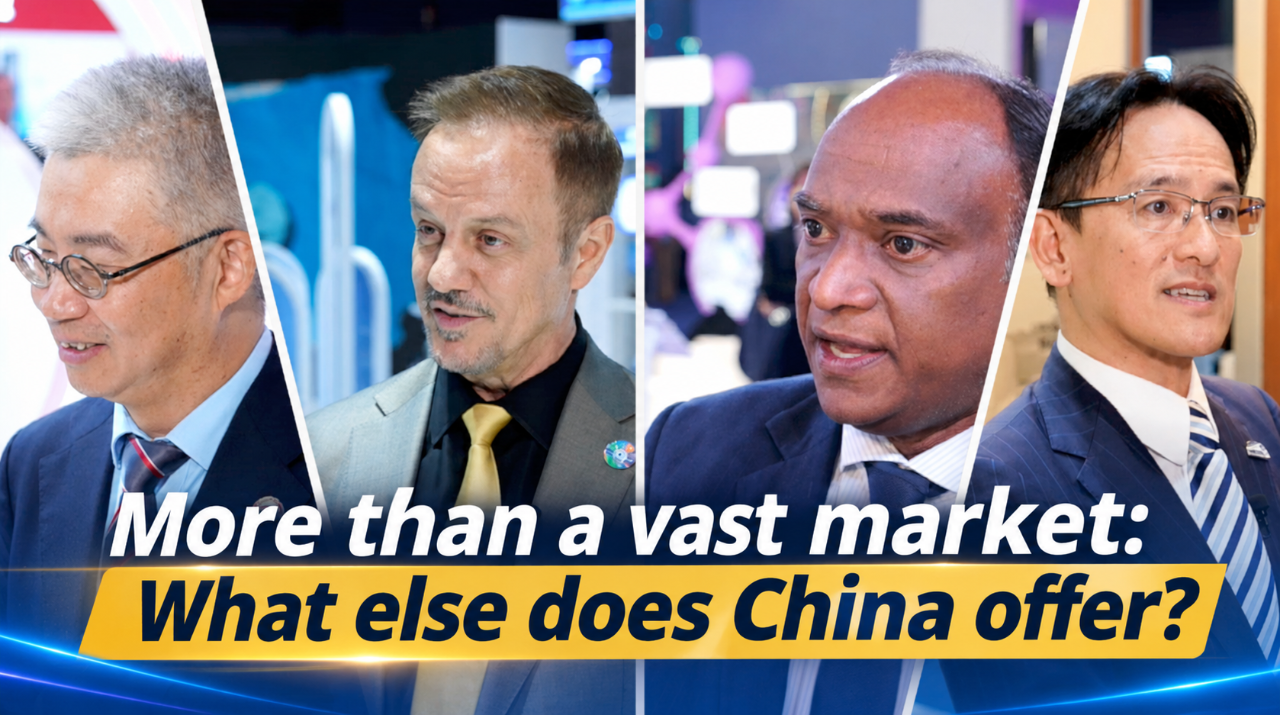
China offers far more than a large consumer market, said Manish Jain, the regional general manager of IKEA China, in an interview with CGTN during the China International Import Expo 2026. It also provides significant opportunities for innovation and collaboration, he added.
As COP31 unfolds in Türkiye, global climate action faces mounting political and economic challenges. With some major economies scaling back climate commitments and competition for green technologies intensifying, can the world turn climate pledges into action? What role can China play? Join CGTN BizTalk as leading climate experts examine the challenges facing COP31, the future of green industries and the shifting dynamics of global climate cooperation.
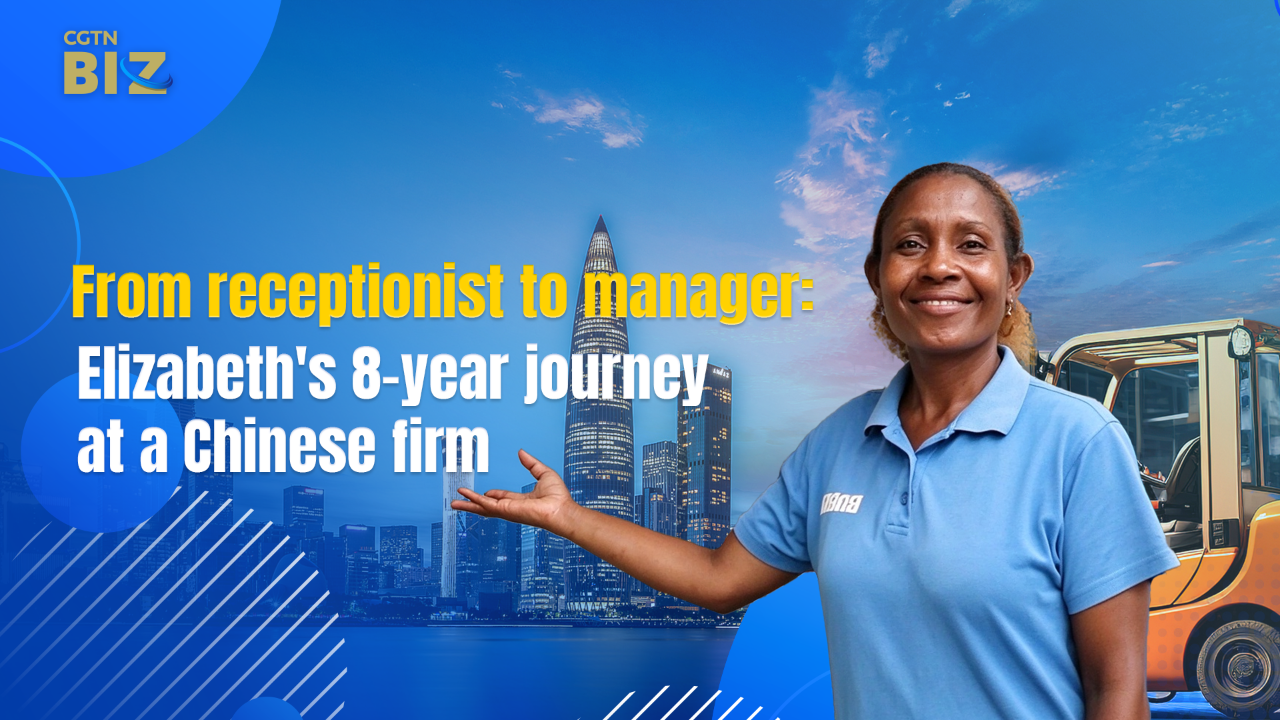
Elizabeth Lindon, a 46-year-old from Papua New Guinea, is now a senior supervisor at BNBM PNG in Port Moresby. Over eight years, she has worked her way up from office receptionist to forklift operator—breaking the stereotype that operating forklifts is "a man's job"—and then moving into management. Her journey shows how China-APEC cooperation translates into real benefits for individuals and families.
CGTN presents a special series on the role of China's centrally administered SOEs in the Asia-Pacific, in collaboration with China's State-owned Assets Supervision and Administration Commission (SASAC). The series explores their contributions to regional connectivity, green transition, the digital economy, industrial cooperation and people's livelihoods, with insights on building a shared future for the region.
Editor's note: Zhou Mi is a senior research fellow at the Institute of American and Oceania Studies of the Chinese Academy of International Trade and Economic Cooperation under the Ministry of Commerce. The article reflects the author's opinions and not necessarily the views of CGTN.
A common misconception is that the closer an economy's ties with China, the larger its trade deficit with China will become, leaving it worse off. But this assumption does not reflect the complexity of international trade.
Among China's closest economic partners are the member states of the Association of Southeast Asian Nations (ASEAN). Vietnam, for example, has recorded strong economic growth in recent years. In the first three quarters of this year, its GDP grew by 9.95% year on year, making it one of the world's fastest-growing economies, according to Vietnam's National Statistics Office (NSO). The data also showed Vietnam's exports of goods increased by 24.5%, while imports rose by 36.7%.
Trade balances tell only part of the story
All those figures suggest that trade has been an important driver of Vietnam's economic expansion, giving businesses and consumers greater opportunities to leverage their respective strengths and participate in global markets.
A trade surplus or deficit is, in essence, an arithmetic measure. The factors behind these balances, as well as their economic implications, are far more complex. Vietnam's trade patterns offer a useful illustration. The United States was its largest export market, with exports reaching $140 billion in the first three quarters of the year, and China was Vietnam's largest source of imports, with imports totaling $187.3 billion over the same period, according to NSO. Vietnam's trade surplus with the US, the European Union and Japan continued to widen, while its deficits with China, South Korea and other ASEAN economies also increased.
These figures need to be understood in the context of comparative advantage and the division of labor in global supply chains. Trade is not simply a matter of one economy gaining at another's expense. While some countries export raw materials such as crude oil and mineral ores, much of today's international trade involves businesses combining resources, components and technologies from different economies to produce finished goods. This is particularly evident in Vietnam's trade structure.
Imports power exports through global supply chains
NSO data showed manufactured goods accounted for $392.8 billion, or 90.4%, of Vietnam's total exports. Meanwhile, materials and supplies for processing and manufacturing accounted for $426.9 billion, or 94.1%, of its imports. Within the import mix, machinery, equipment, tools and spare parts made up 58.3%, while raw materials accounted for 35.8%. This contrast between the composition of Vietnam's imports and exports helps explain the country's position in global supply chains: imported machinery, components and materials support domestic manufacturing, which in turn generates exports.
Rather than reflecting one economy taking advantage of another, this pattern demonstrates how international trade enables countries to make more efficient use of their respective resources and capabilities.
China, for its part, has continued to expand trade with its partners to deliver shared benefits. As a major trading economy, China has consistently upheld its commitments under international economic and trade arrangements, including the World Trade Organization (WTO). It provides equal treatment to products from WTO members, lowers tariffs on a range of imported goods and works with the relevant authorities in other countries to expand market access for agricultural products. This year, the Chinese government has also identified more balanced trade as a priority in its efforts to deepen economic and trade cooperation with its partners.
China's customs statistics reflect this trend. In the first three quarters of the year, imports increased by 22.3% year on year, with growth remaining above 20% since March.
China's imports create opportunities for global partners
Although China's economic structure and development model differ from Vietnam's, the underlying logic of international trade remains the same. China's vast domestic market generates substantial demand for imported goods, while the continued development of its advanced manufacturing sector is creating growing demand for key intermediate products.
In the first three quarters of the year, China's imports of storage components, integrated circuits, and aircraft parts and components increased by 150%, 56.6% and 17.6%, respectively. These imports support processing and manufacturing activities, helping produce goods for both domestic and international markets.
China's imports of raw materials and agricultural products also contribute to global supply and demand. During the first three quarters of the year, China's imports of metal ores exceeded 1.2 billion tonnes, while imports of crude oil and natural gas surpassed 400 million tonnes. Imports of Malaysian fresh durians, salmon from the Faroe Islands and Italian olive oil rose by 330%, 41.4% and 28.6%, respectively. These figures illustrate the breadth of China's demand for resources and consumer goods from around the world, as well as the opportunities its market offers to trading partners.
Beyond goods: Services and investment matter, too
China's approach to trade development also extends beyond trade in goods. According to China's Ministry of Commerce, three major pillars underpin the development of international trade: trade in goods, trade in services and digital trade.
Unlike in goods trade, China continues to run a deficit in trade in services. According to the Ministry of Commerce, China's trade in services totaled 5.77 trillion yuan (about $859 billion) in the first nine months, up 8.5% year on year. The country recorded a services trade deficit of 1.23 trillion yuan over the same period.
China has also made significant contributions to the global services market. It has made market-access commitments covering 100 subsectors and continued to expand the scope of its opening-up.
Ultimately, trade balances alone cannot capture the full picture of economic relations between countries. The scale and structure of trade, the integration of industrial and supply chains, and the broader flows of services and investment all matter. A more comprehensive assessment should also take into account the business operations of foreign-invested enterprises in China and the economic value they generate.
China stands ready to work with its trading partners to strengthen mutual trust, deepen trade cooperation and explore new opportunities for shared growth.
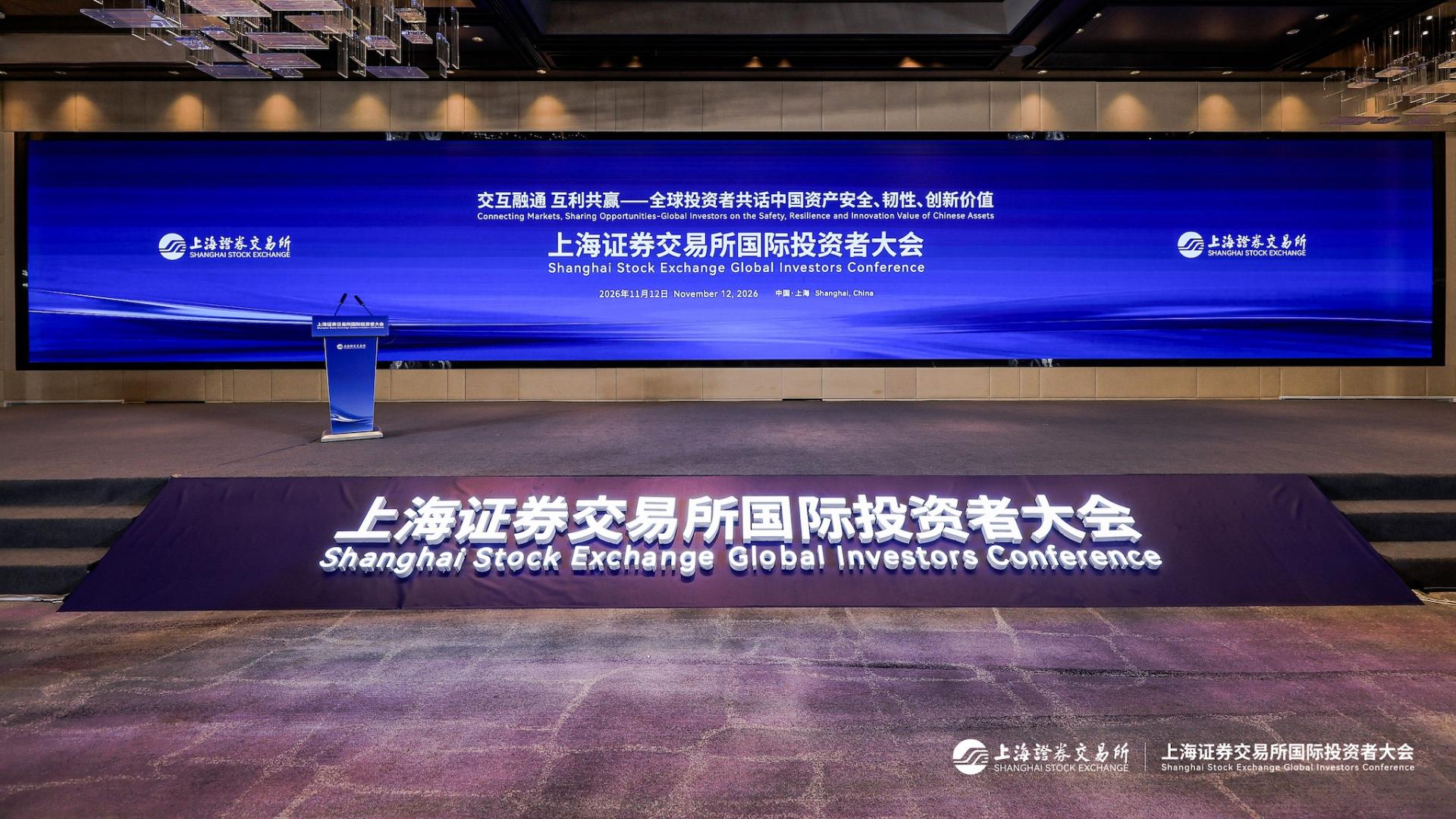
What will drive the next wave of investment in China? Global investors meeting in Shanghai are assessing the opportunities in Chinese businesses. Their discussions focus on technological innovation, long-term returns and access to the country’s capital markets. CGTN’s Zhang Siran reports.
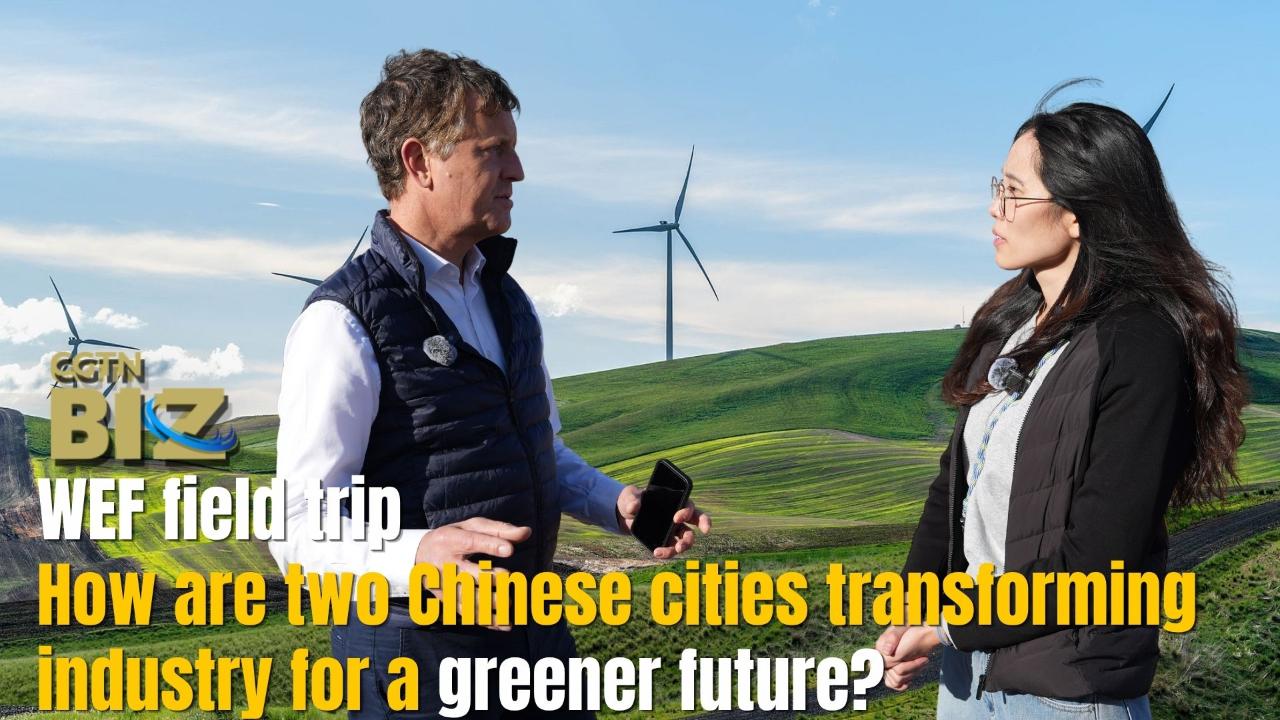
How can industrial cities cut emissions while staying competitive? CGTN reporter Yu Bokun joins Jörgen Sandström of the World Economic Forum on a field trip to Dalian and Ordos, exploring two cities and two distinct paths to a greener industrial future.
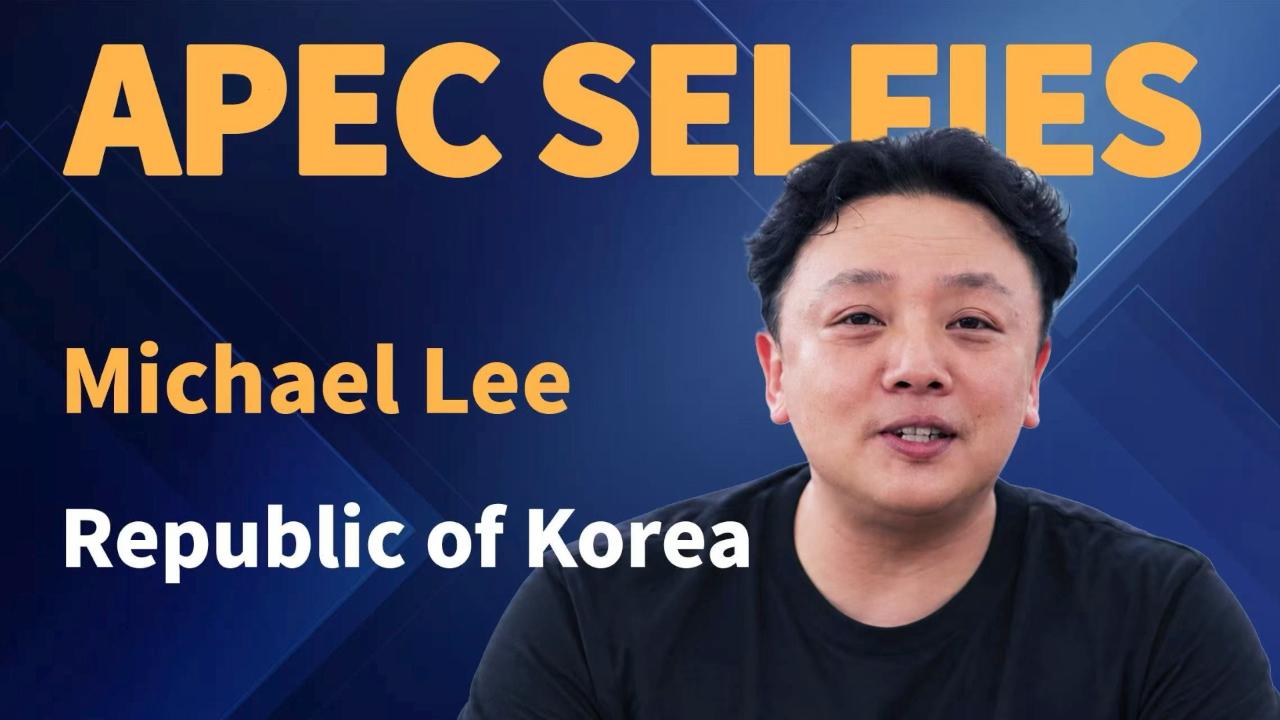
Entrepreneur Michael Lee from the Republic of Korea came to China in 2003. More than two decades later, he now calls Quanzhou in Fujian Province his home. In Jinjiang, a county-level city under Quanzhou and one of China's leading footwear manufacturing hubs, he found a world-class supply chain, constant innovation, and the opportunity to build his own business.
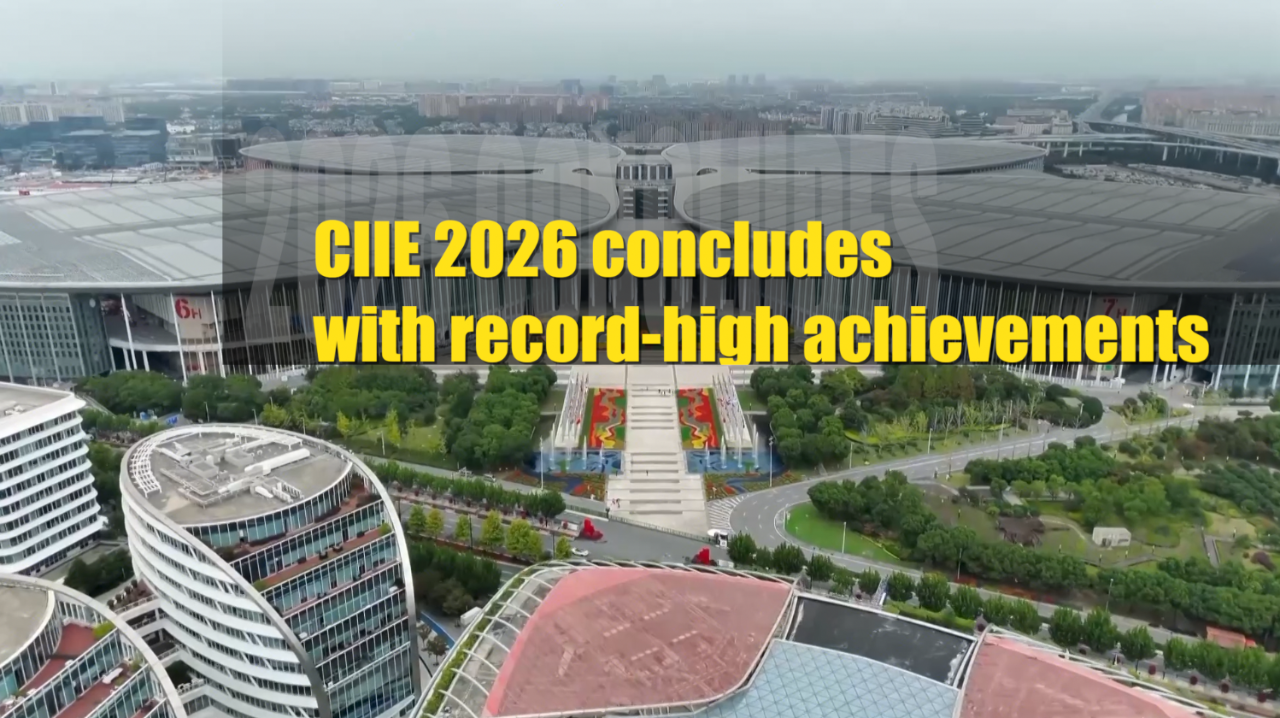
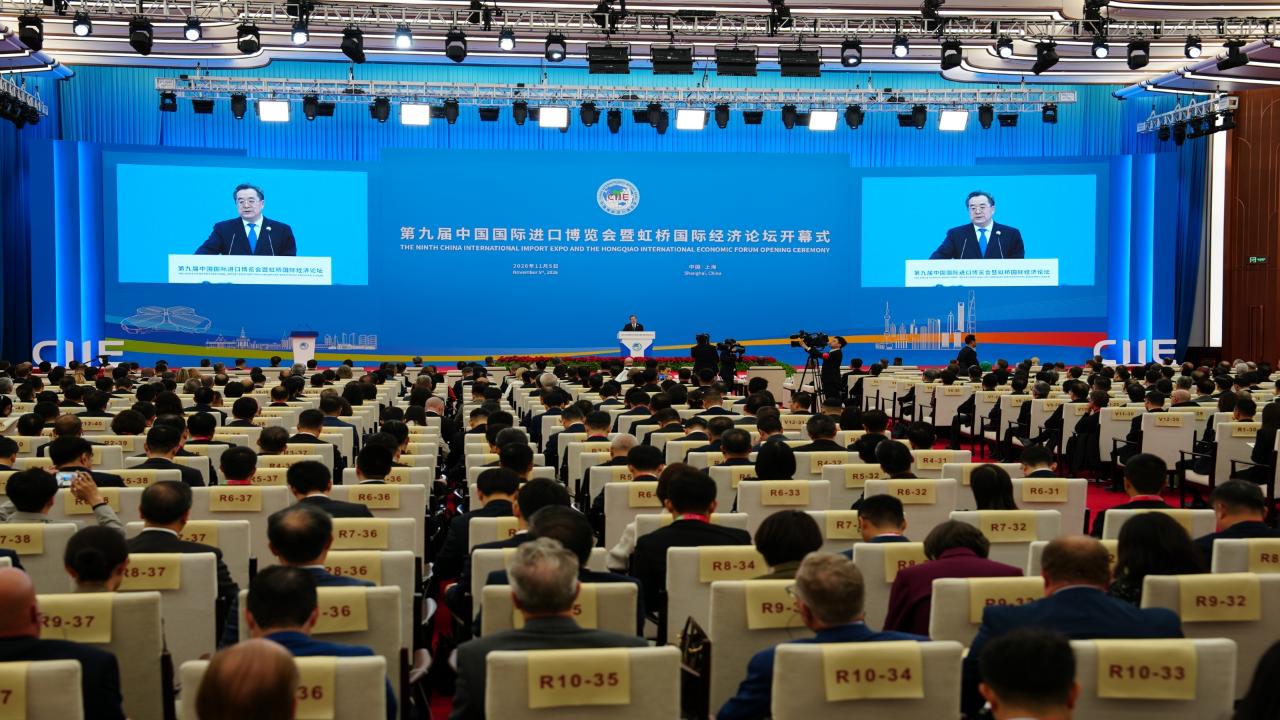
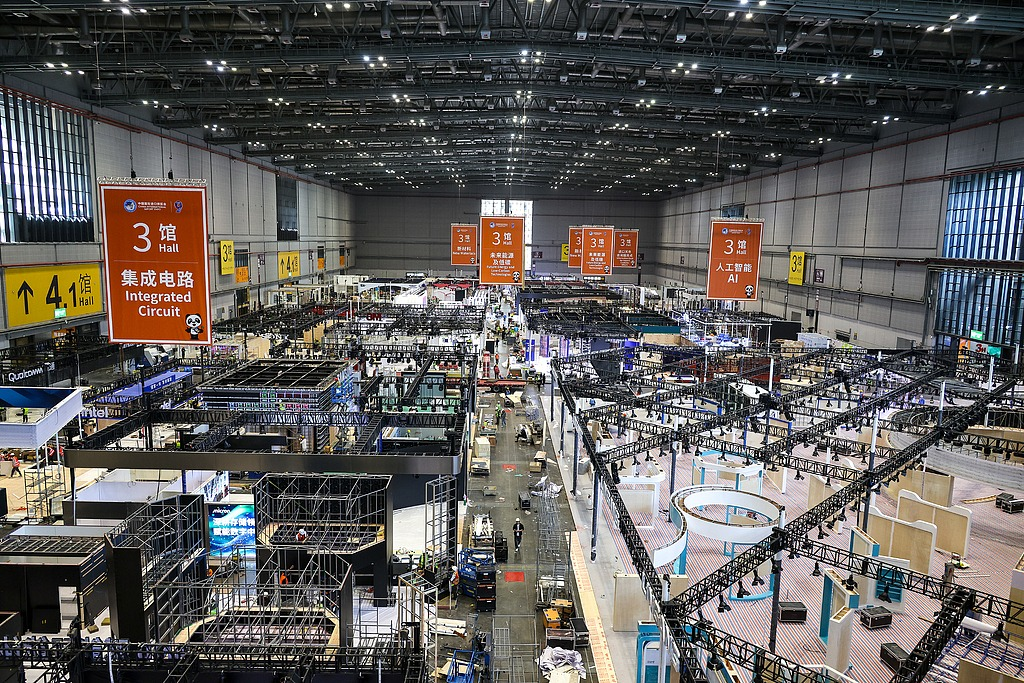
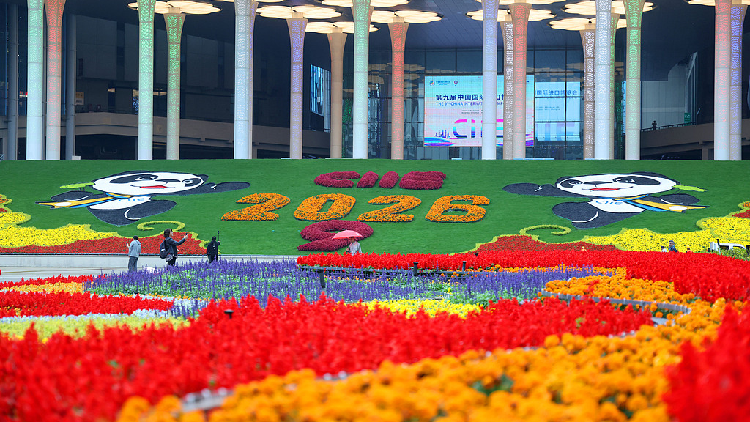
The ninth China International Import Expo (CIIE) concluded in Shanghai on November 10, with the value of one-year intended deals reaching a record high of 85.45 billion U.S. dollars, up 2.3% from the previous edition. This year's expo attracted a record 4,142 exhibitors, and its business exhibition area reached a record 370,000 square meters. For the first time, the number of participating Fortune Global 500 companies and industry leaders exceeded 300.
Editor's note: Zhao Jiyou is Party Committee Secretary of the Latin America Branch of China Railway No. 10 Engineering Group Co., Ltd. The views expressed in this article are the author's own and not necessarily those of CGTN. It has been translated from Chinese and edited for brevity and clarity.
CGTN presents a special series on the role of China's centrally administered SOEs in the Asia-Pacific, in collaboration with China's State-owned Assets Supervision and Administration Commission (SASAC). The series explores their contributions to regional connectivity, green transition, the digital economy, industrial cooperation and people's livelihoods, with insights on building a shared future for the region.
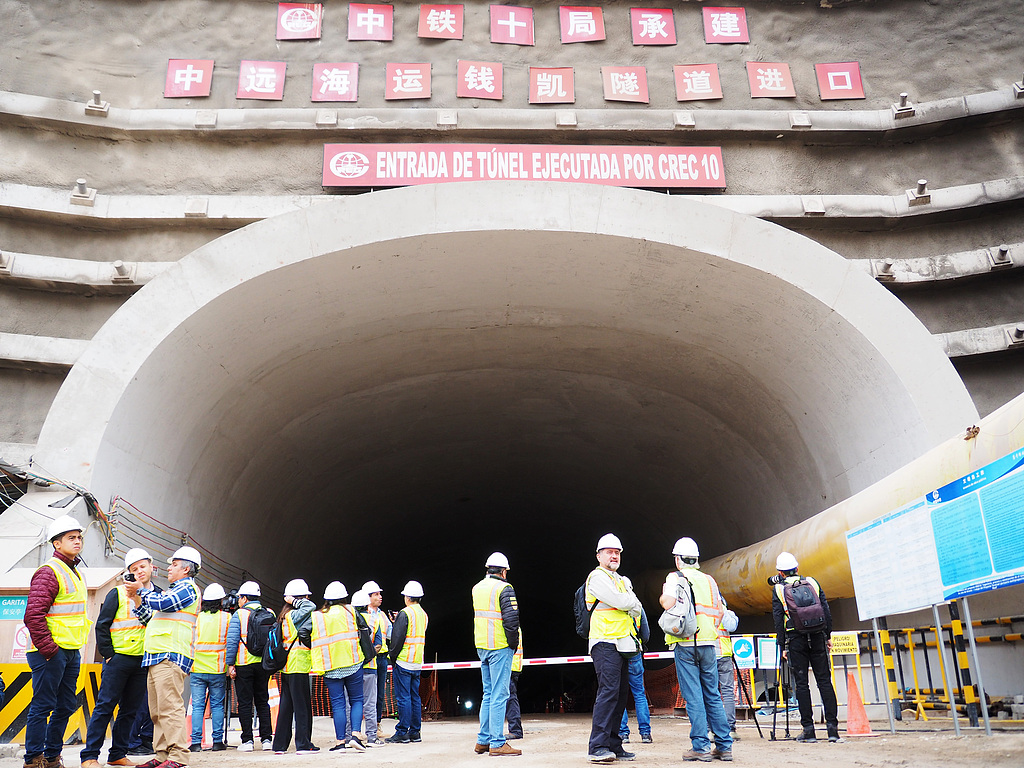
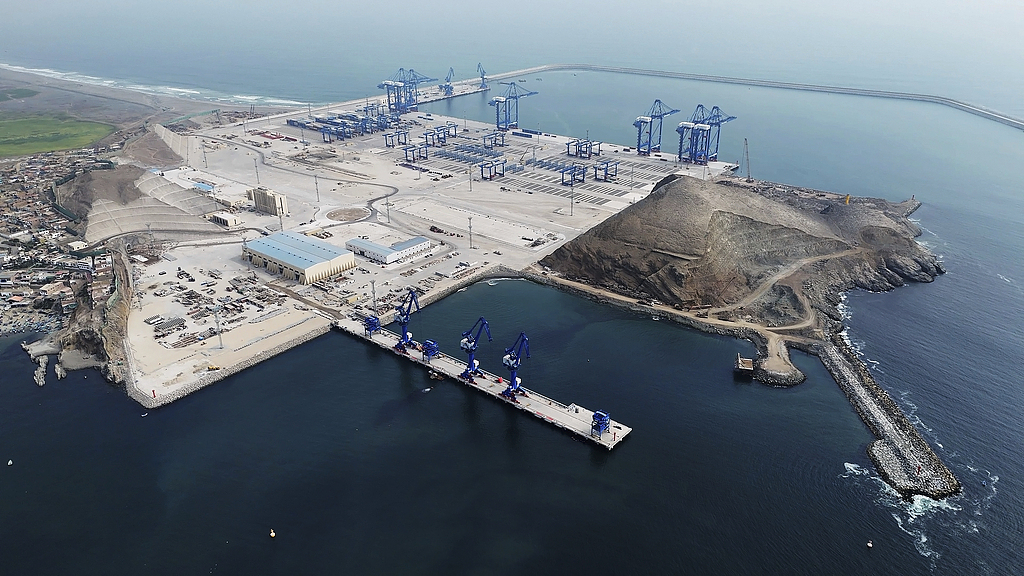
This year marks China's third time hosting the APEC Economic Leaders' Meeting. With the 33rd APEC Economic Leaders' Meeting scheduled for November in Shenzhen, the vision of "building an Asia-Pacific community with a shared future" is once again in the global spotlight. As a Chinese central state-owned enterprise with a long-standing presence in APEC member economies such as Peru and Chile, the Latin America Branch of China Railway No. 10 Engineering Group is providing a vivid illustration of this vision through a series of tangible infrastructure projects.
Connectivity is about more than building roads; it is about bringing people closer together. In Peru's northwestern Piura Region, we are undertaking a 40.9-kilometer road improvement project linking the towns of Yapatera and Frías.
Originating at the Pan-American Highway, the route connects the districts of Chulucanas and Frías. As a vital arterial route for local livelihoods, the road had long fallen into disrepair. Every rainy season, it turned into an impassable mud track, impeding daily travel and the transport of agricultural goods for nearby communities.
We are currently reinforcing the roadbed and paving the surface in sections, while simultaneously upgrading drainage and road safety infrastructure. Once completed, the road will allow local produce to reach markets and agricultural supplies to flow into villages. Transit between the two districts will no longer be at the mercy of the weather.
In Ayacucho, at an altitude of 4,500 meters, we completed the rehabilitation and maintenance of 132 kilometers of mountain roads, transforming narrow, slippery dirt tracks into a smooth thoroughfare connecting two regions. Having passed Peru's final inspection and official handover, the project now benefits local residents and supports regional economic development along the route.
Connectivity is not simply about roads; ultimately, it is about people.
In Peru's Amazonas Region, we partnered with the United Nations Office for Project Services (UNOPS) on the construction of the new Santiago Apóstol Hospital in Utcubamba, a project designed to improve local healthcare access. More than 500 community members attended the groundbreaking ceremony in March 2026.
In Chile, we won the contract for Santiago's Alameda–Barrancas railway branch line and dispatching center. The project involves constructing new passing loops and dispatch facilities for Empresa de los Ferrocarriles del Estado (EFE), helping improve the quality and efficiency of rail transport across the Santiago metropolitan area.
Our earlier work on the San Pedro–Ventanas railway rehabilitation and the Chañaral Bridge project earned EFE's Outstanding Project Award and Safe Construction Site Award, respectively.
From roads to railways, and from construction to maintenance, the most important lesson we have learned is this: wherever we build, friendship takes root; wherever infrastructure connects, people grow closer.
Building an Asia-Pacific community with a shared future requires not only the "hard connectivity" of physical infrastructure but also the "soft connectivity" of closer people-to-people ties.
Drawing on our international practice, we work to align standards and ensure full-lifecycle performance across all our projects. We are also committed to delivering more small-scale yet impactful projects that improve people's livelihoods, ensuring the dividends of connectivity are tangible and accessible to local communities.
At the same time, we prioritize local hiring and provide skills training for local workers, turning the benefits of joint development into local employment and growth opportunities. We also promote green and smart construction practices, drawing on Chinese technologies and solutions to support sustainable development throughout the Asia-Pacific region.
The Pacific is vast enough for all parties to prosper together. The Latin America Branch of China Railway No. 10 Engineering Group Co., Ltd. will continue to deepen its presence in Latin America while strengthening connections across the Asia-Pacific region. By paving roads and delivering goodwill, we will continue to demonstrate the commitment and responsibility of China's central state-owned enterprises in jointly building an Asia-Pacific community with a shared future.
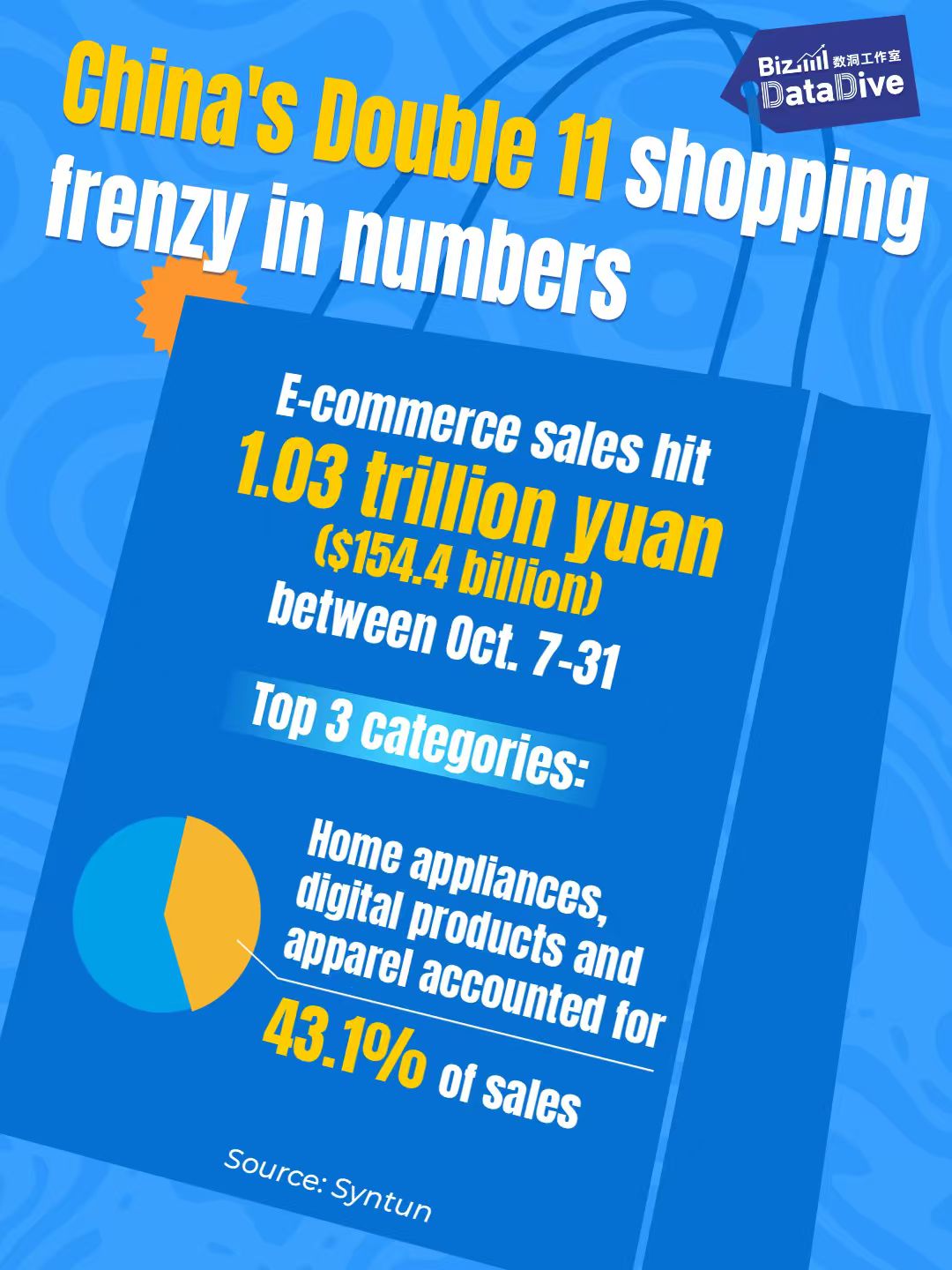
China's Double 11 shopping season offers a glimpse into the country's consumer boom, with token packages emerging as a new shopping trend. Check out the posters for more!
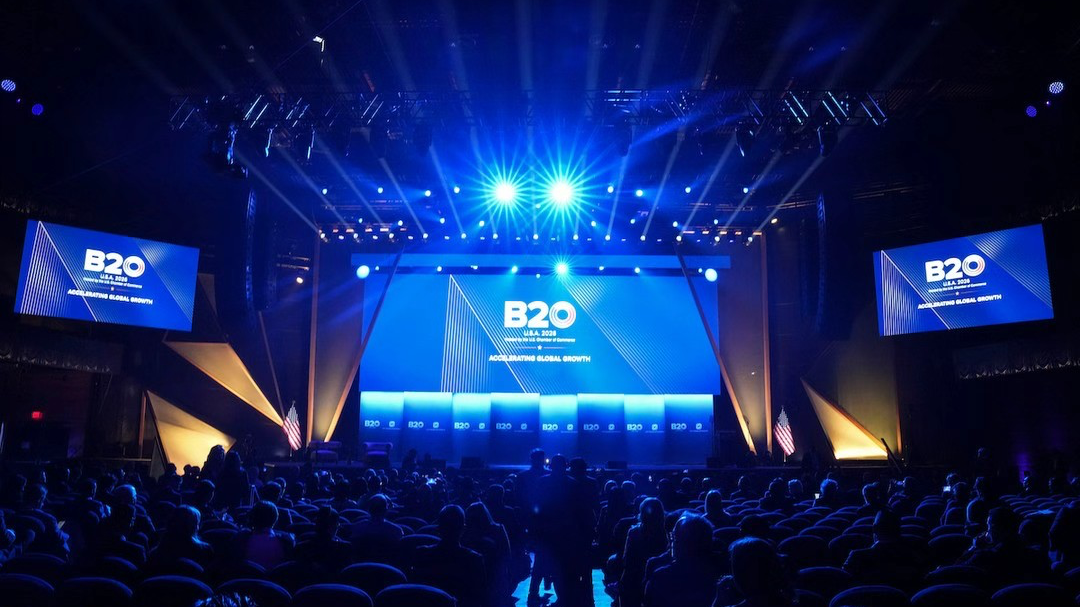
As governments prepare for the G20 Leaders' Summit in Miami, Florida, USA, the global business community has delivered a clear message from Washington: stronger growth requires governments to remove barriers and partner with the private sector. The B20 USA Summit, held in the US capital from November 9 to 11 and hosted by the US Chamber of Commerce, brought together nearly 5,000 delegates representing economies that account for roughly 85% of global GDP and 75% of global trade. Under the theme "Accelerating Global Growth," the summit focused on four pillars: economic growth, innovation, trade and energy.
The summit's policy recommendations include reducing regulatory barriers, expanding technical education, scaling AI adoption, strengthening fiscal discipline, modernizing global trade institutions and promoting predictable digital trade.
Growth is a choice
The summit's central message was crystallized by Suzanne P. Clark, president and CEO of the US Chamber of Commerce and co-chair of B20 USA. Framing growth as a responsibility to the next generation, Clark said growth is an imperative and a choice. She urged executives to work with governments to remove policy barriers and advance investment and partnerships.
China's participation in the B20 process
China's participation in the B20 process is being coordinated by the China Council for the Promotion of International Trade (CCPIT), which has organized Chinese companies to engage across the B20's four workstreams: growth, innovation, trade and energy.
As the recommendations now move from Washington to the G20 table, the summit's message to policymakers is clear: the tools for faster growth already exist. What remains is the political will to clear the path.
Xiamen is a coastal city in China. The ocean economy accounts for over 30% of the city's GDP. Right now, the 2026 World Ocean Week held in Xiamen is connecting that local blue economy to the world.
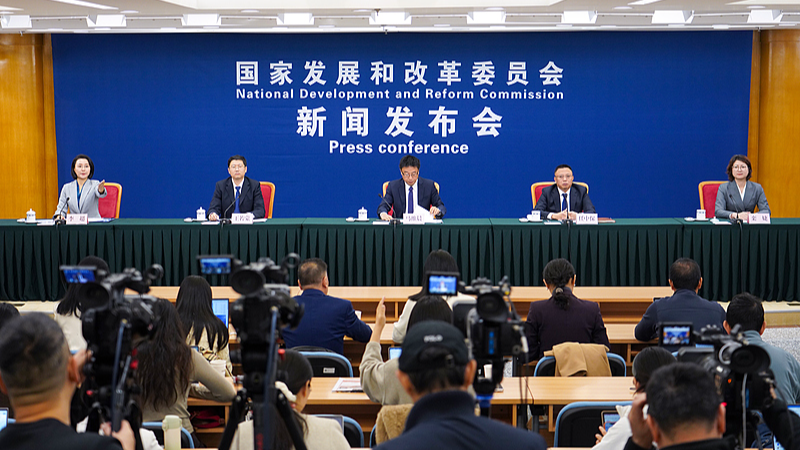
China has signed Belt and Road Initiative (BRI) cooperation documents with more than 150 countries and over 30 international organizations, covering three-quarters of the world's nations and major international bodies, according to an official from China's top economic planner on Wednesday.
Liang Linchong, director-general of the Department of Regional Opening-up of the National Development and Reform Commission, announced the milestone at a press conference.
Since China proposed the BRI in 2013, it has been widely recognized for opening new avenues for global economic growth.
According to a report, titled "Building an Open World Economy Through Belt and Road Cooperation," released by a think tank on Tuesday, high-quality BRI cooperation exemplifies China's commitment to opening up as a fundamental national policy and to a mutually beneficial strategy of openness.
The report noted that countries are more interdependent than ever, creating major opportunities to address global problems through openness and cooperation.
Amid these changes, it said, China's approach is to consider both domestic and international conditions, expand high-standard opening up, and build global development partnerships.
In this way, China seeks to turn challenges into a powerful impetus for an open world economy and realize a vision of inclusive development and mutual benefit for all, said the report.
China's fast pace of innovation is creating opportunities beyond its own market. Richard Allen, CEO of a New Zealand dairy giant, says the ability to innovate quickly is something his company has learned in China, and that this experience is also valuable in other markets, including Southeast Asia.
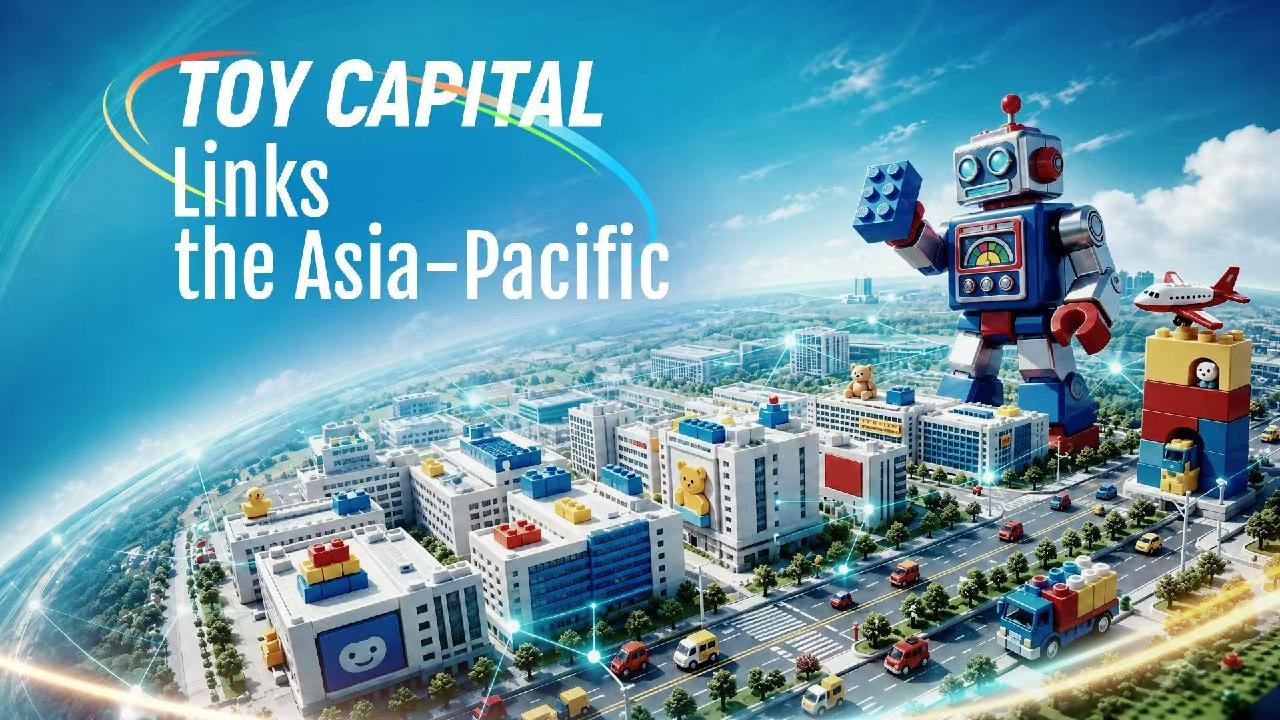
Did you know that one out of every three plastic toys worldwide comes from Shantou, a city in China's Guangdong Province? Its success stretches far beyond local borders. These toys are weaving connections across the Asia-Pacific. In this episode of "Making It Together — China's Guangdong Industrial Clusters and APEC," CGTN takes an in-depth look at this global toy hub.
From interactive smart bins to public installations that respond to emotions, Australian product designer and Sencity co-founder Steven Bai is exploring how AI can be integrated into streets, buildings and public spaces — taking technology beyond screens and into everyday life. From conceiving his startup idea to putting down roots in the Guangdong-Hong Kong-Macao Greater Bay Area, he is drawing on China's well-developed manufacturing ecosystem to bring Physical AI innovations to global markets.
Finland's Consul General in Shanghai, Joonas Heiskanen, told CGTN that Finland, as an European Union member, hopes for balanced and mutually beneficial trade between China and the EU. He noted that Finnish companies have built mutually beneficial partnerships with their Chinese counterparts and enjoy broad prospects for future growth.
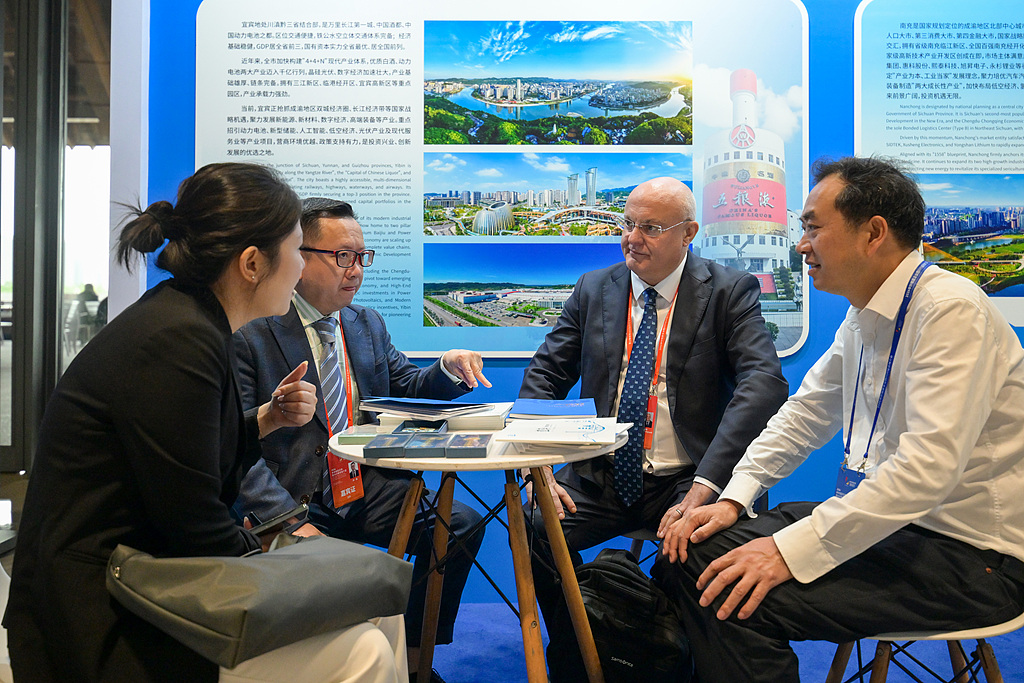
At the 2026 China International Import Expo, companies from across APEC economies are well represented. But for some exhibitors, the goal goes beyond tapping into the Chinese market. They are also looking to reach a wider global audience.
Editor's note: Su Ling is a research fellow and associate senior editor at the Institute of Party History and Literature of the Communist Party of China (CPC) Central Committee. The views expressed are the authors' own and do not necessarily reflect those of CGTN. It has been translated from Chinese and edited for brevity and clarity.
Corruption is a major hurdle and stumbling block to the development of the Communist Party of China (CPC) and the nation. Yet, there are mixed views across society on the fight against corruption.
"Worms breed only in decaying matter," the saying goes. Combating corruption, building clean governance and preserving the Party's organizational health have long represented a clear political commitment of the CPC.
History provides ample evidence that if corruption is allowed to spread unchecked, it will ultimately lead to the collapse of both party and state.
Corruption creates no social value whatsoever; it merely transfers public resources from the people into the pockets of a privileged few while driving up the institutional costs of market transactions.
The question that truly deserves pondering has never been whether the fight against corruption holds back the economy. The real issue is that the "economic growth" spawned by unchecked corruption ultimately serves only the selfish interests of a privileged few.
Corruption is never a lubricant for the economy. It is a cancer eating away at the market from within. Short-term gains obtained through kickbacks and backroom deals come at the expense of legitimate businesses, squeezing their operating space and undermining fair competition.
When resource allocation is based on personal connections rather than capability, law-abiding enterprises are forced to shoulder additional illicit costs. This steadily drains the market of its vitality, inflicting deep and lasting harm on the economy's long-term, healthy development.
"Remove one harmful weed, and countless crops flourish; punish one wicked man, and the people rejoice," the saying goes. Anti-corruption efforts are not a stumbling block to economic development. On the contrary, they serve as a ballast that ensures steady, sustainable economic growth over the long run.
Pressing ahead with the anti-corruption campaign means closing off opportunities for rent-seeking, severing chains of benefit transfers and dismantling hidden market barriers, allowing all market actors to benefit from policy dividends equitably.
As the artificial prosperity once sustained by corruption fades away, it is proof that the economy is returning to a sound footing. Only by advancing the fight against corruption can China firmly safeguard fairness and justice in the market order and the social environment, making sure that the fruits of development genuinely benefit the people.
Facts have clearly shown that anti-corruption efforts are not a drag on economic development. It is precisely because the CPC has relentlessly pursued its anti-corruption campaign that China has achieved resounding economic and social progress while consolidating the overarching framework of reform, development and stability.
China must remain uncompromising in the country's zero-tolerance approach to corruption, sustain strong pressure in the fight against corruption, and continuously improve people's livelihoods, thereby providing a steady stream of powerful impetus for high-quality economic development.
China's consumer price index (CPI) rose 0.7% year on year in October, while remaining flat month on month, according to data released by the National Bureau of Statistics (NBS) on Monday.
In the first 10 months of the year, CPI on average was up 0.9% from a year earlier.
The producer price index (PPI) increased 5.7% year on year in October, up 0.7% month on month. Industrial input prices rose 7.9% year on year and 1.1% month on month. In the January-October period, PPI was up 2.7% from a year earlier on average, while industrial input prices rose 4%.
Dong Lijuan, chief statistician at the NBS Urban Surveys Department, said the CPI shifted from increasing to unchanged month on month in October, while the PPI rose 0.7% month on month. Within the industrial consumer goods category, CPI was affected by changes in international market prices as domestic gasoline prices rose 4.2%, contributing approximately 0.14 percentage point to the month-on-month CPI increase.
The increase in travelers during the National Day holiday in October helped push up service prices by 0.1%, adding about 0.04 percentage point to the month-on-month CPI increase. Among food items, prices of eggs, fresh vegetables and fresh fruits all declined, together dragging the month-on-month CPI down by about 0.13 percentage point.
October PPI rose 0.7% month-on-month, 0.5 percentage point slower than September.
Rising international energy prices drove up prices in the domestic oil and natural gas extraction industry and the coal mining and washing industry by 6% and 2.7%, respectively, the NBS said.
Higher upstream basic energy prices and the stronger demand for thermal coal and gas during the critical preparation period for the winter peak also pushed up prices in downstream refined petroleum product manufacturing, organic chemical raw material manufacturing, coal processing, and gas production and supply. Together, these six industries contributed about 0.61 percentage point to the month-on-month PPI increase, accounting for more than 80% of the total gain.
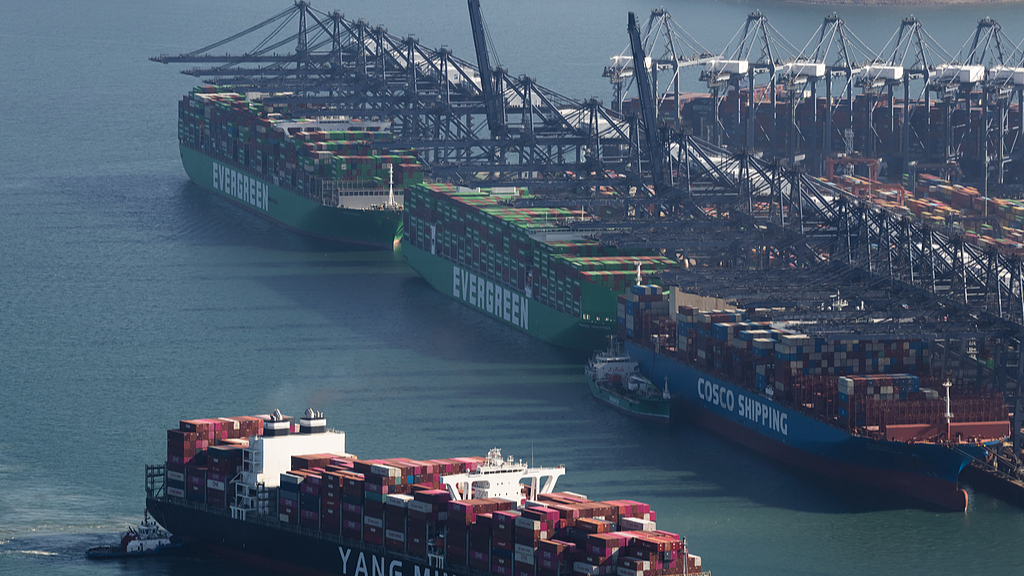
China's Ministry of Transport on Monday announced it will continue to suspend the collection of special port fees on US ships and suspend its investigation into the impact on the security and development interests of the shipping and shipbuilding industries and related industrial and supply chains until January 10, 2027.
The decision, approved by the State Council, implements the outcomes of the eighth round of China-US economic and trade consultations, according to an announcement released by the ministry.
The suspension involves three documents released in 2025, namely the ministry's announcement on collecting special port fees from US ships, the related implementation measures issued by the ministry's general office, and the ministry's announcement on launching the investigation.
China first announced a one-year suspension of the special port fees and the probe on November 10, 2025, in line with the consensus reached during China-US economic and trade talks in Kuala Lumpur, Malaysia.
The move then was synchronized with the US side's suspension of the final measures of its Section 301 investigation into China's maritime, logistics and shipbuilding sectors.
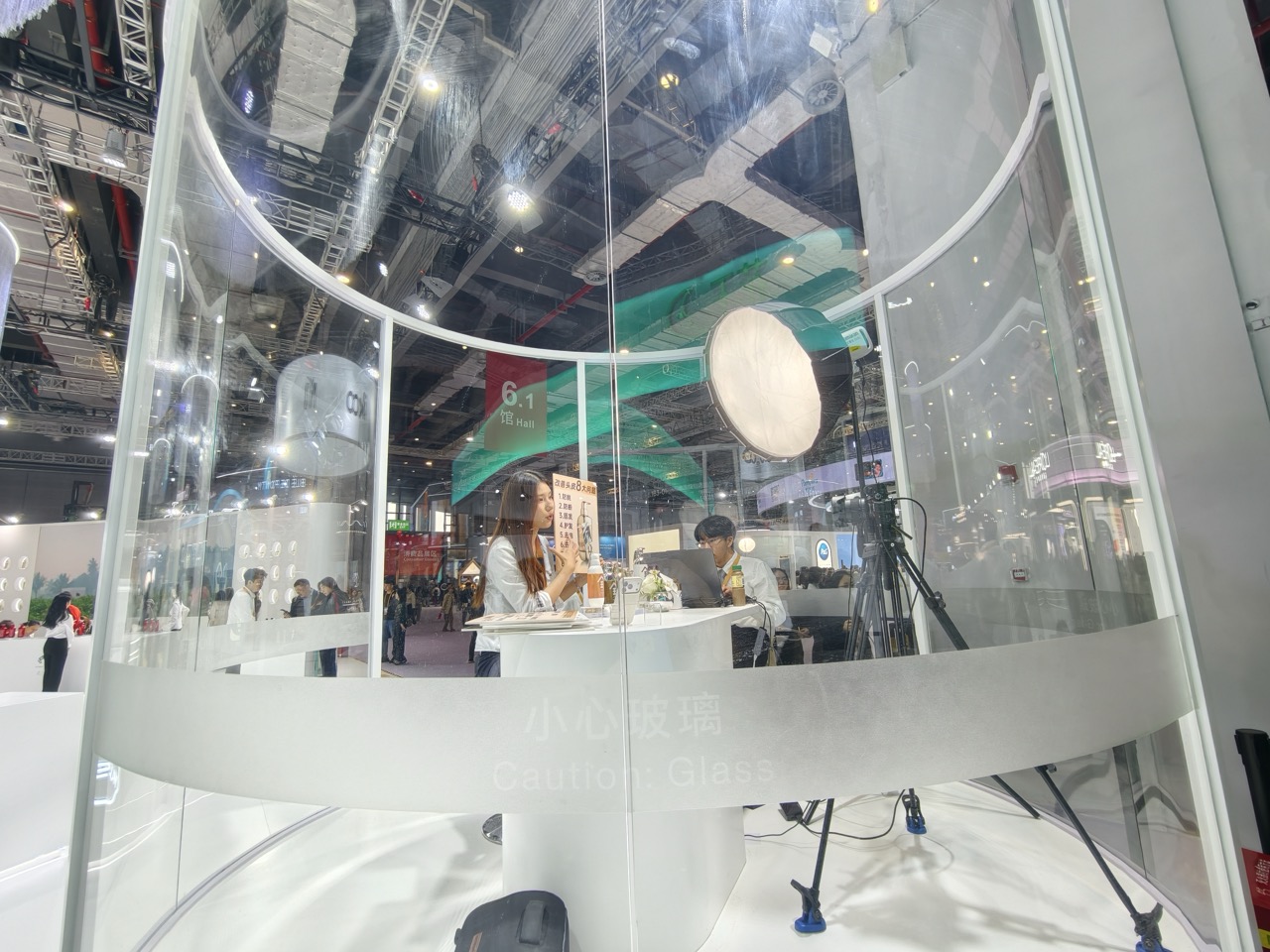
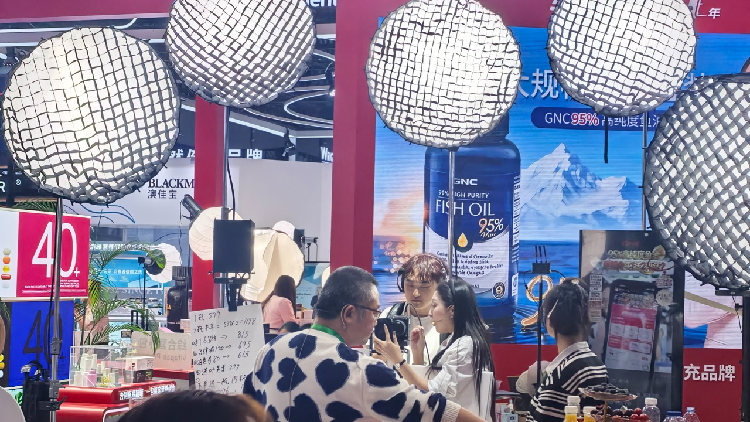
From cutting-edge technology to everyday consumer goods, almost everything is going live at this year’s China International Import Expo!
Livestreaming is turning exhibition booths into virtual shopping windows, connecting global brands with millions of Chinese consumers in real time. With live demonstrations, interactive experiences and instant purchases, CIIE is not just showcasing products – it’s creating new opportunities to boost consumption and bring global products closer to Chinese shoppers.
A presenter holds up a chart about hair care inside a glass-walled livestream studio at the ninth CIIE in Shanghai, November 2026. /CGTN
A presenter holds up a chart about hair care inside a glass-walled livestream studio at the ninth CIIE in Shanghai, November 2026. /CGTN
A presenter holds up a chart about hair care inside a glass-walled livestream studio at the ninth CIIE in Shanghai, November 2026. /CGTN
A presenter holds up a chart about hair care inside a glass-walled livestream studio at the ninth CIIE in Shanghai, November 2026. /CGTN
A presenter holds up a chart about hair care inside a glass-walled livestream studio at the ninth CIIE in Shanghai, November 2026. /CGTN
A presenter holds up a chart about hair care inside a glass-walled livestream studio at the ninth CIIE in Shanghai, November 2026. /CGTN
A presenter holds up a chart about hair care inside a glass-walled livestream studio at the ninth CIIE in Shanghai, November 2026. /CGTN
A presenter holds up a chart about hair care inside a glass-walled livestream studio at the ninth CIIE in Shanghai, November 2026. /CGTN
A presenter holds up a chart about hair care inside a glass-walled livestream studio at the ninth CIIE in Shanghai, November 2026. /CGTN
A presenter holds up a chart about hair care inside a glass-walled livestream studio at the ninth CIIE in Shanghai, November 2026. /CGTN
A presenter holds up a chart about hair care inside a glass-walled livestream studio at the ninth CIIE in Shanghai, November 2026. /CGTN
The 9th China International Import Expo offers a window into China's evolving market opportunities. As the country moves beyond traditional advantages, how are global companies adapting and finding new ways to grow? CGTN's Cao Chufeng spoke with executives from multinational companies with a long track record in China.
New Zealand is renowned worldwide for its agricultural products, but its beauty products are also gaining popularity in China following the introduction of a new protocol. CGTN spoke to Liam Corkery, who is debuting new beauty products at the China International Import Expo.
The supply chain behind an electric vehicle sold in Southeast Asia can stretch across continents: nickel from Indonesia, lithium from Chile, investment and manufacturing expertise from across Asia and a growing regional market bringing these elements together. It is a reminder that the economic value of a product increasingly lies not in any single country's resources or factories, but in the connections between them.
Across the Asia-Pacific, economies are drawing on their respective strengths to build more integrated industrial networks, moving beyond the simple exchange of raw materials and finished goods. From mineral processing to vehicle manufacturing and battery supply, these links are creating opportunities for investment, technology transfer and industrial development across the region.
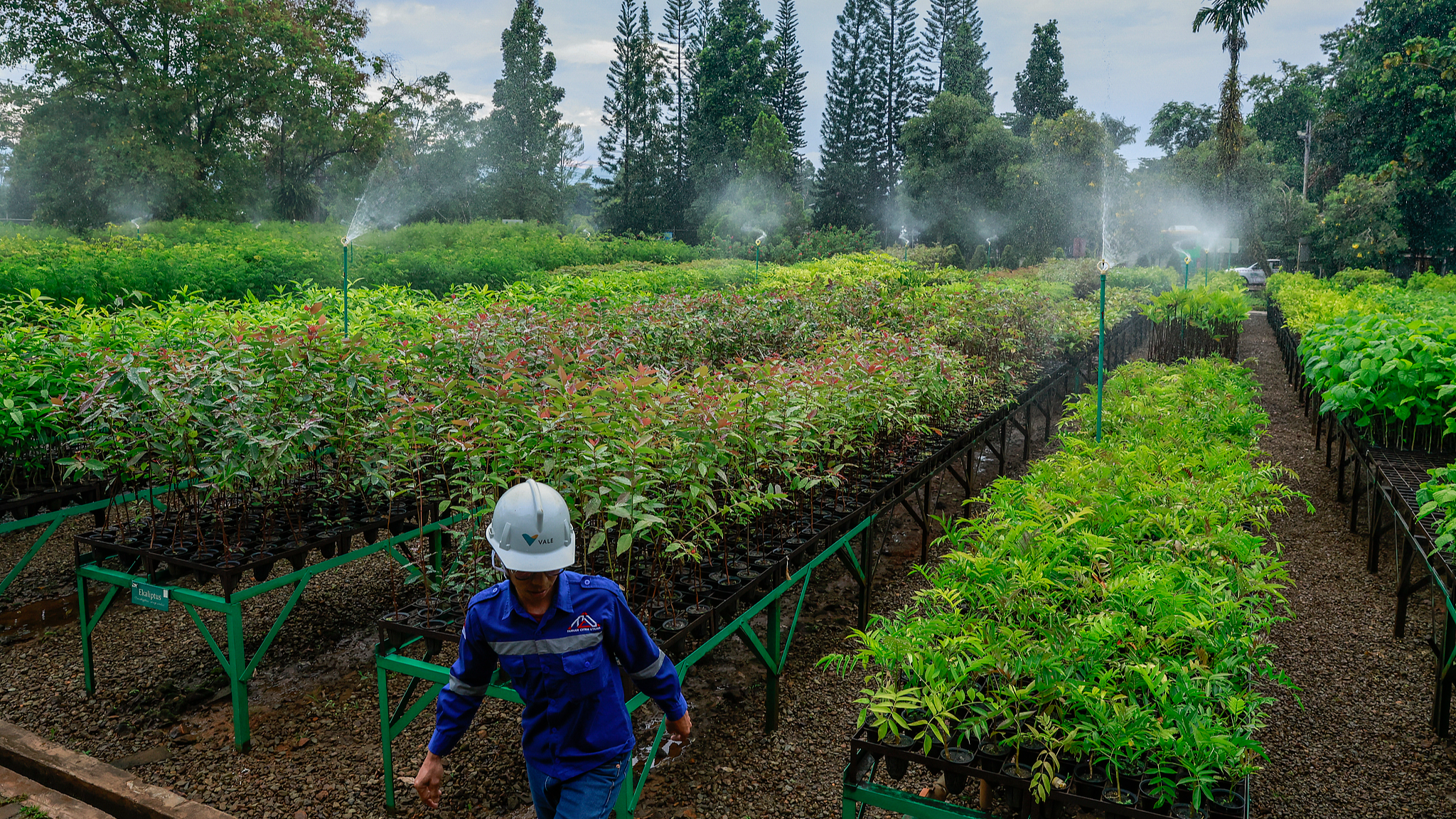
Indonesia offers a striking example of how a resource-rich economy can seek a greater role in global industry. As the world's leading nickel producer, Indonesia saw its mined nickel output increase by an estimated 13% in 2025, according to the US Geological Survey. The country has attracted investment in domestic smelting and processing, seeking to turn its mineral resources into higher-value products rather than relying on raw ore exports.
Nickel is widely used in stainless steel and is also an important material in some electric vehicle batteries. By expanding its processing capacity, Indonesia is positioning itself to participate in a broader industrial chain that connects mineral extraction with battery production and vehicle manufacturing. Its resources can complement the technological expertise, investment and manufacturing capabilities available elsewhere in Asia.
That cooperation is unfolding alongside the rapid expansion of Southeast Asia's electric vehicle market. Sales of electric cars in the region more than doubled in 2025 to exceed half a million, with such vehicles accounting for nearly one in five new cars sold, according to the International Energy Agency (IEA). Vietnam, Indonesia and Thailand were among the markets leading the growth.
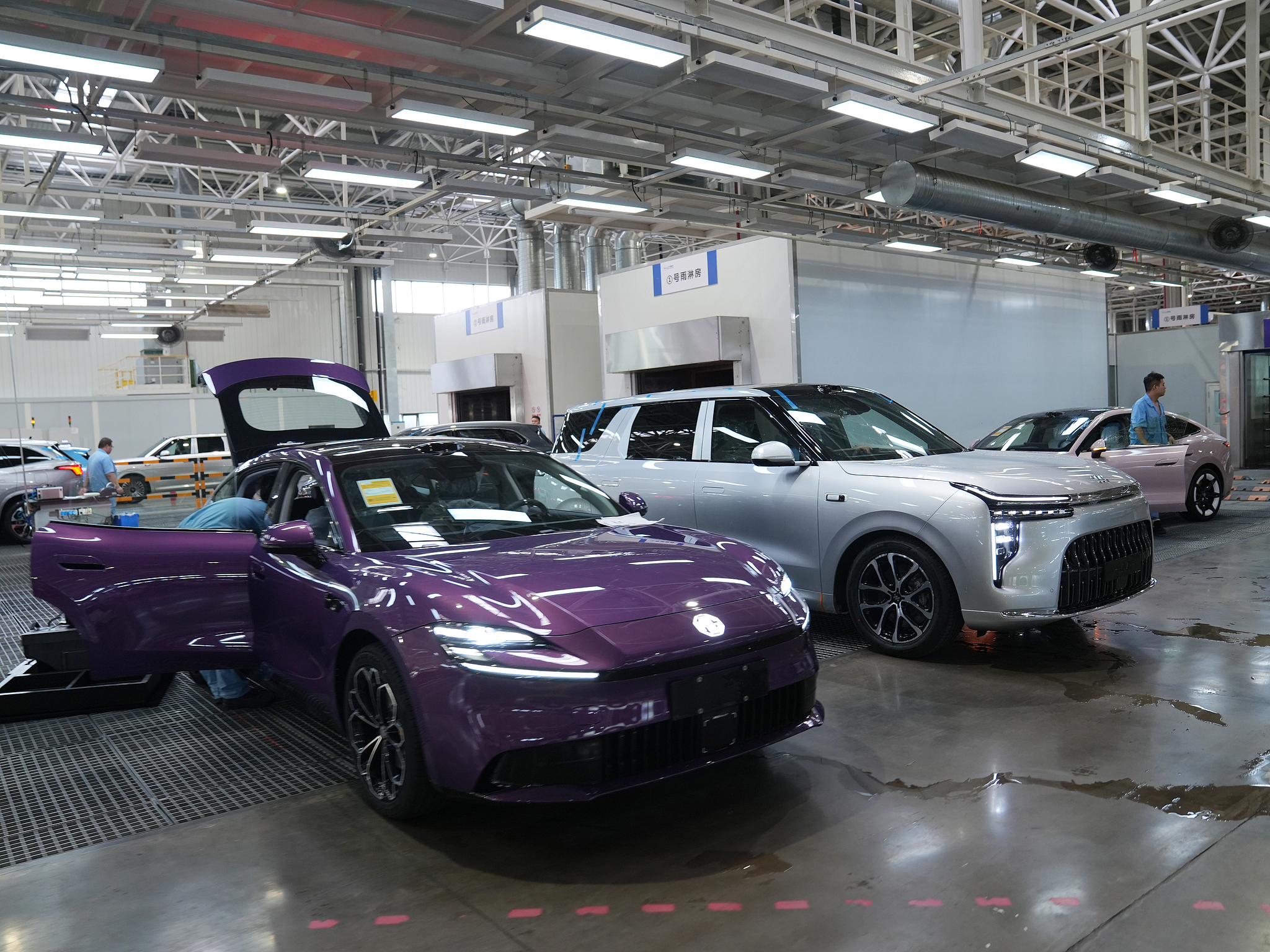
The expanding market is attracting automakers and suppliers to the region, creating opportunities to develop local production and connect manufacturers with regional supply networks. Chinese carmakers have become an increasingly important part of this development. More than half of the electric cars sold in Southeast Asia in 2025 were Chinese brands, while manufacturers have also been expanding production facilities in the region, the IEA said.
This creates a broader economic relationship: Indonesia's mineral resources can support battery-related industries, while Southeast Asia's growing consumer markets and manufacturing base provide opportunities for investment and production. The benefits can extend beyond vehicle makers to suppliers, workers and businesses involved in components and related services.
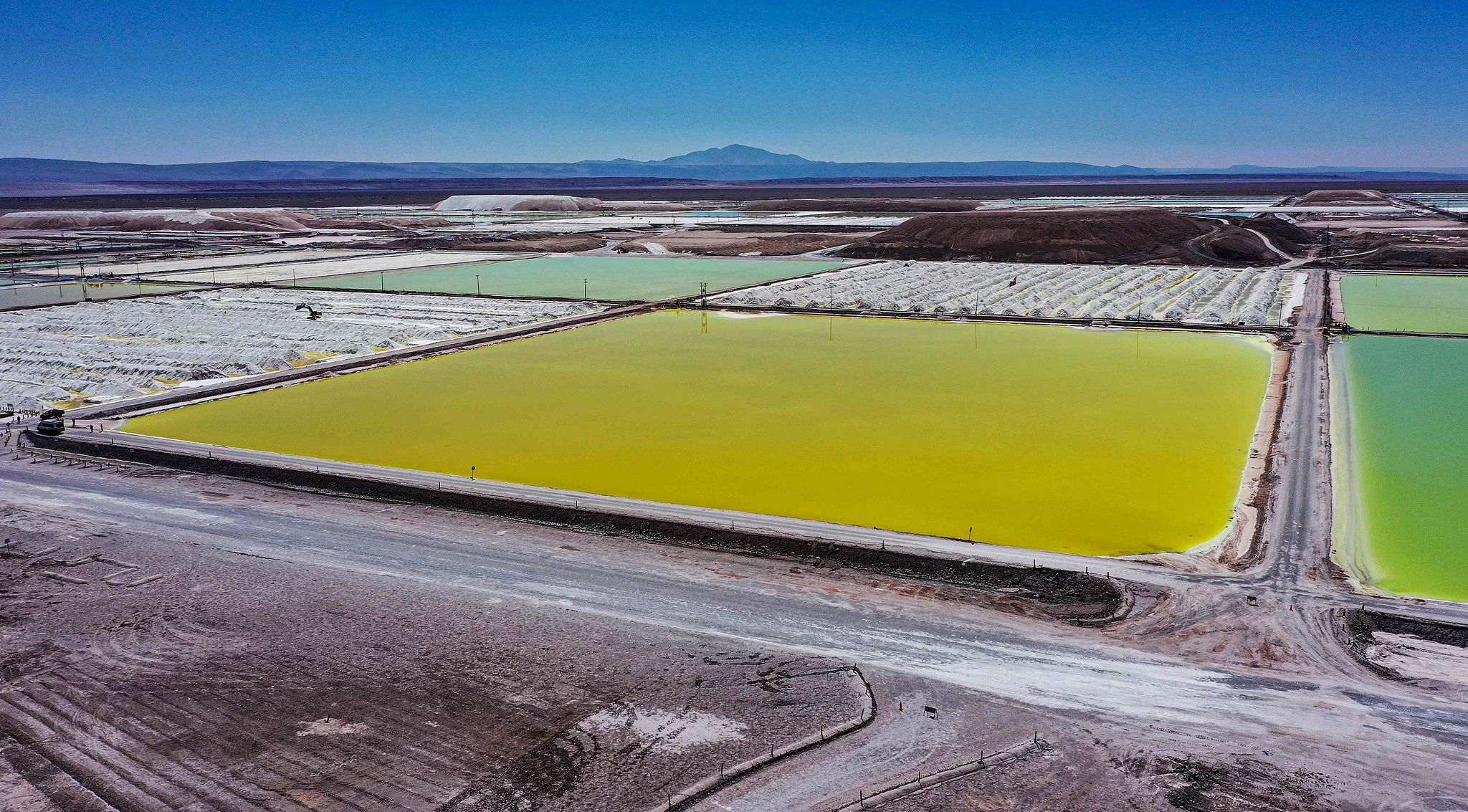
Further across the Pacific, Chile is seeking to turn its mineral wealth into a stronger domestic industry. A major producer of copper and lithium, the South American economy supplies materials essential to electrification, from power grids and electric motors to rechargeable batteries. Asia received 95% of Chile's lithium exports in 2025, with China accounting for 67%, according to the country's Subsecretariat of International Economic Relations.
But Chile's ambition extends beyond supplying overseas manufacturers. Its National Lithium Strategy aims to attract capital and technology, expand production and promote the development of downstream industries. A partnership between state-owned copper producer Codelco and lithium company SQM is a key part of that effort, combining public-sector participation with private-sector expertise to develop lithium resources.
Canada is also working to build a more complete domestic supply chain, connecting its mineral resources with processing and advanced manufacturing. As of March 2025, the country had 31 critical mineral processing facilities and 171 advanced projects, including 28 processing projects, according to the Canadian government. Its NextStar Energy battery plant in Ontario, backed by an investment of 5 billion Canadian dollars ($3.54 billion), began producing electric vehicle battery modules in 2024 and battery cells for energy storage systems in November 2025. The project reflects a broader effort to turn Canada's mineral resources into a foundation for advanced manufacturing.
From Indonesia's nickel processing and Southeast Asia's expanding vehicle industry to Chile's mineral exports, these connections show how economies can turn their individual advantages into shared opportunities. When resources, investment, technology and markets reinforce one another, cooperation can create value across borders and give more economies a stake in the growth of the Asia-Pacific.
The American Food and Agriculture Pavilion officially opened at the 9th China International Import Expo (CIIE) in Shanghai on November 6.
Organized by AmCham Shanghai and the US Department of Agriculture, this marks the pavilion's fourth year at the expo. And it's off to a roaring start, with a record 40-plus trade associations and companies participating, and more than $650 million in deals signed on day one for products like sorghum, wheat, beef and animal nutrition.
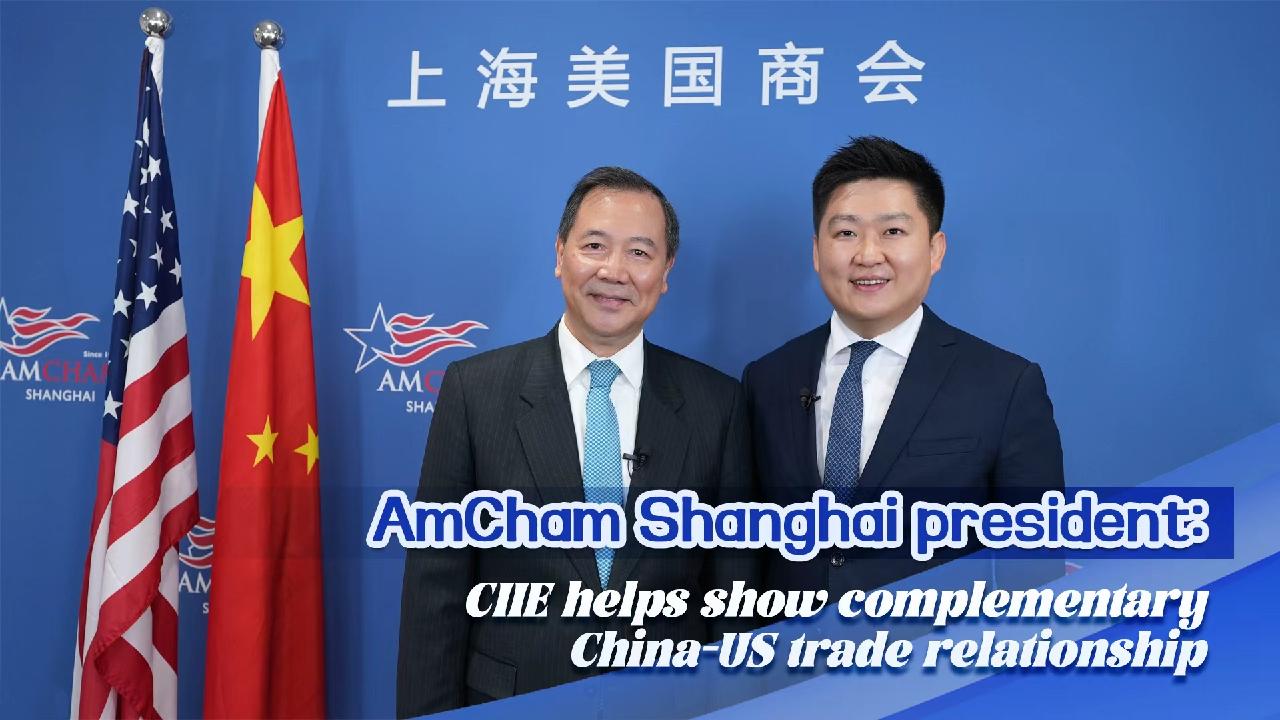
Ahead of the expo, CGTN Digital journalist Shen Shiwei spoke with Eric Zheng, president of AmCham Shanghai, about how the event connects US companies, especially small and medium-sized enterprises, with the Chinese market.
Zheng, who has attended every CIIE since its inception, says the event demonstrates China's openness to foreign products and services, and highlights the highly complementary trade relationship between the world’s two largest economies.
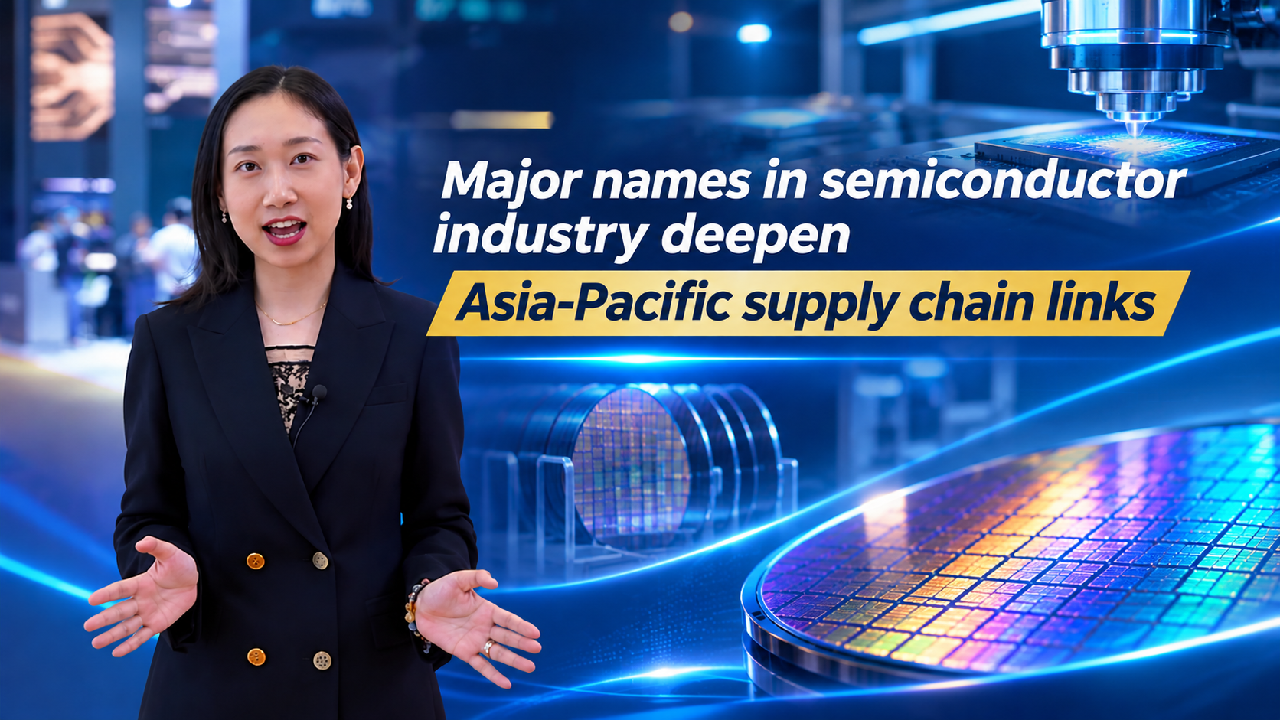
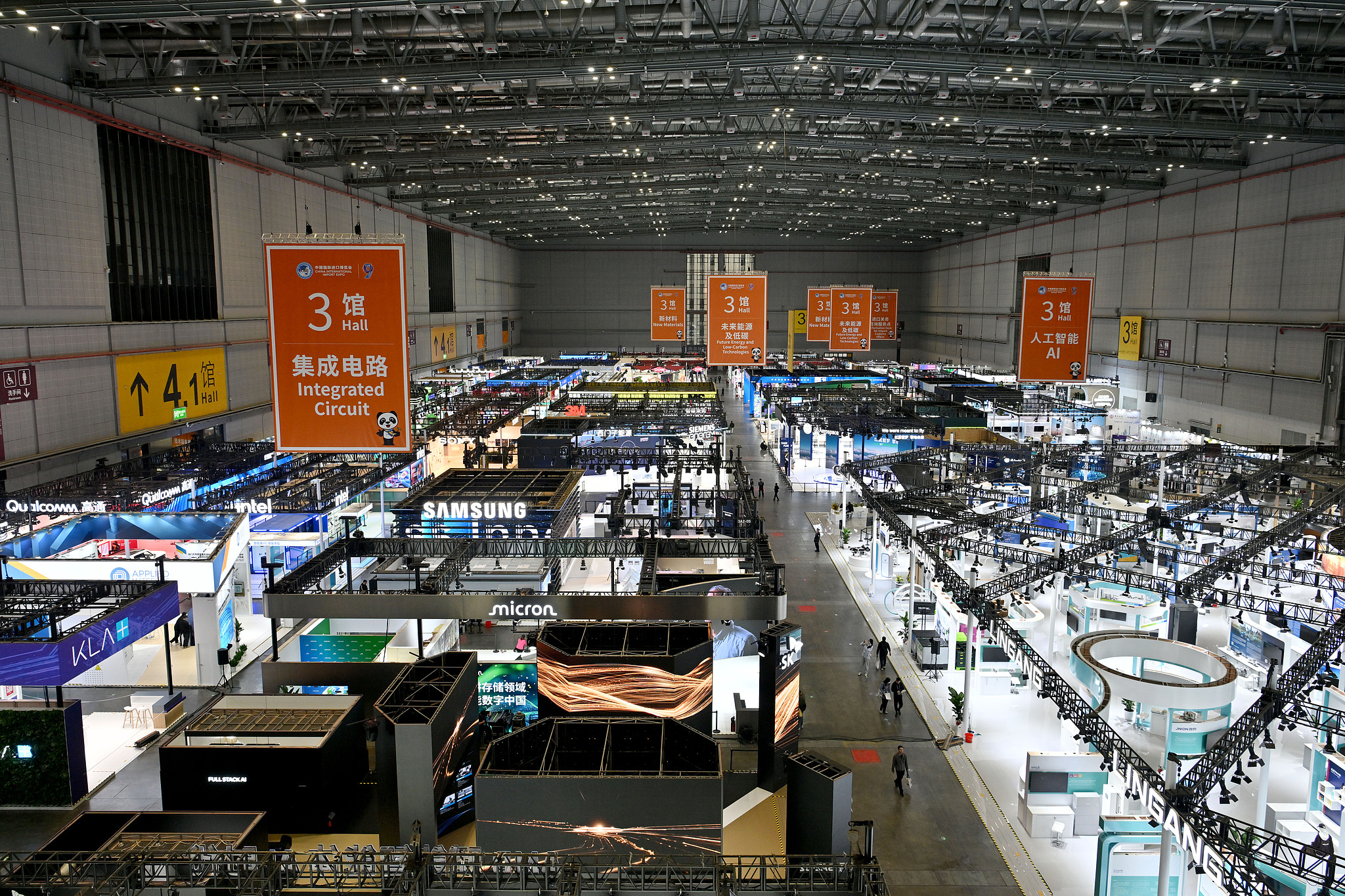
From raw materials to advanced chips and memory to AI servers. All on one floor at the China International Import Expo 2026. The rapid growth of artificial intelligence is driving new demand across the semiconductor industry, with each part of the supply chain playing a vital role, and global tech companies are showing how their operations in China connect with the wider Asia-Pacific region.
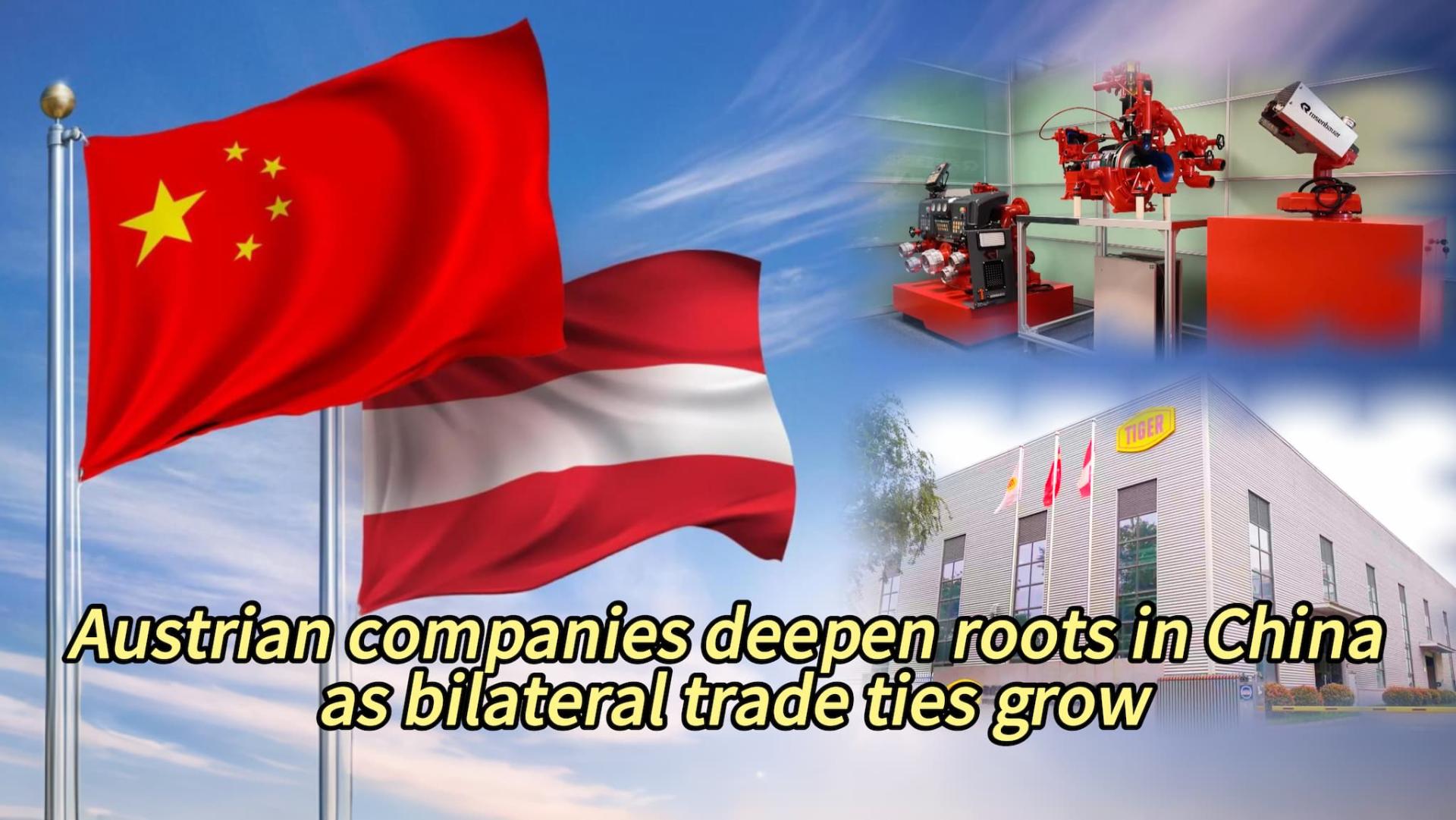
Austrian Chancellor Christian Stocker concluded his visit to China on Saturday, as the two countries celebrate 55 years of diplomatic relations. During his meeting with Chinese President Xi Jinping, Xi said China is ready to expand practical cooperation with Austria in emerging industries and cultivate new drivers of economic and trade growth. Meanwhile, Austrian companies are further expanding their presence in the Chinese market, seeking new opportunities for cooperation and business development.
CIIE is a conglomeration of events that brings people together, you get to meet those you might otherwise have to travel across all Chinese provinces to find, said John McLean, Chairman of the China UK Business Development Centre, in an interview with CGTN.
China is a critical market, Michelle Robertson, an executive board member at Adidas, said at CIIE. Many products developed locally for Chinese consumers have gone viral globally, selling out within minutes in many other markets, she added.
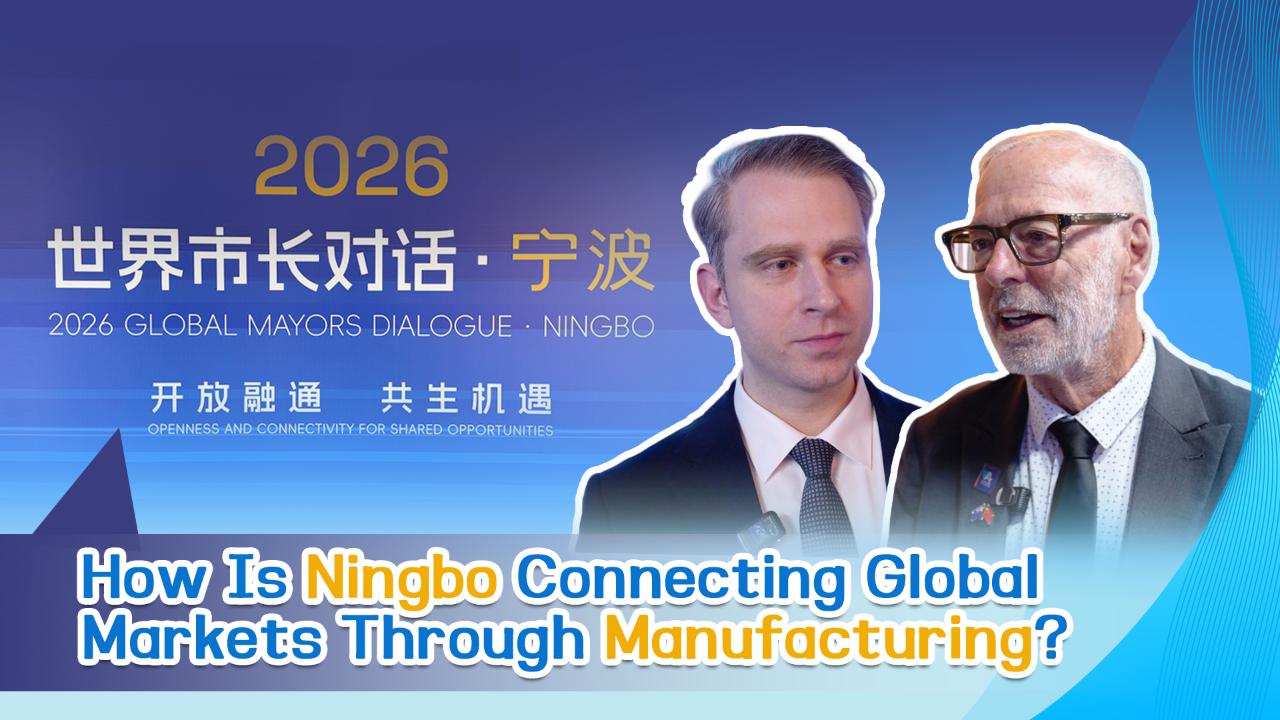
Ningbo has a lot going for it – especially when it comes to making things for the world. But it also has plenty to learn from other cities.
Hosting the 2026 Global Mayors Dialogue is a great opportunity for that. CGTN reporter Wang Tao is in the city for the event and spoke with Wayne Brown, Mayor of Auckland, New Zealand, and Sebastian Kovacs, Official Representative for the City Government of Wiener Neustadt, Austria.
They talked about what makes Ningbo stand out, where cities can learn from each other, and how working together can open doors for the future.
Editor's note: Warwick Powell is an adjunct professor at Queensland University of Technology. The article reflects the author's opinions and not necessarily the views of CGTN.
Global imbalances are back in the headlines. Current-account deficits and surpluses have widened again, the stock of cross-border financial claims has grown to record levels, and policymakers are once more debating how to restore balance. The standard diagnosis points to saving and investment gaps, excess reserves, and the privileged position of the US dollar. The usual prescriptions follow: coordinated fiscal adjustment, capital-flow management, stronger financial safety nets, and, in more ambitious versions, reform of the international monetary system itself.
These discussions are not wrong on their own terms. Financial positions matter, and poorly managed capital flows can create real instability. Yet they miss something more fundamental, something deeper, about the imbalances they seek to correct. The pattern of surpluses and deficits that appears in the balance-of-payments statistics is largely a record of something more fundamental: the uneven and slowly changing distribution of real productive capacity across countries and regions. Until that underlying structure shifts, financial and monetary adjustments will have limited effect — and in some cases may even work against the investment needed to change it.
What the numbers actually reflect
Every economy is a network of producers linked by supply chains. Factories, component suppliers, logistics hubs, skilled workforces and supporting infrastructure form industrial clusters that often cross national boundaries. These networks determine what can be produced where, at what cost, and at what scale. When one country or region develops dense clusters in high-value manufacturing while another specializes in lower-value activities or services, the resulting trade flows usually generate surpluses in the first and deficits in the second.
The balance-of-payments accounts simply record the financial counterpart of these real flows. A country that imports more goods and services than it exports must, by definition, finance the difference through capital inflows or the rundown of assets. The monetary system settles the residual. It does not create the residual. Treating the residual as the primary problem is therefore like focusing on the scoreboard while ignoring the game being played on the field.
This distinction matters because productive capacity does not move easily. Building a competitive industrial cluster takes years or decades. It requires specialized equipment, process knowledge that is hard to transfer, networks of reliable intermediate suppliers, and a workforce with accumulated skills. Once established, these clusters tend to reinforce themselves through learning and further investment. Once eroded, they are costly and slow to rebuild. The spatial pattern of capacity is therefore path-dependent and changes only gradually.
Why tariffs and defensive measures fail
Some policymakers in the United States and the European Union have responded to trade imbalances with tariffs and other trade-defensive measures. The logic appears straightforward: raise the cost of imports, protect domestic producers, and force a rebalancing of trade accounts. In practice the approach is counterproductive for all concerned.
Tariffs raise costs for downstream industries that rely on imported components, machinery and intermediate inputs. In economies where manufacturing capacity has already been thinned, these higher costs compress margins, discourage investment and accelerate further capacity loss. They disrupt established supply-chain relationships that took years to build and that often embody specialized knowledge. Retaliation follows, shrinking export markets for the very sectors governments claim to protect. The net result is higher costs, lower efficiency and a more fragmented global production system, all the while without a durable shift in the underlying distribution of productive capability.
Defensive measures treat the symptom while aggravating the disease. They attempt to compensate for uneven capacity through barriers rather than through the investment and capability-building that would actually alter the pattern.
Why financial rebalancing falls short
Most proposals for reducing global imbalances operate on the financial and monetary layer. They seek to manage capital flows, stabilize major government bond markets, expand emergency lending facilities, or redesign the rules by which international payments are settled. In principle, such measures can reduce volatility and lower the risk of sudden financial crises. They may also alter the incentives that encourage some countries to accumulate large foreign-exchange reserves.
What they cannot do is reconfigure the underlying network of factories, suppliers and skills. A better-designed settlements system can change how imbalances are financed and how adjustment pressures are distributed between surplus and deficit countries. It cannot install new production lines, train engineers, or densify the web of intermediate suppliers that makes a manufacturing ecosystem viable. Those outcomes depend on investment decisions that form real capacity.
In some circumstances, an excessive focus on financial rebalancing can even hinder that investment. Policies that raise the cost of imported machinery, components and critical equipment can make it more expensive to expand or modernize domestic industry. When productive capacity has already been hollowed out, the very tools used to "correct" imbalances may raise the barriers to rebuilding it.
A development-centered alternative
China's industrial capabilities, accumulated know-how and capacity for large-scale capital formation offer practical avenues for mutual gain. Open trade allows countries to specialize within dense, cross-border supply chains rather than attempting costly and inefficient self-sufficiency. Chinese outbound investment can support capital formation in partner economies, helping to build new production facilities, logistics infrastructure and supporting industries. Deepening supply-chain linkages creates the intermediate networks that make industrial clusters viable. These efforts are most effective when backed by sustained investment in research and development and in the skills of the workforce.
This is not a zero-sum transfer of capacity from one place to another. It is a process of expanding and densifying productive networks so that more locations can participate in higher-value activities. The countries that succeed will be those that treat imbalances as a development challenge rather than a purely financial one, and that pursue cooperation capable of raising collective capacity rather than defensive measures that shrink it.
The time scale problem
Business leaders and policy analysts understand that industrial transformation is slow. A semiconductor fabrication plant, an advanced battery supply chain, or a competitive machine-tool cluster cannot be created by decree or by a change in accounting rules. They emerge through successive rounds of investment, learning and complementary development. The same is true in reverse: once capacity is lost, the knowledge, supplier relationships and skilled labour that supported it often disappear with it.
Balance-of-payments statistics and monetary aggregates are largely blind to this reality. They record annual or quarterly or monthly flows and stocks. They do not capture the multi-year processes that determine whether a region retains, gains or loses productive capability. As a result, policy debates that stay inside the financial frame systematically overestimate the speed and power of the instruments they recommend.
A more realistic conversation
The current debate on global imbalances is not without insight. It correctly identifies financial vulnerabilities and the systemic features that allow large positions to persist. Where it falls short is in treating those financial positions as the foundation rather than the accounting record of a deeper structure. The evolving composition of cross-border supply chains and industrial clusters is the real foundation. Financial aggregates register the consequences; they do not drive the process.
China's call to address imbalances through development reframes the problem correctly. Tariffs and defensive trade measures cannot substitute for the patient work of building capacity. Financial reforms may stabilize the accounts, but they cannot rewrite the spatial distribution of productive capability. Lasting progress requires open trade, productive investment, denser supply-chain linkages, and sustained attention to technology and skills. That is the path that turns a zero-sum contest over residuals into a shared expansion of real capacity.
Several European airlines were targeted with bomb threats Thursday, Nov. 5, disrupting flights and alarming travelers across the region. Similar threats occurred earlier in the week, causing airspace and security anxiety.
For more, check out our exclusive content on CGTN Now and subscribe to our weekly newsletter, The China Report.
Prediction market betting has grown in popularity, with more people putting their picks, and cash, on major races in the 2026 U.S. midterm election. CGTN's Martin Markovitz spoke with one bettor about his choices and how he makes them.#cgtnnews
For more, check out our exclusive content on CGTN Now and subscribe to our weekly newsletter, The China Report.
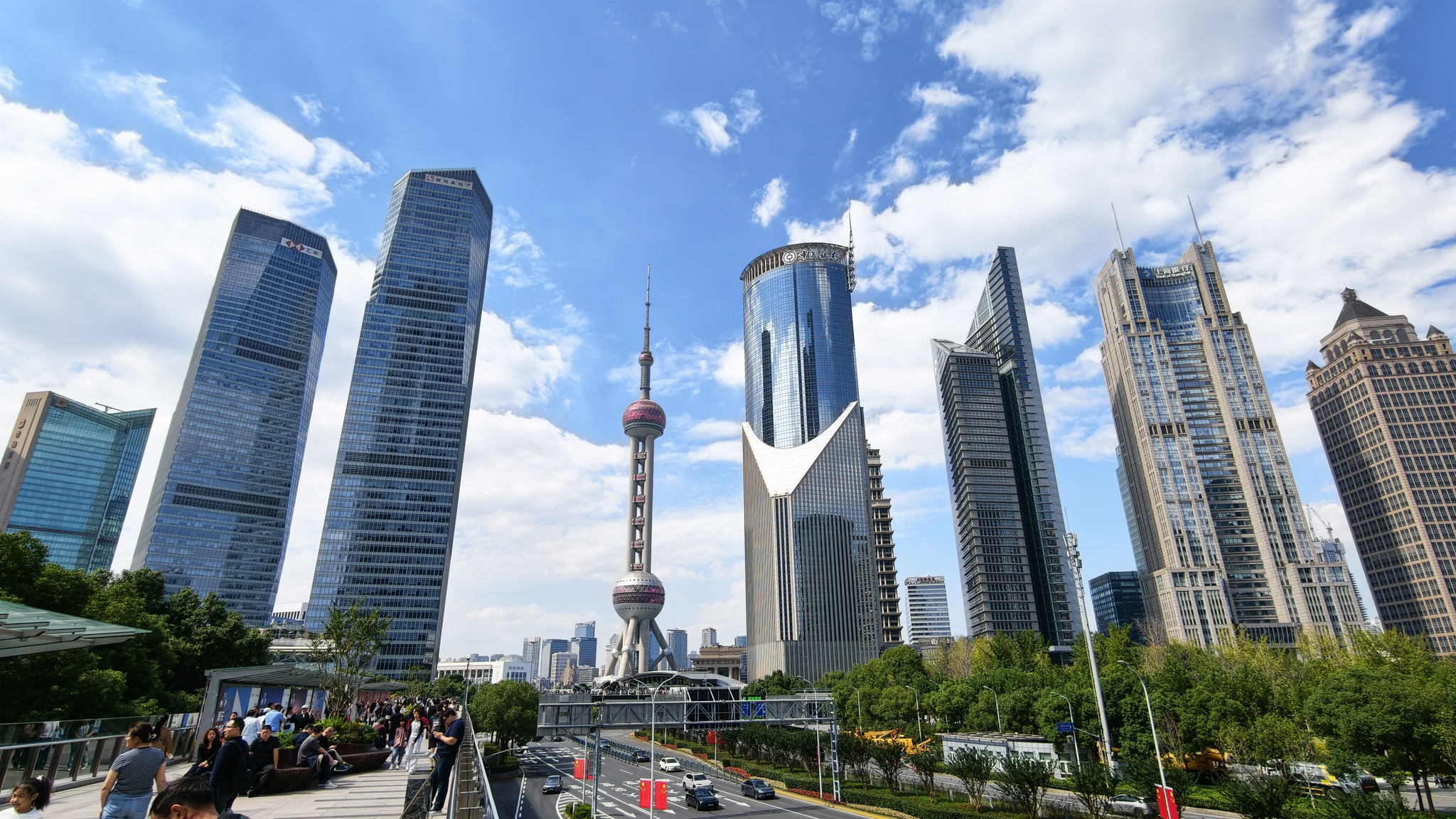
Looking for new opportunities in the world's second-largest economy? China is opening more doors!
With imports set to exceed $3 trillion in 2026, China's expanding trade ties, thriving innovation and growing market access are creating fresh opportunities for businesses around the globe.
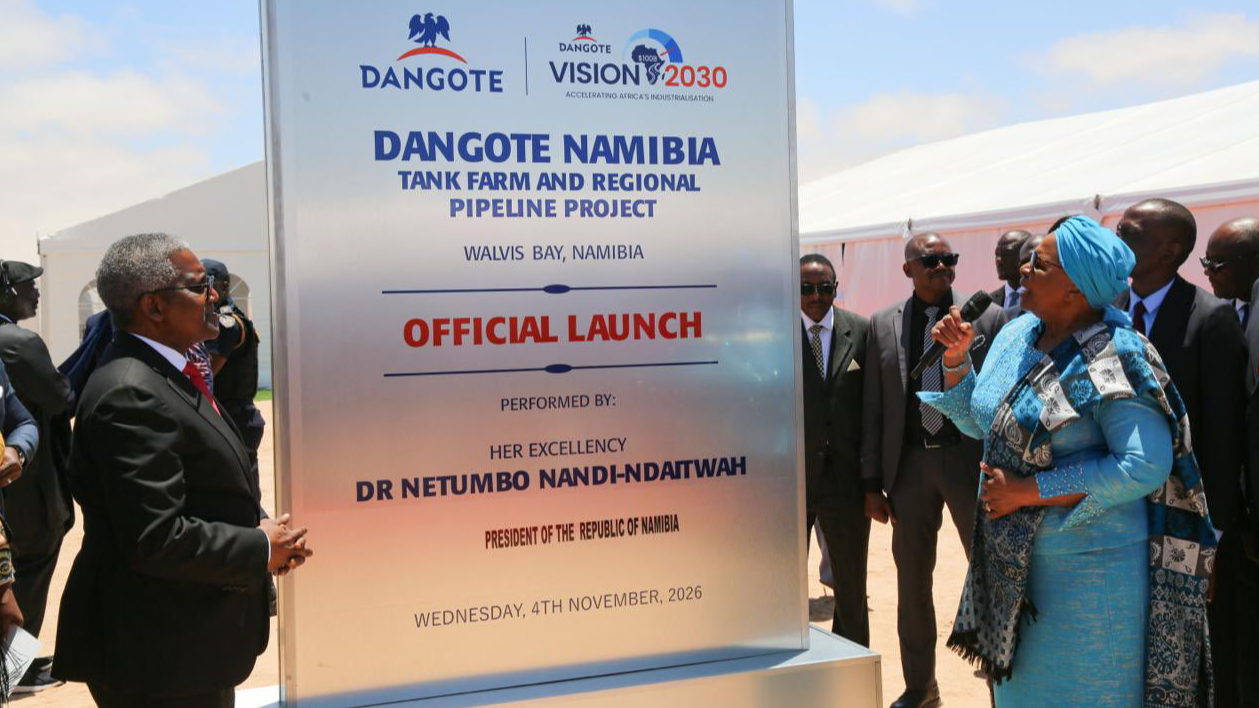
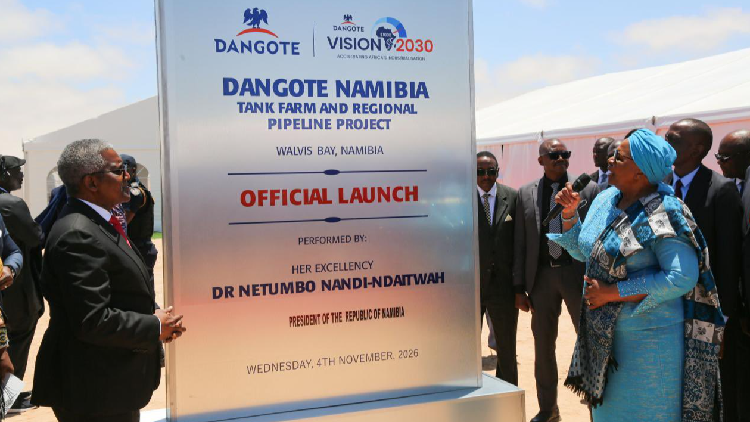
Namibia on Wednesday launched a petroleum storage and regional pipeline project in Walvis Bay on the country's west coast, with an estimated investment of $2.5 billion, seeking to strengthen fuel security and improve supplies to neighboring countries.
Speaking at the ceremony, Namibian President Netumbo Nandi-Ndaitwah said the investment would expand the country's petroleum storage capacity and help secure fuel supplies for Namibia and landlocked countries in the region amid disruptions to international oil markets caused by geopolitical tensions and vulnerable shipping routes.
She said Namibia's strategic location, particularly the Port of Walvis Bay and its established transport corridors, offered important advantages for regional petroleum distribution and trade.
The Dangote Namibia Tank Farm and Regional Pipeline Project will include a storage facility with a planned capacity of 600 million liters, comprising 360 million liters of diesel and 240 million liters of petrol, said Aliko Dangote, president and chief executive of Nigerian conglomerate Dangote Group, at the launch ceremony.
Beyond the storage facility, the investment envisages a regional pipeline network spanning approximately 1,700 kilometers to connect Walvis Bay with inland markets in Southern Africa.
Meanwhile, Nandi-Ndaitwah called for Namibians to be given priority in employment opportunities arising from the project, followed by other Africans.
According to Dangote, the proposed pipeline will extend from Walvis Bay towards Otjiwarongo, with connections northwards towards Rundu and eastwards towards Ghanzi and Francistown in Botswana.
The wider distribution network is intended to serve Botswana, Zambia, Zimbabwe, Malawi and the southern part of the Democratic Republic of the Congo.
Namibia has been seeking to expand trade and investment cooperation with Nigeria, building on longstanding ties rooted partly in Nigeria's support for its liberation struggle.
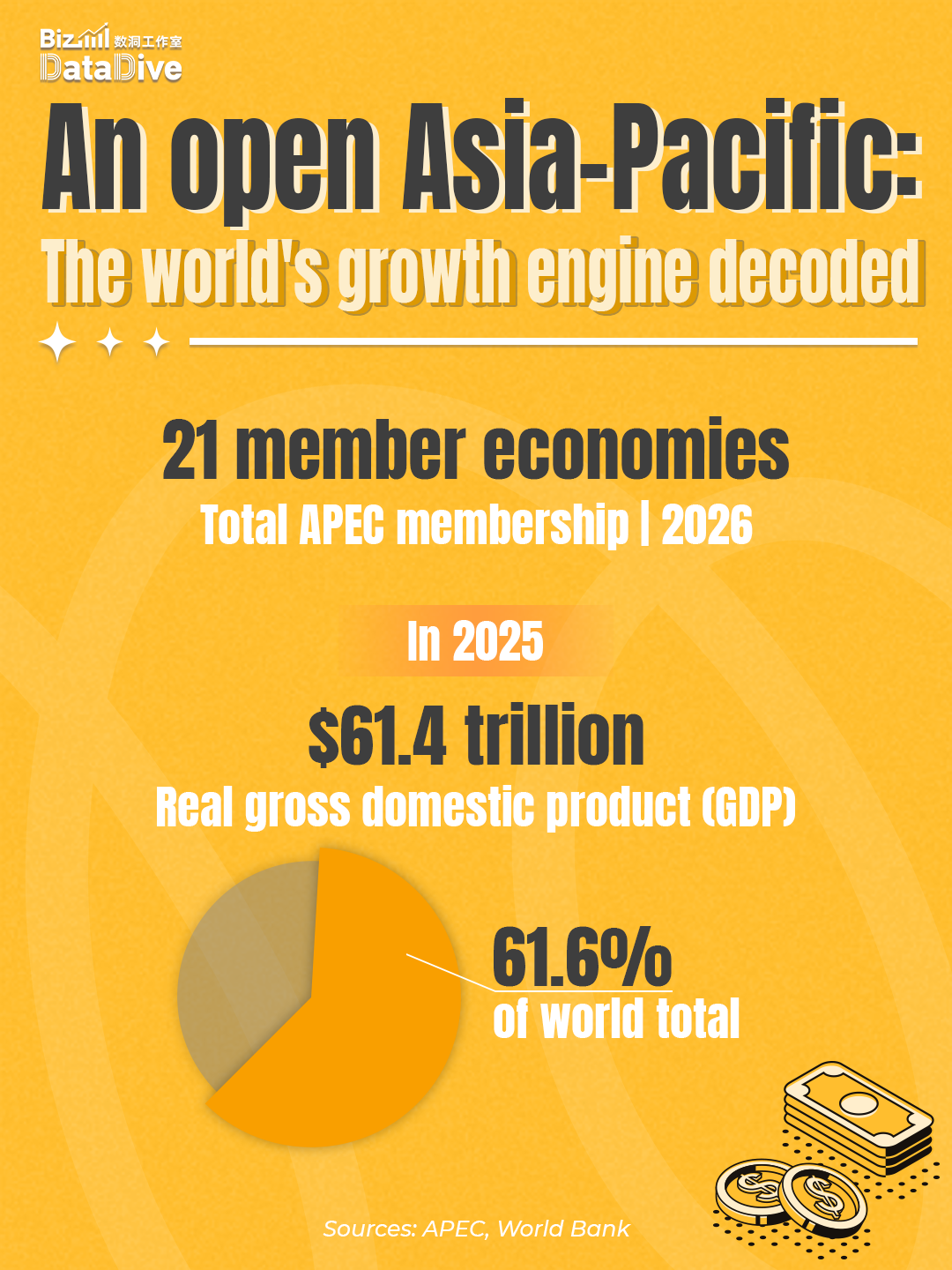
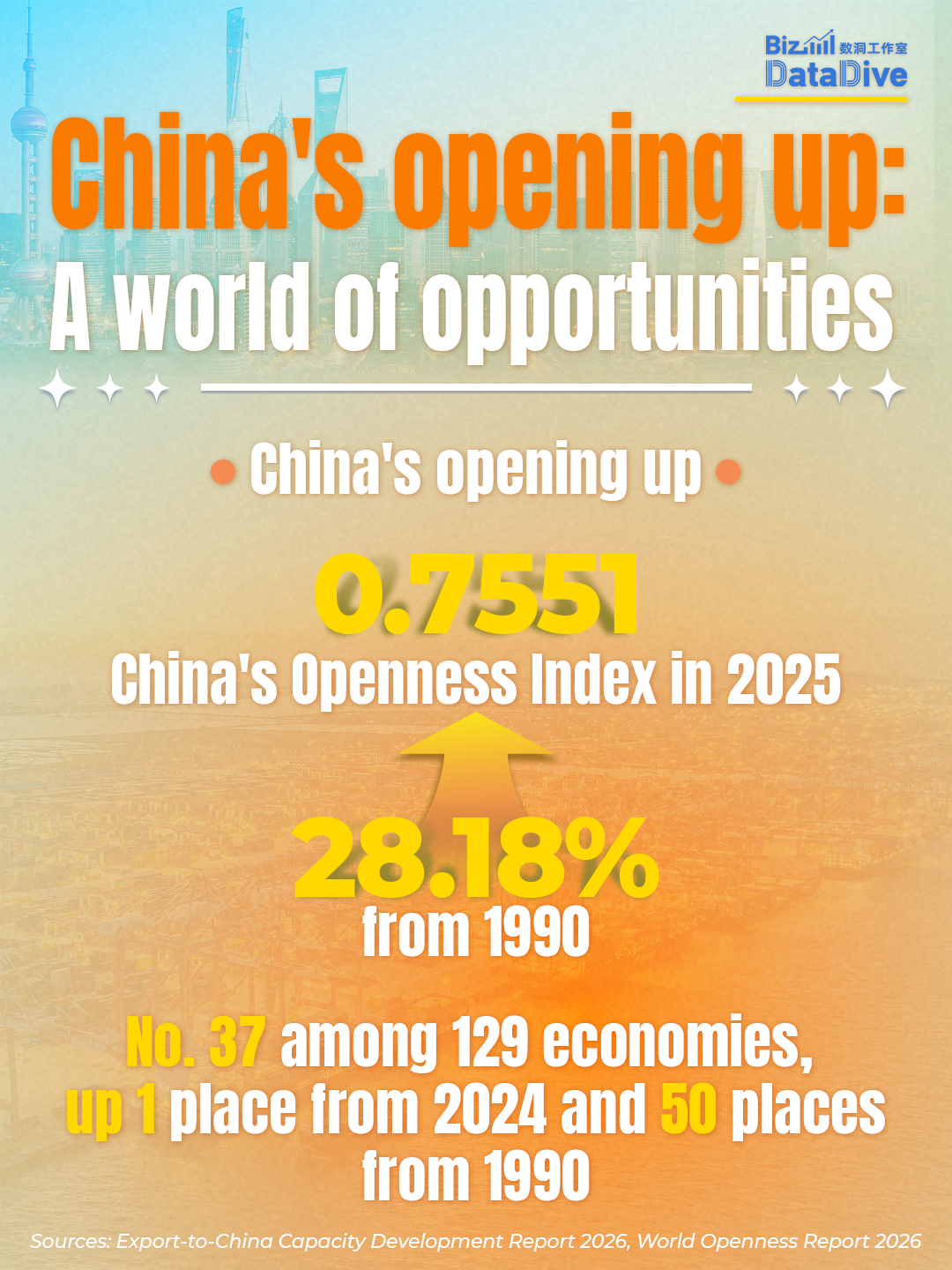
Global economic openness faced growing challenges in 2025, with the World Openness Index recording its largest decline in nearly a decade. However, emerging markets and developing economies saw their openness indices rise year on year, while China maintained its position among the leading developing economies in terms of openness, according to the World Openness Report 2026.
Despite rising trade protectionism and geopolitical tensions, China has continued to deepen its opening up and expand access to its vast domestic market.
China's openness continues to grow
From 1990 to 2025, China's Openness Index rose from 0.5891 to 0.7551, an increase of 28.18%. China ranked 37th among 129 economies in 2025, up one place from 2024 and 50 places from 1990.
China's GDP exceeded 140 trillion yuan ($20 trillion) in 2025, contributing more than 30% to global economic growth. More than 70,000 foreign-invested enterprises were newly established during the year, reflecting continued international business interest in the Chinese market.
A vast market for global businesses
With a population of over 1.4 billion and a middle-income group exceeding 400 million, China offers significant opportunities for international suppliers. It has remained the world's second-largest importer for 17 consecutive years.
From January to August 2026, China's goods imports grew 26.7% year on year. Annual imports are expected to exceed $3 trillion for the first time in 2026, with more than 150 trading partners recording positive growth.
China is also expanding market access through lower tariffs and new trade initiatives. It has implemented zero tariffs on all tariff lines for 53 African countries with which it has diplomatic relations and established 43 national import promotion and innovation demonstration zones.
Turning market potential into shared opportunities
Under China's "Big Market for All: Export to China" initiative, nearly 100 events have been held since its launch in November 2025, attracting more than 100 countries and regions.
The eighth China International Import Expo also set new records, bringing together 4,108 enterprises from 138 countries and regions, with intended transactions reaching $83.49 billion.
As host of APEC 2026, China is also promoting greater regional cooperation under the theme "Building an Asia-Pacific Community and Promoting Common Prosperity," with a focus on openness, innovation and cooperation.
Amid global economic uncertainty, China's continued efforts to expand imports and market access are creating new opportunities for international businesses and contributing to a more open and inclusive world economy.
Shanghai has welcomed the ninth China International Import Expo, marking China's ongoing commitment to opening up and sharing market opportunities globally. From rising import demand to more diverse consumer preferences, Cao Chufeng looks at why global businesses continue to see opportunities in China.
Editor's note: Tang Jie is a researcher at the Chinese Academy of International Trade and Economic Cooperation under the Ministry of Commerce of China. The article reflects the author's views and not necessarily those of CGTN.
At a time when global trade growth is losing momentum and trade rules are shifting, China has chosen to counter external uncertainty with a commitment to openness: Strengthening trade ties by expanding imports, helping shape high-standard rules through institutional opening-up, and supporting more inclusive globalization through zero-tariff treatment for eligible developing countries. Guided by the principle of "guarding against risks through openness and building strength through openness," the Chinese market has come to play a stabilizing role in the restructuring of global supply chains.
The CIIE: Delivering greater certainty through proactive opening-up
Against a backdrop of rising protectionism and slowing global trade growth, China has continued to expand its opening-up, working to transform itself from the "world’s factory" into the "world’s market". By hosting the CIIE, it is strengthening the links between Chinese consumption and global trade and creating more trade opportunities for its partners around the world.
Over the past eight consecutive sessions, the CIIE has featured more than 3,400 landmark new products, technologies, and services making their debuts, with cumulative intended deals exceeding $580 billion—evidence that China's strategic choice to open its market proactively and advance reform through imports is delivering tangible results. The ninth CIIE, which opened on November 5 in Shanghai, has set new highs in the number of participating countries and companies, the scale of the exhibition, and the number of debut exhibits.
For the first time, the number of Fortune Global 500 companies and industry leaders among the exhibitors has surpassed 300, reflecting global companies' confidence in China's vast and open market. The CIIE is emerging as a key bridge linking the Chinese market with global industrial and innovation chains and the consumer market.
Buying from the world: Better imports, inclusive benefits
In 2025, China's total goods trade exceeded 45 trillion yuan for the first time, up 3.8% year on year, keeping the country the world's largest trader in goods. Imports reached 18.48 trillion yuan, making China the world's second-largest import market for the 17th consecutive year. Data from the General Administration of Customs shows that in the first three quarters of 2026, import growth reached 22.3%, outpacing export growth by 5.9 percentage points. In September alone, monthly imports exceeded 2 trillion yuan for the first time. The upgrading of the import mix is equally evident.
China's imports of machinery and electronic products reached 7.41 trillion yuan in 2025, up 5.7%, with electronic components rising 9.7% and computer parts 20%. China's imports are gradually shifting from a reliance on resources and intermediate goods toward a more balanced mix that gives equal weight to consumer goods, services, and technology.
Since its launch, the CIIE has offered free exhibition space to least developed countries. This year, the free exhibition area has been expanded by 17%, and the Asia-Africa Products Zone has been upgraded to help African countries with which China has diplomatic relations fully reap the benefits of zero tariffs on 100% of tariff lines.
In the first three quarters of 2026, China imported 867.53 billion yuan of goods from the 63 countries eligible for zero-tariff treatment, up 15.3% year on year. The CIIE is thus becoming a platform for "inclusive and beneficial economic globalization" and a vivid illustration of how China's strategy of "buying from the world" is benefiting the entire world.
Improving trade has also helped sustain foreign investors' confidence. According to the China Business Environment Survey Report released by the American Chamber of Commerce in China in January 2026, 52% of the surveyed US companies rank China among their top-three global investment destinations, up 4 percentage points from the previous year; 57% plan to increase their investment in China; and 71% report no plans to relocate their operations outside China. Particularly telling is the shift in strategic positioning: Some foreign-invested companies are increasingly adopting an "in China, for the world" strategy.
China is no longer merely a sales destination for multinational corporations but a global node for R&D, production, decision-making, and supply-chain collaboration. The more uncertain the external environment, the more foreign investors look to China for "certainty"—a contrast that captures the value of openness better than anything else.
If expanded imports have addressed the issue of "market access," institutional opening-up aims at "rule alignment." The 15th Five-Year Plan (2026-2030) emphasizes "expanding high-standard opening-up and fostering a new pattern of win-win cooperation," calling for wider market access with a focus on the service sector and steady progress in opening-up in rules, regulations, management, and standards.
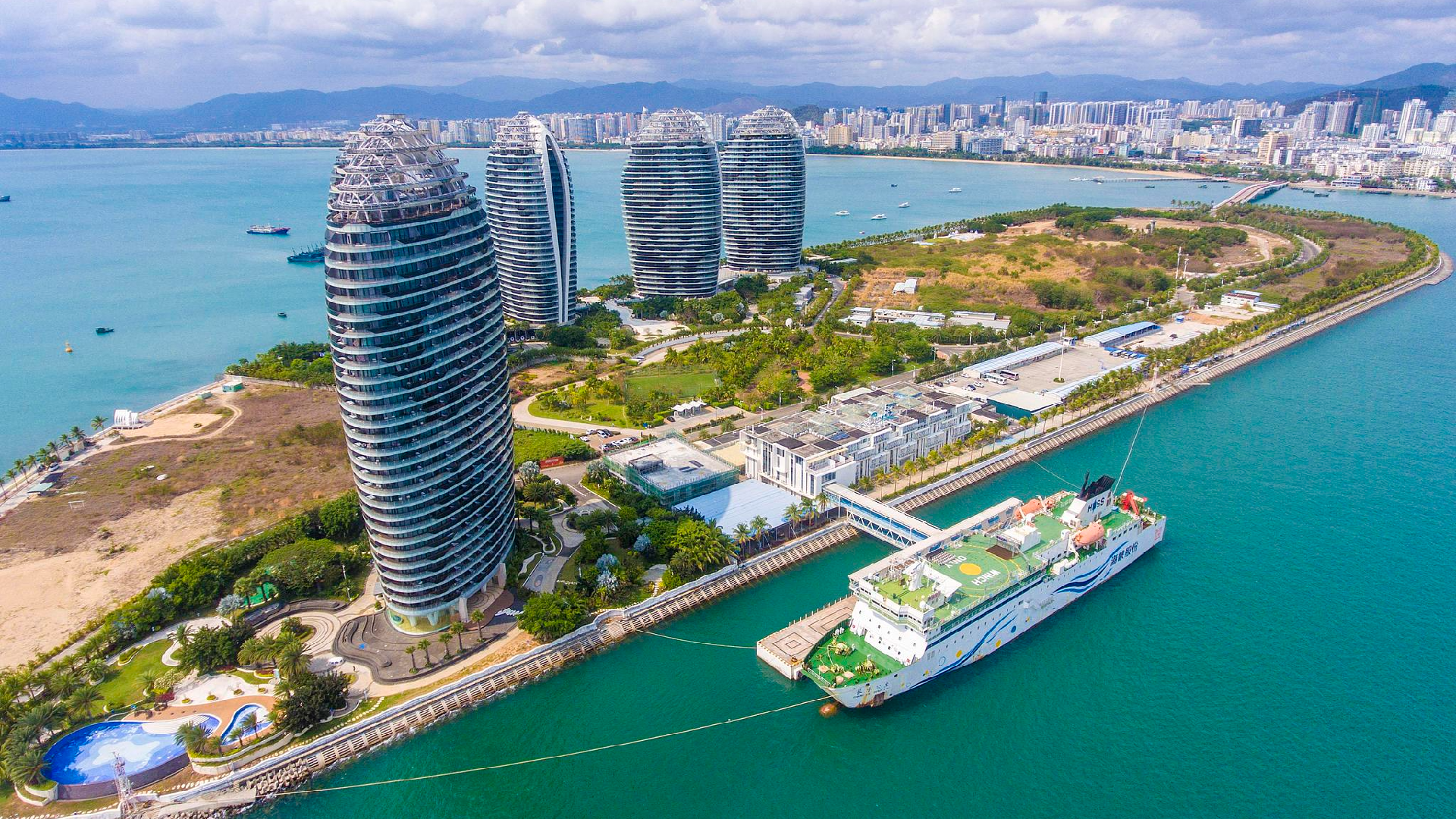
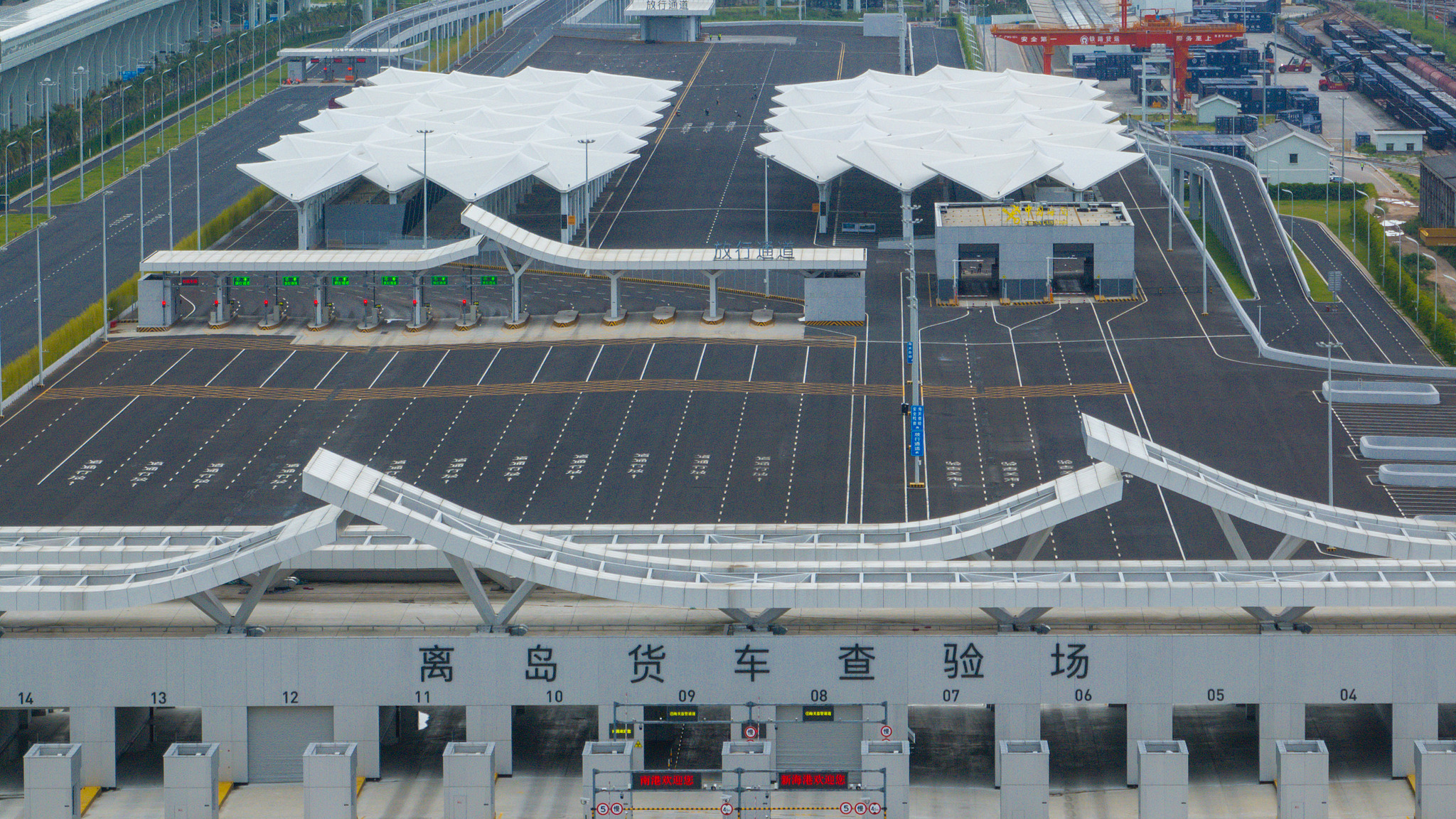
In 2024, the national negative list for foreign investment was cut to 29 items, with all restrictions on manufacturing removed; the national and free-trade-zone negative lists for cross-border services trade—71 and 68 items, respectively—were implemented in parallel; and the Hainan Free Trade Port launched island-wide independent customs operations on December 18, 2025, opening a new frontier of greater trade facilitation and opening-up.
In aligning itself with high-standard international economic and trade rules, China formally applied in 2021 to join the Comprehensive and Progressive Agreement for Trans-Pacific Partnership (CPTPP) and the Digital Economic Partnership Agreement (DEPA); negotiations are ongoing, while its free trade zones are conducting stress tests. Shanghai has expanded its negative-list system for cross-border data transfers citywide, covering four sectors and nine specific business scenarios.
Shenzhen Qianhai is continuing stress tests aligned with the CPTPP and DEPA and has introduced 14 first-in-the-nation reforms in the financial sector. The logic is clear: Translating high-standard rules domestically compels deeper reform in "behind-the-border" areas, releasing institutional dividends for high-quality development.
The CIIE embodies the vision of China and Europe to build balanced, win-win partnerships, said Nicolas Hieronimus, CEO of L'Oréal, in an interview with CGTN's Yu Hongyu. He said L'Oréal's investment in China supports two-way innovation: Bringing Chinese innovations to global markets while introducing technologies from its labs to Chinese consumers.
China's trade in services maintained brisk growth in the first nine months of 2026 as the country moved to foster new drivers of foreign trade and promote high-standard opening up.
Services imports and exports totaled 5.77 trillion yuan (about $858.89 billion) from January to September, up 8.5% year on year, according to the Ministry of Commerce. Exports rose 14.8% while imports grew 4.8%, leaving a services trade deficit of 1.23 trillion yuan.
This performance was buoyed by a surge in transport services, which led all categories with a 33.9% jump. Knowledge-intensive services, which accounted for 43.9% of total services trade, also expanded steadily by 7.4%.
These figures underscore a broader shift in China's trade structure as the country moves toward consumption and innovation.
Experts say the development of services trade is key to building new competitive advantages in international trade, fostering a more open economy, and supporting high-quality development.
Beijing is stepping up support. The 15th Five-Year Plan (2026-2030) calls for vigorously developing services trade, while the 2026 government work report vows to improve national standards for the service sector and cultivate the "China Services" brand.
In April, the Ministry of Commerce launched a plan to develop national demonstration zones for the services trade in 16 cities, including Beijing, Tianjin and Shanghai, as well as Hainan Province, with the goal of cultivating key services industry clusters and significantly improving liberalization by 2035.
China's growing services trade has global significance. Li Bin, deputy head of the State Administration of Foreign Exchange, said China's services imports reached more than $620 billion in 2025, covering travel, intellectual property, transport and business services, making China the world's second-largest importer of services.
This steady growth in services imports has strongly supported the development of global services trade and effectively promoted employment and growth in other economies, Li noted.
How well do you really know a city, even if you've lived there for years?
I'm back in Ningbo, my hometown, and this time, I want to take you beyond the familiar landmarks. From a bustling morning market to a library with centuries of history and a waterfront that reflects the city's modern-day energy, there's so much to discover.
Every city has stories that go beyond its postcard views, and Ningbo is no exception. So, let's look beyond the travel guide and discover a side of Ningbo you may not have seen before!
Editor's note: This article was translated from the original Chinese and first published on MNA. It reflects the author's opinions and not necessarily the views of CGTN.
China's Macao Special Administrative Region has ranked first for consecutive years in the China Tourism Academy's ranking for Chinese outbound tourist satisfaction, posting impressive tourism results. As a "World Center of Tourism and Leisure," Macao's shift toward green tourism is about far more than strengthening its culture and tourism industry — it is about building the city's overall capacity for sustainable development, and raising the quality of urban governance by upgrading green and smart-city operations.
Green tourism as a key lever for high-quality development
Wong Seng Fat, executive director of the Smart City Alliance Association of Macao: Green tourism is not simply about "ecological sightseeing". It is an all-for-one tourism development model centered on ecological priority, cultural continuity, low-carbon emissions reduction and sustainable operations. Its essence is to break away from the extensive-growth ills of conventional sightseeing—heavy visitor flows, high resource consumption, high waste generation, low-quality experiences and low added value—and to achieve a dynamic balance between ecological protection, cultural continuity, economic development and habitability across the entire chain of travel and consumption, attraction operations, visitor spending, and urban services. It is the inevitable direction of transformation and upgrading in the global tourism industry.
Seen against Macao's city positioning and development direction, green tourism fits squarely with the core strategy of upgrading the tourism industry and operating the city as a smart city. It is the key lever for Macao to break out of a single-industry structure and achieve high-quality development.
Firstly, it aligns with the policy direction of the Chinese mainland and Macao. Macao has incorporated sustainable development into its five-year development plan and the master programme for tourism development, explicitly identifying environmental protection and carbon reduction, efficient resource use and the diversification of tourism as core strategies. Green tourism is precisely the core vehicle for delivering that policy.
Secondly, it fits Macao's resource endowment. With scarce land and limited ecological space, the traditional model of large-scale, extensive tourism development has no room left. Only a refined, low-carbon, quality-driven green tourism can maximize the use of the resources available.
Thirdly, it fits the logic of smart-city operations. Macao is pressing ahead with the development of a smart city, using digital and intelligent tools to improve urban governance and public services. Green tourism is the core scenario in which a smart city takes shape in the culture and tourism field, and it enables the deep integration of the tourism industry with urban transport, environmental protection and public services.
Fourthly, it fits the deepening of what it means to be a World Center of Tourism and Leisure. Competition among modern international tourism cities has long since moved beyond a contest over the number of attractions; it has shifted to a composite contest of ecological quality, cultural depth, the green credentials of services and the warmth of the visitor experience. Green tourism is the path Macao must take to benchmark itself against the world's leading tourism cities.
Li Xi, professor at the Faculty of International Tourism and Management, City University of Macau: Considered against Macao's city positioning and development framework, green tourism fully matches the core direction of upgrading the tourism industry and running the city smartly. Its fit and practical value stand out in three main dimensions.
Firstly, it matches Macao's core strategic positioning as an international tourism city. Macao has clearly established the "One Center, One Platform, and One Base" development framework, and building a World Center of Tourism and Leisure is one of its core development goals. Building a world-class tourism destination requires the internationalization of both visitor-source structure and product quality and, more importantly, requires that the city's tourism operating philosophy and management model be aligned with mainstream international standards.
Secondly, it helps Macao integrate more deeply into the national "dual carbon" development strategy. Delivering on the carbon-peak and carbon-neutrality goals is an important step for Macao in aligning itself with China's overall development agenda. As Macao's pillar industry, the culture and tourism sector is a key link in the region's carbon-reduction work, and its green transformation is critical to that effort.
Thirdly, it improves the operating efficiency of Macao's local communities and reconciles the interests at stake in urban development. Macao's geographic space is limited, and the development of culture and tourism is tightly interwoven with the daily lives of local residents. Visitor activity and residents' lives, industrial development and community operations are closely connected.
Cui Wenjing, Macau China Youth Innovation Promotion Association:My understanding of green tourism can be developed on three levels: resource efficiency, tourist behavior, and the long-term value of the destination.
Green tourism most directly concerns resource and environmental issues such as energy, water, transport, waste and carbon emissions. The focus has moved on from individual measures—energy saving in hotels, cutting single-use items, waste sorting—to the resource consumption and environmental impact of the journey as a whole. This reflects the fact that the scale at which green tourism is governed is expanding, from individual enterprises and isolated measures to the entire process of travel, and to resource and environmental management at destination level.
Tourist behavior is another important dimension of green tourism. From the moment visitors arrive at a destination, their choices in transport, accommodation, dining, sightseeing and consumption all generate resource consumption and environmental impact to varying degrees. The focus of related research has likewise moved beyond simple environmental concerns and green intentions, extending to the translation of those intentions into actual behavior in real travel situations.
Green industry demonstration begins to bear fruit
Wong Seng Fat, executive director of the Smart City Alliance Association of Macao: After years of cultivation, Macao's green tourism has completed its initial layout and formed a development pattern of "policy guidance, business participation, demonstration at selected sites." Overall, it remains at a transitional stage: early exploration, localized implementation, and city-wide transformation.
In terms of what has been achieved: Firstly, green industry demonstration is beginning to bear fruit. Many local hotels have taken part in the Macao Green Hotel Awards, and low-carbon facilities such as natural-gas conversion, solar photovoltaic systems, electric-vehicle charging infrastructure, and wastewater and energy-saving systems are now widely deployed. The green transformation of the accommodation sector has produced notable results.
Secondly, ecotourism assets have continued to improve. Macao has wetlands, coastal zones and nature reserves, and has carried out sustained work on waterbird conservation in wetland, park greening and biodiversity protection, creating ecological leisure spaces within the city.
Thirdly, the green integration of culture and tourism has just begun. Through measures such as greening roads in community tourism areas, organizing energy-saving activities, and creating zero-waste events, green concepts are being integrated into tourism settings.
Fourthly, smart green infrastructure is gradually being put in place, with Macao's big-data allocation platform, the Light Rapid Transit system and smart traffic control systems providing the basic support for green tourism.
At the same time, Macao's green tourism still faces four core bottlenecks that hold back an industry-wide upgrade.
Firstly, resource scale is constrained and the product system lacks diversity.
Secondly, industry integration is insufficient (the number of low-carbon buildings remains small) and development is fragmented. Green initiatives are still largely concentrated in hotels and accommodation, while the green transformation of scenic-area operations, green dining, transport services and cultural and entertainment activities lags behind.
Thirdly, public's awareness of green consumption is weak and the relevant habits have yet to form.
Fourthly, the standards system is incomplete and the regulatory mechanism needs strengthening. Macao currently lacks unified industry standards, an evaluation system and a reward-and-penalty mechanism for green tourism. Green transformation by companies is mostly voluntary, and the results are uneven in quality.
Hong Kong's status as an international financial center and offshore yuan hub is receiving fresh backing from Chinese mainland's top financial regulators at the fifth Global Financial Leaders' Investment Summit, with new steps to deepen cross-border capital market connectivity and two-way opening between the mainland and Hong Kong Special Administrative Region.
The three-day event, hosted by the Hong Kong Monetary Authority from November 2 to 4, has gathered around 280 financial leaders from across the world.
Chinese mainland's top financial regulators, including the People's Bank of China (PBOC), the State Administration of Foreign Exchange (SAFE), and China Securities Regulatory Commission (CSRC), pledged coordinated policy support to deepen cross-border market links, expand two-way opening and shore up Hong Kong's long-term prosperity and stability.
Zou Lan, PBOC deputy governor, said the PBOC will consolidate Hong Kong's role as a global offshore renminbi (RMB) business hub and support the development of a deeper pool of RMB assets in the city.
Li Hongyan, deputy administrator of the SAFE, said the SAFE will support Hong Kong's development as an international financial center and reinforce its role as an offshore RMB hub.
Li Chao, vice chairman of the CSRC, said the CSRC will push forward practical cooperation between the mainland and Hong Kong capital markets and deepen two-way opening-up to help Hong Kong consolidate and elevate its global financial standing.
The commission will accelerate inclusion of RMB-denominated stock trading counters under the Stock Connect scheme, and roll out an optimized framework for qualified foreign institutional investors to deliver a more streamlined regulatory environment, Li stated. He added that the CSRC will also support mainland firms seeking global expansion to list in Hong Kong, enabling both markets to better channel capital toward the development of new-quality productive forces.
The pledges come against a buoyant IPO backdrop in Hong Kong. The city recorded 118 new IPOs in the first nine months of 2026, a 71% rise from a year earlier. Total IPO proceeds reached HK$388 billion ($49.4 billion), surging 106% year on year.
Three weeks of deals, demos and dazzling new gadgets are wrapping up in China's Guangzhou.
The 140th Canton Fair, officially the China Import and Export Fair, closes its doors on November 4 after bringing 32,000 exhibitors to south China's Guangdong Province.
This year, the massive trade expo was all about the future: robots that can walk your dog, AI that helps you move and green tech that can power the world.
Robots and wearables
The robotics zone was a major draw. At the booth of Hangzhou Taixi Intelligent Technology booth, overseas buyers lined up to try out a wearable exoskeleton designed to support the lower back and legs.
Weighing about 2 kilograms, the device detects the user's movements and provides walking assistance. Founder Liang Linchao said it is the company's first flagship product to integrate its human-centered physical AI technology.
Technological innovation is exploding across Chinese industries. At this year's fair, 64% of exhibitors integrated the industrial internet and AI into their R&D and production, and new products made up a record 23.2% of all exhibits.
Customs data reflects that boom. China's imports and exports of industrial robots, electronic components, computer parts and electrical equipment surged 58.9% year on year, topping 10 trillion yuan ($1.49 trillion) in the first three quarters of 2026.
Services and green tech
Services are becoming a new growth area. For the first time, the fair's trade services zone covered all 10 major categories of producer services, including logistics, industrial design and cross-border financing. Official data shows 36.5% of exhibitors have begun integrating services into their business models.
Eco-friendly products are also in high demand as countries shift toward clean energy, green tech and decarbonizing their economies. Xiamen HiTHIUM Energy Storage Technology showcased its flagship long-duration energy storage products. CEO Wang Pengcheng said the company hoped to use the fair to bring China's long-duration energy storage solutions to a wider international audience, giving more countries access to stable, affordable clean energy.
Chongqing SUNDON Prefabricated Construction and Technology attracted buyers from Australia, Brazil and Saudi Arabia. Jia Xuehong, the company's planning and design director, said more than 300 buyers had reached preliminary agreements with them.
China is playing its part in the global green transition by supplying a massive share of the world's renewable tech. Over the past decade, the country has provided more than 80% of the world's PV modules and 70% of its wind power equipment, helping drive down the cost of clean energy everywhere.
The Canton Fair shows Chinese trade is running on a band-new model, one moving toward higher-value products and more comprehensive services.
Ningbo's advances in technology and digitalization are impressive, and closer port cooperation could help strengthen Mauritius' trade links across Africa and beyond, said Mehzabeen Caramtali, deputy mayor of Port Louis, Mauritius.
Editor's note: Zhang Jing is the editor-in-chief of Maclmlen Studio.The article reflects the author's views and not necessarily those of CGTN.
Canada returns to the China International Import Expo (CIIE) as a Guest Country of Honor, highlighting new opportunities for bilateral economic cooperation as Ottawa seeks to diversify its export markets and strengthen commercial ties with China.
The ninth CIIE will take place in Shanghai from November 5 to 10, 2026, with Canada and Sri Lanka serving as the Guest Countries of Honor. Canada previously held this role at the inaugural expo in 2018.
According to China's Ministry of Commerce, this year's expo is expected to attract participants from 162 countries, regions and international organizations, including 4,142 overseas exhibitors. The total exhibition area is expected to exceed 440,000 square metres for the first time, with more than 370,000 square metres dedicated to commercial exhibitions.
Canada's commercial exhibition area is also expected to reach a record high. Canadian businesses will showcase products across sectors including agri-food, consumer goods and natural health products. In the agri-food sector, nearly 60 Canadian companies are expected to participate in an exhibition area exceeding 500 square metres, organized in cooperation with the Consulate General of Canada in Shanghai.
For Canadian exporters, particularly small and medium-sized enterprises, the CIIE provides opportunities to meet Chinese buyers, establish distribution networks and develop long-term business relationships.
In an interview at a reception hosted by the Chinese Embassy in Canada to celebrate the 77th anniversary of the founding of the People's Republic of China, Kody Blois, parliamentary secretary to the Prime Minister of Canada, highlighted the importance of CIIE for Canadian businesses.
Blois said that CIIE is obviously an important event for the whole world that's looking to engage with opportunities in China. "Last year we had our largest Canadian delegation ever. We certainly encourage Canadian businesses to take up the opportunities that we have as a government, as part of our pavilion, as part of that showcase," he noted.
Blois also emphasized the importance of helping Canadian businesses better understand the Chinese marketplace and identify new export opportunities.
Canada's renewed participation comes amid significant growth in its merchandise exports to China, although bilateral trade performance remains uneven.
According to a September 2026 report by the Canada China Business Council (CCBC), prepared in collaboration with the University of Alberta's China Institute, bilateral merchandise trade reached CA$ 66.6 billion (around 318.8 billion yuan or $47.7 billion) in the first half of 2026, up 3.6% year on year.
Canadian exports to China rose 30.1% to CA$ 21.74 billion, while imports from China declined 5.8% to CA$ 44.86 billion. The contrasting trends indicate that bilateral trade growth was driven primarily by stronger Canadian exports.
Energy and mineral products accounted for much of the increase. Energy represented 35.8% of Canadian domestic exports to China, with export value rising 81.8% year on year in the first half of 2026. Metal ores and non-metallic minerals accounted for another 22.6%, growing by 29%.
Together, these categories represented 58.4% of Canadian domestic exports to China. Crude oil exports reached CA$ 5.96 billion, while copper ores and concentrates totaled CA$ 2.64 billion.
Consumer goods exports also increased 29.9% to CA$1.06 billion, suggesting potential for growth beyond traditional resource industries.
These figures highlight both the strength and limitations of Canada's export performance. While resource exports have expanded rapidly, broader diversification will require more industries to establish a sustained presence in the Chinese market.
For decades, the United States has remained Canada's largest trading partner and principal export destination. However, changes in US tariffs and trade policies have reinforced Canada's efforts to develop commercial relationships beyond North America.
Prime Minister Mark Carney's government has emphasized economic resilience, investment and export diversification. China, with its large consumer market and extensive manufacturing and distribution networks, represents one potential destination for Canadian businesses seeking new opportunities.
Following renewed high-level economic engagement in January 2026, the Canadian government established a target of increasing exports to China by 50% by 2030. Global Affairs Canada reaffirmed that objective in March.
The target provides a policy framework for expanding trade in sectors such as energy, agriculture, clean technology and consumer products. CIIE offers a practical platform to support that ambition, although market access, regulatory requirements and commercial competitiveness will remain critical.
Canada's seafood industry illustrates both the opportunities and challenges of expanding exports to China.
With the world's longest coastline and an established seafood harvesting and processing industry, Canada supplies a wide range of products to international markets. China is one of the world's largest seafood-consuming markets and an important centre for seafood processing.
In an interview about Canada's participation in CIIE, Jason McLinton, president and CEO of the Fisheries Council of Canada, expressed optimism about the opportunities for Canadian seafood exporters.
"I think that Canada's position as guest country of honor offers an invaluable opportunity for seafood companies to showcase their products to a very large and important market and to help make those connections between Chinese buyers and Canadian seafood harvesters and processors," McLinton said.
He said that Chinese buyers have shown strong interest in Canadian wild-caught seafood, including cold-water shrimp, spot prawns, sea cucumbers, geoduck, turbot, Greenland halibut and surf clams, adding that cooperation extends beyond direct sales. Some Canadian seafood exported to China undergoes further processing, supporting economic activity and employment in both countries.
McLinton also stressed that successful trade depends on market access and trusted business-to-business relationships. International exhibitions such as CIIE can help connect Canadian producers and processors with Chinese buyers, creating opportunities for sustained commercial cooperation.
Nevertheless, market access improvements do not always produce immediate export growth. According to the CCBC report, Canadian lobster exports remained below their first-half 2025 level despite changes in trade conditions, illustrating the uneven recovery across seafood categories.
Agriculture offers another area of potential growth. During the first half of 2026, Canadian canola seed exports to China increased 19.4% to $CA 1.42 billion, while pea exports rose 39.6% to $CA 282 million.
Frozen boneless beef exports also recovered significantly following restored market access. These developments demonstrate how changes in trade measures can influence export performance.
Beyond agriculture and seafood, opportunities may emerge in consumer products, healthcare, clean technology and other higher-value industries. Canada's strengths in natural resources, critical minerals, agricultural technology and research could complement China's manufacturing capabilities and consumer demand.
However, tariffs, inspection requirements, regulatory differences and transportation costs continue to influence commercial decisions. Building sustainable partnerships will require businesses to navigate these challenges while responding to changing market conditions.
Canada's return to CIIE comes at a significant moment in its trade diversification strategy. Strong export growth during the first half of 2026 demonstrates the importance of China as a market for Canadian resources, while the expo provides opportunities to expand commercial engagement into additional sectors.
The ultimate measure of success will not be the size of Canada's exhibition space or the number of participating companies, but whether new contacts lead to purchase orders, reliable distribution networks and lasting business partnerships.
As Canada works toward its goal of increasing exports to China by 50% by 2030, the ninth CIIE will offer an opportunity to assess how renewed economic engagement can translate into measurable trade growth and a more diversified export structure.
UAE Supreme Council Member and Ruler of Ras Al Khaimah, H.H. Sheikh Saud bin Saqr Al Qasimi, has led a high-level government and business delegation across South China's Guangdong Province, marking a historic milestone in UAE-China bilateral relations.
In his speech at the inauguration of RAK International (Guangzhou) LLC in Guangzhou, the RAK ruler noted that the Emirate's relationship with China is built on deep historical trade ties and modern partnerships based on mutual trust, shared ambition, and tangible results. He also said the opening of the first business consultancy in the Chinese city marks a new chapter in the emirate's long-term partnership with China.
The new business consultancy serves as a direct and permanent presence in the market. The platform will strengthen business-to-business engagement, facilitate closer collaboration with Chinese partners, support investment and trade promotion, coordinate high-level visits and projects and serve as a dedicated gateway connecting China with Ras Al Khaimah.
Prior to official meetings in Guangzhou, HH Sheikh Saud and the delegation visited Shenzhen for the RAK-China Business Summit, themed "Together Towards Shared Value". It brought together senior Chinese executives, technology innovators and trade leaders to explore joint expansion across green energy, advanced manufacturing, digital innovation and luxury tourism.
The summit served as an active sandbox for matching South China's world-class technology capabilities with Ras Al Khaimah's rapid economic expansion. High-level panel discussions featured leadership from across Ras Al Khaimah's core economic pillars, exploring concrete synergies in technology, AI and future-oriented sectors.
During the engagements, the delegation signed several MoUs with key Chinese businesses and highlighted potential strategic partnerships with major Shenzhen-based technology pioneers. The discussions focused on introducing advanced AI and humanoid robotics solutions into Ras Al Khaimah's expanding smart city operations, enterprise automation and industrial ecosystems, positioning the Emirate as an ideal testing ground for next-generation Chinese tech.
What do Chinese steamed buns and French croissants have in common? The magic of yeast. In Shanghai, there is a French fermentation giant which set up an Asia-Pacific, or APAC, baking center. It develops local baking solutions for China and rolls them out across the region and the globe. CGTN talks to Jerome Vanachter, President of Lesaffre Greater China, to find out the secret of the yeast.
The China International Import Expo (CIIE) offers a valuable platform for Canadian seafood producers, said Jason McLinton, president of Fisheries Council of Canada, during an interview with CGTN. He added that the expo helps connect Canadian harvesters and processors with Chinese buyers for win-win cooperation.
The People's Bank of China, the central bank, said on Tuesday it will raise the foreign exchange reserve requirement ratio for financial institutions by 2 percentage points to 6% from November 15, in a move to strengthen the management of forex liquidity.
Shanghai Disney Resort announced that its third Disney-themed hotel, Shanghai Disney Enchanted Star Hotel, will officially open in December, during the winter travel season. Reservations are set to begin at midnight on November 6 through the resort's reservation center, official channels and authorized travel partners.
Located next to Shanghai Disneyland Hotel, the 400-room hotel overlooks Shanghai Disneyland and Wishing Star Lake. The new property will expand the resort's accommodation and leisure offerings, providing visitors with another option for multi-day stays.
Named after the Wishing Star, a symbol associated with Disney dreams and possibilities, the hotel incorporates the theme into its architecture, interior design and guest experiences. The nine-story building draws inspiration from the architectural style of early 20th-century Shanghai and features Art Nouveau elements.
Following the concept of "Authentically Disney, Distinctly Chinese," the hotel combines Disney storytelling with local cultural influences across its design, operations, dining, merchandise and entertainment offerings. Its guest rooms feature artwork inspired by wishes and wishing stars, along with Disney-themed details and contemporary amenities.
A range of room categories will be available to accommodate different guest needs. Reservations for selected room types will open on November 6, with additional room categories becoming available closer to the hotel's opening. The hotel will also offer a range of leisure facilities for families and visitors of different ages, including an indoor swimming pool and themed play areas inspired by Disney characters and stories. An outdoor swimming pool, the first in Shanghai Disney Resort's hotel portfolio, will operate during selected seasons, subject to weather and operational conditions.
Dining and entertainment will also be part of the guest experience. Enchanted Seasons Restaurant, one of several dining venues at the hotel, will draw inspiration from the changing seasons and serve Chinese and international cuisine. Guests will also be able to enjoy special entertainment, meet Disney characters and explore themed merchandise.
The hotel's location on the shores of Wishing Star Lake will provide views of both Wishing Star Park and Shanghai Disneyland. A dedicated connector linking the new hotel with Shanghai Disneyland Hotel will allow guests staying at either property to access shared recreational facilities, including fitness centers, swimming pools and indoor and outdoor themed play areas, as well as dining and shopping venues.
Three newly unveiled crane sculptures near the hotel will add to the lakeside landscape, offering visitors an opportunity to explore the natural surroundings and learn about Shanghai Disney Resort's conservation efforts.
China's digital economy is picking up speed! From booming digital consumption to breakthroughs in technology and innovation, the momentum is building across the board.
With global digital cooperation high on the agenda at the ongoing 2026 World Internet Conference Wuzhen Summit in Wuzhen, Zhejiang Province – let's take a closer look at China's digital economy through the numbers.
A major bridge on the Yan'an-Yulin high-speed railway in northwest China's Shaanxi Province was successfully joined on November 1, marking a key milestone in the railway's construction.
The Qingjian River Bridge, technically challenging section of the railway, stretches 670.55 meters across the Qingjian River in Yan'an. Located in the rugged loess landscape of northern Shaanxi, the bridge presented considerable engineering challenges due to the area's complex geological conditions and the terrain along the river.
The bridge's main river-crossing and road-crossing sections feature continuous girders built using the balanced cantilever method. This technique involves casting concrete segments in place with movable formwork and requires precise construction coordination and stringent safety management.
"To address the challenges of bridge construction in loess terrain, we adopted a vertical excavation method supported by steel sheet piles for the bridge's pile-cap foundations. We also built the piers and abutments on slopes from the bottom up to effectively prevent and mitigate geological risks," said Zhang Li, chief engineer of the Qingjian River Bridge project. "These measures helped ensure the quality and timely completion of the construction work."
To ensure construction safety and quality, the project team has also introduced a range of digital monitoring systems, including real-time concrete quality monitoring at batching plants and remote video surveillance. These systems enable full-process traceability and real-time monitoring of key stages, from concrete production to continuous-girder construction.
The Yan'an-Yulin high-speed railway is a key section of the Baotou-Yinchuan-Haikou railway link, one of the major routes in China's high-speed rail network plan, which envisions "eight vertical lines running north-south and eight horizontal lines running east-west." The 238.7-kilometer line runs through northern Shaanxi and is designed for trains traveling at speeds of up to 350 kilometers per hour. It will provide a convenient passenger transport link between western Inner Mongolia and northern Shaanxi and the Central, Southwest and South Central regions of China.
Once operational, the railway will significantly reduce travel times across the region. The journey between Yan'an and Yulin is expected to take around one hour, while travel between Xi'an and Yulin will be cut from approximately five hours to around two hours. The project is expected to improve regional connectivity, facilitate the movement of people and goods, and support high-quality economic and social development of northern Shaanxi.
As manufacturers and buyers gather for the China International Import Expo (CIIE) in China, Chinese industrial technology is transforming production thousands of kilometers away in Africa.
In Kenya's lakeside city of Kisumu, Chinese-made machinery is helping local manufacturers improve efficiency, expand production and meet growing demand for packaging materials.
From food processing and agriculture to pharmaceuticals and retail, packaging plays a vital role in protecting products, preserving quality and connecting manufacturers with consumers.
At IBS Pack Prints, a packaging company established in 2023, Chinese technology is driving efforts to strengthen local manufacturing and support businesses across western Kenya.
Chinese machinery drives local production
IBS Pack Prints was established to address a shortage of packaging suppliers in western Kenya, a region with numerous tea factories, bakeries and agricultural processing businesses.
Beatrice Omari, the company's administration director, says the investment was intended to bring packaging production closer to manufacturers in the Nyanza and Western regions.
"The director had a vision of polythene packaging because, in this region, we only have one in Eldoret, so we wanted to ensure at least this side is covered," Omari said.
Today, Chinese machinery forms the backbone of the factory's operations, handling printing, processing and cutting of packaging materials.
"Actually, 99% of the machines are from China. Also, the raw materials are from China, like CPP and PET," Omari said, adding that other materials are sourced from Saudi Arabia.
The cooperation extends beyond equipment supply. Chinese engineers traveled to Kenya to install and commission the machinery, ensuring production systems were operational before handing them over to local workers.
"They shipped the machines and also sent their mechanical engineers, who installed every machine and ensured the machines were working before they left the country," she explained.
The investment has strengthened local production capacity while reducing the need for businesses in the region to source all their packaging from distant suppliers.
Automation improves efficiency and skills
Inside the factory, machines print, process, and cut packaging materials as workers monitor production and inspect finished products.
The technology has automated tasks previously performed manually, helping improve efficiency and production consistency.
Eric Onyango, the company's Production Manager, says modern machinery has transformed daily operations.
"Nowadays, you just switch on the machine, and the knife will cut. So, that makes work easier, unlike before when we did our work manually," Onyango said.
However, operating advanced equipment requires technical knowledge, particularly when handling different packaging materials and maintaining production systems.
Onyango traveled to China in 2025 to acquire additional machinery as the company sought to expand its operations.
His experience reflects the growing importance of technical cooperation in helping African manufacturers adopt modern industrial technology.
Beyond improving productivity, such investments create opportunities for workers to develop skills in machine operation, maintenance and quality control.
Packaging strengthens manufacturing value chains
Although packaging is often the final stage of production, it plays a critical role in determining how products reach consumers.
For food processors, it helps preserve quality and protect goods during transportation. For manufacturers and retailers, packaging strengthens branding and product identification.
Henry Koskey, Assistant Branch Manager at Kipchimatt, a retail business in western Kenya, says packaging helps consumers distinguish products from competing brands.
"Packaging identifies items from one manufacturer to another and one company to another," Koskey said.
He cited tea and sugar products from the Kipchimchim Group of Companies as examples of how packaging supports brand recognition.
IBS Pack Prints supplies packaging for bread, tea, sugar, water, ice cream, ice pops and beans, alongside materials used by hospitals and pharmaceutical businesses.
The diversity of its customers highlights the industry's contribution to agriculture, food processing, healthcare and retail.
As Kenya expands local manufacturing and agricultural value addition, reliable packaging will remain essential for businesses seeking to access wider markets.
Challenges and opportunities for growth
Despite technological advances, packaging manufacturers face challenges, including high equipment costs, imported raw materials and unreliable electricity supply.
At IBS Pack Prints, power interruptions can disrupt production and force operators to restart machinery.
"The challenges we are facing mostly occur when there is a power surge. This machine has been made in a way that when the power goes out, everything stops," Onyango explained.
Such disruptions can delay production and increase operating costs, underscoring the importance of reliable infrastructure.
Nevertheless, demand for packaging continues to create opportunities for industrial investment.
For Kenyan businesses, access to Chinese machinery offers opportunities to modernize production, develop technical skills and strengthen manufacturing capacity.
In Kisumu, IBS Pack Prints illustrates how China-Africa trade links are translating into practical industrial development.
As Kenya seeks to expand manufacturing and add value to locally produced goods, packaging is emerging as an important link between technology, production and market access.
Editor's note: Xu Haoqing is an associate research fellow at the Artificial Intelligence Economics Research Office, Institute of Economics, Chinese Academy of Social Sciences. The article reflects the author's views and not necessarily those of CGTN.
Artificial intelligence (AI) is profoundly reshaping the landscape of the labor market. From the launch of Tesla's autonomous taxi to the multi-city pilot operation of Baidu's Apollo Go, alongside the successive advent of large language models such as ChatGPT and DeepSeek, the impact of technology on traditional jobs has repeatedly become the focus of public debate.
Fears that technological progress will eliminate human jobs are far from new. Back in the first Industrial Revolution, the adoption of power looms and knitting machines triggered the Luddite Movement. Terrified by unemployment and skill obsolescence, workers protested by destroying machinery. In 1930, John Maynard Keynes coined the concept of "technological unemployment," predicting that this new ailment born of technological advancement would continue to emerge.
Today, amid the explosive development of AI as a general-purpose technology, such concerns have not abated but grown more intense.
Nevertheless, a frequently overlooked truth remains: Displacement from existing jobs by technology does not condemn workers to permanent exclusion from the labor force.
Historically, automation is by no means a recent phenomenon; it stretches back at least 200 years. Yet, why have labor shares remained largely stable over these two centuries, with productivity growth keeping pace with wage growth?
Economic research offers an explanation: the reinstatement effect. While technological progress phases out old tasks, it continuously generates new ones that create opportunities for workers to re-engage in production.
Agricultural mechanization serves as a typical example. Though it reduced labor demand for manual farm work, technological advances and emerging service needs gave rise to new forms of employment.
This drove the labor market toward a new higher-level equilibrium and facilitated industrial-structure upgrading. Acemoglu and Restrepo's widely cited 2019 framework ("Automation and New Tasks: How Technology Displaces and Reinstates Labor") notes that technological change can raise labor demand by creating new tasks and jobs directly associated with new technologies.
By boosting productivity, unlocking production resources and lowering production and consumer prices, automation can also stimulate employment indirectly through rising demand for goods and services.
A growing body of empirical evidence suggests that the reinstatement effect brought by automation is gradually outpacing the conventional displacement effect. Firms adopting new technologies often generate fresh employment as they scale up operations, even as non-automated competitors may be pushed out of the market.
We must soberly recognize, however, that this transition will not occur automatically.
In the short run, technological change inevitably gives rise to frictional unemployment and skill mismatches. Firstly, workers displaced by automation need time to adapt to shifting skill requirements, and the mismatch between existing skills and technological demands prevents them from taking up new jobs immediately.
Secondly, structural shifts in skill requirements mean many workers' existing competencies cannot be directly applied to emerging occupations.
Empirical studies find that occupations with high AI exposure experience a notable drop in labor demand. New technologies may also widen within-occupation wage gaps and suppress wage growth. If adjustments are left entirely to market forces alone, job-wage polarization will intensify, and income and wealth inequality will widen.
Theoretical analysis further indicates that although the net employment effect of AI hinges on the balance between substitution and reinstatement, without effective public policies, gains brought by AI accrue mainly to a small group of capital owners and technology controllers, which will exacerbate income concentration and inequality across the globe.
This topic is of special significance to China. As the country with the world's largest labor force, China is in a critical period of advancing high-quality development through industrial upgrading and economic transformation. Research on the potential impacts of AI on the labor market is therefore highly urgent in practical terms.
Meanwhile, relatively high educational attainment and extensive digital technology application endow China's workforce with unique comparative advantages for adapting to the new economy.
How to translate such technological and educational strengths into workers' capacity to adapt to the new economy – enabling workers not merely to survive in the AI era, but to excel in new tasks and positions – constitutes a vital agenda for unlocking AI's employment potential and achieving high-quality employment.
Public policies must play an active role in this transformation: The reinstatement effect of technological change should be effectively translated into sustainable job opportunities to facilitate workers' transition from old posts to new ones.
Firstly, scale up vocational training and re-employment programs. Job transitions may bring short-term unemployment pressure and skill-matching problems. Hence, targeted retraining should be provided for displaced workers to help them quickly meet the requirements of new jobs and mitigate structural unemployment.
Secondly, improve skill-certification systems and employment services. By promoting vertical skill upgrading and sufficient cross-industry labor mobility, we can efficiently align workers' competencies with dynamic market demands and offer institutional support for workers during job transitions.
Thirdly, foster and develop emerging industries. Disruptive innovation driven by artificial intelligence can open new realms of economic activity and provide broad scope for labor reinstatement.
Developing AI-complementary technologies that integrate human unique strengths with intelligent systems is crucial for addressing employment challenges.
Editor's note: Bao Shujun, a researcher at the International Cooperation Center of China's National Development and Reform Commission (NDRC). The article reflects the author's views, and not necessarily those of CGTN.
The 20th Central Committee of the Communist Party of China convened its fifth plenary session in Beijing from October 26 to 29, 2026, where it deliberated and adopted the Resolution of the Central Committee of the Communist Party of China on Certain Major Issues concerning Persevering with Full and Rigorous Party Self-Governance. Issued at a pivotal moment, as the 14th Five-Year Plan draws to a successful close and the 15th Five-Year Plan gets off to a promising start, this important document not only provides a systematic account of the century-old Party's experience in self-reform, but also reveals the deeper economic rationale underpinning high-quality development. Full and rigorous Party self-governance is a vital source of momentum, rooted in integrity, for China's sustained and sound economic development. By curbing opportunities for rent-seeking through institutional checks on power, stabilizing market expectations through the elimination of the risks of corruption, ensuring policy continuity through enhanced institutional enforcement, and improving the business environment through clean and upright political governance, it provides a solid institutional foundation for Chinese modernization.
At its core, a market economy is one in which the market plays the decisive role in resource allocation. Investors value certainty above everything else and require assurance that rules will be applied without arbitrary intervention. The plenary session proposed that the integrated mechanism of ensuring officials dare not, cannot, and do not want to engage in corruption serves as a fundamental strategy for full and rigorous Party self-governance and the fight against corruption. It calls for maintaining strong pressure in cracking down on corruption and strengthening constraints and oversight over the exercise of power. From an economic perspective, subjecting the exercise of power to institutional constraints and ensuring that it is exercised transparently helps curtail opportunities for rent-seeking as much as possible. Market participants no longer have to bear the cost of cultivating personal connections. Thus, they can focus on innovation and business operations. Once the pests encroaching on the economic system are swept away, solid institutional credibility is forged, enabling the market to make stable assessments and sustain long-term confidence in the political and policy environment.
Full and rigorous Party self-governance is essential to ensuring policy continuity. The plenary session laid down key principles such as remaining committed to the Party's core mission, adhering to a problem-oriented approach, and enforcing rule-based Party governance. Furthermore, it stressed the need to "improve a responsibility system in which each entity assumes its respective duties and all work in coordination". By strengthening accountability for Party management and governance and improving the system of intra-Party rules and regulations, full and rigorous Party self-governance reinforces institutional enforcement and ensures that the CPC Central Committee's decisions and arrangements concerning economic work are fully and faithfully implemented. This helps prevent policies from being rendered ineffective in practice or resource benefits from being diverted for private gain at intermediate links. The resulting policy stability and predictability directly shape entrepreneurs' investment horizons and confidence, ensuring that macroeconomic policy dividends reach all market participants alike. In this manner, full and rigorous Party self-governance helps safeguard China's continued economic momentum toward innovation, higher quality, and stronger performance throughout the 15th Five-Year Plan period.
Establishing and acting on a sound understanding of what constitutes good performance, while rectifying the tendency to undertake vanity projects and image-building stunts, is crucial to pursuing high-quality development. When the criteria for evaluating officials shift from a focus on visible achievements to recognizing both tangible results and less visible contributions, and from chasing short-term growth figures to pursuing lasting improvements in people's well-being, more resources are directed toward areas that enhance people's livelihoods, drive innovation, and advance the green transition, areas that deliver benefits both now and well into the future. Such a shift is vital to sustaining the momentum behind high-quality development.
The plenary session noted that the Party has found two answers to the question of how to escape the historical cycle of rise and fall: the people's oversight over government and the Party's self-reform. These are the unique discoveries of the Communist Party of China, and will forever stand out in the history of Marxist parties. For countries across the Global South, achieving sustained economic growth while curbing corruption and strengthening the efficacy of economic governance through clean governance remains a common challenge. China's experience of advancing the modernization of national governance through the Party's self-reform, while ensuring that Party leadership permeates every aspect and every stage of economic and social development, combines strong political mobilization with firm institutional checks on the exercise of power. In this way, it strives to unleash market vitality while upholding fairness, maintain foundational principles while embracing innovation, and lead by example from the top. In doing so, China offers a distinctive Chinese approach that countries across the Global South can draw upon for their sustainable development.
Clean governance fosters integrity, and integrity fuels prosperity. Full and rigorous Party self-governance does not detract from economic development; rather, it drives development by fostering momentum rooted in integrity. Clean and upright governance is not a price to be paid for economic growth, but one of its essential conditions.
As the Canton Fair marks its 70th anniversary, more than 30,000 exhibitors and around 340,000 overseas buyers are expected to attend the event. Over the years, the fair has witnessed the rapid upgrading of China's trade scale. CGTN reporter Zheng Songwu has been walking the exhibition halls since the 140th edition opened on October 15th. His mission is to find out why international buyers keep returning year after year.
China's purchasing managers' index (PMI) for the manufacturing sector came in at 49.3 in October, down 0.8 percentage points from the previous month, while the non-manufacturing PMI stood at 49.7, down 0.5 percentage points, according to data released by the National Bureau of Statistics (NBS) and the China Federation of Logistics and Purchasing on Saturday.
The manufacturing index slipped below the 50-point threshold separating expansion from contraction. Huo Lihui, chief statistician with the Service Industry Survey Center of the NBS attribute the decline mainly to seasonal factors, including a pullback in overseas orders following a surge in the previous month, moderating consumer demand after the holiday period and a seasonal slowdown in the basic raw materials sector.
Despite the overall dip, new growth drivers continued to show resilience. Equipment manufacturing and high-tech manufacturing maintained expansion, helping cushion the impact of weakness in traditional industries.
On the demand side, the new orders sub-index fell 1.1 percentage points month on month to 49.4%. The production sub-index dropped 1.9 percentage points to 49.8%, indicating broadly stable production activity.
Price indicators also moderated in October. The sub-index for raw material purchasing prices fell 4 percentage points to 56.8%, while the producer prices sub-index declined 2.3 percentage points to 51.7%. Both remained above their levels a year earlier, suggesting that industrial product prices were still relatively high.
European Union (EU) trade measures threaten a projected recovery in British vehicle production next year, the Society of Motor Manufacturers and Traders (SMMT) warned on Thursday.
An independent industry outlook forecasts that annual vehicle production will decline this year before rising to 752,000 units in 2027 as new models, mostly electric vehicles (EVs), enter production, the SMMT said.
The SMMT identified three major threats to the industry's competitiveness, including two related to Britain's trading relationship with the EU.
The European Commission's "Made in EU" proposals could, in their current form, effectively exclude British-built vehicles from the EU, their largest export market, it said.
The SMMT also warned that tougher rules of origin taking effect in 2027 under the Trade Cooperation Agreement could result in tariffs totaling 1.4 billion pounds (about $1.9 billion) annually on two-way EV trade.
Exports accounted for more than three-quarters of British vehicle production in September, with the EU receiving 57.5% of those exports, SMMT data showed.
The SMMT said both measures would damage the automotive industry on both sides and called the forthcoming EU-UK Summit "a vital opportunity to agree pragmatic solutions and safeguard an 80-billion-euro (about $90 billion) trading relationship."
The society also warned that what it described as unrealistic domestic EV sales targets was putting manufacturers under acute pressure, eroding profitability, diverting resources and undermining the attractiveness of the UK as a place to invest.
China on Thursday strongly condemned and firmly opposed the United States' decision to add three Chinese entities to the so-called "Uyghur Forced Labor Prevention Act Entity List," accusing Washington of using human rights as a pretext to suppress Chinese businesses and pursue unilateral protectionism.
There is no forced labor in China, and people of all ethnic groups in Xinjiang enjoy freedom and equality in employment, with their labor rights and interests effectively protected by law, a spokesperson for the Ministry of Commerce said in response to the US Department of Homeland Security's announcement that it had added three Chinese entities to the list.
The US measures have no factual basis, the spokesperson said, accusing the US side of persistently manipulating human rights issues to pursue unilateral protectionism and bullying under the guise of human rights protection.
The spokesperson noted that the United States had recently added a large number of Chinese entities to the same list. China had lodged solemn representations with the US side and taken resolute countermeasures.
Disregarding China's firm opposition, the United States has continued to impose new sanctions, this time targeting Chinese biomedical technology companies, the spokesperson said.
Such actions run counter to the consensus reached by the two heads of state, seriously undermine the stability of China-US economic and trade relations, and run counter to humanitarian principles, the spokesperson added.
The spokesperson urged the United States to immediately stop its political manipulation and smear campaigns and cease its unjustified suppression of Chinese companies, adding that China will take necessary measures to resolutely safeguard its own interests.
Chinese Foreign Ministry spokesperson Guo Jiakun also reiterated Beijing's opposition to the US decision at a regular press conference on Thursday, accusing Washington of repeatedly spreading what China describes as false allegations concerning Xinjiang and using claims of forced labor as a pretext to target Chinese enterprises.
Guo said the allegations of forced labor were a century-old lie fabricated by anti-China forces, aimed at destabilizing Xinjiang, smearing China and containing its development.
China urged the United States to stop interfering in China's internal affairs and seeking to contain its development under the guise of human rights, Guo said, adding that China would take necessary measures to resolutely safeguard the legitimate rights and interests of Chinese enterprises.
A prolonged El Nino-driven drought is lowering river levels in Indonesia, reducing coal transport capacity, among other effects. Combined with shifts in coal production policies, these disruptions are adding new uncertainties to global coal supplies. Dive into the video to learn more. (Video generated with AI assistance)
China has unveiled 16 measures to make it easier for foreign businesses and professionals to operate in the Hainan Free Trade Port (FTP), the world's largest FTP by area, with new policies covering energy trade, medical services and bonded business operations, according to a government circular made public on Thursday.
Under the measures, foreign physicians legally licensed to practice medicine overseas may obtain permits to provide clinical diagnosis and treatment services in Hainan for up to three years, with extensions available in accordance with relevant regulations.
More convenient policies regarding work permits and stay and residence will also be introduced for foreign nationals.
The Hainan FTP, located in China's southernmost island province, launched island-wide special customs operations in December 2025, allowing freer entry of overseas goods, expanded zero-tariff coverage and more business-friendly measures as part of China's efforts to promote high-standard opening-up.
Overseas companies will be allowed to use bonded facilities at Hainan's liquefied natural gas (LNG) receiving terminals, while the FTP will be supported in conducting LNG futures delivery warehouse operations after LNG futures contracts are launched.
Other measures include promoting offshore trade, expanding the range of products eligible for bonded maintenance, facilitating the entry of eligible bonded remanufactured products into pilot free trade zones on the Chinese mainland and encouraging the use of the yuan in new forms of barter trade.
The circular was jointly issued by the Ministry of Commerce, the National Development and Reform Commission, the Ministry of Ecology and Environment and the General Administration of Customs.
China has unveiled 16 measures to make it easier for foreign businesses and professionals to operate in the Hainan Free Trade Port (FTP), the world's largest FTP by area, with new policies covering energy trade, medical services and bonded business operations, according to a government circular made public on Thursday.
Under the measures, foreign physicians legally licensed to practice medicine overseas may obtain permits to provide clinical diagnosis and treatment services in Hainan for up to three years, with extensions available in accordance with relevant regulations.
More convenient policies regarding work permits and stay and residence will also be introduced for foreign nationals.
The Hainan FTP, located in China's southernmost island province, launched island-wide special customs operations in December 2025, allowing freer entry of overseas goods, expanded zero-tariff coverage and more business-friendly measures as part of China's efforts to promote high-standard opening up.
Overseas companies will be allowed to use bonded facilities at Hainan's liquefied natural gas (LNG) receiving terminals, while the FTP will be supported in conducting LNG futures delivery warehouse operations after LNG futures contracts are launched.
Other measures include promoting offshore trade, expanding the range of products eligible for bonded maintenance, facilitating the entry of eligible bonded remanufactured products into pilot free trade zones on the Chinese mainland, encouraging the use of the yuan in new forms of barter trade, and deepening the FTP's economic and trade cooperation with China's Hong Kong Special Administrative Region.
The circular was jointly issued by the Ministry of Commerce, the National Development and Reform Commission, the Ministry of Ecology and Environment and the General Administration of Customs.
China has completed the issuance of 800 billion yuan ($119 billion) under its 2026 new policy-based financial instruments as of Wednesday, channeling funds to key projects to expand effective investment, according to three policy banks.
The China Development Bank allocated 365 billion yuan, involving projects with a total investment of 5.5 trillion yuan; the Export-Import Bank of China allocated 120 billion yuan, helping leverage over 1.7 trillion yuan in investment; while the Agricultural Development Bank of China allocated 315 billion yuan, featuring projects with a total investment of around 4.39 trillion yuan.
First launched in 2025 with an allocation of 500 billion yuan, these instruments prioritize the digital economy, artificial intelligence (AI), consumer infrastructure, and urban renewal endeavors such as transport, energy and underground pipe network upgrades. This year's government work report set the 2026 allocation at 800 billion yuan to attract more private capital.
A large share of the funds went to AI and the digital economy. The China Development Bank allocated 179.01 billion yuan to projects in AI, the digital economy, green and low-carbon development, biomedicine and consumption.
The Export-Import Bank of China supported more than 220 projects in emerging sectors like the digital economy and AI, with loans to these fields accounting for nearly half of its total allocation.
The Agricultural Development Bank of China, meanwhile, supported almost 2,000 projects in areas including AI, the digital economy, the low-altitude economy, consumption and green and low-carbon development, with financing of nearly 200 billion yuan.
Support for private investment was also strengthened. The China Development Bank allocated 127.99 billion yuan to projects involving private investment or private capital. The Export-Import Bank of China supported more than 210 such projects, accounting for almost 40 percent of its total allocation, while the Agricultural Development Bank of China supported nearly 400 projects with over 65 billion yuan.
All of the 800 billion yuan was used to supplement project capital, helping ease capital shortages for major projects, improve their financing capacity, and leverage bank lending and private capital.
Going forward, the three policy banks will strengthen post-investment management, provide supportive loans, and accelerate the conversion of funds into physical work to maximize the instruments' effectiveness.
Wen Bin, chief economist at China Minsheng Bank, said the rollout of 800 billion yuan via new policy-based financial instruments, together with major infrastructure projects and urban renewal initiatives, could stimulate demand for electronic information products, electrical machinery, high-end equipment and certain raw materials.
Hong Kong's food safety authority decided on Tuesday to suspend the import of poultry meat and products from Lolland Municipality in Denmark and Jackson County in the State of Minnesota, US, due to avian influenza outbreaks in these regions.
The Center for Food Safety (CFS) of the Hong Kong Special Administrative Region (HKSAR) government's Food and Environmental Hygiene Department has instructed the trade to suspend the import of poultry meat and products, including poultry eggs, from these areas with immediate effect to protect public health in Hong Kong.
A CFS spokesperson said the decision followed notifications from the Danish Veterinary and Food Administration and the World Organization for Animal Health (WOAH) about outbreaks of highly pathogenic H5N1 avian influenza in these areas.
The CFS has contacted the Danish and US authorities over the issues and will closely monitor information issued by the WOAH and the relevant authorities on the avian influenza outbreak, the spokesperson said.
Editor's note: Xu Yi is a CGTN Biz editor. The opinions expressed in this article are the author's and not those of CGTN.
At this year's Financial Street Forum in Beijing, global investors said the debate over Chinese assets has moved to determining how best to allocate – with regulators promising to widen cross-border investment channels and make the opening framework more predictable.
Global asset managers who gathered at the 2026 Financial Street Forum said Chinese assets are gaining structural appeal, as China doubles down on the high-level opening of its capital markets, with the focus of global capital shifting from "whether to allocate" to "how to allocate well?"
Regulator pledges broader, more predictable opening
Wu Qing, chairman of the China Securities Regulatory Commission (CSRC), said while addressing the forum that China will deepen pragmatic cooperation and steadily expand the high-level opening of its markets. It would improve cross-border investment and financing facilitation, along with institutional and product dimensions, while enhancing the attractiveness and predictability of its opening framework.
He added that China's macro policies are delivering stronger results and innovation momentum keeps building, while the fundamentals underpinning the economy's shift toward higher quality and its long-term improvement remain robust. The underlying logic of capital market operations has undergone profound change, making the investment value of Chinese assets more prominent, he said.
From "Should we?" to "How should we?"
At a roundtable hosted by the CSRC and organized by the Asset Management Association of China on Oct. 21, executives from GIC, Amundi, Allianz Global Investors and JP Morgan Asset Management discussed the long-term investment opportunities in China's capital market under two-way opening, examining the deep shifts in global allocation from the perspectives of macro cycles, cross-asset allocation logic and global ETF flows.
Participants said the logic of global asset allocation is going through a paradigm shift amid the confluence of geopolitical conflicts, the technology revolution and climate change. Chinese assets—marked by an independent cycle, a complete industrial base and sustained innovation vitality—are strengthening their case for diversification, they said.
Thierry Ancona, vice chairman of Amundi AM, said the post-pandemic macro environment has changed markedly: inflation and interest rates have risen while growth remains resilient, with AI investment as one of the key drivers. Faced with fiscal imbalance and geopolitical uncertainty, investors should adapt to the repricing of yields, strengthen diversification rather than over-concentrating, and consider real assets as an inflation hedge while reassessing traditional hedging tools.
Michael Krautzberger of Allianz Global Investors agreed that the global economy remains in an expansion cycle, and though late-cycle features are emerging, growth resilience is likely to hold over the coming quarters. The US economy should sustain relatively strong momentum, he said.
"I think what makes China really outstanding is that if there is a country that is the closest rival to the US on the technological edge, on AI and so on, it is China. So we are really, very interested to participate in the innovation we are seeing in many of the Asian and the Chinese companies in the equity market as well," Krautzberger said in an interview with CGTN.
Chinese bonds as the "stabilizer"
As China's new and old growth drivers shift and its complete-industrial-chain advantages consolidate, markets are opening new allocation space for global long-term capital, the participants said.
Li Yimei, president of China Asset Management Co., said she remains firmly bullish on Chinese assets over the long term, citing three pillars: the rising global competitiveness of Chinese companies, the industrial deployment of technological innovation, and continued improvement of the capital market. Chinese firms in electronics, autos, high-end manufacturing, and power equipment are expanding into high value-added overseas markets, she said.
AI is converging with China's complete industrial system, and rich application scenarios are emerging to lift corporate efficiency and profits, deepening two-way opening. These factors, along with stronger shareholder-return awareness, are consolidating the long-term investment case, Li said.
Travis Spence, global head of ETFs and managing director at JP Morgan Asset Management, focused on structural opportunities, arguing that research-driven active strategies offer standout value in China's equity market, with AI, semiconductors, high-end manufacturing and going-global themes worth sustained attention. Chinese bonds, he said, play a "stabilizing" role in portfolios while providing a steady source of returns.
Foreign funds add China, local managers go global
While overseas capital keeps recalibrating its weightings in Chinese assets, domestic managers are accelerating their "going global" push—a two-way opening that is forming a mutually reinforcing pattern.
Amundi's Ancona described the shift in international capital: China produced a globally competitive AI ecosystem. This, along with other technological breakthroughs drew global investors to explore new assets and opportunities in the Chinese market.
"This shift in sentiment prompted us to significantly increase our allocation to Chinese assets across global portfolios," he said. "The trend has been particularly visible in our emerging markets and Asia funds, some of which have turned overweight China."
On serving overseas clients, Li Yimei said China's story must be told in concrete, vivid and up-to-date terms, using corporate products, technology and earnings data to explain the competitiveness and growth logic of Chinese industries. Beyond storytelling, she said, the industry must provide comprehensive China investment solutions—helping clients choose suitable products and allocations based on their objectives and risk tolerance, backed by sustained research, communication and service.
Systematic re-rating under way
From policymakers widening high-level opening and local managers targeting first-tier investment institution standards, to global managers recalibrating their China allocation frameworks, participants broadly agreed that the global allocation landscape is being reshaped – and that Chinese assets are entering a new phase of systematic re-pricing by global capital.
According to CSRC data, Chinese listed companies improved operations in the first half of the year, posting revenues of 37.7 trillion yuan ($5.65 trillion) and net profits of 3.6 trillion yuan, up 19.5% year-on-year – a three-year high. During the year, dividends and share buybacks totaled 2.1 trillion yuan, which is 2.7 times the scale of IPO financing and refinancing in the same period. The regulator said it will adhere to a steady-while-progressing approach, further align the investment and financing functions of the market, and keep enhancing market resilience and confidence to support high-quality economic and social development during the 15th Five-Year Plan period.
Editor's note: Wang Ren is a professor at the Institute for National Strategy and Regional Development, Zhejiang University, and deputy director of the Centre for International Studies on Development and Governance. This article reflects the author's opinions and not necessarily the views of CGTN.
At the 2026 Global Governance Forum (Xiongan), held from October 23 to 25, China announced eight practical actions to advance the Global Governance Initiative (GGI). But announcements are only a starting point. The real test is whether these commitments translate into fairer rules, wider participation and tangible results.
A report released during the forum, "Global Governance Initiative: Toward a More Just, Inclusive and Orderly World," identifies three linked challenges: fairness, inclusiveness and order. At their heart are three questions: Who helps make the rules? Who shares in development opportunities? And how can countries sustain a shared order?
The GGI advocates sovereign equality, the international rule of law, multilateralism, a people-centered approach and practical action. Its central proposition is that global governance should be a shared responsibility, not the preserve of a few. But participation means little unless countries can also influence priorities and decisions.
'Fairness' starts with a genuine say in rule-making
Global South countries are major drivers of world economic growth, yet their influence in some international financial institutions has not kept pace. The IMF's 2023 quota review approved a 50% increase in quotas but kept members' relative shares unchanged. More resources, but no shift in voting power. A representation deficit can become a legitimacy deficit when countries are expected to follow rules they had little say in making.
China supports reform within existing frameworks, including the United Nations and the IMF, to give African and other developing countries a stronger voice. It has also worked with other countries to launch the Hong Kong-based International Organization for Mediation, offering another route to resolve disputes beyond litigation and arbitration. In May 2026, less than a year after opening, the organization successfully mediated its first case, a maritime dispute involving parties from China and Singapore. Such efforts aim to complement existing institutions, not create exclusive alternatives. Fairness must be visible in voting rights and meaningful participation, not just in statements of principle.
'Inclusiveness' means more than a seat at the table
Access alone is not influence. According to the International Telecommunication Union, 2.2 billion people worldwide remained offline in 2025. Artificial intelligence (AI) risks turning the digital divide into deeper gaps in computing power, data and expertise. Without those capabilities, countries may join negotiations but struggle to shape the rules. Today's technology gap could become tomorrow's gap in rule-making power.
China launched the AI Capacity-Building Action Plan for Good and for All in 2024 and released a progress report this year. Its value will depend on whether support builds lasting local capacity rather than offering one-off access to technology. Genuine inclusion means moving beyond the right to participate toward the ability to propose solutions, influence standards and share in technological gains. In AI governance, capacity building is not only development assistance; it also helps determine whose needs shape international rules.
'Order' depends on rules shaped together
Order does not mean freezing today's rules. It means keeping them credible as risks evolve. Selective compliance undermines existing commitments, while activities on the high seas and in outer space expose governance gaps. If a few technologically advanced countries write the rules before others can engage, old inequalities could be built into new domains.
The Biodiversity Beyond National Jurisdiction Agreement, the UN treaty on marine biodiversity in areas beyond national jurisdiction, entered into force in January 2026. As one of its first parties, China supports its effective implementation. During the forum, China also issued a position paper on strengthening outer space governance, calling for rules that keep pace with exploration and encourage broad participation. Both efforts point to a wider principle: rules are more durable when the countries expected to follow them can help shape them.
Implementation faces its own test: Can new platforms deliver? More than 60 countries have joined the Group of Friends of Global Governance, creating a channel for sustained dialogue. China has also announced plans for a Global Governance Research Center and a Global Governance Index. Such an index could identify gaps and spur improvement, provided its methodology is transparent and informed by diverse national perspectives. What matters is whether measurement leads to change.
For China, leadership in global governance means widening participation, not deciding for others. The APEC Economic Leaders' Meeting in Shenzhen on November 18 and 19 offers an early test: will its priorities of openness, innovation and cooperation yield gains that developing economies can use? Fairness gives shared rules legitimacy; inclusiveness allows more countries to shape them; and order makes cooperation sustainable. Ultimately, the GGI will be judged not by declarations alone, but by whether these principles help countries solve common problems.
China is bringing elderly care closer to home! From community healthcare and in-home services to smart care robots and 24-hour support, cities are making aging in-place easier and more convenient.
A powerful El Nino could bring extreme heat, droughts and floods, threatening crops and disrupting global food supplies. From coffee and sugar in Brazil to palm oil in Indonesia, the impact could ripple through supply chains and push up costs worldwide.
Could El Nino fuel another wave of food inflation?
Profits of China's industrial firms above designated size increased 15.5% year-on-year to 6.03 trillion yuan ($904.7 billion) during the first nine months of 2026, data from the National Bureau of Statistics showed on Tuesday. September itself witnessed a 14.4% year-on-year increase in profits.
According to sector-wise data for the January-September period, profits in mining rose by 38.2% and manufacturing by 17.0%, while profits in the production and supply of electricity, heat, gas and water fell by 14.3%.
The leading role of high-tech manufacturing has become increasingly prominent. In the first nine months, profits of major high-tech manufacturing enterprises grew by 52.0% year-on-year, 36.5 percentage points higher than the growth rate of major industrial firms. High-tech manufacturing accounted for 25.5% of the profits of all industrial enterprises, up 6.2 percentage points from the same period last year.
The electronics sector contributed significantly to profit growth. During January to September, profits in the electronics sector doubled year-on-year, driving a 9.6-percentage-point increase in the profits of all industrial enterprises and serving as an important support for the relatively rapid growth of their profits.
Kevin Strain, president and CEO of Sun Life, told CGTN's Qiu Yu that China is at the forefront of artificial intelligence technology – an incredible advantage for Chinese companies and a great opportunity for global firms in China to learn from and work with.
China's Yiwu has just hit 100 million import orders for 2026, a full 40 days earlier than the previous year. The world's wholesale market is now the world's shopping cart!
Global environmental challenges such as rising extreme weather and staggering biodiversity loss cannot be solved by any single country and require coordinated global governance, said Deborah Lehr, vice chairman and executive director of the Paulson Institute, during the 2026 Global Governance Forum in Xiongan, Hebei Province.
Lehr noted that major emitters including the United States and China are well positioned to take the lead. While different US administrations may place varying levels of priority on climate issues, the clean technology industry continues to grow, she said. China is emerging as one of the leaders in electric vehicles, solar panels and batteries, dominating the market and delivering positive impacts by helping reduce reliance on traditional combustion engines.
At the same time, Lehr pointed to persistent challenges. According to the institute's latest Financing Nature report, biodiversity loss has continued over the past five years, and the financing gap has widened. The long-term consequences of this imbalance are still unclear, she added.
On a more positive note, she said a growing number of case studies and pilot projects around the world demonstrate that targeted financing can help slow biodiversity loss and even begin to restore species and ecosystems.
In the climate space, she observed that the climate finance has moved from the margins of investment banking to mainstream business over the past decade, with a large number of funds now active. Biodiversity finance is following a similar path but at a much slower pace and often requires government support. Still, she said, "we're starting to see some glimmers of hope" in this area.
China's industrial growth gains momentum. Strong growth in AI-related manufacturing, emerging industries and equipment investment highlights the country's new development drivers. (AI-generated picture)
As China advances the development of new quality productive forces during the 15th Five-Year Plan period (2026–2030), Tan Poh Hwee, president of the Asia Academy of Digital Economics, told CGTN that China has already built strong momentum in these fields. As the AI industry continues to grow, it will offer exciting new opportunities for international investors, he added.
UAE Supreme Council Member and Ruler of Ras Al Khaimah, H.H. Sheikh Saud bin Saqr Al Qasimi, concluded an important week-long official visit to several cities in South China on Friday.
One of the key outcomes of his visit is a paper to formalize the sisterhood agreement between Ras Al Khaimah and Fujian Province. The agreement aims to establish friendly relations and seeks to build partnerships across a variety of sectors.
The agreement establishes a comprehensive framework for deeper economic, maritime, and cultural ties between the UAE emirate and south China's Fujian Province, driving joint initiatives in green supply chains, port logistics, sustainable building materials and cultural exchange.
During its stay in Fuzhou, the capital city of Fujian Province, the delegation engaged in multi-dimensional dialogues that extended beyond commercial investment, to embrace shared cultural heritage and academic research. H.H. Sheikh Saud visited the Zheng He Memorial Hall, a heritage landmark marking the starting point of Zheng He's Maritime Silk Road voyages. Emphasizing its significance to people-to-people ties, the delegation also engaged with Sun Yat-Sen University to reaffirm that the Maritime Silk Road trade routes connected the ancient trading post of Julfar, the precursor to Ras Al Khaimah, with South China for centuries.
This historic signing marks the successful conclusion of an intensive week-long delegation tour across South China.
The delegation concluded 11 strategic agreements spanning cutting-edge innovation, advanced infrastructure, and cross-border finance. Highlighting the Emirate's forward-looking agenda, key MOUs included a pioneering humanoid robotics research and testing partnership, smart mobility and urban transport planning, and major infrastructure development cooperation. The agreements also established critical financial frameworks, advanced industrial manufacturing ties, and heritage research collaborations.
The notion that lucid waters and lush mountains are invaluable assets has long resonated across China. Born from a bold experiment in a small mountain village in Zhejiang back in 2005, a scientific path balancing ecological conservation and economic growth has emerged through continuous grassroots practice. As rural communities break free from reliance on extractive resources, county-wide upgrades have embraced high-tech industries, and cities have developed distinctive sectors to leverage their ecological strengths.Trace the full trajectory of the “Two Mountains” concept as it took root and flourished across Zhejiang, transforming ecological advantages into drivers of sustainable growth.
Ahead of the APEC meeting in November, Alfred Schipke, director of the East Asian Institute at the National University of Singapore, has highlighted the benefits Chinese investment overseas can bring to the rest of the world. By exporting technologies that are incorporated into production processes, China can also help boost productivity in Southeast Asian countries, benefiting both sides, he told CGTN's Yu Hongyu.
The Chinese bond market has been the best performing in the world this year, said Vincent Mortier, chief investment officer at Amundi, stating that it offers investors an attractive diversification.
China's global expansion is emerging as a key long-term investment theme for the coming years, said Robin Xu, general manager at UBS Securities. Chinese companies are shifting from cost-driven competition to technology and quality, while expanding into more diverse overseas markets, he added.
Lifting people out of poverty is one thing. Making sure they don't fall back is another. Across China's rural regions, local officials go door to door to spot risks early and help families before it's too late. But how does it work?
Editor's note: Wang Ren is a professor at the Institute for National Strategy and Regional Development, Zhejiang University, and deputy director of the Centre for International Studies on Development and Governance (CiSDG). The article reflects the author's views and not necessarily those of CGTN.
The 2026 Global Governance Forum (Xiongan) is taking place from October 23 to 25 in Xiongan New Area, north China's Hebei Province. Its theme, "Rebuilding Confidence and Cooperation: Reforming and Improving Global Governance in a Transforming World," addresses a central challenge of our time. Protracted geopolitical conflicts, rising protectionism and a sluggish economic recovery have heightened doubts about the fairness of existing rules, the effectiveness of institutions and the credibility of international commitments. At the heart of the global governance deficit lies a deficit of trust.
The first year of China's Global Governance Initiative (GGI) offers a lens through which to examine how that trust might be rebuilt. Four themes stand out: action, synergy, complementarity and pragmatism. Together, they offer a perspective on China's approach to reforming and improving global governance.
'Action' that turns ideas into institutions
Over the past year, the GGI has gained support from nearly 160 countries and international organizations, according to China's Ministry of Foreign Affairs.
The Group of Friends of Global Governance has been launched at the UN Office in 2025. The World Data Organization has been established in Beijing in March 2026. The International Organization for Mediation successfully mediated its first international maritime dispute in early May.
These developments reflect "action orientation," one of the GGI's five core concepts. Declarations express intentions; institutions help translate commitments into practice. What ultimately matters is whether these platforms work and deliver. Confidence in international cooperation is built through sustained action and results that countries can see for themselves.
'Synergy' across the four global initiatives
The Global Development Initiative, the Global Security Initiative, and the Global Civilization Initiative address deficits in development and security, as well as divides between civilizations. They define the agenda for cooperation: what needs to be done. The GGI focuses on improving governance arrangements and putting shared rules into practice. It asks how countries can achieve those goals together.
The four initiatives have distinct priorities, but they reinforce one another. Development creates momentum for cooperation, security provides the conditions for it, dialogue among civilizations deepens mutual understanding, and governance reform offers institutional support.
The GGI is therefore not simply another item on the international agenda. It connects shared objectives with the principles and mechanisms needed to pursue them. Without an agenda, reform risks losing direction; without institutional support, cooperation is difficult to sustain.
'Complementarity' through reform, not replacement
China upholds the international system with the United Nations at its core and supports reform within existing multilateral frameworks. At the same time, it seeks to fill gaps where current arrangements fall short. The two goals need not be in conflict.
The International Organization for Mediation offers an additional avenue for resolving disputes beyond litigation and arbitration, one that can reduce costs and help preserve relationships between the parties. The newly established World Artificial Intelligence Cooperation Organization, meanwhile, responds to the widening gap between rapid technological advances and the slower development of international rules. Both provide public goods where cooperation falls short. Neither is designed as an alternative to existing institutions.
The aim is a governance system that is fairer, more inclusive and better able to address shared problems. Complementarity, not institutional rivalry, is the more constructive path.
'Pragmatism' in managing differences
The purpose of global governance is not to eliminate every disagreement. It is to keep differences from escalating into confrontation and to preserve room for cooperation.
One practical approach is to turn contentious disputes into negotiations over specific rules. In January 2026, China and the European Union agreed that Chinese exporters of battery electric vehicles should receive general guidance on submitting price undertaking offers. The move gave their tariff dispute a more concrete basis for negotiation.
Another approach is to manage disagreements while continuing to cooperate where interests overlap. China and ASEAN countries have pressed ahead with consultations on a Code of Conduct in the South China Sea alongside practical cooperation, including maritime search and rescue.
Neither example suggests that the underlying disagreements have disappeared. What both show is that useful cooperation need not wait for complete agreement. Trust can grow out of working together; it does not have to be a precondition for it.
From Xiongan, the next step is to turn consensus into outcomes. Cooperation on artificial intelligence, climate change and development finance needs to produce practical results, and emerging mechanisms need to work in step with the existing multilateral system. The real test of reform is not how many institutions are created, but how many common problems they help solve.
Since its establishment in 2017, Xiongan New Area has been developed according to a long-term plan, with construction and development proceeding in stages.
Global governance demands the same patience and persistence: translating consensus into action and building confidence through cooperation. That, more than any single declaration, is how the impasse can be broken.
Meta Platforms lost $124 billion in market value in a single session on Thursday. The trigger was not a product failure but a financing decision: the company said it would issue a new class of non-voting shares to pay for artificial intelligence (AI) and lifted the low end of its 2026 capital spending plan to $135 billion.
That is the AI buildout's new arithmetic. Meta reported negative free cash flow of $2.12 billion last quarter – its first cash burn in more than a decade. Across the largest cloud operators, annual capital spending has climbed to roughly $750 to $850 billion and is heading toward a trillion, a scale that no longer fits inside operating cash flow.
So the funding mix is shifting. The first phase ran on debt: large technology companies have raised about $250 billion in global bond markets this year, with total issuance projected near $320 billion, up roughly 60%. Now it runs on equity – and equity means dilution, with existing shareholders absorbing the cost.
The credit channel is where the strain shows first. CoreWeave's unsecured bonds yield around 15%, and its five-year credit default swaps have approached 1,200 basis points. Much of this paper sits in private credit funds and annuity portfolios, where losses surface slowly and quietly.
The bear case runs deeper than interest costs. Accelerators depreciate in three to four years, and each generation can strand the last; part of the sector's growth has been financed through circular arrangements, with chip suppliers backing the very buyers of their chips.
The argument over returns is now public. Gartner's John Lovelock, whose forecast helped fuel this month's selling, describes the race as "a last-man-standing position" in which most AI markets will "collapse down to a duopoly." Neoclouds have already voted with their feet: South Korea's Elice fell more than 30% on debut; Firmus, AirTrunk and SB Energy have shelved listings.
Bulls concede the financing problem without accepting the demand one. "Nobody is worried about Meta or Amazon or Google getting the financing they need," said Matthew Maley of Miller Tabak. "But if it gets prohibitive for smaller companies, then you don't have to have an implosion of things to make people nervous."
The market's judgment arrived quickly but narrowly: the Nasdaq fell 2.6%, while the Dow ended flat – a rotation, not a verdict.
What is being tested is not whether AI gets built. It is whether the money arrives before the returns do.
China's growth story is moving beyond traditional engines, according to Wang Dan, the China director at Eurasia Group. She says China's long-term strategy increasingly guides near-term growth, with focuses on technology-driven productivity, industrial digitalization and greater self-reliance.
China's strong trade performance reflects the depth of its economic links with Asia and the wider world, says Asif Cheema, country director for China at the Asian Development Bank. China's expanding market could become an increasingly important source of opportunity for businesses across the region, he adds.
China's economy expanded 4.6% in the first three quarters of 2026, with exports and high-tech manufacturing continuing to provide support, while consumption and industrial output picked up in September.
What do the latest numbers reveal about China's growth momentum and economic transformation? Can renewed momentum and an improved structure help sustain growth in the months ahead? Join BizTalk as leading economists and experts take a closer look at China's third-quarter economic performance, unpack the key signals behind the headline numbers, and assess the outlook for growth.
Asia is reaping broad benefits from the AI boom, with gains spreading across the entire supply chain rather than being concentrated in just a few leading economies, said Sonali Jain-Chandra, Deputy Director of the IMF's Asia and Pacific Department, in an interview with CGTN's Yu Hongyu.
China will strengthen support for its emerging pillar industries to promote high-quality development, the National Development and Reform Commission (NDRC) said on Tuesday.
The output value of emerging pillar industries is projected to exceed 10 trillion yuan (about $1.4 trillion) by the end of the 15th Five-Year Plan period (2026-2030), almost doubling from nearly 6 trillion yuan last year, Ren Zhongbao, an official with the NDRC, told a press conference.
In the first three quarters of 2026, China's integrated circuit output reached 442.8 billion units, up 23.3% year on year. The value of China's innovative drug out-licensing deals totaled roughly $130 billion in this period, close to the total for all of last year, according to the NDRC.
Ren said the country will increase fiscal and financial policy support, and guide social capital into emerging pillar industries.
The NDRC also said China will support enterprises in taking the lead in implementing national science and technology projects and in building innovation platforms.
China has vowed to bolster emerging pillar industries such as integrated circuits, aerospace, biomedicine, low-altitude economy, new energy storage and intelligent robotics to foster new growth momentum.
China will focus on quantum technology, bio-manufacturing, hydrogen energy, nuclear fusion energy, brain-computer interfaces, embodied intelligence and 6G in developing future industries. It will also encourage regions to develop sub-sectors where they have comparative advantages, the NDRC said.
In recent years, China has taken a leading position worldwide in terms of the speed of artificial intelligence (AI) development and the scale of its applications, achieving positive results in shaping new drivers of economic growth.
During the 15th Five-Year Plan period, China will deepen and expand the "AI Plus" initiative, said Wang Ruomeng of the NDRC at the press conference. Efforts will be made to organize key projects focused on "AI Plus" applications, prioritizing scenarios such as mining operations, aerial work and emergency disaster response, aiming to address industry challenges through AI technologies.
The construction of national pilot application bases for AI in manufacturing, energy, transportation and healthcare will be continuously promoted.
Wang also stated that during the 15th Five-Year Plan period, AI regulation will be strengthened and international cooperation in the AI field will be advanced.
Regarding the marine economy, Ma Weichen, an official with the NDRC, said at the press conference that China's gross ocean product is expected to exceed 13 trillion yuan by 2030.
Ma noted that the 15th Five-Year Plan period is crucial for China's transition from a major maritime country to a strong maritime power.
China will consolidate marine equipment manufacturing, maritime transport and marine fisheries, while fostering new sectors like marine biomedicine, new marine materials and marine electronic information, Ma said.
China's gross ocean product reached 8.5 trillion yuan in the first three quarters of 2026, up 4.9% year on year, according to data released by the Ministry of Natural Resources.
China's economy is undergoing positive and profound changes, with innovation playing a growing role in driving growth, the National Bureau of Statistics (NBS) has said. New growth areas are attracting more investment as China accelerates the shift from old growth drivers to new ones.
In the first three quarters of 2026, new growth drivers continued to expand, contributing more than 40% to China's economic growth, NBS data revealed. Value-added industrial output rose 5.3% year on year, with equipment manufacturing up 10.2% and high-tech manufacturing rising 14.3%.
China's GDP grew 4.5% year on year in the third quarter of the year, higher than the second quarter's reading of 4.3%, supported by fast-growing new drivers and fresh policy support.

 Entrar