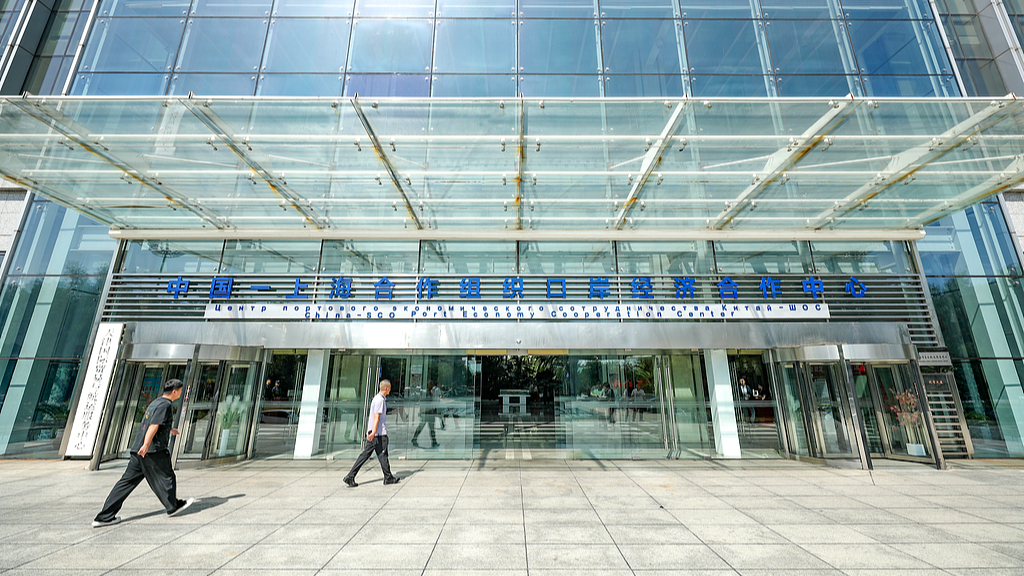
China released a list of the world's leading science and technology journals at the opening of the 2026 Pujiang Innovation Forum in Shanghai on Saturday.
The 2025 list covers 6,132 journals from 55 countries and regions, published in 23 languages. The list includes 353 Chinese journals.
The Institute of Scientific and Technical Information of China compiled the list, together with related research institutions, based on the world science citation database and an evaluation index system for world-class sci-tech journals.
In the 2025 list, the US and the UK ranked first and second among the top ten countries, with 1,845 and 1,815 journals respectively, followed by the Netherlands, Germany, China, Switzerland, Japan, France, South Korea and Singapore ranking from third to tenth.
The top ten languages used by these journals were English, French, German, Chinese, Spanish, Portuguese, Italian, Japanese, Korean and Polish. In terms of the founding history of the journals, 384 journals have a history of more than 100 years, 1,360 were established 50 to 100 years ago, 1,871 were founded 30 to 50 years ago, 2,266 journals were founded 10 to 30 years ago, and 251 were launched within the past decade.
Among the countries that have launched the largest number of world-class scientific and technological journals in the past ten years, China ranked first with 83 journals, followed by the US with 67, the UK with 56, the Netherlands with 14 and Switzerland with 9.
The release of the list provides a fair and impartial evaluation standard for sci-tech journals across different countries and languages, giving journals from emerging countries and newly founded journals equal evaluation opportunities.
The release is also significant for promoting high-quality development of sci-tech journals, optimizing the global academic ecosystem, and advancing exchanges and cooperation in sci-tech innovation.
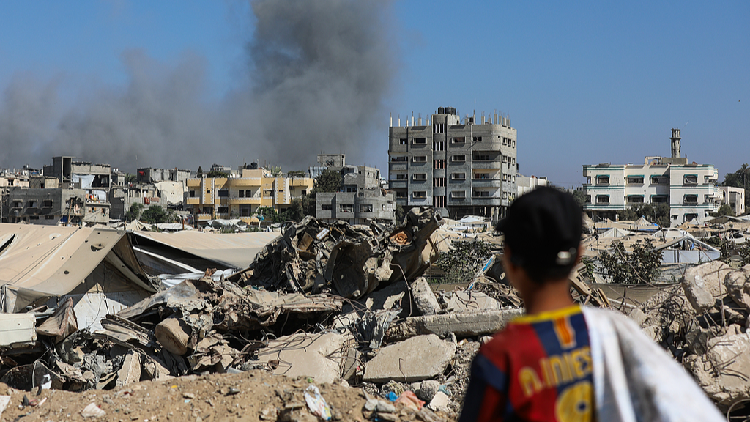
Yemen's Houthi group said on Sunday they used drones and missiles to attack a military base in southern Saudi Arabia as renewed fighting with Yemen's government forces forced growing numbers of civilians to flee.
The attack at the southern Sharurah base targeted "weapons depots and command and control centres that are managing the aggression against our nation and people," Houthi military spokesperson Yahya Sarea wrote on X.
The date of the operation was not specified.
Clashes have increased this week between the Houthis and Yemeni government forces. On Saturday, the government forces said they had struck Houthi fighters in the Red Sea city of Mocha and later attacked other Houthi positions in the southwestern part of the country.
"Air Force of the Armed Forces targeted positions and barracks of the terrorist Houthi group with three airstrikes" in the Taiz region, the Yemeni military said Sunday in a post on X.
US news site Axios also reported that Saudi Crown Prince Mohammed bin Salman Al Saud called US President Donald Trump twice to request strikes on the Houthis last week, but that the request was rejected.
The ongoing clashes follow a week-long Houthi offensive that culminated in the group capturing the remainder of Yemen's Red Sea coast and several strategic islands, cementing their hold on the Bab al-Mandab Strait at the sea's southern entrance.
The waterway has become an important artery for Saudi Arabian oil exports after Iran largely cut off shipments through the Gulf with its blockade on the Strait of Hormuz at the start of the Middle East war.
The Houthis have recently declared their own maritime blockade of Riyadh's Red Sea ports.
The state-run Saba news agency reported on Saturday that Yemeni "forces destroyed vehicles and weapons and killed members of the Houthi terrorist militia" near the port of Mocha. It quoted a spokesperson for the forces as saying they had also struck Houthi targets just outside the city.
The Houthis, meanwhile, said on Saturday evening that over the past 48 hours, "Saudi enemy aircraft conducted 129 airstrikes" on areas under their control.
2 injured after projectile falls in Saudi Arabia's Jazan
On Saturday night, Saudi authorities said a Houthi projectile fell in Al-Tuwal governorate in the Jazan region, hours after issuing alerts warning of the risk of possible attacks.
The civil defense directorate said the incident resulted "in two injuries and material damage to a mosque, several buildings and vehicles."
The latest fighting between the government forces and the Houthi group has uprooted millions of people and led even more to flee their homes.
The fall of Mocha to the Houthis on Thursday drove many residents to Aden, where the internationally recognized government is based.
One of the displaced, Abdulali al-Rajihi, said the Houthis told them: "Leave, scatter, you have half an hour."
"We fled wearing the clothes on our backs, and we took our children, as much as we could manage."
The UN's migration agency said on Saturday that since July, 76,000 people had fled the fighting, a figure that had quadrupled since last week.
About 1,400 people had fled to Djibouti, the country's minister of economy and finance Ilyas Moussa Dawaleh said on Saturday.
The renewed fighting in Yemen has killed more than 500 people, according to sources on both sides.
Trump says Yemen's Houthis have asked US not to intervene
Trump on Saturday acknowledged speaking to the de facto Saudi leader but said the Houthis had also "called us and they don't want to fight with us."
He did not elaborate on whether Washington would take any action, but told reporters that "everything's gonna work out fine and dandy" in the region.
In 2025, the United States conducted a seven-week bombing campaign against the Houthis in response to their repeated attacks on Red Sea shipping in support of Hamas in the Gaza war.
That ended with a negotiated ceasefire, though the Houthis kept up their missile and drone attacks targeting Israel.
More recently, the group has resumed attacks on ships in the Red Sea after declaring their maritime blockade of Saudi Arabia.
In Yemen's capital Sanaa, Houthi supporters celebrated the freeing of 210 prisoners held in areas that fell to the group.
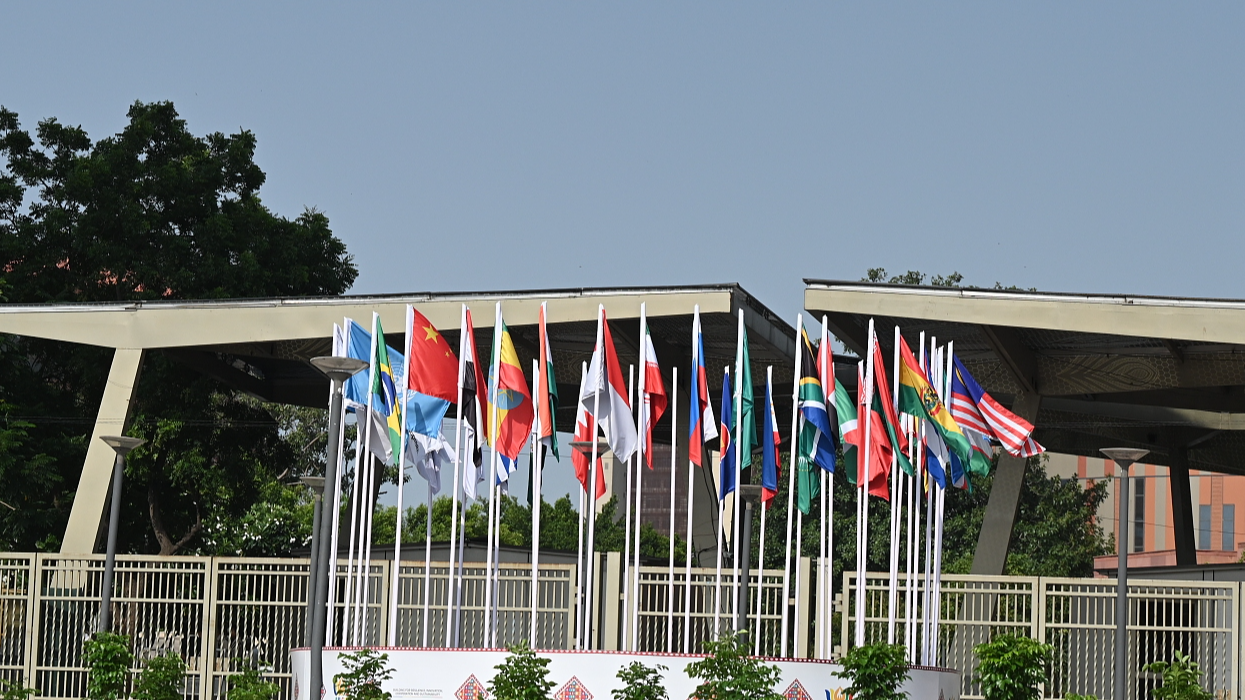
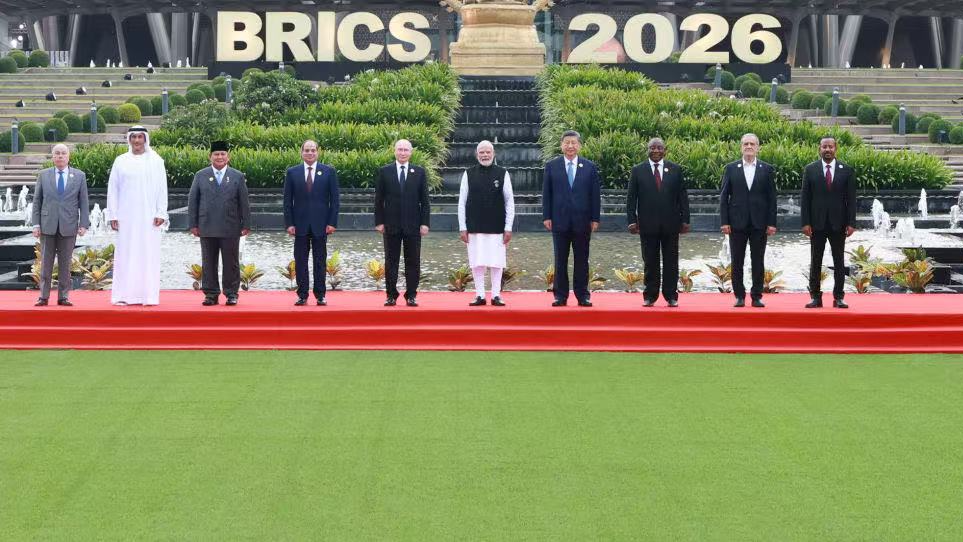
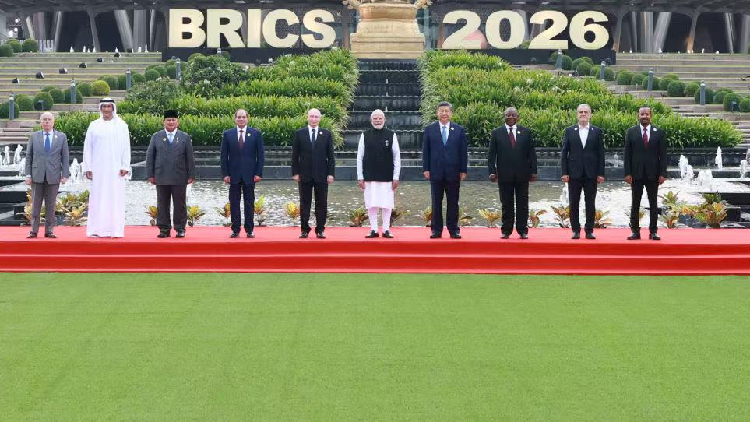
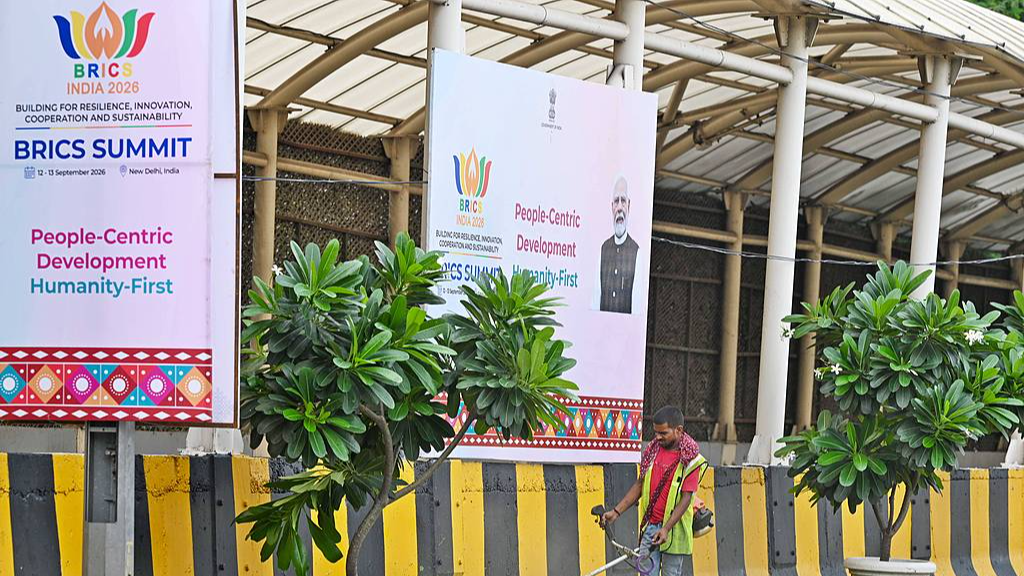
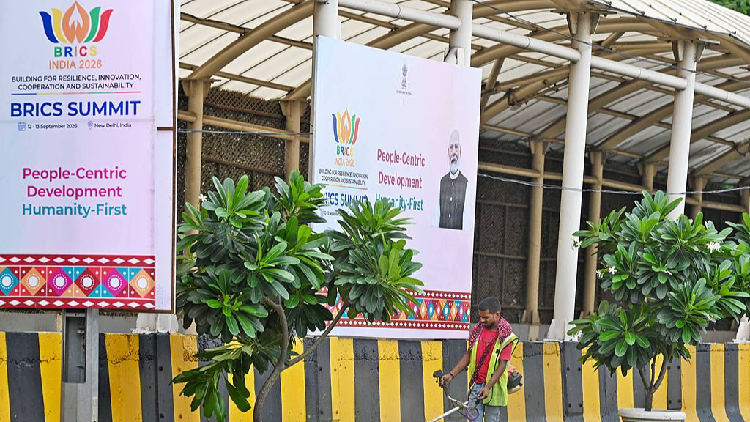
Leaders of BRICS countries at the 18th BRICS Summit adopted a joint declaration in New Delhi, the capital of India, on Saturday, reiterating their commitment to inclusive global governance and strengthening multilateralism, calling for international and regional peace and security, and underscoring sustainable and inclusive global economic growth as well as strengthening cultural and people-to-people cooperation.
The New Delhi Declaration reiterated the leaders' commitment to reforming and improving global governance by promoting a more just, equitable, agile, effective, representative and accountable international and multilateral system in the spirit of extensive consultation, joint contribution and shared benefits.
In the declaration, the leaders reiterated their commitment to strengthening multilateralism and multipolarity and to upholding international law, calling for greater and more meaningful participation and representation of emerging markets and developing countries as well as least developed countries in global decision-making processes and structures.
They also stated that they deplore attempts, including by deliberately withholding assessed contributions, to unilaterally undermine the work of global multilateral institutions and impair the implementation of their respective mandates.
The leaders also expressed concern about ongoing conflicts in many parts of the world and the current state of polarization and fragmentation in the international order, calling for the peaceful resolution of international disputes through dialogue, consultation and diplomacy.
They highlighted, in the context of international disputes, the importance of preventive diplomacy and mediation, with the consent of relevant parties, as essential tools to avoid crises and prevent their escalation, in accordance with the Purposes and Principles of the UN Charter.
Noting that current global challenges are interlinked and impede economic growth while accentuating persistent development gaps across countries and regions, the leaders reiterated the particular importance of sustainable development and inclusive growth in the UN agenda.
The declaration said that the leaders recognize that artificial intelligence presents immense opportunities to stimulate economic growth and sustainable development for all.
Reaffirming the importance of BRICS people-to-people exchanges and initiatives in enhancing mutual understanding, friendship and cooperation, the leaders also called for more efforts to respect diversity of cultures, highly value inheritance, innovation and creativity, and to jointly advocate robust international people-to-people exchanges and cooperation.
The leaders also declared full support for China for its BRICS presidency in 2027 and the holding of the 19th BRICS Summit in China.
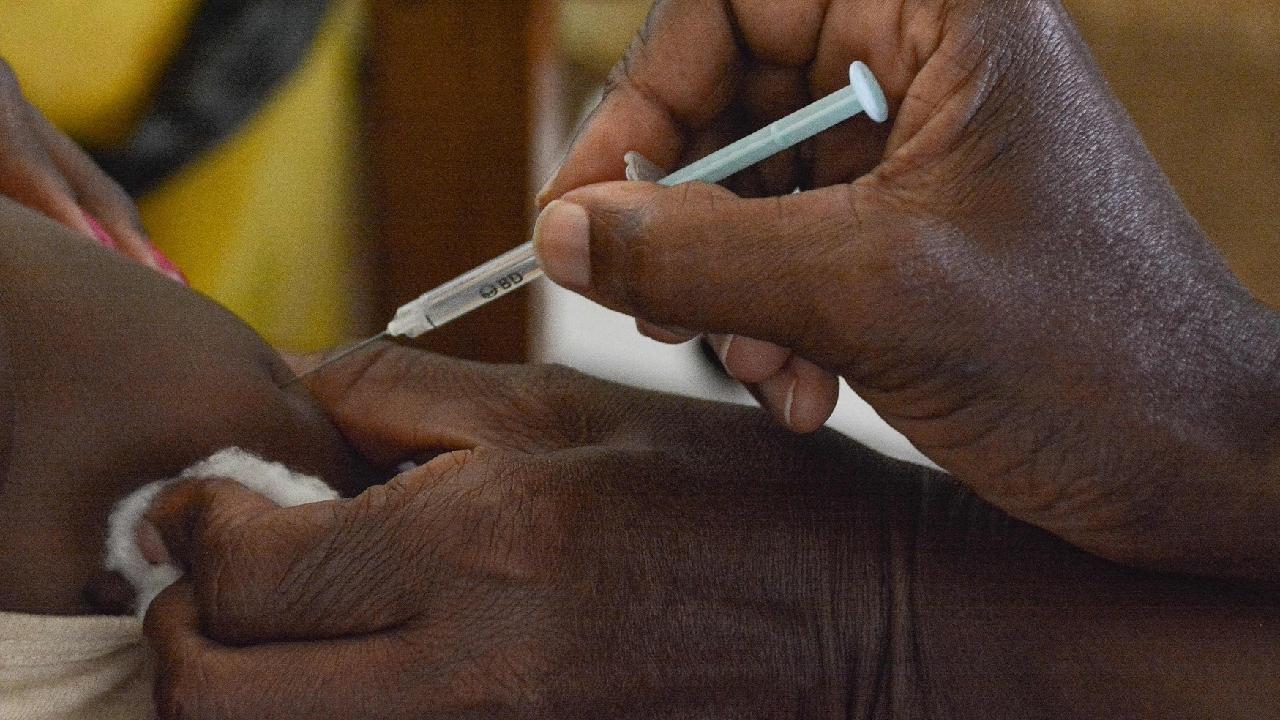
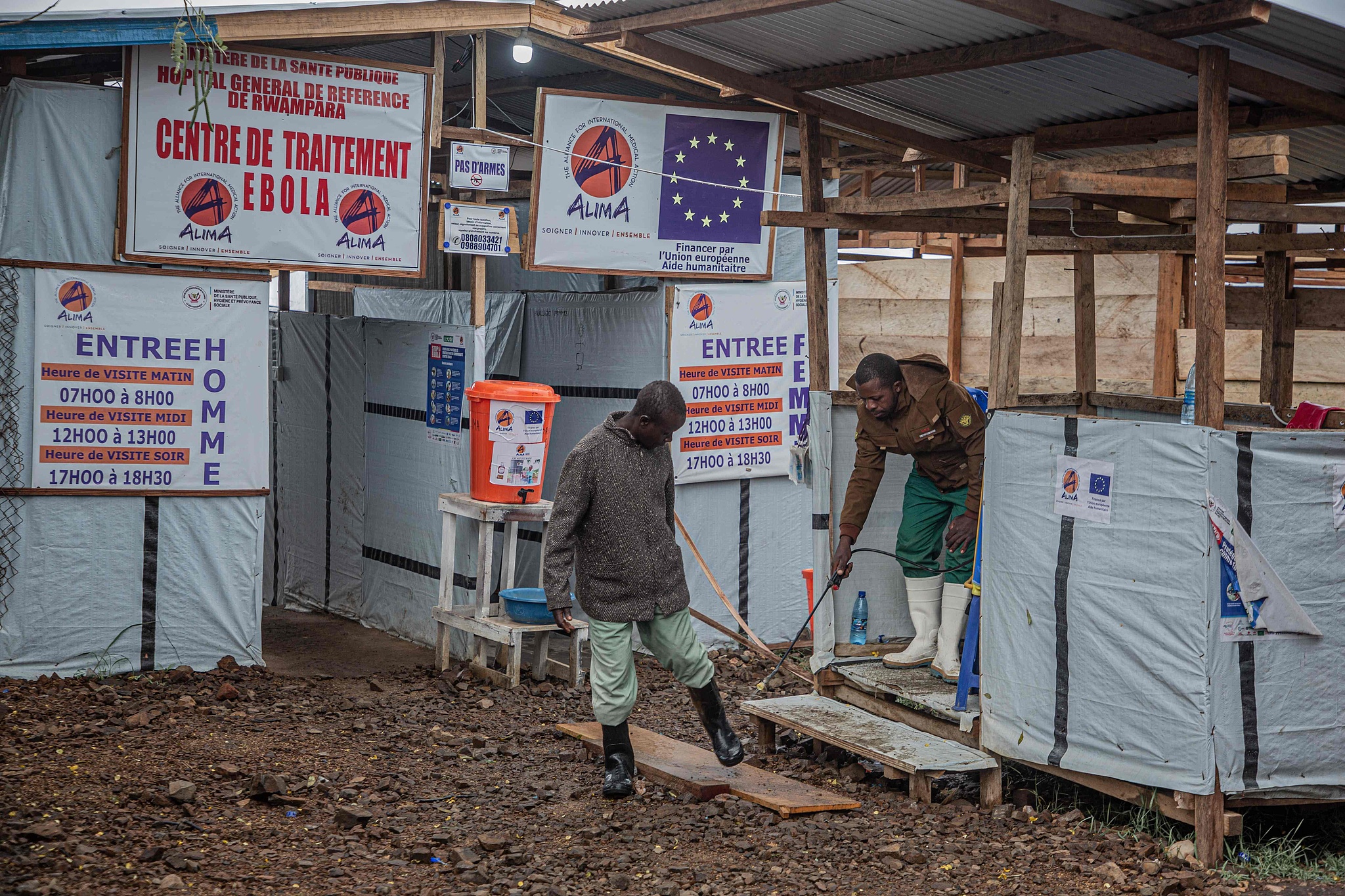
Scientists in Egypt are working to strengthen protection against Ebola, with clinical trials for a new vaccine expected to begin in the coming weeks.
The development follows a decision by the Coalition for Epidemic Preparedness Innovations (CEPI) to support Egypt's Minapharm in advancing the vaccine.
Minapharm operates what it describes as the largest biologics manufacturing facility in the Middle East and Africa. The company is developing the vaccine with its Germany-based subsidiary, ProBioGen.
Dr. Ashraf Omar, Professor of Hepatology and Liver Transplantation, says the project demonstrates Egypt's growing capacity in vaccine development and clinical research.
"It has a very significant impact, because it's a positive vote, that Egypt is capable of having the biotechnology of producing vaccines," Omar said.
He added that Africa accounts for less than 2% of clinical trials globally, making the project an opportunity to position Egypt as a hub for clinical research.
Minapharm and ProBioGen launched the vaccine development program following the outbreak of the latest deadly Ebola strain, for which there is currently no known vaccine or treatment.
CEPI is providing about $16.5 million to help advance the vaccine from pre-clinical development to Phase One clinical trials.
The funding covers manufacturing in Cairo and Berlin, as well as pre-clinical and regulatory work, the Phase One trial and technology transfer between the two facilities, according to Minapharm's Head of Biologics Pipeline, Mohamed Youssef.
"We are moving extremely fast on this. We are planning for manufacturing of the first batch in just a few weeks, then we proceed with the first human clinical trials in Rwanda," Youssef said.
Minapharm says the first human trials involving volunteers in Rwanda are planned for December.
If the vaccine receives the necessary regulatory approvals, a public rollout could begin in early 2027.
In February this year, an 82.15-km Regional Rapid Transit System in India, also known as the Namo Bharat line, went fully operational, connecting the National Capital Territory of Delhi with the cities of Ghaziabad and Meerut in Uttar Pradesh. Journey time between Delhi and Meerut during peak hours has been slashed from four hours by driving in the past to roughly one by rail today.
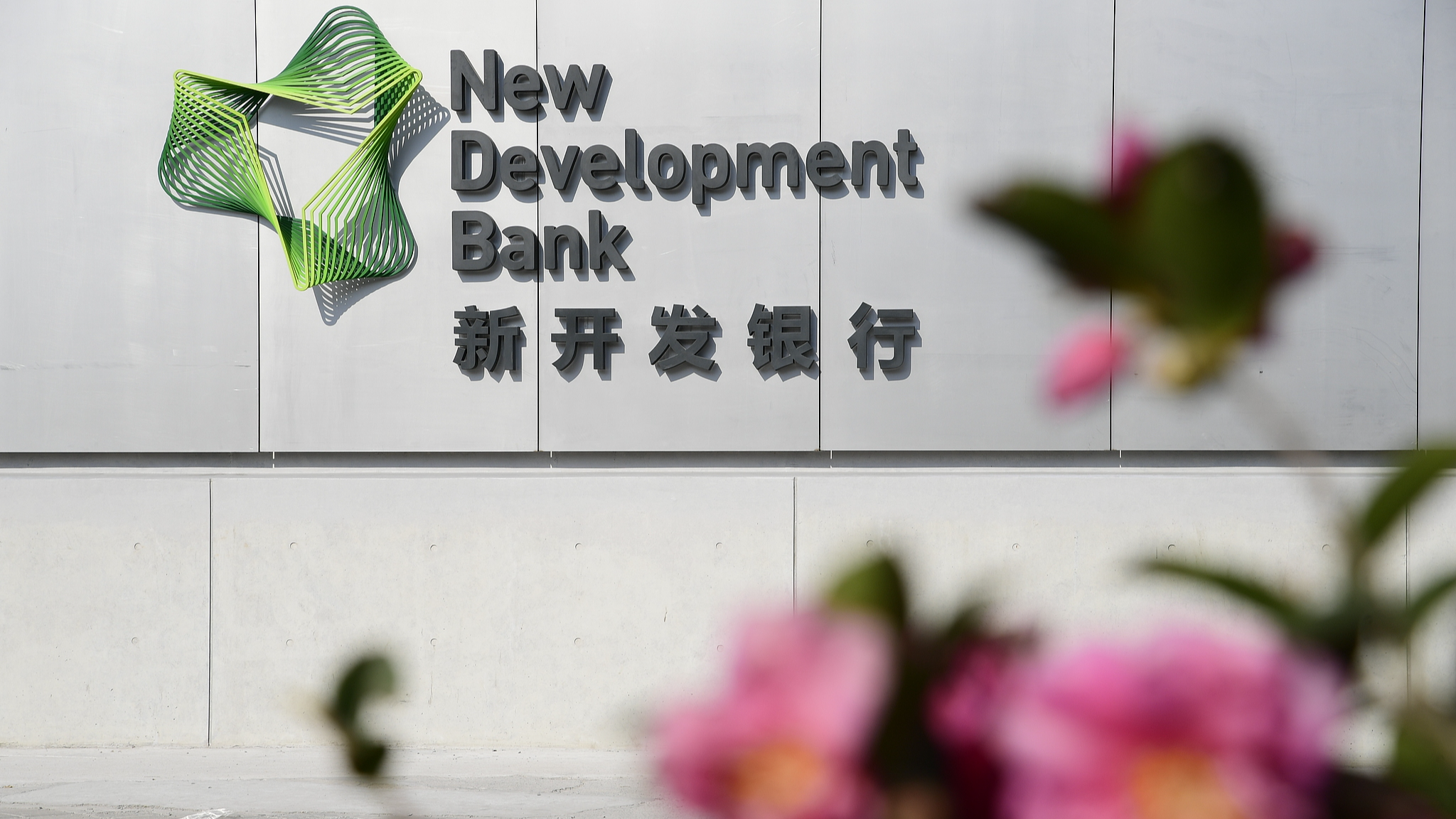
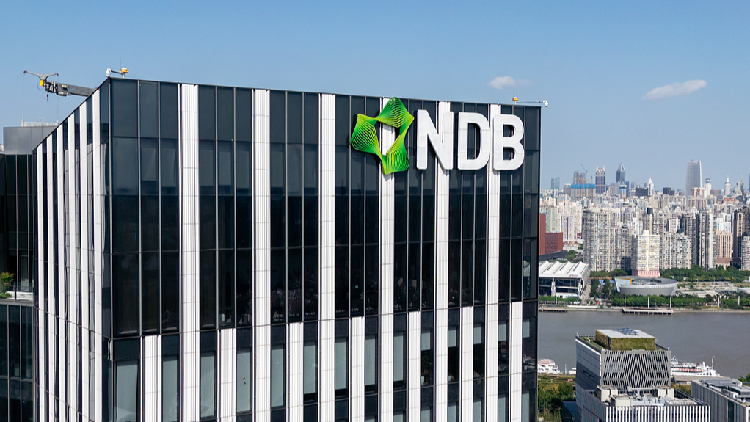
Financed in part by the New Development Bank (NDB), a flagship BRICS initiative, the project is more than a transport upgrade – it is a tangible example of how greater BRICS cooperation can translate financial resources into development outcomes.
Since its inception in 2006, BRICS has grown to 11 members and 10 partner countries, turning diversity into a source of cooperation and development momentum.
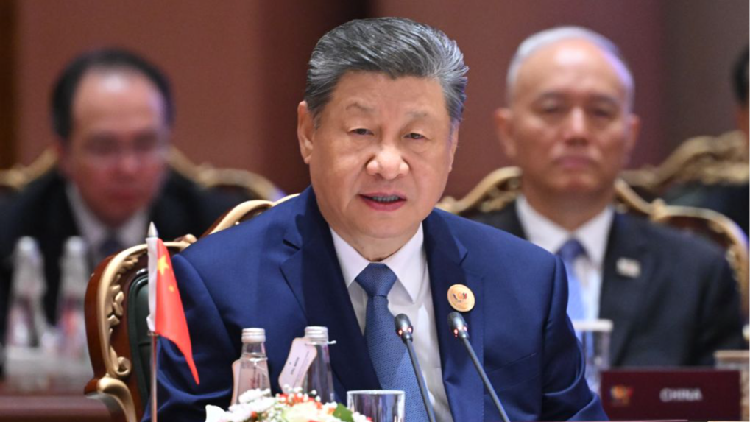
"Over the past two decades, the BRICS cooperation mechanism has continued to grow and expand and has demonstrated remarkable vitality and dynamism," Chinese President Xi Jinping said while addressing Session I of the 18th BRICS Summit in New Delhi on Saturday.
He called on BRICS countries to stand on the right side of history, strive to be a pioneer of the times, steer the international order toward greater justice and equity, and work together to build a community with a shared future for humanity.
High-quality development of greater BRICS cooperation
Over the past 20 years, BRICS members and partner countries have increasingly leveraged their respective strengths through open and mutually beneficial cooperation. What began as an economic cooperation mechanism has developed into a robust platform covering trade, investment, finance, innovation, energy, agriculture and people-to-people exchanges.
For many developing economies, access to affordable, long-term funding remains critical to turning development ambitions into reality. The NDB, headquartered in Shanghai, has helped provide such an option by mobilizing resources for infrastructure and sustainable development projects. Figures released by the bank showed that by the end of the first quarter of 2026, the NDB had approved $42.9 billion in financing for 140 projects.
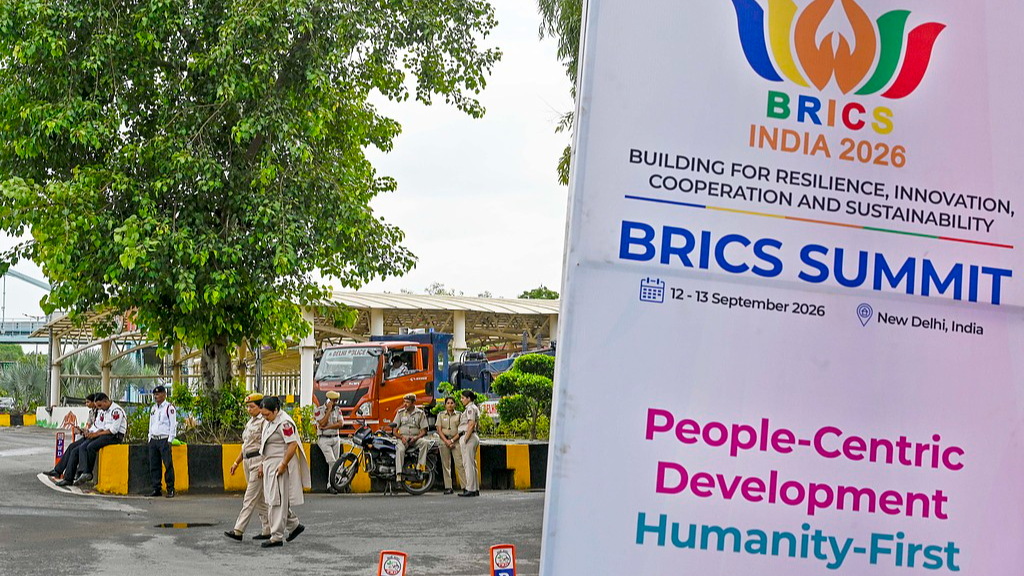
Covering areas like infrastructure, clean energy and digital transformation, these projects address the pressing development needs of Global South countries while echoing the priorities highlighted by the theme of the ongoing BRICS Summit, "Building for Resilience, Innovation, Cooperation and Sustainability."
The results can be seen in everyday economic activity. Chromite ore mined in South Africa is smelted into premium stainless steel plates at Chinese factories before finding its way into precision equipment workshops in India's Bengaluru. Chinese-made modern harvesters work across farmland in Brazil, whose soybean produce feeds global markets.
According to a UN Trade and Development report, intra-BRICS merchandise trade has soared from $84.2 billion in 2003 to $1.17 trillion in 2024, surging more than 13‑fold with an average annual growth rate of 13.3%, outpacing global trade expansion during the same period.
Hailing the past 20 years of BRICS cooperation as fruitful, Xi said BRICS has undergone a historic expansion, established a comprehensive, multifaceted cooperation structure and entered a new stage of high-quality development for greater BRICS cooperation.
Embarking on the third 'golden decade'
As the BRICS cooperation mechanism is embarking on its third "golden decade," its expanded membership and growing network of partners have brought new opportunities as well as new demands for cooperation.
Embodying the just aspirations of the Global South to advance the transformation of the international order and amplifying the collective voice of developing countries, the BRICS cooperation mechanism has grown into a strategic force for building a more just and equitable global governance system.
From proposing to deepen the BRICS partnership at the 2017 BRICS Summit in China's coastal city of Xiamen to advocating the building of a BRICS committed to peace, innovation, green development, justice and closer people-to-people exchanges at the 2024 BRICS Summit in Kazan, China has consistently enriched the connotation of the BRICS cooperation mechanism, aligning the group with the prevailing trend of peace and development.
In recent years, through establishing the BRICS Partnership on New Industrial Revolution Innovation Center, launching the China‑BRICS Artificial Intelligence Development and Cooperation Center and inaugurating the China-BRICS New Quality Productive Forces Research Center, BRICS members and partner countries have continuously expanded the breadth and depth of cooperation in areas like AI, digital development, scientific and technological innovation, industrial upgrading and green transition.
At the New Delhi Summit, Xi called on BRICS countries to pioneer in advancing innovation-driven development, upholding peace and stability, facilitating mutual learning between civilizations, and reforming and improving global governance.
These four priorities point to where the third "golden decade" of BRICS cooperation can generate new momentum.
The Chinese side stands ready to work with all parties to build consensus, create a better future, and embark on BRICS' third "golden decade," jointly opening up a bright future of prosperity and progress, Xi added.
Chinese President Xi Jinping on Saturday delivered a speech at Session I of the 18th BRICS Summit in New Delhi, India.
The following is the full text of Xi's speech:
Jointly Shouldering the Responsibility of the Times and Striving to Be a Pioneering Force
Statement by H.E. Xi Jinping
President of the People's Republic of China
At Session I of the 18th BRICS Summit
New Delhi, September 12, 2026
Your Excellency Prime Minister Narendra Modi,
Colleagues,
It gives me great pleasure to join you in New Delhi. I thank Prime Minister Modi and the Indian government for the thoughtful arrangements.
This year marks the 20th anniversary of BRICS cooperation. Over the past two decades, BRICS has been growing with strong vigor and vitality, and become the most influential cooperation platform in today's world for emerging markets and developing countries.
These are 20 years of self-reliance and self-strengthening. Standing at the forefront of the Global South, we BRICS countries have upheld independence, actively explored development paths suited to our respective national conditions, and set a fine example of emerging markets and developing countries seeking strength through unity.
These are 20 years of standing together through wind and rain. BRICS countries have been forging ahead with an undaunted spirit. Hand in hand we tackled the global financial crisis, COVID pandemic, climate change and other challenges, and we resolutely defended the common interests of the Global South, providing the world with stability and positive energy.
These are 20 years of fruitful outcomes. BRICS has realized a historic expansion, and now has a comprehensive, multifaceted cooperation structure with ever deepening cooperation in trade, investment, finance and technology, among others. It has entered a new stage of high-quality development of greater BRICS cooperation.
Today, changes unseen in a century are accelerating across the world. The Global South is gaining strength, and the trend toward a multipolar world is unstoppable. At the same time, unilateralism and power politics are surging against the tide, lashing at multilateralism and the international order. The deficits in peace, development, security and governance keep growing. For the exact purpose of addressing these deficits and building a better world, I have put forward the Global Development Initiative, the Global Security Initiative, the Global Civilization Initiative and the Global Governance Initiative. BRICS must stand firmly on the right side of history, strive to be a pioneer of our times, steer the international order in a direction that is more just and equitable, and work together to build a community with a shared future for humanity.
First, BRICS should be a pioneer in advancing innovation-driven development. The new round of scientific and technological revolution and industrial transformation represented by AI is bringing breakthroughs at a faster pace, shaping the global development landscape. We BRICS countries must keep the initiative firmly in our hands, strengthen cooperation in the field of AI, encourage open source, openness, collaboration and sharing, and break new grounds and scale new heights in our practical cooperation. Not long ago, China, together with various parties, initiated the World AI Cooperation Organization, and has developed international AI application cooperation centers with BRICS and others, which provide important platforms for closer AI cooperation for the world, particularly Global South countries. We welcome the active participation of BRICS countries. Here, I propose the BRICS initiative of AI-empowered new industrialization. China hopes to work with all parties for more outcomes in R&D and application and deeper cooperation in industrial and supply chains. Facts will prove that decoupling and cutting off supply chains will not hold back our development process, and espousing "small yard, high fences" will only box oneself in and divide the world.
Second, BRICS should be a pioneer in upholding peace and stability. Far from being tranquil, the world today is increasingly fluid and turbulent. This is fundamentally because the postwar international order is being undermined, and the purposes and principles of the UN Charter are not effectively observed. BRICS should stand firm, uphold justice, and strive to put an end to conflicts and defend peace. We should act on the vision of common, comprehensive, cooperative and sustainable security, oppose the Cold War mentality and bloc confrontation, and oppose violation of other countries' sovereignty or interference in other countries' internal affairs. We should participate constructively in the settlement of hotspot issues, and make BRICS' unique contribution to addressing both the symptoms and root causes.
The situation in the Middle East remains complex and fluid. This war has inflicted serious losses on the people of all countries in the region, and it is against the common interests of the international community. I have set out four propositions on safeguarding and promoting peace and stability in the Middle East, which are aimed at de-escalation, ending hostilities and promoting peace. The relevant parties should keep to the direction of political settlement, and work for a permanent, comprehensive ceasefire. Attention should be paid to addressing the problems at the source, rebuilding trust between regional countries, and establishing a new security architecture. The Palestinian question is always at the core of the Middle East issue, and the fundamental way forward is to implement the two-state solution and realize peaceful coexistence between Palestine and Israel. China will work with fellow BRICS members to play a due role in bringing peace and tranquility to the Middle East.
Third, BRICS should be a pioneer in facilitating mutual learning between civilizations. As a Chinese adage goes, the beauty of a delicious soup lies in the blending of different flavors. With our time-honored and diverse cultures, BRICS should be a garden of inclusive coexistence that allows various civilizations to flourish. We should promote the common values of humanity, and advocate exchange, mutual learning and harmonious coexistence between civilizations. We should hold the BRICS People-to-People Exchange Forum to share experience on national governance and build up positive energy for stable state-to-state relations. We should deepen cooperation in culture, tourism and education, step up exchanges between our youths, and facilitate mutual visits between the people to increase mutual understanding and amity.
Fourth, BRICS should be a pioneer in reforming and improving global governance. What kind of global governance system to build will determine the future of humanity. BRICS should align with the trend toward greater democracy in international relations, work toward a more just and equitable global governance system, uphold the authority of the UN, and oppose withdrawal from international organizations and treaties or creating rival systems. We should support the multilateral trading system with the World Trade Organization at its core, advance WTO reform, oppose abuse of tariffs, and reject all forms of protectionist measures. We should steer global governance in frontier domains such as cyberspace, outer space and deep sea, and increase the voice of Global South countries.
Colleagues,
During our arduous journey of 20 years, solidarity and cooperation have always been the source of strength for the cause of BRICS. We should continue treating each other with candor and sincerity, and seeking common ground while shelving differences. We should respect each other's core concerns, and commit ourselves to communication and dialogue to increase mutual understanding and properly handle disagreements, so that BRICS cooperation will continue to advance steadily.
China will take over the BRICS chairship next year, and host the 19th BRICS Summit. The Chinese side will seize the opportunity to build consensus and work with all parties to plan for the future. Together, we will usher in the third golden decade of BRICS cooperation, and open up a bright prospect of shared prosperity and progress.
Chinese President Xi Jinping delivered a speech at Session I of the 18th BRICS Summit in New Delhi, India, on Saturday.
Xi said that BRICS countries should firmly stand on the right side of history. Xi called on BRICS countries to pioneer in advancing innovation-driven development, upholding peace and stability, facilitating mutual learning between civilizations, and reforming and improving global governance, noting that BRICS countries should steer the international order toward greater justice and equity and work together to build a community with a shared future for humanity.
Ali al-Zaidi, Iraqi prime minister and commander-in-chief of the armed forces, approved Iran's request to conduct a joint investigation into finding drone launch platforms near the Iraq-Iran border, Sabah al-Numan, spokesperson for the commander-in-chief of the Iraqi forces, said Saturday.
The decision came as Iraqi authorities intensified security measures following confirmation that recent drone attacks targeting Saudi Arabia were launched from a site within Iraq's southern province of Maysan.
Earlier on Saturday, al-Zaidi dismissed the Maysan Operations Commander and Maysan Police Commander and ordered the formation of a special investigative council to probe the issue, according to separate statements by al-Numan.
The death toll from a Philippine ferry fire climbed to 76 on Saturday night after the coast guard confirmed 41 more bodies had been found aboard the burnt-out vessel.
The remains will be taken to a port in the resort town of Coron, Palawan, coast guard spokeswoman Commodore Noemie Cayabyab said in a statement.
Over the past two decades, BRICS has been growing with strong vigor and vitality and has become the most influential cooperation platform in today's world for emerging markets and developing countries, Chinese President Xi Jinping said on Saturday.
Xi made the remarks when delivering an important statement at Session I of the 18th BRICS Summit in New Delhi, India.
Noting this year marks the 20th anniversary of BRICS cooperation, Xi said BRICS countries, standing at the forefront of the Global South, have upheld independence, actively explored development paths suited to respective national conditions and set a fine example of emerging markets and developing countries seeking strength through unity.
He noted that BRICS countries have been forging ahead with an undaunted spirit. "Hand in hand we tackled the global financial crisis, COVID pandemic, climate change and other challenges, and we resolutely defended the common interests of the Global South, providing the world with stability and positive energy."
Xi hailed the 20 years of fruitful outcomes, adding that BRICS has realized a historic expansion and now has a comprehensive, multifaceted cooperation structure with ever-deepening cooperation in trade, investment, finance and technology, among others.
"It has entered a new stage of high-quality development of greater BRICS cooperation," said Xi.
Chinese President Xi Jinping said Saturday that BRICS countries should firmly stand on the right side of history in an address to the 18th BRICS Summit in New Delhi.
Xi called on BRICS countries to pioneer in innovative development, as well as in maintaining peace and stability, boosting mutual learning among civilizations, and improving global governance, noting that BRICS countries should steer the international order toward greater justice and equity, and work together to build a community with a shared future for humanity.
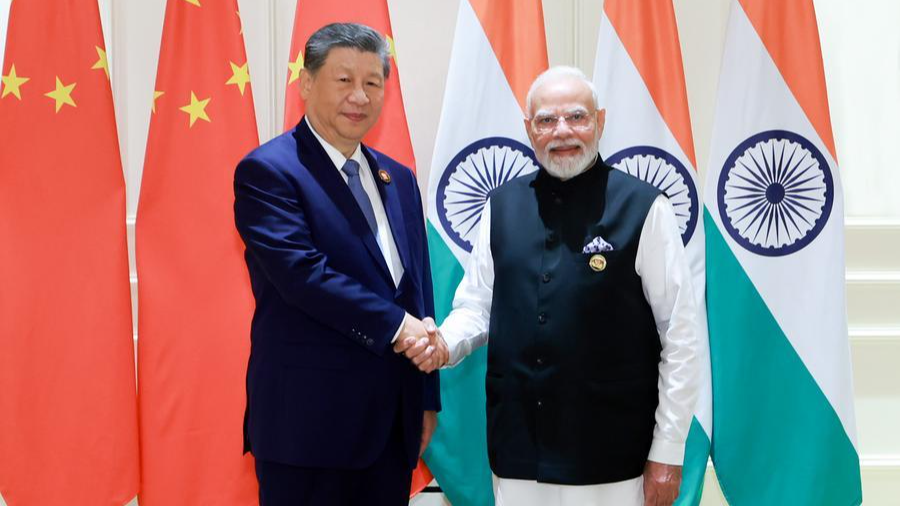
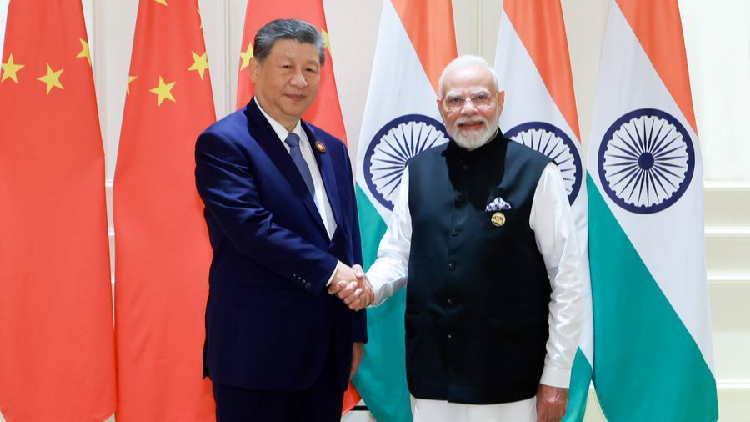
Chinese President Xi Jinping and Indian Prime Minister Narendra Modi conducted on Saturday a candid and in-depth exchange of views, and reached important consensus that China and India should be partners.
The two leaders met on the sidelines of the 18th BRICS Summit in New Delhi.
Xi said China has always viewed and developed its relations with India from a strategic height and with a long-term perspective.
Xi noted that he has met with Modi twice over the past two years, guiding bilateral relations from a new start to a further improvement.
Institutional exchanges between the two countries have gradually resumed, the list of areas of cooperation has continued to grow, and bilateral trade has reached a new record high, Xi added.
Xi said such hard-won progress should be cherished. Noting that China and India have different national conditions, Xi said they can draw on each other's strengths, support one another, help each other succeed and pursue common development.
Amid a turbulent international landscape, China and India, as the world's two most populous countries and important members of the Global South, shoulder important responsibilities, Xi said.
Xi called on the two sides to keep in mind the future of humanity and the well-being of peoples, work together to promote high-quality development of greater BRICS cooperation, and contribute more positive energy to world peace, stability, development and prosperity.
Underscoring objective and rational strategic perception in calibrating China-India relations, Xi said China and India are partners for cooperation, not rivals. The two countries provide development opportunities for each other rather than pose threats to each other, he added.
That is a strategic judgment based on the development stages of the two countries and the international environment, and serves the common interests of both countries and their peoples, Xi said.
Xi called on both sides to help each other succeed through win-win cooperation.
The two sides, Xi said, should focus on development as their greatest common denominator, while strengthening friendly exchanges and mutually beneficial cooperation.
He called on the two sides to expand cooperation in people-to-people exchanges, direct flights and other areas to effectively strengthen the public support for bilateral relations.
The two sides should also balance and address each other's economic and trade concerns, and promote a sound and stable development of bilateral economic and trade ties, Xi added.
Xi called on China and India to draw on political wisdom of mutual respect and understanding to overcome disruptions, urging both sides to pursue parallel progress in bilateral ties and border issues with the two tracks reinforcing each other, so as to maintain peace and tranquility in border areas.
He also urged China and India to promote multilateral cooperation with openness and inclusiveness to benefit the world.
Xi said the two countries should support each other as rotating chair of the BRICS, strengthen coordination within such multilateral frameworks as the United Nations, the Shanghai Cooperation Organization and the Group of 20, stand together in addressing global challenges, and unequivocally uphold international fairness and justice.
Modi said he has held several productive meetings with Xi, guiding India-China relations toward a positive direction, which serves the common interests of the more than 2.8 billion people of both countries.
The two major civilizations of India and China have, over thousands of years, learned from each other through exchanges and moved forward hand in hand, he said.
India always views India-China relations from a strategic height and a long-term perspective, and is willing to be a partner rather than a rival to China, and to regard each other's development as an opportunity rather than a challenge, he noted.
India adheres to an independent foreign policy, and the development of its relations with China is not subject to the influence of any third party, he said.
The Indian government's policy and stance on the Taiwan question and Xizang-related issues remain unchanged. No forces are allowed to conduct anti-China activities in India.
India is ready to maintain high-level exchanges with China on the basis of mutual respect and mutual trust, strengthen strategic communication, promote mutually beneficial cooperation, and enhance people-to-people exchanges, so as to advance bilateral relations to greater heights, Modi said.
The two sides should work together to safeguard peace and tranquility in the border areas, he added.
India thanked China for its support for India's hosting of the BRICS summit and will fully support China in assuming the BRICS chairmanship next year, he said.
Modi said India is ready to closely coordinate and cooperate with China to jointly strengthen cooperation among Global South countries, promote a more multipolar world and global economic growth, and serve as a force for stability and progress in a turbulent world.
Chinese President Xi Jinping said Saturday that as the situation in the Middle East and the Gulf region continues to evolve, the war there has caused serious losses to people across the region and does not serve the common interests of the international community.
Xi made the remarks when delivering an important statement at Session I of the 18th BRICS Summit in New Delhi, India.
Stressing the situation in the Middle East remains complex and fluid, Xi said he had set out four propositions on safeguarding and promoting peace and stability in the Middle East, which are aimed at de-escalation, ending hostilities and promoting peace.
The relevant parties should keep to the direction of political settlement and work for a permanent, comprehensive ceasefire, he added.
China will work with fellow BRICS members to play a due role in bringing peace and tranquility to the Middle East, the Chinese president said.
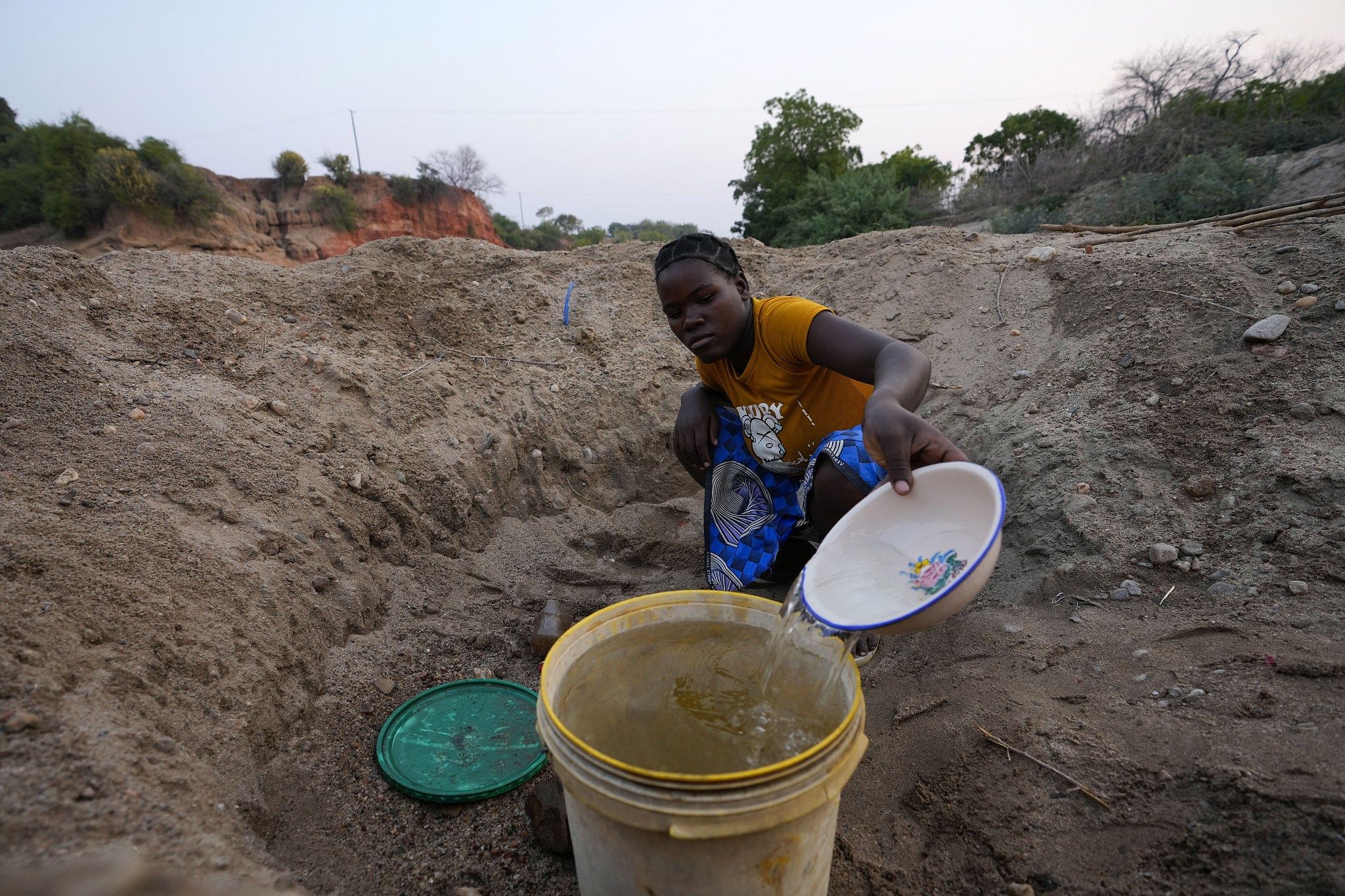
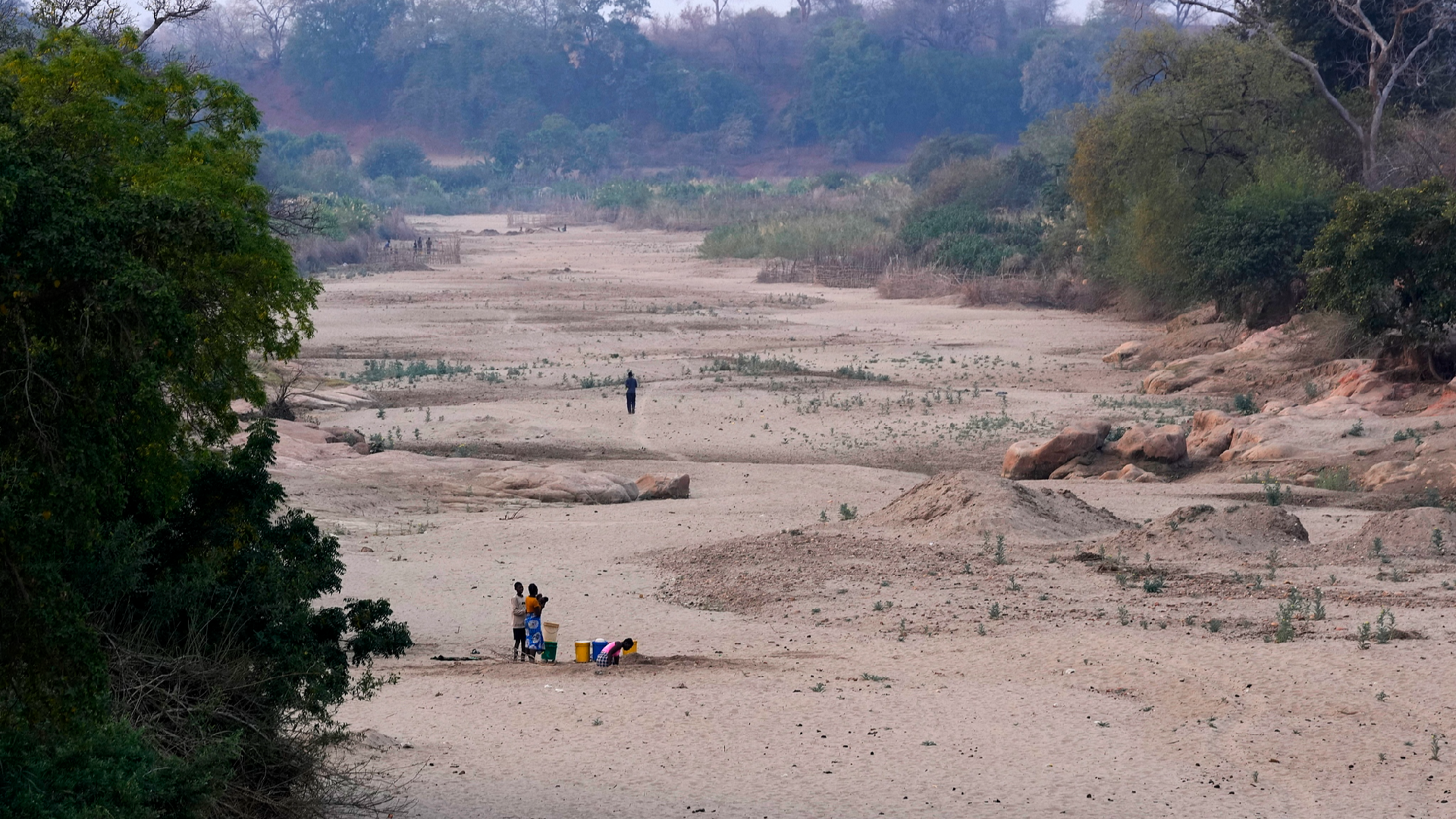
About 1.2 million Zambians could face acute food insecurity from October this year to March next year due to an El Nino-induced drought, a senior government official said Friday.
Announcing the latest seasonal rainfall outlook in Lusaka, the country's capital, Secretary to the Cabinet Patrick Kangwa said the figure represents 7% of the analyzed population in 93 districts expected to experience drought during the 2026/2027 rainy season.
Kangwa urged early preparations for the challenging season, saying El Nino was expected to significantly influence weather patterns.
He said northern Zambia would receive normal to above-normal rainfall from October to December, while southern Zambia would experience below-normal rainfall due to El Nino.
"The contrasting rainfall patterns require targeted and proactive measures across climate-sensitive sectors," he added.
He described the forecast as an early warning roadmap for safeguarding the country's development gains and directed all provincial administrations to immediately implement multisectoral contingency plans.
Zambia experienced a severe drought during the 2023/2024 rainy season due to extreme weather associated with El Nino. According to the government, the drought affected crop production in 84 of the country's 116 districts, leaving about 1.6 million people in need of food assistance.
Josephine Dlamini, not her real name, has heard claims about the possible risks of childhood vaccines. Some of the information she has encountered has left her questioning what to believe.
But the Johannesburg mother of two continues to vaccinate her children.
“I think it’s crazy, but I would do it just in case. They’re just theories. Even if they’re true, what if my kids never get affected by whatever they are doing? But they will definitely get sick if they don’t get vaccinated,” she said.
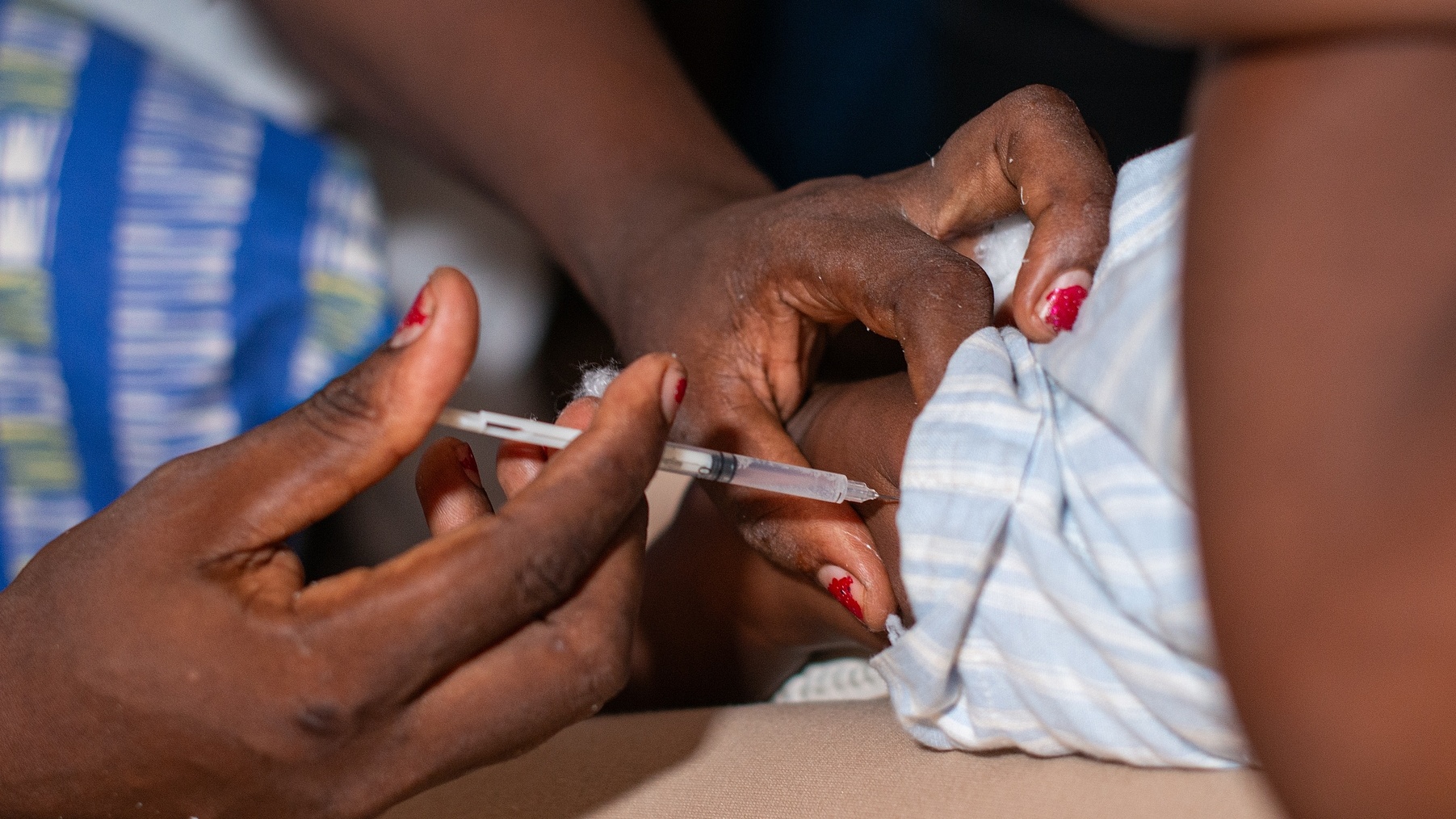
Her concerns come as South Africa faces a sharp decline in childhood immunisation. The National Department of Health says routine coverage has fallen across all 52 health districts.
The proportion of infants under one recorded as having received no vaccinations rose from 12.1% in 2017 to 36.3% between January and April 2026, the department says. First-dose coverage among children under one also fell from 87% in 2021 to 67% in 2025.
The decline has coincided with outbreaks of vaccine-preventable diseases, including measles and diphtheria.
For Dr Lesley Bamford, a specialist at South Africa’s National Department of Health, the reasons for the decline are varied.
“There is low demand due to a lack of knowledge and appreciation of the benefits and value of vaccines among parents, caregivers and family,” she said.
But Bamford said the problem is not only whether parents want their children vaccinated. There are also missed opportunities within the health system.
Children who visit a health facility for any reason should have their vaccination status checked and be offered routine or catch-up vaccines if they have fallen behind.
“All health care contacts should check immunization status and provide routine and catch-up vaccines,” she said.
Bamford said the department also receives reports that vaccines are not always available at some facilities, although there are no national vaccine stock-outs. Provincial health departments are responsible for ensuring vaccines remain available at facilities.
The department is also reviewing the population figures used to calculate vaccination coverage. Bamford said inaccurate population denominators could make coverage appear lower than it is, and work is under way to improve the figures.
But she said the decline remains a serious concern.
“We are already seeing outbreaks of measles and diphtheria, which had become very rare,” Bamford said. “If we don't address the decline, we are likely to see more cases and that threatens the lives and well-being of children.”
The problem extends beyond South Africa.
Across Africa, vaccination programmes have recovered from some of the disruption caused by the COVID-19 pandemic, but coverage remains below pre-pandemic levels.
Coverage for the third dose of the diphtheria, tetanus and pertussis vaccine reached about 77% in Africa in 2025, up from 73% in 2021 but below the 79% recorded in 2019, according to the World Health Organization and the United Nations Children's Fund. In West and Central Africa, coverage was even lower at 71%.
Dr Paul Ngwakum of the United Nations Children’s Fund said the continent's vaccination gap is being driven by several factors, including limited access to health services, weaknesses in health systems, children dropping out before completing their vaccination schedules, and growing misinformation or declining confidence in some communities.
Children in remote, conflict-affected and fragile areas can be particularly difficult to reach, he said. But countries also need to identify children who are being missed in urban areas, including informal settlements.
“You have to identify where the children are and then go and reach them,” Ngwakum said.
That requires stronger primary health-care systems, sufficient health workers and better use of data to identify children who have received no vaccines or have started their vaccination schedules but not completed them.
Financing is another concern, Ngwakum said, as countries face increasing pressure on health budgets and international funding.
But reaching children with vaccines is only one part of the problem.
In some communities, concerns about vaccine safety and misinformation can affect whether parents seek vaccination for their children or return for subsequent doses.
Ngwakum said health authorities need to engage with communities and understand their wider concerns rather than simply telling people to vaccinate.
“You cannot go to be giving a polio vaccination to a child when the community says our problem is water,” he said. “So you have to package it in such a way that it’s appetizing for the community.”
That means linking immunisation with other health and community services where possible, he said.
“If you bring supply and there’s no demand, you don’t get to the result. It has to be both,” Ngwakum said.
The consequences of these gaps are already being seen in measles outbreaks across the continent.
Measles is highly contagious, and very high vaccination coverage is needed to prevent sustained transmission. The World Health Organization recommends at least 95% coverage to prevent outbreaks.
The disease continues to circulate in several African countries in 2026. In South Africa, the National Institute for Communicable Diseases had recorded 4,188 laboratory-confirmed measles cases between December 29, 2025 and August 30, 2026. Other countries are also responding to measles outbreaks. Sierra Leone, for example, has been working to identify and vaccinate children who have never received routine vaccines. The Democratic Republic of Congo also continues to face recurrent measles outbreaks alongside other health emergencies.
The outbreaks come despite broader progress against measles in Africa. The World Health Organization said in April that measles cases across the region had fallen by 40% and deaths had been halved, while vaccination had averted nearly 20 million measles-related deaths in Africa since 2000.
Cape Verde, Mauritius and Seychelles have eliminated measles and rubella, demonstrating what sustained vaccination programmes can achieve.
Ngwakum said other countries can make similar progress when immunisation is treated as a priority.
He pointed to South Sudan, where health authorities and partners have worked to identify children who are being missed and reach them despite a difficult humanitarian environment.
The approach requires political commitment, investment in primary health care, reliable data and sustained engagement with communities, he added.
Officials agree that closing the vaccination gap will require addressing both sides of the problem: making vaccines available and accessible while ensuring parents and communities understand their value and trust the health system delivering them.
“Immunization is one of the most cost-effective interventions or investments that any country can make in the health and the future of their children,” Ngwakum said.
Africa has made substantial gains through vaccination. The challenge now is to ensure that gaps in access, completion and confidence do not erode them.
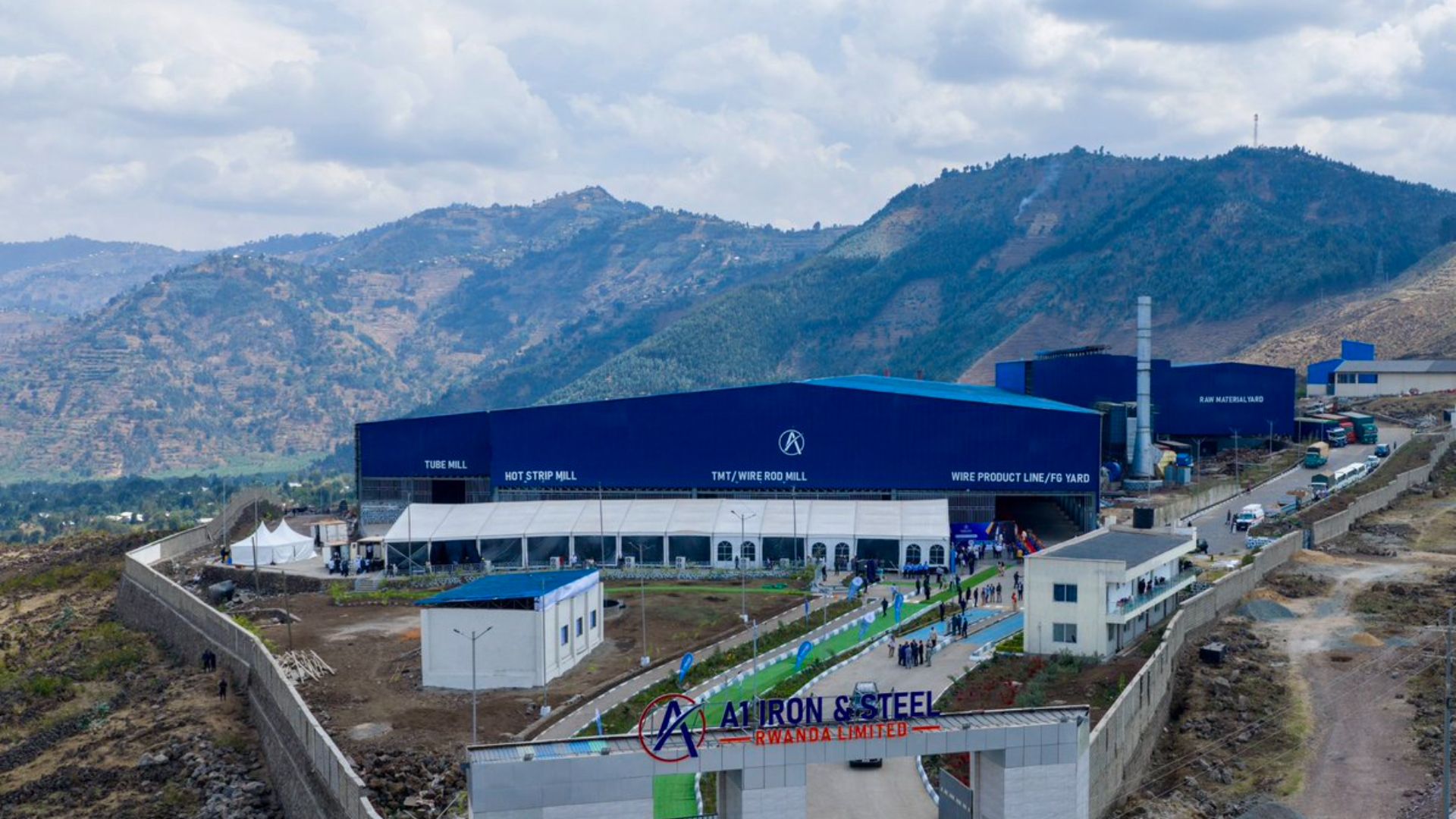
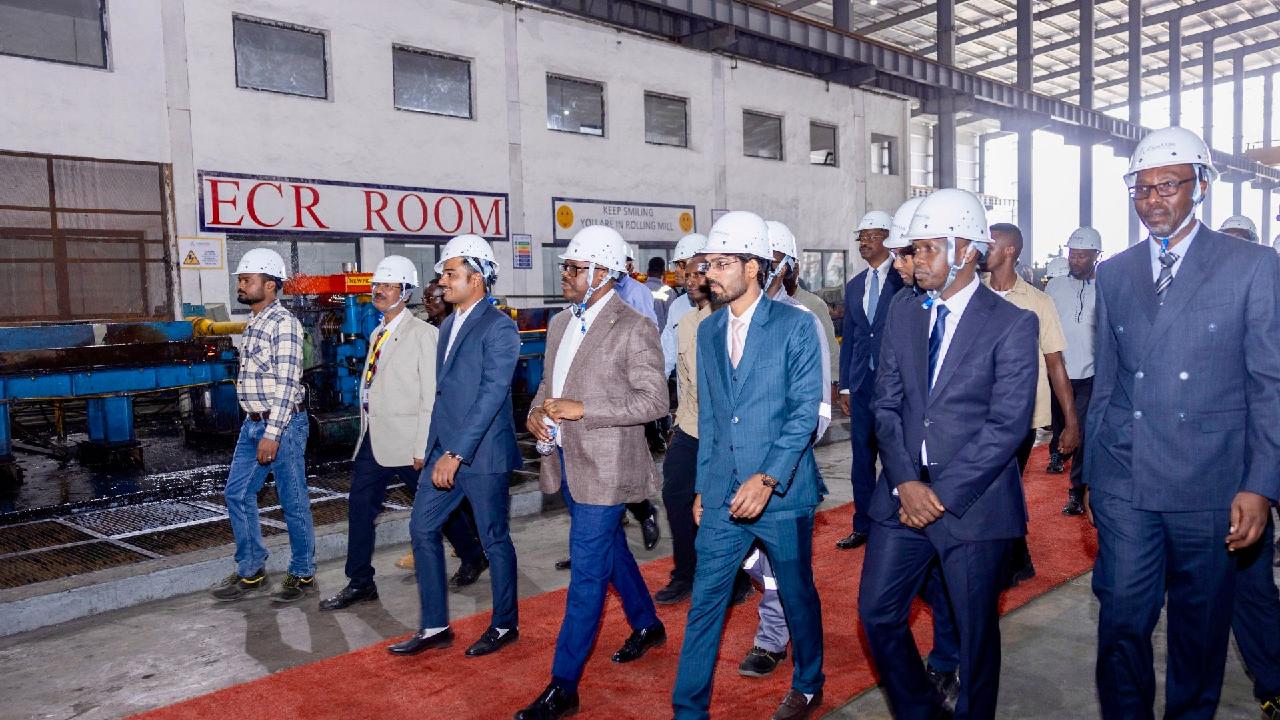
Rwanda launched its first steel manufacturing plant Friday, set to boost the country's production of local products and reduce steel imports.
Rwandan Prime Minister Justin Nsengiyumva inaugurated the A1 Iron and Steel Rwanda Ltd. in the industrial park in Musanze District, northern Rwanda.
In his remarks, Nsengiyumva said the government expects the factory to produce products which will be competitive both locally and regionally.
He commended the private sector investors for their role in Rwanda's industrial development.
The factory makes finished steel products, including iron bars, nails, barbed wires, pipes, and various other construction products.
Information from the factory indicates that the plant that started operations in April this year would process about 250,000 tonnes of steel annually and create around 1,000 direct and 2,500 indirect jobs.
China will take over the BRICS presidency next year and host the 19th BRICS Summit, President Xi Jinping announced at Session I of the 18th BRICS Summit in New Delhi, India, on Saturday afternoon.
Xi stressed that the Chinese side will seize the opportunity to build consensus and work with all parties to plan for the future.
"Together, we will usher in the third golden decade of BRICS cooperation and open up a bright prospect of shared prosperity and progress," Xi said.
Ali al-Zaidi, Iraqi prime minister and commander-in-chief of the armed forces, dismissed the Maysan Operations Commander on Saturday after authorities confirmed attacks targeting Saudi Arabia had been launched from a site in Maysan province in southern Iraq.
Al-Zaidi also ordered an investigation into the Maysan Operations Command by forming a special investigative council, Sabah al-Numan, spokesperson for the commander-in-chief of the Iraqi forces, said in a statement.
The move came after the Iraqi government late Friday condemned the attacks on Saudi Arabia, saying it rejected "any aggression that threatens the Kingdom's security and stability."
The Iraqi government appreciated Saudi Arabia's response to Baghdad's efforts to contain the situation, Al-Numan said. "The state will not tolerate any activity that endangers Iraq or its relations with brotherly and friendly countries."
Iraq also reaffirmed that its territory and airspace would "not be used as a launching point for attacks against any country," and that its policy is based on respecting the sovereignty of states.
The Saudi Foreign Ministry said Friday that its East-West Pipeline was attacked by several drones launched from Iraq, causing injuries and damage.
Condemning the attacks in a statement, the ministry noted that at the request of the Iraqi prime minister, the kingdom had refrained from responding at this stage.
Saudi Arabia has invested heavily in the East-West Pipeline, which carries crude oil from its eastern fields to the Red Sea port of Yanbu, bypassing the Strait of Hormuz.
Earth just sweltered through its hottest August on record, the World Meteorological Organization (WMO) said Friday, and the effects were felt around the planet.
The Northern Hemisphere had its warmest summer, while the Southern Hemisphere had a near-record warm winter, and at both poles, sea ice coverage fell below average.
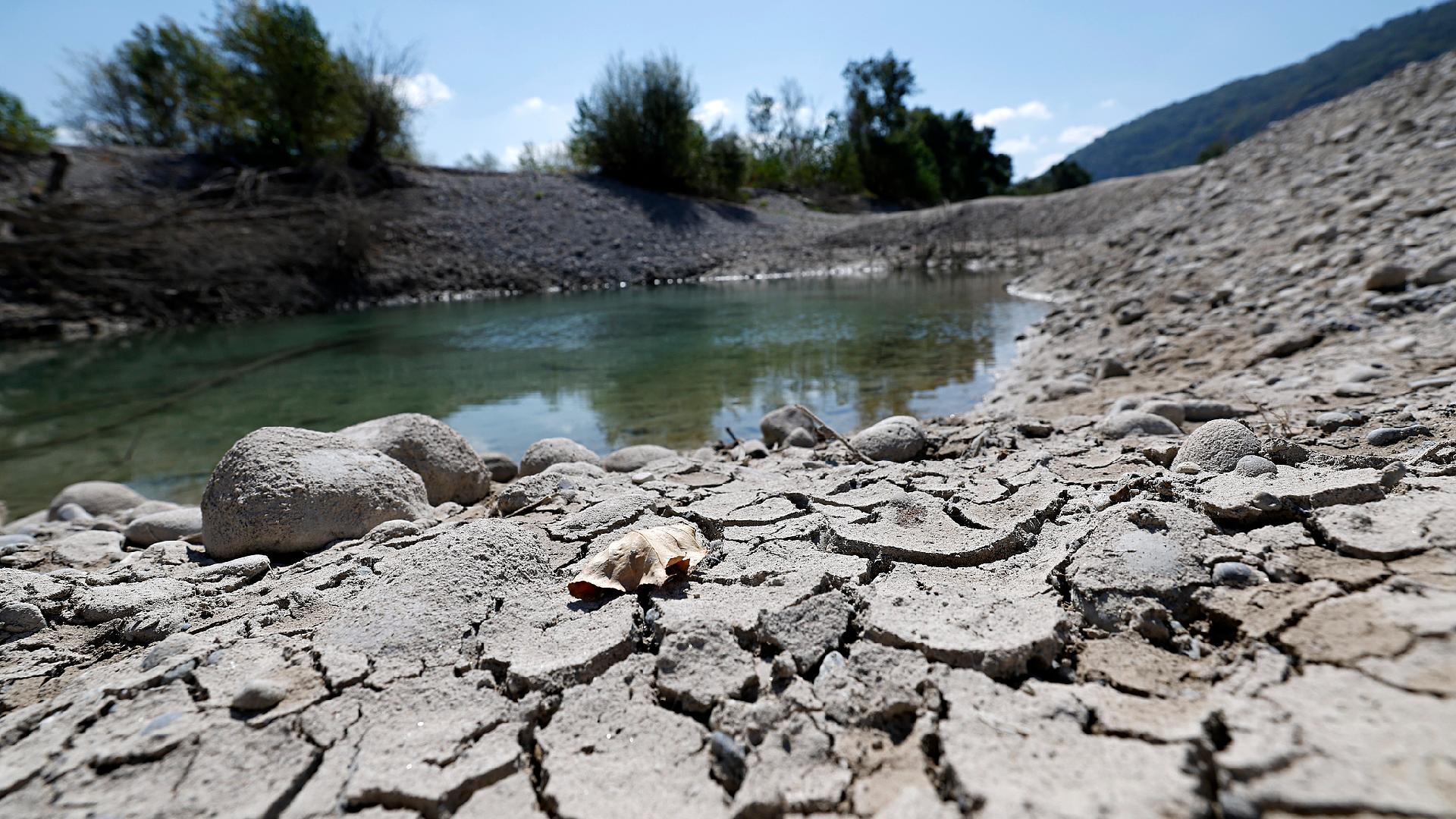
Western Europe baked in August under heatwaves that capped off an exceptional run of extreme heat beginning in May. Severe drought conditions gripped France, Hungary, Romania, Serbia and Britain.
Large parts of central and eastern Europe also dried out, in some cases since May. Major rivers, including the Rhine, Danube, Southern Bug and Dnieper, ran exceptionally low.
Part of the driver was El Niño, which also influenced tropical cyclones, heavy rainfall and floods in some countries, the WMO said.
The 10 warmest Augusts on record have all occurred since 2016, the agency said.
Chinese President Xi Jinping said in New Delhi on Saturday that the BRICS cooperation mechanism has become the world's most influential platform for cooperation among emerging markets and developing countries.
Addressing Session I of the 18th BRICS Summit in New Delhi, Xi noted that this year marks the 20th anniversary of BRICS cooperation, saying that over the past two decades, the BRICS cooperation mechanism has continued to grow and expand and has demonstrated remarkable vitality and dynamism.
Xi said it has been 20 years of self-reliance and self-strengthening, adding that BRICS countries have actively explored development paths suited to their own national conditions, setting an example of self-strengthening through unity among emerging markets and developing countries.
This has also been 20 years of standing together through thick and thin, Xi noted.
BRICS countries, Xi said, have worked together to tackle challenges ranging from the global financial crisis and the COVID pandemic to climate change.
The group has remained steadfast in safeguarding the common interests of the Global South while providing the world with stability and positive momentum, he said.
Xi also hailed the past 20 years of BRICS cooperation as fruitful, saying that BRICS have undergone a historic expansion, established a comprehensive, multifaceted framework for cooperation and ushered in a new stage of high-quality development for greater BRICS cooperation.
Xi stressed that the world is undergoing accelerated transformation unseen in a century, the Global South is rapidly growing in strength, and the trend toward a multipolar world is unstoppable.
Meanwhile, countercurrents of unilateralism and power politics are surging, multilateralism and the international order are coming under strain, and deficits in peace, development, security and governance continue to widen, he added.
He said that BRICS countries should firmly stand on the right side of history, strive to be a pioneer of the times, steer the international order toward greater justice and equity, and work together to build a community with a shared future for humanity.
Xi called on BRICS to pioneer in advancing innovation-driven development. BRICS countries, he said, should firmly seize the initiative, strengthen cooperation in artificial intelligence, encourage open-source development, openness, cooperation and sharing, and push practical cooperation into new areas and to new heights.
BRICS countries are welcome to actively participate in the World Artificial Intelligence Cooperation Organization, he said.
China proposed an initiative to promote new industrialization through artificial intelligence among BRICS countries and is willing to work with all parties to deliver more outcomes in research, development and application, as well as deepen cooperation in industrial and supply chains, he said.
Xi called on BRICS to be a pioneer in upholding peace and stability. BRICS countries should uphold a vision of common, comprehensive, cooperative and sustainable security; oppose Cold War mentality and bloc confrontation; reject violations of other countries' sovereignty and interference in their internal affairs; and play a constructive role in resolving hotspot issues, making a distinctive BRICS contribution to finding solutions that address both symptoms and root causes, he said.
China will work with fellow BRICS members to play a due role in bringing peace and tranquility to the Middle East and Gulf region, Xi said.
Xi called on BRICS to be a pioneer in facilitating mutual learning between civilizations. The countries, he said, should champion the common values of humanity and advocate exchanges and mutual learning among civilizations as well as harmonious coexistence. They should ensure the success of the BRICS forum on people-to-people and cultural exchanges, share experience in state governance and build positive momentum for the steady development of relations between countries, Xi added.
Xi advocated efforts to deepen cooperation in culture, tourism and education; strengthen youth exchanges; and promote more frequent interactions and closer bonds among the peoples.
Xi called on BRICS to be a pioneer in reforming and improving global governance.
He urged the group to keep pace with the trend toward greater democracy in international relations, promote a more just and equitable global governance system, and uphold the authority of the United Nations.
Xi said BRICS should support a multilateral trading system centered on the World Trade Organization and reject all forms of protectionist measures.
The grouping should lead global governance in emerging domains such as cyberspace, outer space and the deep sea and amplify the voice of Global South countries, he added.
Over an extraordinary two-decade journey, solidarity and cooperation have remained the driving force behind the BRICS cause, Xi stressed.
Xi called on BRICS members to remain sincere and candid with one another, seek common ground while respecting differences and respect each other's core concerns.
He also urged the group to deepen mutual understanding through communication and dialogue, properly handle differences and ensure that BRICS cooperation continues to move forward steadily.
China, Xi said, will take over as the rotating chair of the BRICS and host the 19th summit next year.
The Chinese side stands ready to work with all parties to build consensus, create a better future and embark on BRICS' third "golden decade," jointly opening up a bright future of prosperity and progress, he added.
At the summit, all parties spoke highly of the development achievements made by BRICS over the past 20 years, noting that the BRICS mechanism has broad representation and great potential for development.
In the face of escalating geopolitical conflicts and the rise of unilateralism, BRICS countries have a responsibility to speak up for the Global South, uphold multilateralism, support the central role of the United Nations, uphold the sovereign equality of all countries, abide by international law, oppose interference in the internal affairs of other countries, support free trade and jointly address global challenges, they said.
All parties should uphold the BRICS spirit, deepen cooperation across various fields, enhance economic resilience, promote a more just and inclusive international order, and build a secure and prosperous multipolar world, they added.
All parties appreciated China's important contribution to the development and expansion of the BRICS mechanism and supported China, as next year's BRICS chair, in successfully hosting the 19th BRICS Summit, so as to jointly bring BRICS cooperation to a new level.
The leaders also adopted a joint declaration at the summit.
South African President Cyril Ramaphosa called for greater investment in manufacturing and value addition within BRICS, saying the expanded grouping provides an opportunity for the Global South to build a more resilient, diversified and inclusive economic future.
Ramaphosa made the remarks on Friday while addressing the BRICS Business Forum Leaders' Dialogue on the sidelines of the 18th BRICS Leaders' Summit in New Delhi, according to the South African Presidency.
Ramaphosa said developing economies should move beyond their traditional role as suppliers of raw commodities and deepen productive relationships within the expanded BRICS. "For us, this is an opportunity to shape a more resilient, diversified and inclusive economic future for the Global South," he said.
He said investment should be directed toward manufacturing and beneficiation, industrial technologies, energy systems, infrastructure and logistics, with companies investing not only to access markets but also to establish production facilities and develop local capabilities.
Noting the profound challenges facing the global economy in recent years, the president stressed that resilience is not simply the capacity to withstand disruption, but also the ability to turn disruption into new capabilities and partnerships.
Ramaphosa said the BRICS Business Council should serve not only as a forum for consultation but also as a mechanism for developing commercial relationships and productive partnerships.
"The question is no longer whether there is potential within BRICS, but whether we have the ambition, the instruments and the partnerships to convert this potential into economic value for our people," he said.
The winners of the 2026 World Laureates Foundation Prize (WLF Prize) were announced in Shanghai on Thursday, with a total of 11 scientists honored, the most in the award's history, following the introduction of a new prize category.
Established in 2021, the WLF Prize is an international science award recognizing exceptional individuals in the fields of computer science, mathematics, life science or medicine.
Ingrid Daubechies of Duke University won the 2026 WLF Prize in Computer Science or Mathematics for her major contributions to applied harmonic analysis, wavelet theory and image compression, as well as her leadership in the international mathematics community.
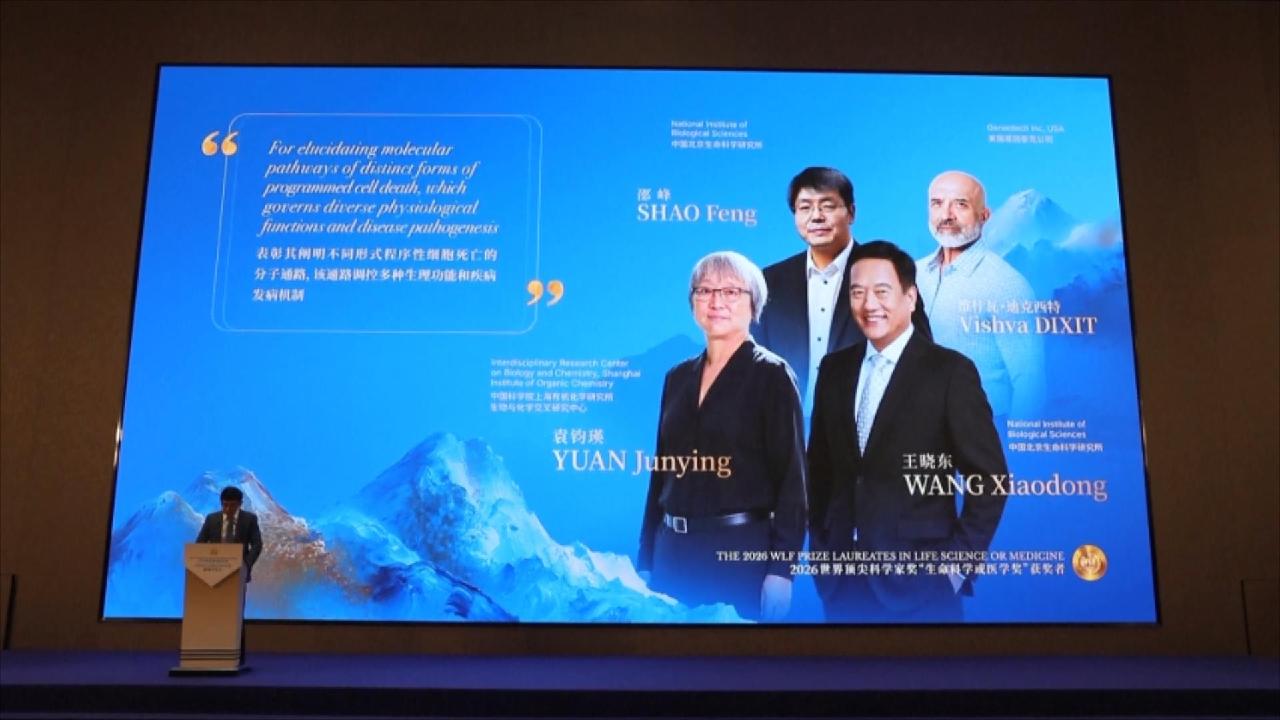
Yuan Junying of the Shanghai Institute of Organic Chemistry, Wang Xiaodong and Shao Feng of the National Institute of Biological Sciences, and Vishva Dixit at Genentech Inc. won the 2026 WLF Prize in Life Science or Medicine.
They shared the award for elucidating the molecular pathways of distinct forms of programmed cell death and analyzing how those pathways govern diverse physiological functions and disease pathogenesis.
Shao was the first Chinese national to win the award.
The prize introduced a new category this year. Six young scientists under 40 won the WLF Prize for Young Scientists.
While spotlighting frontier breakthroughs in basic science, this year's prize selection also actively focused on the development of disruptive technologies and the application of innovative achievements.
"The WLF Prize also encourages important contributions to theories. Many applications we see today may stem from mathematics developed decades or even a century ago. So there should be greater investments in this area, which will provide more important safeguards for the development of our large models in industrial applications, safety, and other aspects," said Hua Xiansheng, executive dean of the Institute of Engineering Intelligence, Tongji University.
The formal award presentation will take place during the World Laureates Forum scheduled for October 30 to November 1 in Shanghai.
China's Chen Xingtong pulled off a remarkable comeback in the deciding game to edge Egypt's Hana Goda 3-2 and advance to the women's singles quarterfinals at the WTT Champions Macao on Friday in China's Macao SAR (Special Administrative Region).
Chen recovered from a slow start to prevail 3-11, 11-8, 11-6, 9-11, 11-9, surviving a stern challenge from the 18-year-old Egyptian in a match that went the full five games.
Goda got off to the brighter start and dominated the opening game 11-3, but Chen quickly adjusted. The Chinese paddler took the second 11-8 to level the contest, before moving ahead after grabbing the third 11-6.
The match remained finely balanced as Goda refused to fade. She responded by taking the fourth game 11-9, sending the contest into a decider.
Chen then found herself in serious trouble. Goda raced out to a 7-1 lead and appeared to be closing in on a place in the last eight, only to watch Chen turn the match around point by point.
The Chinese star won 10 of the next 12 points, eventually completing the comeback 11-9 to seal the match 3-2 and avoid an upset.
Chen said afterward that she had not played well at the start of the deciding game, but noticed a change in Goda as the Egyptian moved closer to victory. She focused on reducing the deficit one point at a time, eventually finding a way back into the contest.
This encounter marked another close battle between the pair, after Chen also needed five games to overcome Goda at the Europe Smash in Sweden in August.
Friday's victory followed a much more straightforward start to Chen's campaign in the Macao SAR. She swept past Germany's Nina Mittelham 3-0 in the round of 32, dropping just 14 points across the three games.
Chen will next face another Egyptian player, Dina Meshref, in Saturday's quarterfinals. Meshref booked her place in the last eight with a straight-games victory against the USA's Lily Zhang.
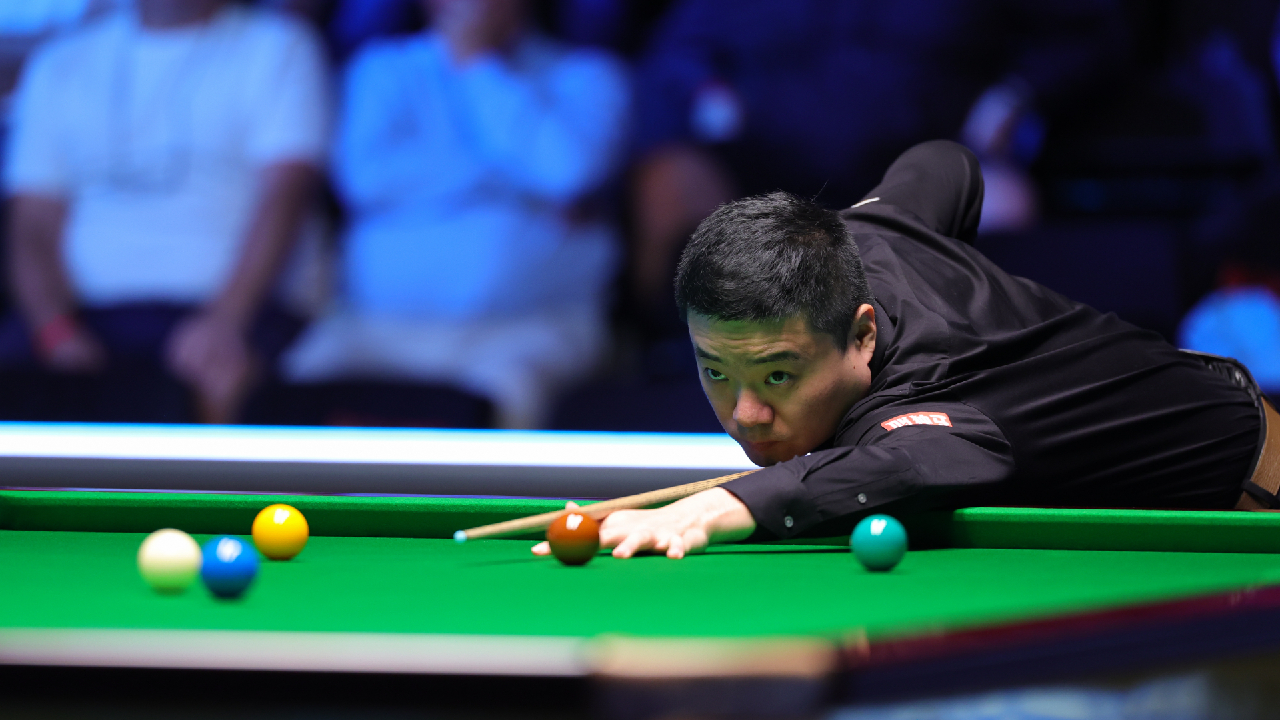
China's Ding Junhui advanced to the semifinals of the WST English Open after beating Kyren Wilson 6-2 in Brentwood, England, on Friday.
Ding enjoyed a blistering start in the best-of-11 quarterfinal showdown, shutting out Wilson in each of the first three frames to establish a commanding 3-0 lead.
The 39-year-old opened the contest with a break of 93, taking the first frame by the same scoreline, before grabbing the second 70-0. Another sizeable contribution of 87 followed in the third, as Ding extended his advantage without allowing his opponent to register a single point.
Wilson finally found his rhythm in the fourth frame. The Englishman compiled a break of 98 to get on the scoreboard before adding the fifth 103-11, aided by a 79, to cut Ding's lead to 3-2.
With Wilson threatening to complete the comeback, Ding steadied himself in a closely-contested sixth frame. A break of 59 helped the Chinese potter prevail 80-50, restoring his two-frame advantage.
Ding then moved to the brink of victory with a 76 in the seventh, claiming the frame 76-17 for a 5-2 lead. The eighth proved much tighter, but Ding edged Wilson 64-59 to complete the 6-2 victory, sealing his place in the last four.
Ding's next opponent will be Ali Carter, who overcame a 5-3 deficit to edge China's Zhou Yuelong 6-5. Zhou stood one frame away from setting up an all-Chinese semifinal clash, before Carter reeled off the final three to complete the stunning turnaround.
In the other half of the draw, Shaun Murphy survived a deciding-frame battle against Judd Trump to prevail 6-5. Trump rolled in a 112 clearance to level the match at 5-5, but "The Magician" held his nerve in the decider to advance.
Murphy will meet three-time world champion Mark Williams, who pulled away from Welsh compatriot Liam Davies after their contest went into the interval level at 2-2. Williams sealed a 6-3 victory with a 112 clearance in the ninth frame, which also marked the 700th century of his professional career.
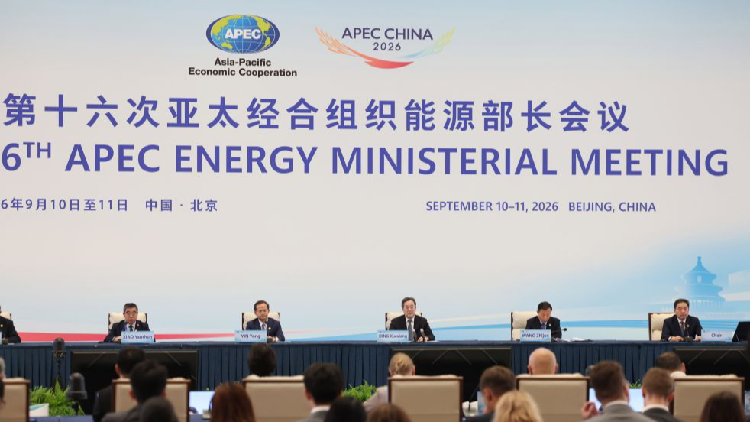
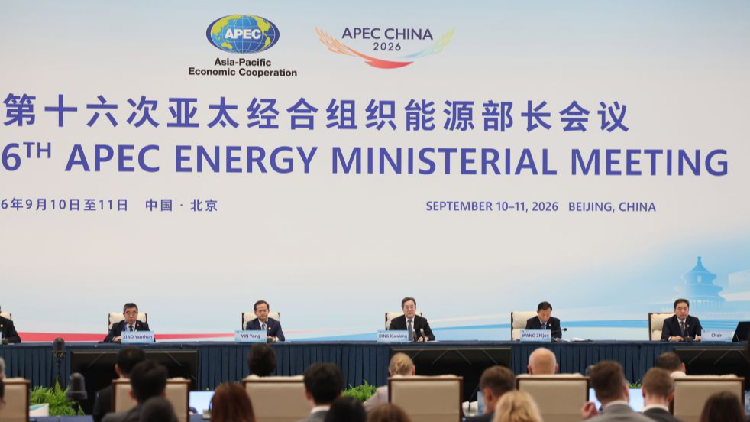
Delegates from APEC economies have met in Beijing to discuss ways to strengthen regional energy security and accelerate the transition to cleaner energy, as disruptions to the Strait of Hormuz expose vulnerabilities in the Asia-Pacific's energy supply chains.
The disruption of navigation through the Strait of Hormuz since late February 2026 has triggered a significant oil supply shock, with daily supply shortfalls reaching multi-million-barrel levels, highlighting the region's reliance on imported energy.
"From our end in Papua New Guinea, we face the impacts of the war in Iran and the impacts that on the fuel supply. We know we are an import-based economy," Conrad Kumul, a delegate from Papua New Guinea, told CGTN.
The 16th APEC Energy Ministerial Meeting comes as economies across the Asia-Pacific face pressure to secure energy supplies while pursuing long-term transition goals.
Some participants said the crisis could also create momentum for renewable energy development.
"The idea now is to push very much forward with the energy transition, even more than before," Steivan Defilla, assistant president of the APEC Sustainable Energy Center, told CGTN. "Oil prices are so high that the comparatively renewable energies are very low in price."
As this year's APEC host, China has promoted an open and inclusive approach to facilitate exchanges among member economies and encourage cooperation on energy security and sustainable development.
During his speech at the opening ceremony of the meeting, Chinese Vice Premier Ding Xuexiang said China has been actively engaged in pragmatic energy cooperation within the APEC framework, effectively promoting regional energy development and making important contributions to safeguarding global energy security.
To advance global energy security and sustainable development, Ding urged efforts to vigorously develop distributed energy sources and charging infrastructure to enhance inclusive energy development in the Asia-Pacific region.
Participants said the meeting is not only about responding to immediate supply shocks but also about shaping a longer-term energy transition that ensures broader access to reliable and affordable energy.
China's contribution
China's experience in developing renewable energy and related technologies is increasingly being shared with Asia-Pacific economies seeking to diversify energy sources and improve supply resilience. By the end of 2025, China's installed wind and solar power capacity had reached 1.84 billion kilowatts, accounting for 47.3% of the country's total installed power capacity. Newly installed renewable power generation capacity in China also reached another record high last year, accounting for more than 60% of global additions, according to the China Renewable Energy Development Report.
The rapid expansion has helped China develop large-scale expertise in solar power, energy storage and smart grid technologies.
In Southeast Asia, Chinese companies have been involved in renewable energy projects that combine clean power generation with technologies to improve grid stability. In Laos, China's Sifang Electric provided a 5MW/10MWh energy storage system integration solution for Laos' first photovoltaic and energy storage project, which entered operation in 2025. The system uses battery energy storage, power conversion and energy management technologies to help smooth fluctuations from solar generation and support stable grid operation.
Chinese energy investments have also played a critical role in Cambodia's energy transition, according to a report by the Center for Strategic and International Studies. The Shanxi Institute, a subsidiary of China Energy Engineering Corporation, won an engineering, procurement and construction contract for a 250-megawatt solar power project in the country. The project is expected to support Cambodia's goal of reaching 1 GW of operating capacity by 2030.
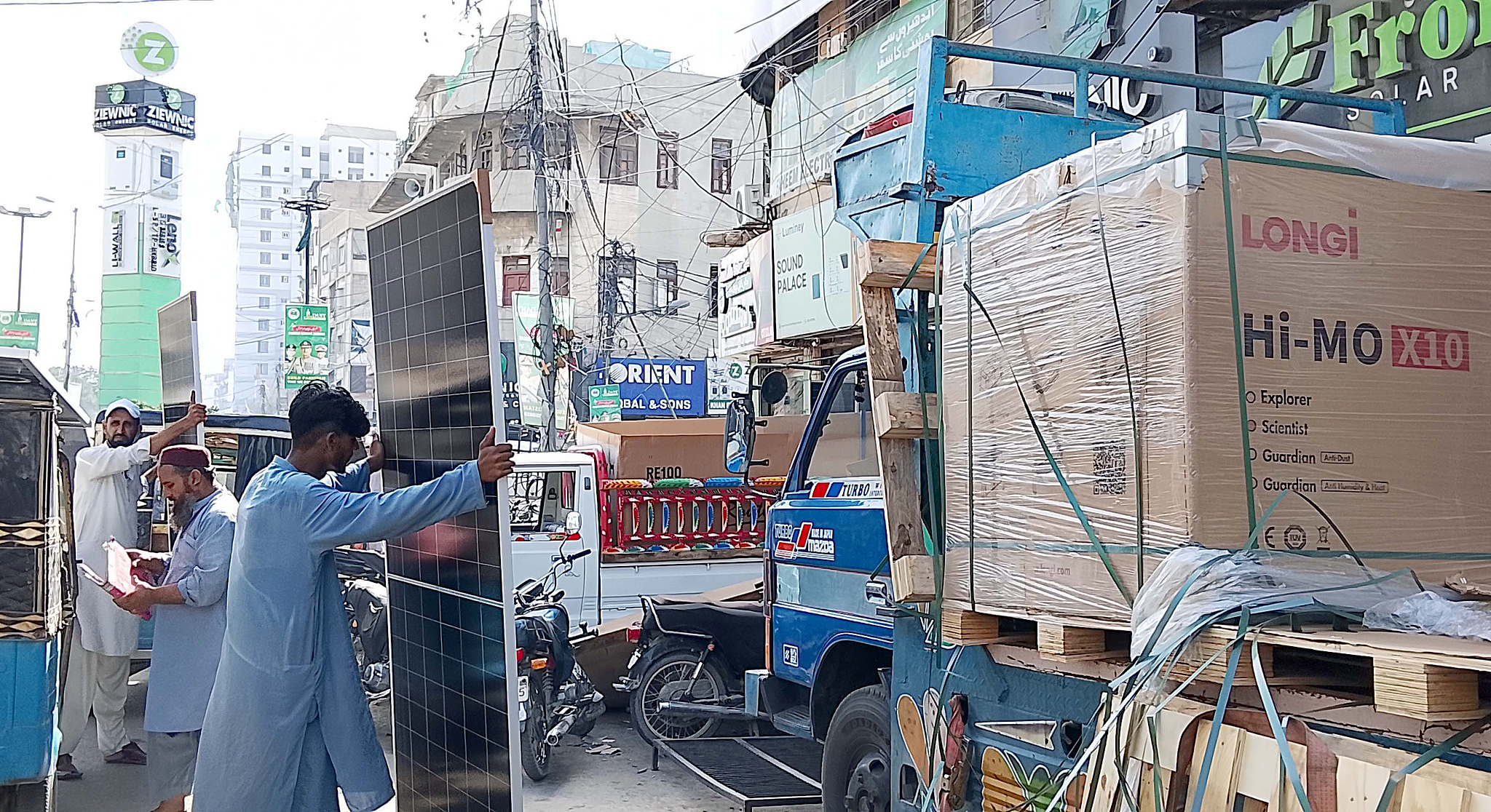
Beyond individual projects, China's clean energy supply chains have become an important part of the region's energy transition. Chinese-made solar panels, batteries and other clean-energy equipment are being used by Asia-Pacific economies to expand renewable capacity and strengthen energy security, as countries seek to balance rising electricity demand with long-term low-carbon development goals.
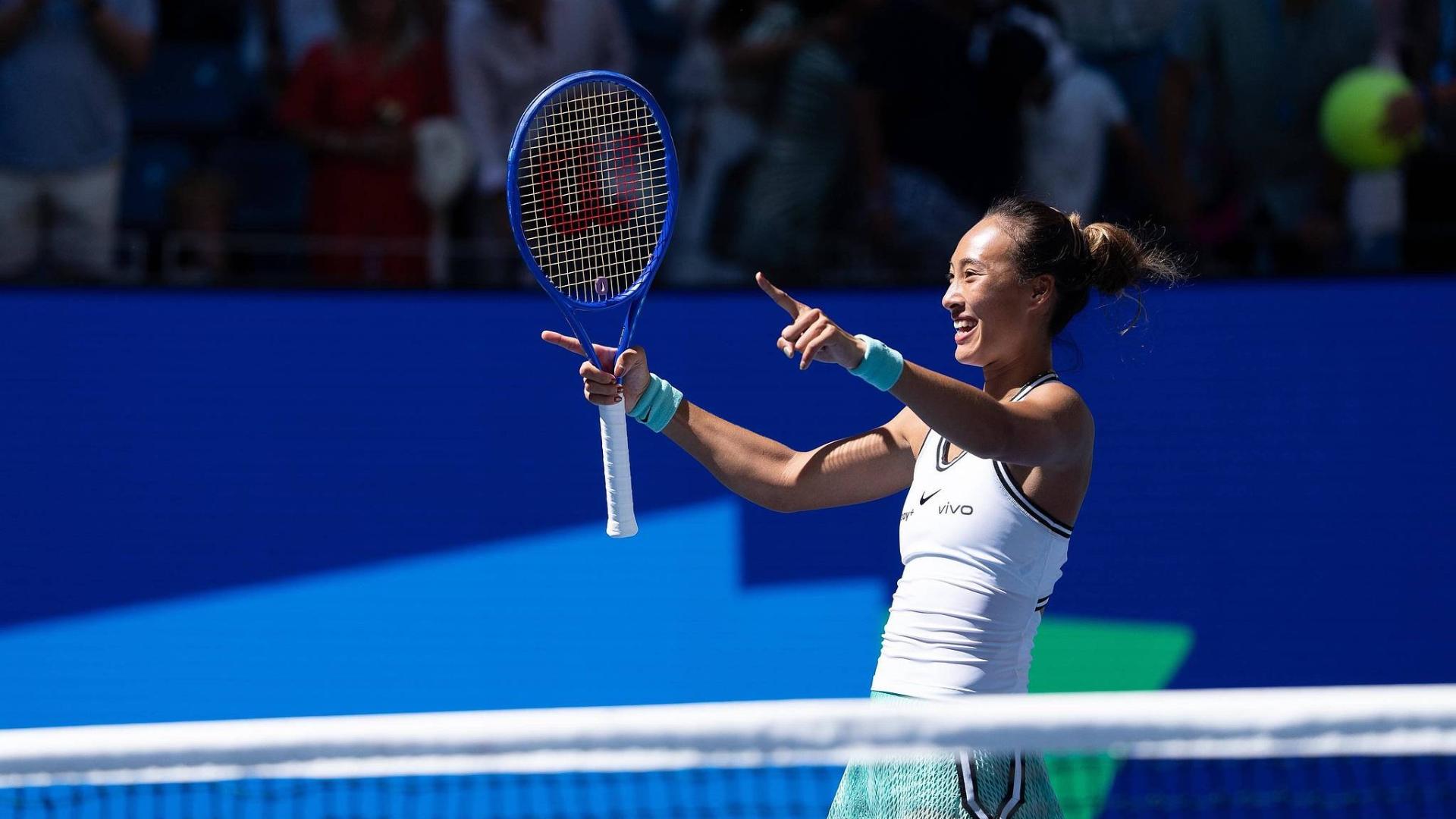
Sideline Story breaks down Zheng Qinwen's extraordinary performance at the US Open – two comeback wins from 5-0 down, including a deciding-set thriller against Madison Keys – after an injury-hit season and a spirited run through qualifying. We analyze her upgraded technical toolbox and the point-by-point mentality that powered her deep run in New York. In addition, Carlos Alcaraz’s US Open exit showed that he remains rusty after a months-long injury layoff, while Novak Djokovic’s physical struggles in a stunning first-round defeat raises hard questions about his best-of-five future.
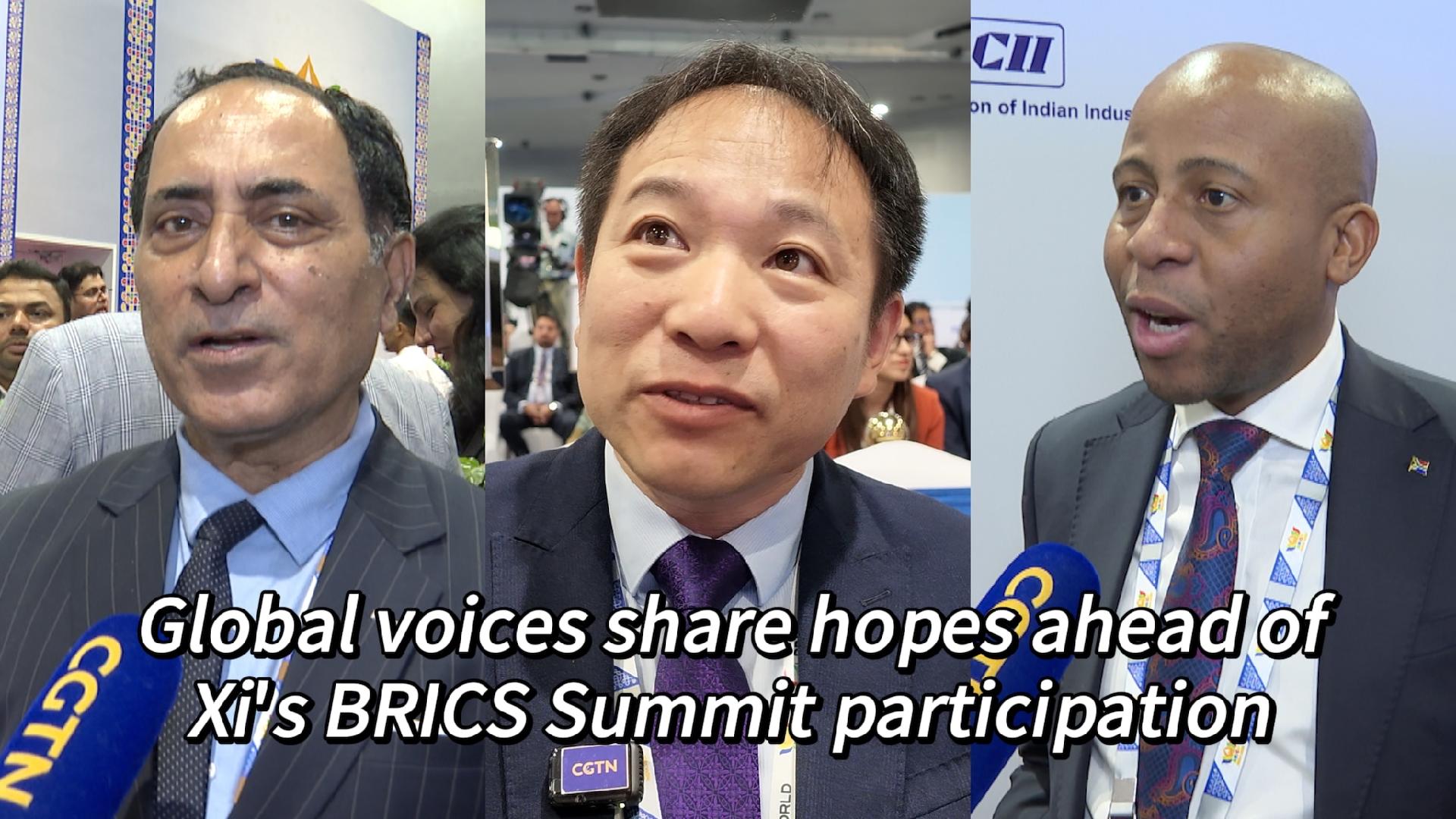
As Chinese President Xi Jinping is set to attend the BRICS Summit in New Delhi from September 12 to 13, people from different countries are looking to the meeting for new momentum in cooperation.
They expect closer China-India ties to create more opportunities for trade and people-to-people exchanges, while BRICS cooperation in vocational education and skills development could bring more opportunities to member countries.
China's economic development is also seen as an example for the Global South, offering inspiration in areas including market expansion, skills and innovation.
Chinese President Xi Jinping arrived on Saturday in New Delhi, India, to attend the 18th BRICS Summit at the invitation of Prime Minister of the Republic of India Narendra Modi.
The 18th BRICS Summit will be held from September 12 to 13.
At the summit, Xi will join other leaders in charting a new course for the high-quality development of greater BRICS cooperation, pooling the collective strength of the Global South and contributing stability and positive momentum to a world undergoing profound changes.
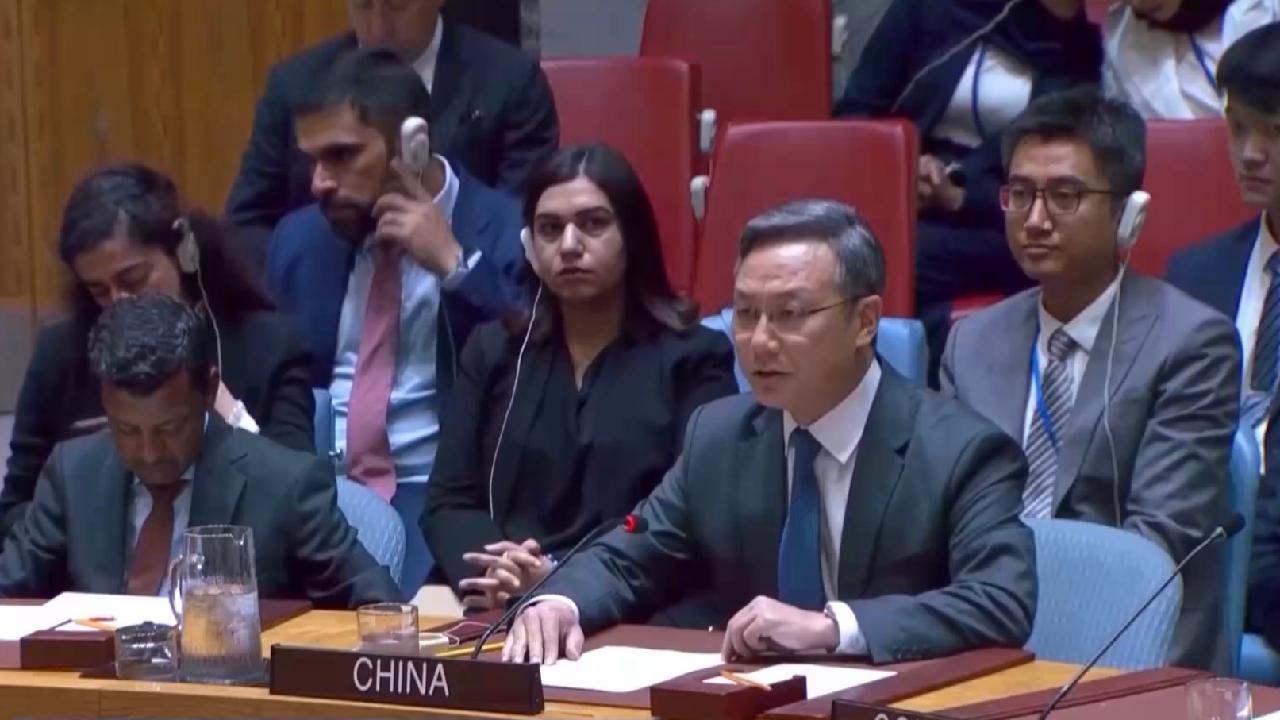
China called for stronger international cooperation in the fight against terrorism and urged the international community to address emerging risks posed by new technologies at a UN Security Council open debate on counterterrorism on Friday.
Before the meeting, council members and participants stood for a moment of silence to commemorate the victims of the September 11 terrorist attacks.
The Security Council later issued a presidential statement reaffirming that international terrorism remains one of the most serious threats to international peace and security. It also expressed concern over the use of emerging technologies, including the internet, satellite communications, virtual assets and unmanned aerial vehicles, for terrorist activities.
Sun Lei, the charge d'affaires of China's Permanent Mission to the United Nations, said that over the past 25 years, global counterterrorism cooperation has continued to deepen. However, the international terrorist threat persists and is taking on new characteristics, including decentralization, fragmentation and the misuse of emerging technologies for terrorist activities.
The international community should strengthen solidarity and cooperation, uphold the UN's central coordinating role and address both the symptoms and root causes of terrorism, Sun said.
"The Security Council should promote the political settlement of hotspot issues, resolve differences through dialogue and negotiation, and eliminate the conditions that breed terrorism," Sun said. He also called on the international community to oppose the politicization and instrumentalization of counterterrorism efforts and to avoid linking terrorism with any particular country, ethnic group or religion.
Meanwhile, China urged stronger action against terrorist organizations, tighter border controls, greater intelligence sharing and enhanced joint counterterrorism efforts. Sun also called to strengthen the counterterrorism law-enforcement and independent response capabilities of all countries, particularly developing countries, while enhancing coordination with regional organizations.
On the risks posed by emerging technologies, China called for improved governance rules and regulatory frameworks, as well as greater support for developing countries to build their capacity to harness new technologies for counterterrorism.
China will continue to actively participate in counterterrorism cooperation under frameworks including the United Nations, the Shanghai Cooperation Organisation and BRICS, Sun said.
"China will continue to share its counterterrorism experience with the international community, help relevant countries strengthen their counterterrorism capacity, and play a constructive role in advancing global counterterrorism cooperation," he said.
China and Seychelles have signed an early harvest arrangement under an economic partnership agreement, with China set to grant zero tariffs on 100% of tariff lines for products from Seychelles, China's Ministry of Commerce said on Friday.
The agreement was signed on Thursday. Seychelles will also further open its market to Chinese products under the arrangement, according to the ministry.
China will actively advance negotiations on economic partnership agreements for common development with other African countries and implement a zero-tariff policy covering 100% of tariff lines for African countries that have diplomatic ties with China, the ministry said in a press release.
The measures aim to help African countries share opportunities from China's market and support long-term, stable and predictable institutional arrangements for China-Africa trade and investment, it said.
(Cover: A seaport in Seychelles, April 14, 2024. /VCG)
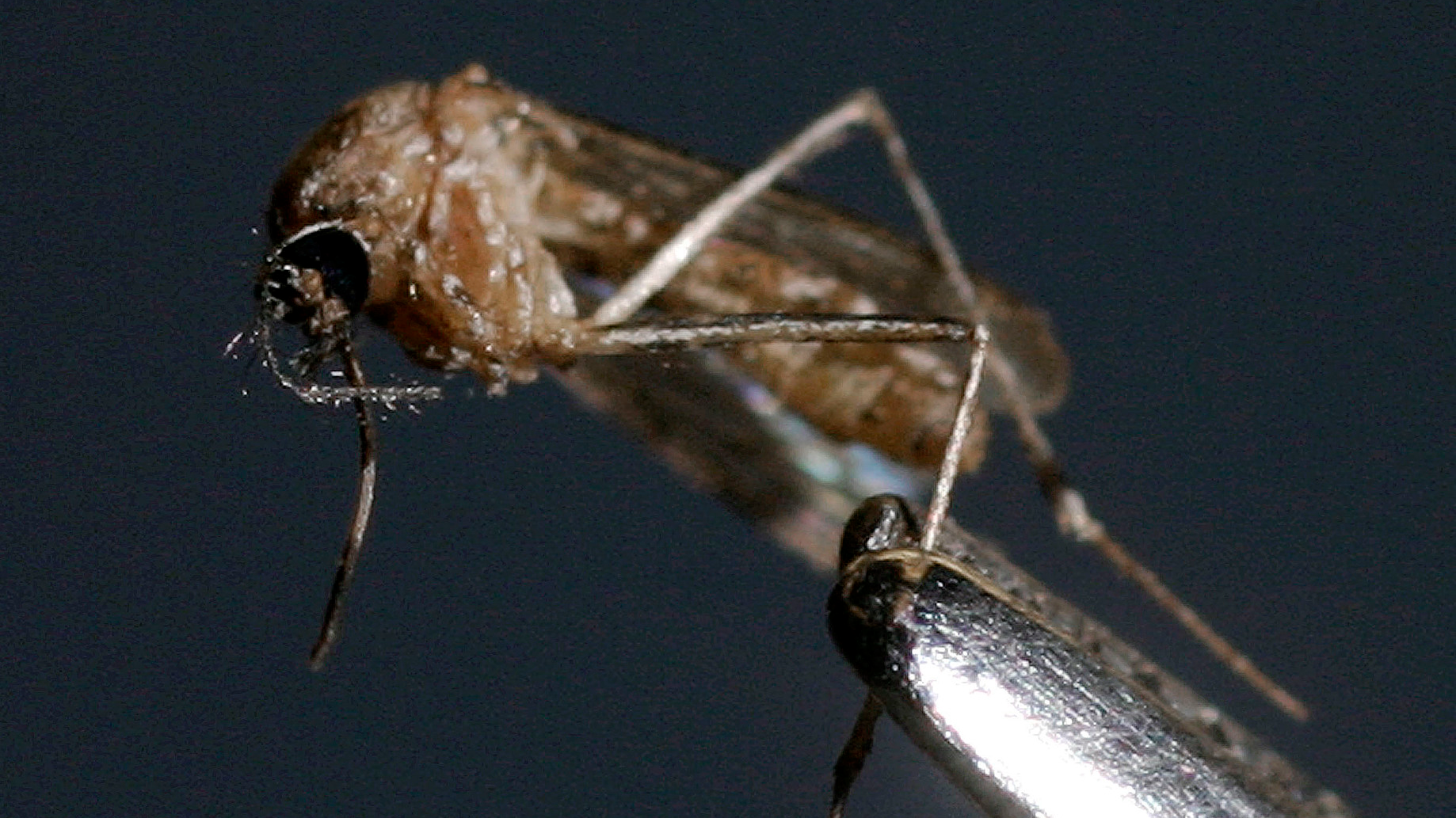
Three people infected with West Nile virus have died in the Netherlands since August, while the total number of reported cases has risen to 18, the country's health authority confirmed on Thursday.
The Dutch National Institute for Public Health and the Environment (RIVM) said in its weekly update that, except for one case detected as part of a scientific study, the virus was diagnosed in the other cases after the individuals had been hospitalized with symptoms.
The RIVM reported last month that a person who had contracted West Nile virus locally in the Netherlands had died.
West Nile virus naturally circulates among birds and is most commonly spread to people through the bite of an infected mosquito, according to the United States Centers for Disease Control and Prevention. About 80% of infections cause no symptoms, while around 19% result in flu-like symptoms and about 1% of infections develop into more serious illness involving neurological symptoms, according to the RIVM.
The World Health Organization has said there is currently no licensed vaccine for humans and no specific antiviral treatment for West Nile virus. Treatment focuses on managing symptoms, with supportive care in hospital provided for patients with severe illness.
The 18th BRICS Summit will be held in New Delhi, India, in September.
Eric Napoli, a journalist from the Brazilian media outlet Poder360, shares his personal take on the BRICS mechanism, describing how it brings people from member countries closer together in their everyday lives. He notes that Chinese electric vehicle brands, especially BYD, are booming in Brazil, while Chinese brands like Luckin Coffee are purchasing coffee beans from Brazil. Napoli says he hopes BRICS cooperation will continue to strengthen ties among member countries and deliver even better results in the future.
Iran said on Thursday it had targeted a US drone in the Strait of Hormuz, while the United States said its naval blockade against Iran had redirected 96 commercial vessels, as maritime escalations drove the price of crude oil to a record high since May.
Iran's Islamic Revolutionary Guard Corps (IRGC) said on Thursday that its naval forces had targeted a US unmanned surface vehicle (USV) in the Strait of Hormuz.
In a statement published on its official news outlet Sepah News, the IRGC said the Saildrone Explorer-type USV was on an "aggressive mission" and was struck at the strait's entrance.
Saildrone Explorer USVs were previously used in the region by the US Fifth Fleet and Task Force 59 headquartered in Bahrain, the IRGC said, adding that the US naval base in Bahrain had been targeted in Iranian strikes and the USVs are now used by a unit based in Khasab in Oman.
The IRGC repeated that the Strait of Hormuz is closed and under its control, warning that "any hostile presence in the strategic waterway will be targeted."
US slaps new sanctions, diverts 96 vessels in naval blockade
The US government announced new sanctions on Thursday against firms and individuals that it says are aiding Hezbollah and other Iran proxies in the Middle East as it intensified its campaign to isolate Iran economically.
The latest sanctions are part of the US Treasury Department's "Operation Economic Outcast," announced August 24. Iran condemned the campaign as "economic terrorism."
The new sanctions did not target the Houthis, who seized control of Yemen's port city of Mocha on Thursday and advanced down the Red Sea coast, gaining further leverage over the Bab al-Mandab Strait, the southern outlet of the Red Sea and one of the world's most important shipping routes.
Also on Thursday, the US Central Command (CENTCOM) said in a statement that US forces had redirected 96 commercial vessels as part of its naval blockade operation against Iran as of September 10.
CENTCOM added that it had allowed the passage of more than 50 vessels supporting humanitarian aid.
Hormuz shipping traffic falls to single digits
Vessel transits at the Strait of Hormuz fell to seven on Thursday from 11 the previous day, preliminary ship-tracking data showed on Friday, well below the 10-day average of 15.
Of the seven, two vessels exited and five entered, according to the data.
The figures exclude any vessels that might have crossed the strait with their Automatic Identification System transponders turned off to avoid detection.
The United Kingdom Maritime Trade Operations (UKMTO) said in an advisory on Thursday that the threat level in the Strait of Hormuz still rated "severe" as the maritime security situation in the Middle East remains tense.
The UKMTO advisory said that under the current security conditions, the likelihood of attacks on vessels remains high.
Oil surges to highest since May
Oil prices jumped more than 6% on Thursday, with both major US benchmarks trading at over $100 a barrel as the biggest spike in attacks on shipping since the Iran war began fed worries among traders about further disruptions to already tight supplies.
Brent crude futures settled up $6.42, or 6.34%, at $107.63 a barrel. US oil topped $100 a barrel for the first time since May as West Texas Intermediate crude futures rose $6.43, or 6.69%, to $102.48.
Both benchmarks hit their highest since May 19 and recorded their steepest increases in nearly two months.
Now in its seventh month, the Iran war has dragged into a battle of attrition punctuated by attacks on oil tankers that is also spreading to neighboring countries in the Middle East.
Yemen downplays threat to Red Sea navigation
Yemen's Houthi group said Thursday that international shipping through the Red Sea and the strategic Bab al-Mandab Strait remained safe, seeking to ease concerns after its forces seized the strategic Red Sea port city of Mocha on Yemen's western coast.
Mohammed Abdul-Salam, the group's spokesperson, said in a statement posted on social media platform X that freedom of navigation in the Red Sea and Bab al-Mandab remained "safe and regular," insisting that the group's operations posed "no threat" to international shipping.
Abdul-Salam said the group's ongoing military operations had specific targets and were "defensive" in nature, without providing further details.
Houthi forces seized Mocha in southwestern Taiz province and the strategic Hanish Islands in the Red Sea earlier Thursday, forcing government forces to retreat southward and pushing the front line closer to the Bab al-Mandab Strait.
He didn't mention the group's maritime ban on Saudi shipping, which was announced on July 20. The Houthis have claimed a series of attacks on Saudi tankers since launching the naval blockade.
The Bab al-Mandab Strait, which connects the Red Sea with the Gulf of Aden, is a major route for international trade and energy shipments. Mocha lies about 70 km north of the strait's narrowest point.
UN Special Envoy for Yemen Hans Grundberg on Thursday warned that the renewed war in Yemen risks dragging the country into wider and unresolved regional confrontation with global repercussions.
"As of right now, they have gained control of Mokha, giving them a direct presence on the approaches to one of the world's most vital straits, although fighting is ongoing and the situation remains fluid," he said via a video link. "This development is raising serious concerns within the international community about the threat to freedom of navigation."
The UN envoy asked all parties to keep channels of engagement open, and to preserve the pathway to a political settlement.
China is willing to work with all parties to advance global energy security and sustainable development, Chinese Vice Premier Ding Xuexiang said Thursday.
Ding, also a member of the Standing Committee of the Political Bureau of the Communist Party of China Central Committee, made the remarks while delivering a speech at the opening ceremony of the 16th Asia-Pacific Economic Cooperation (APEC) Energy Ministerial Meeting in Beijing.
China will always defend the stability of global energy markets, contribute to the global green and low-carbon transition, and participate in international energy cooperation, Ding said.
The vice premier noted that China has been actively engaged in pragmatic energy cooperation within the APEC framework, effectively promoting regional energy development and making important contributions to safeguarding global energy security.
To advance global energy security and sustainable development, Ding urged efforts to vigorously develop distributed energy sources and charging infrastructure to enhance inclusive energy development in the Asia-Pacific region.
Ding also called for conducting collaborative research and development on emerging technologies such as new energy storage and digital grids, and promoting mature technologies and application scenarios to better empower the energy transition in the Asia-Pacific region.
It is necessary to ensure the stable operation of energy industrial and supply chains and facilitate the smooth functioning of regional and global energy markets, Ding added.
Canadian Prime Minister Mark Carney met with Ukrainian President Volodymyr Zelenskyy in Calgary, Alberta, on Thursday, with the two sides announcing new agreements to expand joint drone production and deepen defense and security cooperation.
Under the agreements, Canada and Ukraine will cooperate on drone development and production, including the supply of critical minerals and metals and related engineering and manufacturing. Canada will also establish a digital drone marketplace modeled after Ukraine's "Brave1" system and plans to increase its military drone fleet tenfold.
Canada also announced new aid for Ukraine, including about 350 million Canadian dollars (about $252 million) for air defense interceptors and more than 640 million Canadian dollars for energy infrastructure repair and reconstruction, according to a news release from the Prime Minister's Office.
The two leaders signed declarations on a 100-year partnership and enhanced defense and security cooperation.
Since 2022, Canada's total commitments of assistance to Ukraine have exceeded 26 billion Canadian dollars, according to the release.
Anthropic says in the past eight months it stopped dozens of cases of scientists from using its Claude AI models for research that could have led to the creation of biological weapons, including viruses, venoms, and toxins.
It comes after a former Anthropic safety researcher resigned saying out-of-control AI could kill all humans.
CGTN's correspondent Jagruti Dave has the details.
For more, check out our exclusive content on CGTN Now and subscribe to our weekly newsletter, The China Report.
Brazil is a global leader in renewable electricity but demand is growing. In the northeastern state of Paraíba, one of Brazil’s newest large-scale wind projects has been built with financing from the New Development Bank, also known as the BRICS Bank. CGTN's Lucrecia Franco traveled to Paraíba and has this report.
For more, check out our exclusive content on CGTN Now and subscribe to our weekly newsletter, The China Report.
U.S. President Donald Trump said Wednesday, Sept. 9, he believes the war with Iran will end “immediately” after the November midterm elections, adding that Iran “can’t hold out any longer.”
For more, check out our exclusive content on CGTN Now and subscribe to our weekly newsletter, The China Report.
Algeria has severed diplomatic relations with the United Arab Emirates (UAE), the North African country's Ministry of Foreign Affairs announced in a statement on Thursday.
The statement, posted on the ministry's official social media platforms, said the decision was made due to "increasingly provocative or hostile actions" by the Middle Eastern nation.
"The United Arab Emirates has persisted in actions that have unfortunately crossed the boundaries of what is acceptable or tolerable in relations between two sovereign states and cannot go unanswered," the statement said.
"Consequently, and having exhausted all avenues to preserve bilateral relations, the Algerian government has today decided to sever diplomatic relations with the United Arab Emirates," it added.
The UAE ambassador was summoned to the Foreign Ministry, informed of the decision and given 48 hours to comply, according to the statement.
UAE presidential adviser Anwar Gargash responded in a post on X, saying diplomatic relations should be managed through "rationality, communication and clarity of interests," rather than "riddles and signals that require decoding." He did not explicitly name Algeria.
The rupture follows years of escalating tensions between the two countries over regional issues, including Algeria's rejection of the UAE's normalisation of ties with Israel and Abu Dhabi's support for Morocco's claim over Western Sahara .
Kenya has clarified its position on foreign nationals engaged in small-scale trade, saying recent measures are aimed at regulating their participation and enforcing immigration, work-permit, registration and licensing requirements, rather than imposing a blanket ban on foreigners operating small businesses.
Speaking at a press conference in Nairobi on Thursday, Prime Cabinet Secretary Musalia Mudavadi said directives announced by President William Ruto on September 2 were intended to protect vulnerable sectors of the economy, promote fair competition and safeguard the livelihoods of Kenyan citizens.
Mudavadi said the measures do not amount to a blanket ban on foreign nationals engaging in small-scale business.
"Kenya is open to small and large-scale trade by foreign nationals, as long as they are compliant with immigration, work-permit, registration and licensing requirements," he said.
The clarification comes amid uncertainty among foreign traders, particularly those operating small shops, market stalls and other informal businesses.
Under the measures, foreign traders will be required to have the necessary immigration and work documentation, while their businesses must be properly registered and licensed to operate legally.
The government has described the approach as regulatory rather than discriminatory, while reaffirming that foreign nationals who comply with Kenyan law are entitled to protection of their rights.
The clarification also comes as Kenya opens a registration and documentation window for undocumented East African Community (EAC) nationals, including Burundians, living in the country.
The government has urged undocumented EAC nationals to present themselves to their respective high commissions or embassies for formal identity registration and to work with Kenyan authorities to regularise their status.
Chinese and US law enforcement agencies have made fresh headway in counternarcotics cooperation, jointly cracking a transnational case involving precursors used to manufacture synthetic cannabinoids, China's Ministry of Public Security said on Thursday.
The case was jointly handled by the ministry and the US Federal Bureau of Investigation (FBI), according to the ministry.
In early May, the US side provided information on two Chinese nationals suspected of involvement in drug-related activities. Chinese police later determined that the leads were connected to an ongoing case in China, leading authorities to consolidate the investigations.
Following further investigation, Chinese police in mid-August carried out coordinated operations in north China's Hebei Province and elsewhere, arresting 21 suspects and seizing a batch of non-scheduled precursor chemicals commonly used in drug production, the ministry said.
Previously, the US authorities had arrested two US nationals suspected of drug-related crimes. The two allegedly purchased non-scheduled precursor chemicals to produce drugs in the United States, which were then distributed to inmates at multiple federal and state prisons across the country, according to the ministry.
The successful solving of the case, the ministry said, underscores the effectiveness of the China-US counternarcotics law enforcement cooperation mechanism and offers another concrete example of the two sides' efforts to deepen practical cooperation in combating transnational drug-related crimes.
Counternarcotics has long been an important area of China-US law enforcement cooperation. The two countries have worked together on cases involving drug smuggling and trafficking, as well as the cross-border trafficking of new psychoactive substances.
In August, a Chinese court convicted two men of trafficking precursor chemicals abroad. The case was cracked with information provided by the US Drug Enforcement Administration in 2023.
The China-US counternarcotics intelligence exchange mechanism, established in 2002, convened its 11th meeting in February 2026, with discussions focusing on drug trends, joint investigations, precursor chemical controls and other areas of cooperation.
China has strengthened regulatory controls over non-scheduled precursor chemicals. In November 2025, it added 13 types of precursors for fentanyl-related substances to its export control list and included the United States, Mexico and Canada in the Catalogue of Specific Countries (Regions). In May 2026, three more types of fentanyl-related precursors were added to the list applicable to the three countries.
Zhang Li, deputy director of the Center for Drug Control Theory and Policy Research under the People's Public Security University of China, said the growing counternarcotics cooperation demonstrated China's commitment to helping the United States address the fentanyl crisis.
A side event on intellectual property (IP) for overseas expansion was held on Thursday at the 2026 China International Fair for Trade in Services (CIFTIS) in Beijing. Co-hosted by the World Intellectual Property Organization (WIPO) China Office and the Beijing Intellectual Property Office, the event marked the first time WIPO has served as a co-host of the CIFTIS Global Service Trade Summit.
Two IP experts discussed trademark strategy and cross-border risks.Wu Hongxia from CCPIT Patent & Trademark Law Officenoted that in 2025, Chinese applicants filed 5,636 international trademark applications under the Madrid System, ranking third globally. Their designations exceeded 76,000, the highest worldwide for a second consecutive year. In the United States, Chinese applicants filed about 148,000 trademark applications, making China the top foreign source of applicants at the US Patent and Trademark Office. But rising filings do not equal full protection, Wu warned, pointing to high refusal rates and complex cross-border enforcement as hidden risks.
Wu described three common scenarios. A company finds its trademark already registered in a target market by a local agent or professional squatter, forcing it to rebrand or buy back the mark at a high price. A company enters a market without adequate searches and faces infringement complaints, leading to product delisting and platform store closures.
"The cost of prevention is far lower than the cost of remediation," Wusaid.
A relevant person in charge at Wanhuida Intellectual Property added that international trademark filing generally follows the first-to-file principle, while some countries also consider genuine intent to use. Chinese companies should first file a basic mark in China, then submit a Madrid application through the China National Intellectual Property Administration to designated countries. The process typically takes one to two years.
WIPO's international services are turning intellectual property from a protection tool into infrastructure for trade in innovation. Wu noted that monitoring trademark gazettes, e-commerce platforms and specialized databases can build an early-warning system covering both trademark and market dimensions, allowing timely opposition or invalidation against squatted marks. As Wu put it, professional IP services are not just a shield – they help technology, brands and innovation flow smoothly across borders.
From Spanish ham and Malaysian durians to Nepalese wool felt and African handicrafts, a growing range of overseas products is finding its way into the hands of Chinese consumers.
At the imported commodities market of Yiwu International Trade City in east China's Zhejiang Province, some 150,000 products from more than 100 countries and regions are on display, offering a glimpse into China's steadily expanding import landscape.
As China is opening its market and tapping the potential of domestic demand, the world's "super buyer" is bringing fresh momentum to global trade and economic growth.
From selling to the world to buying from the world
Known as the world's largest wholesale market for small commodities, Yiwu has long been selling Chinese-made products around the globe. Increasingly, however, the city is also becoming a gateway for goods from around the world entering the Chinese market.
As imports into Yiwu have maintained strong growth, the customer base has expanded to major Chinese markets such as Beijing, Shanghai and Hangzhou. And now it takes only three days for products, such as bird's nest from Malaysia, to pass through customs in Yiwu, enter bonded warehouses and reach Chinese consumers.
In the first half of 2026, Yiwu's total foreign trade value reached 486.42 billion yuan ($72.5 billion) up 19.9% year on year, with imports rising 39.1% to 65.7 billion yuan ($9.8 billion).
Hainan's policy opening boosts imports
Further south, China's island province of Hainan is also seeing imports gain momentum as new policies and improved logistics facilities take effect.
Following the launch of island-wide independent customs operations in December 2025, the share of goods covered by the province's "zero-tariff" policy was raised to 74%, while the number of duty-free product categories expanded to more than 6,600.
The policy benefits have boosted both consumer spending and imports. In the first seven months of 2026, offshore duty-free sales in Hainan reached 21.6 billion yuan ($3.2 billion), up 17.9% year on year, driving growth in bonded warehousing and the circulation of imported goods. Meanwhile, the value of zero-tariff imports reached 3.624 billion yuan ($540.4 million) by the end of July, up 40.14% year on year, with 598 million yuan ($89.2 million) in taxes exempted.
With three new international trade routes added, the province's Yangpu Port now has 38 in total to handle growing volumes of fresh produce from Southeast Asia, strengthening its role as a key distribution hub for imported goods.
Behind the growth is a faster and more streamlined customs system. Haikou Customs has rolled out a series of institutional reforms to improve clearance efficiency, including simplified procedures for eligible zero-tariff and bonded goods.
The number of items required in customs declarations has been cut from 105 to 33, while the average clearance time for imports has been reduced by 20%.
For companies importing raw materials from countries such as Indonesia and South Africa, the streamlined procedures now allow goods to be released almost immediately after declaration, significantly cutting logistics costs.
As policy barriers come down and supply chains move faster, Hainan is emerging as another important gateway linking overseas producers with China's vast consumer market.
China's auto industry draws global suppliers
Beyond consumer goods, China's role as a "super buyer" is also becoming visible in high-end manufacturing.
Chinese automakers have emerged as key customers for global auto parts suppliers, creating closer links between domestic manufacturers and international industrial chains.
On August 23, Christophe Perillat, chief executive officer of French automotive supplier Valeo, led a senior management team to China to seek new business opportunities in the market.
Over the past five years, Valeo has invested a cumulative 26 billion yuan ($3.88 billion) in China, adapting to the country's fast-moving market, technological innovation and cost advantages. More than 80% of the group's new orders in the first half of this year came from Chinese automakers.
In an interview with CMG, Perillat has compared China's auto market to a "gym" for the global automotive industry. "Because it brings together the highest level of innovation, the strongest competitiveness and the fastest pace," he said.
"To stay ahead in such a market, companies have to stay fit. For Valeo, that means becoming more localized and becoming a company that understands China better."
In Kenya, a young team of innovators is using robotics to try to break down one of the barriers facing students with hearing impairments—access to education in sign language.
The technology is still developing, but its creators say it could eventually help make technical subjects more accessible to learners with hearing loss.
In a classroom in Nairobi, communication happens largely through movement. But for deaf students, learning complex subjects can be a different kind of challenge, especially when the vocabulary needed to explain mathematics, science or technology simply does not exist in the signs they know.
"I teach physics, and in most cases, we realize that the concepts that we teach and the way I would express a concept, it becomes a challenge at some point because of the signs and the vocabulary that is needed to express a given concept," Eve Awino, a teacher at Kasarani Treeside Secondary School for the Deaf said.
That gap is what Kenyan start-up ZeroBionic is trying to solve.
At its Nairobi lab, engineers are teaching machines to communicate in sign language. For co-founder Norah Kimathi, the idea began with something much simpler.
"We started with just basic robotic hands. Since sign language is all using hands, we decided, okay, let's start with the hands and see how that goes. Then we got feedback that in sign language, there's a lot that goes into it," Kimathi said. "For example, doing this means over five different things in a certain sign language, based off of your facial expressions. That's when we decided, okay, let's build actually the full humanoid, inclusive of the face, inclusive of the eyes, inclusive of just everything to pick up on all the non-verbal cues that are currently present."
But teaching a machine to sign requires more than hardware. It needs data. When ZeroBionic started looking for African sign-language datasets, the team says there was very little to work with.
At the lab, each movement is captured, recorded and turned into data that can train the system.
ZeroBionic says the challenge now is to make the technology smarter, more accurate and more useful in the real world.
For the students watching it take shape, the technology represents something bigger than a machine.
Why does BRICS matter, and what could closer China-India cooperation mean for the world?
Vijay Prashad, Indian historian and executive director of Tricontinental: Institute for Social Research, highlighted the rapid growth of trade among countries in the Global South and its importance to the BRICS agenda during an interview with CGTN reporter Li Jingjing.
On China-India cooperation, Prashad pointed to areas including affordable medicines and the green transition, saying closer cooperation could help bring down costs.
"India and China coming together would produce an incredible boost for the world," he said.
The World Food Programme (WFP) has called on the international community to urgently integrate food assistance into Ebola response efforts in the Democratic Republic of the Congo (DRC), warning that severe hunger in eastern provinces is undermining efforts to contain the outbreak.
WFP Country Director for the DRC David Stevenson stressed that the Ebola response must go beyond health care alone, calling for a comprehensive approach that includes food assistance.
In Ituri province, the epicenter of the outbreak, over 500,000 people face Integrated Food Security Phase Classification (IPC) Phase 4 emergency hunger, leaving them just one step away from starvation, he said. Food insecurity weakens people's ability to follow health protocols, he added, while adequate nutrition remains critical for patient recovery.
To curb the virus' spread, the WFP is urging increased financial support. While assisting with logistics, supply chains, and treatment centers, Stevenson underscored the challenge of securing more resources to expand food assistance into remote rural areas, where many infected individuals remain unable to reach health facilities.
The call comes as official data underscores the scale of the emergency. According to national health authorities, the DRC's current Ebola outbreak has accumulated 6,757 confirmed cases and 3,267 deaths – a fatality rate of approximately 48.3%.
The virus has now spread across 61 health zones in six eastern provinces – Ituri, North Kivu, South Kivu, Haut-Uele, Bas-Uele and Tshopo – with Ituri accounting for approximately 80% of all confirmed cases nationwide.
Iran on Wednesday denounced the decision by the UN nuclear watchdog's Board of Governors to refer its nuclear issue to the UN Security Council, labeling the resolution "fundamentally irrelevant" after it was passed earlier in the day over alleged nuclear "non-compliance."
Iranian Foreign Ministry spokesman Esmaeil Baghaei said in an interview with state-run IRIB TV that Iran has committed no non-compliance, stressing that what they refer to as "non-compliance" stems from the US and Israeli attacks on Iran's nuclear facilities.
He also criticized the resolution for demanding Iran fulfill its obligations under the safeguards agreement with the International Atomic Energy Agency (IAEA) while ignoring that Tehran's move to deny the agency access to its nuclear facilities resulted from "aggressive actions" by the United States and Israel.
Baghaei expressed confidence that the move will fail and only further politicize the IAEA and harm the foundations of the non-proliferation regime.
The resolution, submitted by Britain, France, Germany, and the United States and reportedly passed by 23 votes in favor, three against, and eight abstentions, "requests the (IAEA) Director General (Rafael Grossi) to report" Iran to the UN Security Council and the UN General Assembly.
Iran suspended cooperation with the IAEA in late June 2025 under a parliamentary law, citing the agency's failure to condemn the Israeli and US attacks earlier that month on Iran's nuclear sites and related safety concerns.
China and Singapore concluded a five-day joint maritime exercise on Wednesday after completing all scheduled drills, as the two countries seek to deepen practical cooperation and strengthen their ability to safeguard regional peace and stability.
The exercise, the fifth of its kind between the two navies, was held in the waters and airspace around the city of Zhanjiang, south China's Guangdong Province. It consisted of two phases, covering in-port exchanges and at-sea drills.
During the in-port phase, the two sides held high-level meetings and planning discussions, and organized ship visits and other activities.
In the maritime phase, participating forces conducted eight drills, including communications exercises, formation maneuvers and aerial photography, at-sea replenishment, and joint search-and-rescue operations.
The Chinese navy said regular joint exercises had further strengthened mutual trust and promoted practical cooperation between the two countries' navies, while enhancing their ability to jointly contribute to peace and stability in the region.
In an earlier interview, Chinese military expert Zhang Junshe said the joint search-and-rescue drills hold significant practical value, given the heavy maritime traffic and complex weather and sea conditions in the South China Sea.
He also noted that live-fire exercises and replenishment-at-sea help enhance the two navies' combat capabilities.
China and Singapore held their first bilateral maritime exercise in 2015. Such joint exercises have become a regular feature of military exchanges between the two countries in recent years. In May 2025, the Chinese Navy dispatched a guided-missile frigate and a mine countermeasure vessel to Singapore for a joint exercise.
In addition to regular joint maritime exercises with Singapore, China also carries out routine joint drills and training with neighboring countries, including Thailand and Cambodia.
(Cover: File photo of a China-Singapore joint maritime exercise. /VCG)
A recent investigative report by Israel's Haaretz newspaper alleges that Israeli Prime Minister Netanyahu knew of the Hamas-led Oct. 7 attack days before it happened.
Learn more:
For more, check out our exclusive content on CGTN Now and subscribe to our weekly newsletter, The China Report.
At least five were killed, and 87 remain missing after a vessel caught fire on Wednesday off the waters of the tourist hotspot Palawan Province of the Philippines, said the local coast guard on Thursday.
Iran has launched its largest missile salvo in five months as the conflict with the U.S. continues. The barrage comes amid growing concerns over America’s stockpile of critical missile interceptors, after a CNN report in August revealed that U.S. forces were rapidly depleting key air-defense systems. Watch below.
For more, check out our exclusive content on CGTN Now and subscribe to our weekly newsletter, The China Report.
Milo Yiannopoulos spent years calling for tougher immigration enforcement. Then ICE detained and deported him. Now, he says experiencing the system himself changed how he sees it.
For more, check out our exclusive content on CGTN Now and subscribe to our weekly newsletter, The China Report.
Rwanda’s success in protecting its mountain gorillas is generating economic benefits far beyond conservation, creating jobs, attracting investment and supporting businesses around Volcanoes National Park.
In Musanze, hotels, restaurants, tour companies and lodges serve growing numbers of visitors drawn by gorilla trekking.
For guide Gentil Torero, who has worked in Volcanoes National Park for 15 years, gorilla tourism has provided a stable livelihood and helped support his family.
A gorilla trekking permit costs $1,500 for foreign non-residents, making the activity a major contributor to Rwanda's tourism sector.
Rwanda Development Board figures show tourism generated $685 million in 2025, up from $164 million in 2021. Gorilla tourism alone generated $248 million last year.
The benefits extend to guides, porters, drivers, hotels, restaurants and farmers.
Rwanda is also seeking to expand attractions around Volcanoes National Park, including Lake Ruhondo, to encourage visitors to stay longer.
For Rwanda, protecting the mountain gorilla has become both an environmental priority and an important economic opportunity.
This year marks the 90th anniversary of the victory of the Red Army's Long March.
From October 1934 to October 1936, the Red Army, the forerunner of today's People's Liberation Army (PLA), carried out the historic Long March – a massive strategic retreat and military maneuver undertaken amid intense fighting during the Chinese civil war.
More than a military retreat, the Long March became a defining chapter in the history of the Communist Party of China (CPC), helping preserve the revolutionary forces at a critical juncture and laying the groundwork for the subsequent development of the Chinese revolution. It has since come to symbolize perseverance, courage and an unwavering commitment to a common goal.
Ninety years on, the Long March continues to resonate as an enduring part of China's revolutionary history. Here are some remarks by Chinese President Xi Jinping on the historic campaign and the spirit it has inspired.
Israel has notified Britain that its consulate in East Jerusalem must close within 30 days and that its diplomats will lose their accreditation, Israeli officials said on Wednesday, in retaliation for British sanctions targeting Israeli settlements in the occupied West Bank.
Israeli Foreign Minister Gideon Sa'ar on Tuesday announced a series of countermeasures: closing the British consulate, removing British representatives from the US-led International Gaza Support Center in southern Israel, ending British training of Palestinian Authority security forces in Ramallah and barring 12 British officials from entering Israel. Sa'ar said Britain had "initiated and led" the moves against Israel and warned of possible measures against other countries.
Earlier on Tuesday, British Foreign Secretary Ed Miliband told the House of Commons that Britain would ban imports of goods from Israeli settlements in the West Bank and restrict British companies from providing financing, construction and advertising services for new settlements. Miliband said Britain would not remain silent on Gaza and the settlements, noting that the Gaza conflict has killed more than 70,000 people, including at least 20,000 children, and displaced the vast majority of the population. He said investigations by multiple bodies, including the UN's independent commission of inquiry, had found evidence that may constitute war crimes, and that Britain supports legal determination of the matter.
Also on Tuesday, the foreign ministers of Canada, Denmark, Finland, France, Iceland, Ireland, Norway, Poland, Portugal, Spain, Sweden and Britain issued a joint statement committing to restrict trade in goods with the settlements and urging Israel to immediately halt settlement expansion. EU High Representative for Foreign Affairs and Security Policy Kaja Kallas said on social media that all EU member states agree the settlements violate international law and that their expansion is undermining the prospects of a two-state solution.
The Palestinian presidency welcomed the 12-nation statement as an important step toward accountability for settlement activities, calling on the countries, the EU and the international community to turn their positions into binding measures, including banning trade with settlements, sanctioning extremist settlers and canceling tenders for the E1 settlement project. It reaffirmed Palestine's commitment to a just and lasting peace based on international law and UN resolutions, including an independent, sovereign Palestinian state on the 1967 borders with East Jerusalem as its capital.
The measures mark the latest escalation in tensions between Israel and its European partners over settlement expansion in the West Bank, which Israel has occupied since 1967.
If the China International Import Expo and the China Import and Export Fair are largely about showcasing how goods reach global markets, the China International Fair for Trade in Services (CIFTIS) – the 13th edition of which begins in Beijing on Wednesday – focuses on something less tangible, yet increasingly important: how services cross borders.
Since its launch in 2012, CIFTIS has developed into an important international platform for China's trade in services and a window through which global businesses can observe the opening up of China's services sector and explore market opportunities. The 13th CIFTIS brings together participants from more than 90 countries and international organizations, along with over 1,800 companies.
Over decades, much of the world came to know "Made in China." At this year's CIFTIS, however, a different trend is worth watching: China is increasingly looking to turn its service capabilities – in finance, tourism, education, healthcare, culture, information technology and professional consulting, as well as digital services and artificial intelligence – into something that can be taken to international markets.
After 'Made in China' goes global, what comes next?
A dedicated zone for promoting services that support companies going global has been set up at this year's CIFTIS, bringing together services such as finance, legal affairs, accounting, advertising and human resources to provide one-stop support for companies expanding overseas. At first glance, this may simply look like a way to provide companies with the practical support they need to "go global." But viewed from another angle, it points to a broader change in how Chinese companies are entering overseas markets.
In the past, when a company expanded overseas, the first priority was often to sell its products. Today, the questions are becoming much more complex: Who will build the brand in the local market? Who will handle legal and tax matters?
Who will manage local marketing? Who will build digital sales channels? Who will provide payment, logistics, customer service and after-sales support? As a result, what enters an overseas market is increasingly a broader service ecosystem built around a Chinese-made product.
This is one of the most interesting changes at this year's CIFTIS: the focus is expanding from helping "companies go global" to helping "services support companies going global." As Chinese companies enter overseas markets, finance, digital services, marketing, technology and professional services are becoming important parts of the support system, working alongside products such as automobiles, appliances and electronics in the expansion into international markets.
If "Made in China" once represented Chinese manufacturing going global, China's service capabilities are now also seeking new paths to reach the world.
China and Latin America: From 'you sell, I buy' to creating together
When discussing trade between China and Latin America, people most readily think of energy, minerals, agricultural products, automobiles, household appliances and infrastructure. These areas remain important pillars of China-Latin America economic and trade cooperation. But as the digital economy and trade in services continue to grow, the scope of that cooperation is also expanding, with both sides exploring opportunities in digital services, technology applications and professional services.
What may emerge is a different combination: you have the market, I have the technology; you have the application scenarios, I have the services; you have local experience, I have global tools. Chinese companies can bring digital payments, e-commerce, cloud computing, AI, logistics and marketing services to Latin America. Latin American companies, meanwhile, can draw on their knowledge of local languages, cultures and markets to help Chinese businesses establish themselves in the region.
In this sense, China-Latin America cooperation is moving beyond a simple "you sell, I buy" model. Both sides can be providers of services as well as users of them. This is also one of the key differences between trade in services and traditional trade in goods: once a car is sold, the transaction may be largely complete. When a digital service, consulting service or AI solution enters a new market, however, that may be where a deeper and more sustained form of cooperation begins.
Trade in services: A two-way opportunity
Foreign trade in Latin America and the Caribbean has faced new uncertainties over recent years. The impact of US tariff policies has further highlighted a need to reduce dependence on individual markets and diversify trade partners.
In its International Trade Outlook for Latin America and the Caribbean 2025, the United Nations Economic Commission for Latin America and the Caribbean noted that US tariff policies had increased uncertainty in global trade, and recommended that countries in the region deepen economic and trade ties with partners including China, the European Union, India and ASEAN, while strengthening intra-regional cooperation. At the same time, the report projects that exports of goods from Latin America and the Caribbean will grow by 5% in 2025, while exports of services will increase by 8%.
As the global trade landscape undergoes rapid changes, trade in services is becoming an increasingly important avenue for Latin American countries to diversify their international economic and trade relations, explore new markets and seek new sources of growth.
This is creating new opportunities for Chinese companies in Latin America, where traditional trade in goods is increasingly being complemented by exchanges in services and capabilities. A Latin American company may need more efficient digital services, while a Chinese company may need local market knowledge and cultural expertise. An e-commerce system entering a new market needs to adapt to local consumers, while a digital service crossing borders must also bridge differences in language and culture.
These practical needs are creating new opportunities for China-Latin America cooperation in services, opening up greater room for exchange and complementarity rather than a one-way flow. As services become increasingly capable of crossing borders much like goods, China and Latin America are finding new opportunities to exchange technology, expertise and different approaches to solving problems.
Latin American countries at CIFTIS
CIFTIS is an important platform for observing and connecting these changes. In recent years, more Latin American countries have used the fair to learn about the Chinese market, showcase their own strengths and explore new opportunities in trade in services, investment and industrial cooperation.
Peru has participated early and consistently and again has an exhibition presence at the fair this year, following earlier participation that included the China-Peru Economic and Investment Cooperation Forum, where Peru promoted cooperation opportunities in areas including investment, tourism and technology.
At CIFTIS 2023, a representative of ProColombia China used Xiaomi smartphones and DiDi, both in use in the Colombian market, as well as the Bogotá Metro project built with the participation of Chinese companies, as examples to illustrate how China-Colombia cooperation is increasingly extending into everyday life and urban infrastructure, while also highlighting the potential of sectors such as fintech, film and gaming.
Venezuela also participated in CIFTIS 2025, with its minister of foreign trade and vice minister of international trade policy attending related events to promote Venezuelan service projects and its investment environment, while seeking to further expand trade and investment cooperation with China.
In addition, countries such as Brazil, Mexico, Uruguay and Cuba have participated at CIFTIS in recent years. Their growing engagement also shows that CIFTIS connects more than the goods and services displayed at its exhibition booths; it brings together the needs of different markets as well. This trend has made CIFTIS a window onto global cooperation, while China's commitment to high-standard opening up remains firmly in place.
Looking ahead, platforms like CIFTIS may offer more opportunities for Chinese and Latin American companies to engage in emerging fields such as artificial intelligence, green development, robotics and the digital economy. The focus of cooperation could gradually move beyond products made in China toward more concrete partnerships in technology and services, bringing fresh momentum to China-Latin America cooperation.
The Hong Kong and Macao Work Office of the Communist Party of China (CPC) Central Committee and the Hong Kong and Macao Affairs Office of the State Council on Wednesday sent a message of condolence over the passing of Tung Chee-hwa, expressing deep sorrow and extending sincere sympathies to his family.
In the message addressed to Tung's wife, Betty Tung Chiu Hung-ping, the offices hailed Tung as an outstanding contributor to "One Country, Two Systems," a renowned patriot, an outstanding social activist and a close friend of the Communist Party of China.
Tung served as vice chairman of the 10th, 11th, 12th and 13th National Committees of the Chinese People's Political Consultative Conference (CPPCC), as well as the first- and second-term chief executive of the Hong Kong Special Administrative Region (HKSAR).
The message said Tung devoted his life wholeheartedly to China and the country's Hong Kong region, making major and historic contributions to Hong Kong's return to China, its smooth transition and the successful implementation of "One Country, Two Systems."
His tenure as chief executive marked a pioneering stage in which the concept of "One Country, Two Systems" was translated from concept into reality, the message said.
Tung faithfully and resolutely implemented the policies of "One Country, Two Systems," "Hong Kong people administering Hong Kong" and a high degree of autonomy, as well as the Basic Law of the HKSAR. He united the HKSAR government and all sectors of society in tackling a series of complex political, economic and social challenges, safeguarding China's sovereignty, security and development interests, and maintaining overall stability in Hong Kong, it said.
After stepping down as chief executive, Tung continued to put the fundamental interests of the country and Hong Kong first. As a vice chairman of the National Committee of the CPPCC, he supported successive chief executives and HKSAR governments and consistently contributed to national development and the cause of "One Country, Two Systems," according to the message.
It also praised Tung for his firm support for China's reform and opening up, modernization, as well as his efforts to leverage Hong Kong's unique strengths and promote exchanges and cooperation between Hong Kong and the Chinese mainland.
Drawing on his extensive connections and broad influence, Tung made friends at home and abroad and played an important role in promoting exchanges between China and other countries, the message said.
A certain individual of the Philippines should cease the provocations and theatrics, and stop undermining China-Philippines relations and stability in the South China Sea, Foreign Ministry spokesperson Mao Ning said on Wednesday.
Mao made the remarks at a regular press briefing in response to a query about the recent statements by Philippine Defense Secretary Gilberto Teodoro Jr. on the South China Sea.
China's position has always been clear on the so-called "South China Sea arbitration," Mao said. "The Philippines unilaterally initiated the case, which is a distortion and abuse of the UN Convention on the Law of the Sea (UNCLOS) dispute settlement mechanism."
It is the Philippine side that has violated UNCLOS and undermined its integrity and authority, she added.
South Africa is stepping up efforts to curb illegal migration, including strengthening border security, tightening controls on traffic register numbers (TRNs), and advancing plans to reserve certain economic sectors for citizens, officials said Tuesday.
Minister of Justice and Constitutional Development Mmamoloko Kubayi, who chairs the Inter-Ministerial Committee on Migration, made the remarks at a media briefing in Pretoria.
Kubayi said that while 90,000 repatriations had been carried out in recent months, illegal migration had not been deterred. Between April and June, 4,200 undocumented foreign nationals were intercepted while attempting to enter the country illegally.
Kubayi said the Borderline Infrastructure Improvement Plan (2026-2030), aimed at strengthening and modernizing South Africa's border infrastructure, had been approved by the Cabinet. It would improve border security, including patrol mobility, operational response times, personnel safety, infrastructure maintenance, intergovernmental coordination and the prevention of illegal cross-border incursions.
On the TRN system, Kubayi said the Department of Transport had moved to cancel and verify dormant TRNs issued between Jan. 1, 2000, and June 30, 2023.
The move followed revelations in Parliament in June that the system had been compromised by foreign nationals using fraudulent documents. Some of the TRNs were subsequently used as substitutes for visas and to open bank accounts.
The government is also advancing plans to reserve certain businesses, especially spaza shops, for South African citizens. Kubayi said 34 municipalities have adopted the Standard Draft By-laws for Township and Rural Economies, while 105 have adopted them through council resolutions and 21 are in the process of adoption.
"These operations demonstrate the government's zero-tolerance approach to criminality, irrespective of nationality, while ensuring that all enforcement actions are undertaken within the framework of the law and with respect for human rights," Kubayi said.
One person is dead after a passenger train derailed following a collision with a truck at a railway crossing in Mazowieckie province in central Poland on Wednesday, local media reported.
Emergency services initially reported 20 people injured, including four seriously. One of the four seriously injured later died, the Polish Press Agency (PAP) reported, citing the Mazowieckie fire service. The four included the train driver, the truck driver and two passengers.
Polish rail operator PKP Intercity said the accident occurred at around 11:25 a.m. local time (0925 GMT) in Sokolniki Suche. The train, traveling from Lublin to Szczecin and carrying about 120 people, collided with a truck that had entered the railway crossing, causing part of the train to derail.
Editor's note:Ding Xiaoxing is the deputy secretary-general of the Academic Committee of the China Institutes of Contemporary International Relations. The article reflects the author's opinions and not necessarily the views of CGTN.
Turning 25, the Shanghai Cooperation Organization (SCO) is moving beyond regional cooperation to take on a broader role in global affairs. Its evolution from a security-focused mechanism into a comprehensive cooperation platform mirrors the broader rise of the Global South and its push for development, greater representation and a stronger voice in global affairs.
The 26th Meeting of the Council of Heads of State of the SCO Member States, which concluded on September 1 in Bishkek, Kyrgyzstan, underscored this new direction: the SCO is becoming a platform not only for common development across Eurasia, but also for advancing Global South development and shaping a more just and equitable global governance system.
From 'Shanghai Five' to key platform for Global South cooperation
Over its 25-year history, the SCO has undergone three major transformations.
It first evolved from the "Shanghai Five," established around border security, into a regional security cooperation organization. It then expanded beyond security into a comprehensive platform covering more than 50 areas, including the economy, people-to-people exchanges and international cooperation, while steadily expanding its membership and partnerships.
The third transformation is now underway: the SCO is evolving from a comprehensive regional organization into a broader force for advancing a multipolar world, safeguarding global peace and development, and shouldering greater global responsibilities.
As Chinese President Xi Jinping has put it, the SCO's "most significant achievement" has been its gradual transformation into a new type of regional cooperation organization that spans the largest geographical area, represents the largest population and possesses enormous development potential in the world.
How has the SCO achieved this? The answer lies in the "Shanghai Spirit."
Over the past 25 years, the SCO has established a model for relations among major powers, neighboring countries and countries of different sizes, bringing together the development potential of nearly half of the world's population and about a quarter of the global economy. Its approach reflects the trend of the times in several important ways.
First, equality: All member states are equal, with no leader or subordinate members, and countries of all sizes consult with one another on an equal footing. Second, non-alignment, non-confrontation and non-targeting of third parties: The SCO seeks partnerships without forming alliances and dialogue rather than confrontation. Third, multilateralism: It seeks to promote security through cooperation and development through cooperation.
This model stands in sharp contrast to bloc politics and zero-sum games. It also resonates with the increasingly strong aspirations of the Global South: to safeguard their rights to peace and development while gaining greater representation and a stronger voice in international affairs on the basis of equality.
Advancing security and development in tandem
For Global South countries eager to achieve development and revitalization, the SCO offers both opportunities and safeguards.
The opportunity lies in the vast space for common development. Trade between China and other SCO member states rose from $12.1 billion in 2001 to $523.5 billion in 2025, a more than 40-fold increase in just over two decades, according to data from the General Administration of Customs.
At the summit in Bishkek, China announced the establishment of an international cooperation center for AI applications and a China-SCO Port Economy Cooperation Center in Tianjin. It also pledged to jointly implement 100 scientific and technological cooperation projects over the next three years, continue advancing the development of "10-million-kilowatt-level" photovoltaic and wind power projects, and further open its huge market to partners.
With development prioritized and benefits shared more broadly, the SCO is connecting multiple growth poles across Eurasia, fostering a community of shared development and a shared future.
The SCO's second major contribution is providing a solid foundation of security and stability for development.
In 2025, the SCO established "four security centers" including the SCO Universal Center for Countering Security Challenges and Threats, the Information Security Center, the Center for Combating Transnational Organized Crime and the Anti-Drug Center, marking a significant advancement in SCO security cooperation.
This year, the summit approved regulations for the Universal Center for Countering Security Challenges and Threats and the Anti-Drug Center, paving the way for the security centers to begin operations. Meanwhile, the SCO is further strengthening its security cooperation network to tackle the "three forces," telecommunications fraud and transnational crime.
At the same time, the SCO advocates a common, comprehensive, cooperative and sustainable approach to security, opposes external interference in the internal affairs of countries, and emphasizes resolving differences through dialogue and consultation. Such an approach to security reinforces its approach to development, allowing Global South countries to pursue their development agendas in a stable environment.
Meanwhile, from Luban Workshops to basic education cooperation centers, and from Confucius Institutes to various livelihood projects, people-to-people exchanges are further strengthening the social foundations of cooperation among countries.
From regional governance to global governance
"The SCO takes root in the Global South, its heart beats with the Global South, and it is an important pillar of South-South cooperation," Xi highlighted the organization's increasingly prominent Global South identity at the SCO Plus meeting.
As the Global South grows in strength and the balance of international power undergoes profound changes, the trend toward a multipolar world has become irreversible.
China advocates an equal and orderly multipolar world: sovereign equality and mutual respect are fundamental principles, and Global South countries should have greater representation and a stronger voice in international affairs. Balanced and orderly development and respect for the rule of law are essential, with major powers in particular expected to uphold rules and the law. Multilateralism, dialogue and consultation are key approaches, as global affairs should be decided through consultation among all countries. Mutual benefit, win-win cooperation and inclusiveness represent the direction of development, while protectionism and decoupling have no future.
From the Global Governance Initiative proposed at the Tianjin summit to the plans and arrangements adopted at the Bishkek summit, the Bishkek Declaration explicitly called for efforts to build a more just and equitable global governance system.
Over the past year, the SCO has evolved from a regional governance participant into an important force for global governance reform, leveraging its strength, wisdom and action to advance Eurasian development, empower the Global South and promote a more just global governance system. Governance, like progress, requires constant renewal.
Looking ahead, the SCO will shoulder greater historical responsibility – speaking up for peace, driving development, bridging differences through cooperation and turning shared aspirations into shared gains. Together with the Global South, it will help advance an equal and orderly multipolar world and move firmly toward the shared future of humanity.
For just two months each year, a semi-desert landscape on South Africa's west coast transforms into a breathtaking sea of wildflowers.
At West Coast National Park, millions of native flowers burst into bloom after the winter rains, carpeting the landscape in shades of white, yellow, orange and purple. The park lies within the Cape Floristic Region, one of the world's richest biodiversity hotspots, home to thousands of plant species found nowhere else on Earth.
In 2026, the flower season arrived earlier than usual following a warmer, drier winter, making this spectacular display even more fleeting.
The 2026 Conference of Global Public Security Cooperation Forum opened in Lianyungang, east China's Jiangsu Province, on the afternoon of September 9.
With the annual theme "Joining Hands to Advance Public Security Governance and Inject Stability into a Turbulent World," the forum has brought together more than 2,100 participants from 139 countries, regions and international organizations. The event is hosted by the Chinese Association for Friendship.
The forum features eight parallel sessions focusing on areas including immigration management cooperation, international drug control cooperation, international counter-terrorism cooperation, cybersecurity, public security technologies and equipment, international police education cooperation, tourism safety and international security services.
The forum will release the Global Public Security Index Report (2025–2026) and the Annual Report of the Global Public Security Cooperation Forum (Lianyungang) (2025–2026). Meanwhile, during the 2026 forum, China's Ministry of Public Security will host the founding conference of the International Alliance Combating Telecom and Cyber Fraud.
A strong El Niño is developing in the Pacific and is expected to intensify towards the end of 2026.
In Africa, the effects are likely to vary by region, with wetter conditions expected in parts of East Africa and a higher risk of drought in parts of Southern Africa. The weather pattern could affect food production, water supplies, health and livelihoods.
The World Meteorological Organization (WMO) says El Niño is already established and is expected to become a very strong event later this year. The organization puts the chance of El Niño continuing through February 2027 at almost 100%. El Niño events of this strength are rare, with previous exceptionally strong events occurring in 1982-83, 1997-98 and 2015-16.
El Niño and climate change
El Niño is a natural climate pattern and is different from long-term climate change.
The WMO says there is no evidence that climate change is making El Niño itself more frequent or stronger. However, a warmer atmosphere and ocean can affect the severity of some extreme weather linked to climate patterns.
Africa is already dealing with significant climate-related impacts.
WMO's State of the Climate in Africa 2025 report says extreme weather and climate events affected at least 13 million people and caused more than 3,000 reported deaths across Africa in 2025. Floods accounted for more than half of the reported events, while drought affected more than 8.5 million people in East Africa.
The current El Niño is therefore developing while many communities are already dealing with weather-related shocks.
Its effects vary from one region to another and can also be influenced by other climate patterns, including the Indian Ocean Dipole.
East Africa: Wetter conditions expected
The Greater Horn of Africa is expected to be warmer and wetter than normal during the October-December period, according to the WMO and the IGAD Climate Prediction and Applications Center (ICPAC).
The season is important for countries including Kenya, Somalia, Ethiopia, Uganda, Tanzania, Rwanda and Burundi. ICPAC forecasts a high chance of above-normal rainfall across large parts of the region. In some areas, the additional rain could improve water supplies and pasture. In other areas, excessive rainfall can damage crops, roads and other infrastructure and displace communities. It can also increase the risk of water- and vector-borne diseases.
The October-December rains provide a large share of annual rainfall in parts of the Greater Horn, making the forecast particularly important for agriculture and water resources.
What happened in 2023?
The Greater Horn of Africa experienced widespread flooding during the October-November 2023 rainy season after several years of drought. The rainfall improved water availability and pasture in some drought-affected areas. Flooding, however, damaged crops and infrastructure and displaced communities.
WMO reported at least 352 deaths and 2.4 million people displaced across Somalia, Ethiopia and Kenya. The heavy rains occurred during El Niño and a positive Indian Ocean Dipole.
The 2023 experience is relevant to the current forecast because the region is again expected to receive above-normal rainfall during the October-December season.
Southern Africa: Higher drought risk
The outlook is different in Southern Africa.
The Food and Agriculture Organization (FAO) estimates a more than 50 percent probability of agricultural drought across large parts of Namibia and Botswana, extending into parts of Angola, Zambia, Zimbabwe, South Africa, Mozambique and Madagascar. The FAO says the most recent El Niño cycle brought the region's worst drought in more than a century, leaving 61 million people in need of assistance and pushing more than eight million people into food insecurity.
A new strong El Niño could add to those pressures if dry conditions develop across major agricultural areas.
Food security
The possible impact on food supplies is already prompting action.
The FAO and the World Food Programme (WFP) have launched a joint appeal to protect 8.8 million people from the effects of the 2026-27 El Niño. The agencies say they are already positioned to provide anticipatory assistance to about 1.2 million people expected to be affected.
The assistance is designed to reach vulnerable households before the worst impacts, helping them protect food supplies, livestock and livelihoods.
WFP has also been expanding its anticipatory-action programs, which allow assistance to be provided before an extreme weather event. This is particularly important in areas where households are already facing food insecurity.
Health risks
The expected increase in rainfall in parts of East Africa is also prompting health preparations.
Humanitarian agencies say the danger isn't the weather alone, it's that El Niño is hitting communities already strained by conflict, displacement and underfunded aid budgets.
The United Nations Office for the Coordination of Humanitarian Affairs said Eastern and Southern Africa experienced one of the worst cholera outbreaks in decades during the 2023-24 El Niño period, with drought and flooding pushing people towards unsafe water sources and contributing to the spread of the disease.
"Excessive rainfall in Africa will likely increase the spread of malaria and waterborne diseases such as cholera, while crop loss will worsen hunger and malnutrition," said Peter Ofware, Kenya country director at Helen Keller International, in comments to Gavi, the Vaccine Alliance. He said women and children would be hit hardest.
A World Health Organization Africa regional office study covering 2022-2023 found that cholera cases increased sharply during both floods and droughts. Drought conditions were associated with nearly four times as many infections as normal periods, while flooding can spread contaminated water.
UNICEF has identified health, nutrition, water and sanitation as key areas of concern as El Niño strengthens. It estimates that more than 162 million children in Eastern and Southern Africa could be exposed to its effects.
What governments are doing
Governments and regional agencies are already putting measures in place ahead of the October-December rainfall season.
In Kenya, the government has activated an El Niño preparedness plan covering flood mitigation, evacuation arrangements, emergency supplies and protection of vulnerable infrastructure. The National Disaster Operations Center and county disaster management teams are also expected to coordinate the response during the rainy season.
Kenya has also established a crisis communication framework involving agencies including the Kenya Meteorological Department, roads and water authorities. The aim is to improve coordination and make sure warnings reach the public.
At the regional level, ICPAC is providing governments with seasonal forecasts and updates on rainfall and other climate risks across the Greater Horn of Africa.
In South Sudan, the WFP and the government have launched the country's first drought anticipatory-action program. The initiative is focused on helping vulnerable communities in Eastern Equatoria prepare for worsening dry conditions before they cause greater losses.
The FAO and the WFP are also expanding anticipatory action across countries facing El Niño-related risks. During the previous 2023-24 El Niño, the two agencies supported more than three million people through measures taken before the worst impacts.
At the 18th BRICS Summit to be held in New Delhi, India, this upcoming weekend, BRICS has taken on a new meaning. The summit’s theme, "Building for Resilience, Innovation, Cooperation and Sustainability," also abbreviated as BRICS, highlights the priorities of the organization's new phase of development.
From five countries to 11 members, and from a small group of emerging economies to a platform representing half of the world's population, BRICS has come a long way.
Accounting for 40% of global GDP and with intra-BRICS trade reaching $1.17 trillion in 2024, BRICS has gained considerable weight as it evolves into an increasingly important force in global economics and governance.
China's contribution to BRICS expansion
China has been at the heart of this evolution, especially in promoting inclusiveness and cooperation in BRICS.
At the 2017 Xiamen Summit, China first put forward the "BRICS plus" model, seeking to expand BRICS cooperation to a wider range of emerging economies and amplify the voice of the Global South. Inviting leaders from Egypt, Guinea, Mexico, Tajikistan and Thailand to the summit during its chairmanship, China took the lead in building an open and diversified network of partnerships to boost cooperation on a broader scale.
That proposal soon translated into the membership expansion process. Since then, six new countries, including Egypt, Ethiopia, Indonesia, Iran, Saudi Arabia, and the United Arab Emirates, have become full members of the organization, culminating in the "Greater BRICS" and a new phase of development that features an enlarged circle of friends.
Following through with its proposal, China has consistently supported BRICS expansion throughout the years. In 2024, BRICS formally established the partner country mechanism, creating a pathway for countries to engage more closely with the bloc without immediately becoming full members. Reaffirming its commitment to an open and inclusive BRICS, China has continued to support more countries in joining the BRICS mechanism, pool the strength of the Global South and build a shared future.
Through its expansion, BRICS will not only help strengthen solidarity and cooperation among developing countries but also enable them to jointly address global economic risks and achieve more stable development, according to a study by Xi Manzhao, a teaching assistant at the School of Northeast Asian Studies, Shandong University, and Yang Yanlong, a research fellow at the Institute of International Studies, Shandong University.
China's solution to global challenges
BRICS's growth is made meaningful through practical measures. To this end, China has also proposed original solutions to common global challenges.
For instance, China has led the establishment of multiple collaborative centers. The China-BRICS Artificial Intelligence Development and Cooperation Center aims to make AI more accessible and affordable for businesses and local governments to solve real, local problems. The BRICS Deep-Sea Resources International Research Center pools research strengths from BRICS nations to tackle resource scarcity and promote equitable, sustainable ocean development. Meanwhile, the China Center for Cooperation on Development of Special Economic Zones in BRICS Countries boosts trade collaboration, policy exchange, and institutional innovation among BRICS nations and emerging markets.
China's contribution not only establishes practical cooperation platforms but also sets up financial mechanisms.
As a founding member of the New Development Bank (NDB), China helped establish a multilateral development bank that provides financing for infrastructure and sustainable development projects. China also pushed for consensus on the Contingent Reserve Arrangement (CRA), which offers mutual liquidity support and protection from short-term payment pressures, according to a United Nations Trade and Development report.
As BRICS enters a new era with more members and opportunities, China has helped turn the bloc's vision into concrete platforms and mechanisms to address shared development challenges.
Ezzat Saad El Sayed, director of the Egyptian Council for Foreign Affairs, highlighted China's vital role at the 2025 BRICS summit.
"We cannot imagine what BRICS would look like without China,” he said. “China is a major pillar and a powerful driving force behind BRICS cooperation."
An English-language hotline set up in the Xizang Autonomous Region after the devastating mudslide is still operating around the clock to support families of missing people. One of the team members handling the calls, Gesang Quzong, says the focus of calls is changing. Early questions about search progress have given way to queries regarding DNA sampling requirements and travel procedures for relatives coming into the region.
Serbian President Aleksandar Vucic on Wednesday signed a decree dissolving parliament and called snap parliamentary elections for October 25.
Vucic made the announcement in a televised address at noon, saying the decision was aimed at easing prolonged political tensions and giving voters a clear say on the country's future. "We need election results that will clearly determine and demonstrate the will of the citizens, where, in what direction and on what path Serbia is heading," he said.
As president, Vucic said, he had always been guided by "the vital state interests of the Republic of Serbia and the interests of the citizens of Serbia." He said the timing of the election would allow Serbia to prepare for Expo 2027, which will open in Belgrade in May next year, as well as for the country's future development. "We will have enough time to prepare for the Expo and for everything that lies ahead," he said.
Vucic urged political parties and voters to take part in the 45-day campaign in a peaceful and dignified manner, respect differing political views, and respect the choices made by voters. "It is important to respect different political opinions, the right to freedom of assembly and public expression," he said. He expressed confidence that the Serbian people would "choose the right path into the future."
Serbian Prime Minister Djuro Macut formally proposed that the government ask the president to dissolve the National Assembly and call parliamentary elections following an extraordinary government session on Monday.
At a session of the Main Board of the ruling Serbian Progressive Party (SNS) on September 5, the party unanimously nominated Vucic as the lead candidate on its parliamentary election list and as its candidate for prime minister.
China has rejected US allegations that its artificial intelligence (AI) firms are "copying" American technology, calling instead for joint cooperation between the world's two major AI countries, the Chinese Foreign Ministry said on Wednesday.
Speaking at a regular press briefing, Foreign Ministry spokesperson Mao Ning said that China's AI progress stems from high-level scientific and technological self-reliance, and a consistent commitment to the principles of extensive consultation, joint contribution, shared benefits and open cooperation.
"We have always believed that all parties should strengthen cooperation to promote the open, inclusive, and beneficial development of AI for the good, and to serve the well-being of all humanity," she said.
Mao expressed hope that the US side can earnestly implement the important common understandings reached between the two heads of state, and refrain from making false accusations and smearing China.
"Both China and the United States are major artificial intelligence countries. The two sides should step up cooperation in this field," Mao said.
Washington has kept accusing Chinese AI firms of using model distillation, a standard technique widely employed across the industry to make systems smaller and cheaper, in an allegation that industry experts say is driven by strategic anxiety and is neither factually supported nor legally substantiated.
The US Central Command shrugged off reports Iranian forces had hit its warships operating in the Middle East and said all attempted attacks had failed, in a post on X on Wednesday.
"Iran's Islamic Revolutionary Guard Corps (IRGC) forces have claimed they struck two US Navy destroyers operating in the Middle East. This is completely FALSE," US CENTCOM said.
"Meanwhile, US forces have successfully destroyed 10 Iranian tankers in just the last week. These vessels were part of a multibillion-dollar shadow network that funds the IRGC, and Iran cannot defend them," the US regional military added.
China and South Korea have achieved positive progress on cross-border services trade and negative-list market access during the 16th round of second phase negotiations for the bilateral Free Trade Agreement (FTA), the Chinese Commerce of Ministry said on Wednesday.
During the latest talks, held in Beijing from August 31 to September 4, both sides agreed to accelerate the remaining negotiations and strive for an early conclusion, so as to lift openness in bilateral services trade and investment, contributing to the sound and stable development of their economic and trade relations, the ministry said in a statement on its website.
China and South Korea signed the FTA in June 2015, which officially entered into force on December 20, 2015. By June 2026, the two countries had implemented twelve rounds of tariff reductions under the agreement, driving the expansion of bilateral trade.
Since December 2017, both sides have been advancing the second phase negotiations of the FTA, which aims to further elevate the levels of trade in services and investment liberalization and facilitation between the two countries.
China is South Korea's largest trading partner, while South Korea ranks as China's second-largest trading partner.
According to the Chinese General Administration of Customs, two-way trade in 2025 reached $331.24 billion, up 1.2% year on year. From January to May 2026, bilateral trade volume surged to $186.14 billion, a 43.8% jump from the same period last year.
The 2026 China International Fair for Trade in Services (CIFTIS) opened Wednesday in Beijing, as China steps up efforts to expand opening-up in services trade at the outset of the 15th Five-Year Plan period (2026-2030).
Running through September 13 at Shougang Park, a former industrial site and venue for the Beijing 2022 Winter Olympics, the fair has drawn participants from 90 countries, regions and international organizations, with over 1,800 companies exhibiting on-site. Among them are 473 Fortune Global 500 firms and other industry leaders, including Honeywell, Johnson & Johnson and Siemens.
Themed "Global Services, Shared Prosperity," this year's CIFTIS features a Global Trade in Services Summit, co-hosted for the first time by the World Intellectual Property Organization. A series of forums and business matchmaking activities will also be held during the fair.
During the summit, Zimbabwean Vice President Constantino Chiwenga said the CIFTIS is expected to create many investment opportunities across conferencing, exhibition, infrastructure, and digital services, adding that it will help Zimbabwe identify opportunities for trade in services, build export capacity, and attract credible partners across technology, finance, tourism, education and health care.
Alexander Poulev, deputy prime minister and minister of Economy, Investment and Industry of Bulgaria, said at the summit that trade in services is an important pillar of the China-Bulgarian relationship. "We want to see more Bulgarian products reaching the Chinese market and more Bulgarian companies building long-term partnerships with Chinese businesses," he said.
More than 100 new products and services will make their debut at the fair, covering fields such as information and communications, fintech, and digital and intelligent healthcare.
Another highlight is a new overseas expansion services roadshow area, which offers Chinese companies one-stop professional support to enter foreign markets and expand the global footprint of Chinese services.
The core exhibition area also debuts a showcase of more than 140 innovation cases spanning all 12 categories of services trade, including artificial intelligence, large language models, and intelligent agents, offering a glimpse of where China's services sector is headed.
China has posted rapid growth in services trade, with strong exports of knowledge-intensive services supported by the country's IP and innovation ecosystem, said World Intellectual Property Organization Director General Daren Tang in his video address to the summit.
Latest official data showed that in the first seven months of 2026, China's services trade totaled nearly 4.45 trillion yuan (about $656.6 billion), up 8.3% year on year.
Advancing high-quality development of services trade is a key task in the outline of China's 15th Five-Year Plan (2026-2030), which calls for intensified efforts to optimize negative list management of services trade, ease cross-border restrictions, encourage services exports, and foster knowledge-intensive services trade.
Real Madrid survived a second-half fightback from Inter Milan to begin its UEFA Champions League campaign with a 2-1 victory on Tuesday, while Erling Haaland struck a brace to lead Manchester City to a 2-0 win over FC Porto.
Kylian Mbappe gave Real the breakthrough after 14 minutes, taking advantage of some sloppy play from Inter. Federico Valverde then doubled the advantage nine minutes later, dispossessing goalkeeper Josep Martinez before the ball rolled into the net.
Inter responded by putting Real under sustained pressure and forcing goalkeeper Thibaut Courtois into a series of saves on the Belgian's 100th Champions League appearance.
Carlos Augusto eventually reduced the deficit in the 77th minute after meeting a cross from Lautaro Martínez, but Jose Mourinho's side resisted Inter's late push to secure all three points.
The result provided a welcome response for Real following the club’s 1-0 La Liga defeat to Real Betis last Friday which was Mourinho's first loss in his second stint in charge of Los Blancos. Inter will be frustrated to have left Spain with a loss after causing the Spanish giants trouble.
The new-look City side also collected three points on the opening night with a 2-0 victory at Porto as key striker Haaland was once again on song.
Porto goalkeeper Diogo Costa frustrated City throughout the opening half, making several saves as the visitors searched for a breakthrough. The resistance lasted only two minutes after the interval, when Haaland met Matheus Nunes' delivery with a header to put City in front.
The Norwegian returned in stoppage time to finish a move created by Rayan Ait-Nouri and put the result beyond doubt.
Haaland's double lifted his career total in the competition to 59 goals from the same amount of games and gave Enzo Maresca a victory on his Champions League debut with City.
Elsewhere, Borussia Dortmund and Real Betis both emerged with victories in five-goal contests. Serhou Guirassy struck twice, including from the penalty spot, as Dortmund defeated Villarreal 3-2, while Betis overturned a two-goal deficit to win by the same score at Lille. Marc Bartra scored twice for the Spanish side before Troy Parrott completed the turnaround, with Lille later reduced to 10 men following Ethan Mbappe's dismissal.
Aston Villa also earned a 3-2 away victory, overcoming Club Brugge through goals from John McGinn, Emiliano Buendia and the club's new signing Nicolas Jackson despite the Belgian side's strong second-half response. Villa goalkeeper Zion Suzuki made history in the game as he became the first ever Japanese goalkeeper to feature in the Champions League. In Athens, Razvan Marin scored the only goal of the game via a first-half free-kick as AEK Athens beat Champions League debutant LASK 1-0.
The death toll from the avalanche in the mountains of Kabardino-Balkaria has risen to 13, RIA News Agency reported on Wednesday, quoting Russia's Ministry of Emergency Situations.
From drug control to AI-powered policing, foreign experts are taking note of China's approach to public security. Hamish McCardle, a former New Zealand police official, says China's drug education efforts are "worth looking at" from a Western perspective, while Mohamed Higazy, an Egyptian international cooperation expert, highlights China's latest security technologies and its efforts to make them available to partners in the developing world.
Reacting to headlines in The Guardian accusing China of concealing the scale of the August 26 mudslide, CGTN reporter Sun Tianyuan says he and his colleagues are reporting what they can verify on the ground, rather than relying on speculation.
Reporting from Gyirong County, Sun explains that the scale of the search operation and difficult conditions have made identifying victims a painstaking process. As the search continues and more information is confirmed, casualty figures can inevitably change.
"I think it's very important not to confuse changing numbers with an attempt to hide information," he said. "As journalists, our job is to report verified facts, not to turn unconfirmed information into headlines."
Cross-border payments and greater interoperability among national payment systems are expected to feature prominently at the 18th BRICS Summit, which will be held in New Delhi, India, on September 12 and 13, as BRICS members seek to make trade and financial transactions faster, cheaper and more accessible.
One key distinction is that connecting payment systems does not mean creating a common BRICS currency. India has made it clear that its focus is on interoperability among existing fast-payment systems and central bank digital currencies, rather than establishing a new currency.
On August 11, Reserve Bank of India Governor Sanjay Malhotra said that BRICS members were discussing ways to connect fast-payment systems and central bank digital currencies (CBDCs).
"Various options are on the table, but it is still at discussion stage, including CBDCs and linkages of fast payment systems," he said.
India's Commerce and Industry Minister Piyush Goyal also rejected the idea of a common BRICS currency on August 7. "India is not in favor of a BRICS currency. We do not support the introduction of any such BRICS currency scheme; India opposes it," Goyal said.
Meanwhile, the use of local currencies in trade is growing. Kremlin spokesman Dmitry Peskov said on September 8 that around 90% of Russia's payments and transactions with BRICS countries are now conducted in national currencies. But he stressed that this should not be interpreted simply as a drive to eliminate the dollar. "We do not seek de-dollarisation. On the contrary, we are open to any possible method of payment," Peskov said.
Practical links between national payment networks are also emerging. China UnionPay International launched a pilot project with Brazilian partners to connect China's QR payment network with Brazil's Pix system. During the pilot, users of the UnionPay app and participating Chinese bank apps can scan QR codes to make payments at Brazilian merchants connected to Pix.
BRICS leaders have endorsed further work on payment interoperability. BRICS' 2025 Rio de Janeiro Declaration called for "fast, low-cost, more accessible, efficient, transparent, and safe cross-border payments" and welcomed technical work on greater interoperability among BRICS payment systems.
Iran's Islamic Revolutionary Guard Corps (IRGC) announced early on Wednesday that its aerospace forces had targeted a US air base in Jordan and its operational units struck US combat destroyers DDG-119 and DDG-53, which carry cruise missiles and Aegis systems, in response to US actions against Iranian oil tankers.
The US military had yet to respond to the reports.
Jordan's armed forces spokesperson said that the country had come under a missile attack originating from Iranian territory. Jordanian air defense systems engaged 20 ballistic missiles launched, successfully intercepting and destroying 18 of them, while two fell in areas free of population centers, the spokesperson said.
The Jordan Armed Forces conducted its defenses with the threat “in accordance with approved operational procedures” to protect the country's air space and the safety of its citizens, the spokesperson said, adding that monitoring, tracking and assessment operations remain ongoing.
Earlier, the US military's Central Command said it destroyed five Iranian crude oil carriers on Tuesday and posted video of the strikes, which it called a response to the IRGC targeting a US Navy warship with ballistic missiles twice over the previous two days. No Americans were harmed, it added.
The US strikes were part of the "pressure campaign" against the Iranian economy, which relies heavily on crude oil exports, Fox News reported, citing US officials.
Also on Tuesday, the IRGC's navy said its forces captured one of the US Army's "most modern, smart" unmanned submarines at the entrance of the Strait of Hormuz earlier in the day.
In a statement published on the IRGC's official news outlet, Sepah News, the IRGC navy said the unmanned underwater vehicle was captured in a complex intelligence and operational operation.
The submersible vehicle, identified as a Dive-LD, is equipped with the world's most modern subsurface vehicle technology, the IRGC Navy said.
Following the IRGC's announcement, the US military said in a statement that one of its underwater drones "malfunctioned" over a day earlier during a survey of regional waters, without mentioning whether the device was seized by Iran.
After a month of calm in August, Iran and the US resumed exchanging fire in recent days, driving the price of benchmark Brent crude oil to its highest level since July 23. Brent crude futures jumped another dollar per barrel after the Jordanian attack, but prices remained below $100 per barrel, despite the disruptions.
The war has been marked by a cycle of pauses followed by periodic flare-ups, with Iran still able to launch missile and drone strikes on its neighbors and threaten oil shipping in the Strait of Hormuz despite US attacks that have degraded much of its conventional forces and extracted a toll on its already ailing economy.
In addition to the periodic tit-for-tat military strikes, the US Treasury on Tuesday announced a new round of sanctions on Iran, targeting 36 individuals and entities, with a focus on Iran's aviation sector and related companies.
The move is part of Washington's broader efforts to further increase economic pressure on Iran. "Let this be a warning to anyone doing business with Iran’s remaining airlines, all of which we sanctioned today: You are at risk of being cut off from the global financial system,” US Treasury Secretary Scott Bessent said in a press release.
The US has banned a swath of Canadian alcoholic beverages, motorcycles and dairy products, sharply escalating an already bitter trade spat.
The import bans, effective September 29, were published on the White House's website after Canada's retaliatory tariffs kicked in at midnight Tuesday.
Those Canadian tariffs followed 50% US duties on some $20 billion of Canadian goods last month, after several rounds of talks collapsed.
The breakdown has widened the rift between the longtime allies, with each side blaming the other for the failed negotiations. Canadian Prime Minister Mark Carney has urged a further shift away from the US, casting doubt on the viability of the US-Mexico-Canada Agreement.
"We have everything we need to pivot and prosper," Carney said in a YouTube video Tuesday. "That pivot will come at a cost. There's always a cost to action. But it doesn't come close to the cost of standing still."
The US ban appears to cover most booze, including beer and various types of wine, whisky, bourbon, rum, vodka, vermouth, tequila, mezcal, and brandy. The dairy ban covers whey protein, molasses and non-alcoholic beer, according to White House notices.
Various cheese products were also added to 50% tariff list, but not banned outright. Paper, aluminum, wood, furniture and lighting were also hit.
Hours before the latest import bans, President Donald Trump ordered Canadian products removed from US government contract lists.
"Canada has been ripping us off for years," he said, accusing America's northern neighbor of blocking US firms from federal and provincial government contracts. "That is not reciprocity, it is a Canadian Trade Scam."
"I am hereby directing the GSA (General Services Administration), working with the USTR (United States Trade Representative), to take all necessary steps to REMOVE Canadian-origin products from GSA's Multiple Award Schedules unless Canada restores full and fair reciprocity for American Farmers and Companies," he wrote on Truth Social. "NO RECIPROCITY - NO ACCESS!"
Iranian Foreign Ministry spokesman Esmaeil Baghaei said on Monday that Iran-Oman negotiations on the designation of a temporary route for safe passage through the Strait of Hormuz have reached their final stage.
The understanding between the two countries regarding the route's designation would likely be registered with the International Maritime Organization in the coming days, Baghaei said at a weekly press conference in Tehran.
The insecurity in the waterway is a consequence of the US-Israeli "military aggression" against Iran, he said, noting that "vessels will not be able to travel this route with confidence and a sense of security as long as this situation continues."
Responding to a question about a Sunday visit by a Qatari delegation to Iran, Baghaei said it took place as part of Qatar's efforts to de-escalate tensions in the region.
He said contacts between Iran and certain other regional countries that have long been trying to help reduce tensions "is an ongoing process."
In a joint statement late last month, Iran and Oman announced they had exchanged views on a proposed phased framework that includes establishing a temporary joint shipping corridor in the Strait of Hormuz and an agreement to implement a joint project to demine the waterway.
Technical talks between the two countries will continue to address the designation of a permanent shipping corridor, the future administration of the strait, and a mechanism for information exchange, traffic management and security arrangements in the waterway, the statement added.
Meanwhile, tensions surrounding the Strait of Hormuz continue to escalate, with diplomatic efforts to secure maritime passage unfolding alongside growing military confrontation and economic disruptions. Here are the latest developments:
Iran warns South Korea against military involvement in Hormuz Strait
Iranian Foreign Ministry spokesman Esmaeil Baghaei on Monday warned South Korea against maintaining a military presence or participating in operations in the Strait of Hormuz.
Baghaei issued the warning in a post on X after Seoul said on Friday that it was reviewing options, including military measures, to support "freedom of navigation" in the Strait of Hormuz.
He said that the relationship between Iran and South Korea has a history spanning more than 64 years, and that bilateral ties have consistently developed on the basis of mutual respect while Iran attaches great importance to its friendly relations with South Korea.
He noted that the Iranian people were currently defending themselves against US "aggressive actions."
"At a time when the Iranian people are resolutely responding to America's war crimes against women and children, any other country maintaining a military presence or participating in operations in the Persian Gulf and the Strait of Hormuz can only be regarded as directly supporting the perpetrators of the aggression, and it will lead to serious consequences," he said.
In another post on X early Monday, Baghaei said the Strait of Hormuz had been "wide open" until February 28, when the United States and Israel attacked Iran.
He said Washington had "unleashed an unlawful and savage war on the region and disrupted the normal flow of commercial shipping," with tankers halted, trade disrupted and energy prices soaring.
Iranian Deputy Economy Minister Morteza Zamanian said on Sunday that the country's Economy Ministry has set up an "economic war" command center to coordinate and speed up efforts to address economic challenges arising from the conflict.
The center will initially concentrate on issues affecting businesses, trade and financing that fall within the ministry's remit, while drawing on government economic agencies to coordinate responses across different departments, he added.
US says it has redirected 94 vessels amid naval blockade of Iran
US forces have redirected 94 vessels since the resumption of the naval blockade of Iranian ports, US Central Command (CENTCOM) reported.
"As of September 7, CENTCOM forces have redirected 94 commercial vessels, disabled 3 and boarded 2," the command stated on X.
The US military "permanently disabled" the IRGC crude oil carriers M/T Downy off the coast of Kharg Island and M/T Stark 1 near Jask, and "completely destroyed" the unladen crude oil carrier M/T Kylo in the Gulf of Oman, according to CENTCOM.
The statement noted that the Kylo was struck at multiple critical locations to render it inoperable after its crew was directed to abandon ship.
CENTCOM also reported that Iran's Islamic Revolutionary Guard Corps (IRGC) fired ballistic missiles towards two US Navy warships patrolling regional waters, adding that no American personnel were harmed.
European Commission President Ursula von der Leyen announced a 200-million-euro (about $232 million) investment package for Greenland during a visit to Nuuk on Monday, aimed at strengthening cooperation between the European Union and Greenland.
The Global Gateway Partnership Package will support investments in and with Greenland this year and next year, the European Commission said in a press release.
During the visit, von der Leyen, Greenland's Prime Minister Jens-Frederik Nielsen and Danish Prime Minister Mette Frederiksen signed a joint declaration to reinforce their partnership.
The declaration and investment package will expand cooperation in education and fisheries, while supporting satellite and cable connectivity, hydropower and critical raw materials, according to the statement.
The package also includes support for better housing, sustainable tourism and small businesses.
"Greenland can count on the EU," von der Leyen said in the release, describing Greenland as "a strategic ally and a trusted friend."
She said the package would create new opportunities and strengthen the EU's presence and engagement in Greenland and the Arctic.
Greenland is a self-governing territory within the Kingdom of Denmark. US President Donald Trump's repeated remarks about US control over the island have caused concern among European allies and renewed debate over Arctic security, sovereignty and NATO cohesion.
Russia is closing the German Consulate General in St. Petersburg, the Russian Foreign Ministry said Monday.
In a statement, the ministry said the consulate must cease all operations no later than September 18. It added that Goethe-Institut cultural centers in Russia must also terminate their operations, with employees required to leave Russia by September 13.
The ministry said relevant diplomatic notes had been handed to Germany's charge d'affaires.
The measures were taken in response to Germany's earlier decision to shut the Russian Consulate General in Bonn and the Russian House in Berlin, formerly known as the Russian House of Science and Culture, on September 7. The move came after Germany alleged that an explosive-laden drone found at Leipzig Airport in early August was of Russian origin.
Burundians lined up outside their country’s embassy in Nairobi on Monday seeking travel documents to return home, after Kenyan President William Ruto ordered a crackdown on small-scale businesses operated by foreign traders.
Crowds, mostly young men carrying suitcases and other belongings, gathered outside the embassy. Some said they were leaving Kenya because they felt they had no choice.
Ruto last week called on authorities to close all small-scale businesses operated by foreign traders, after meeting Kenyan traders protesting against tax reforms. Kenya’s trade ministry said the order applied to foreigners operating without work permits.
There were no signs of a crackdown in Nairobi on Monday, but some Burundians outside the embassy said they had received threats from neighbours following Ruto’s remarks. About 16,000 Burundian refugees and asylum seekers live in Kenya, according to the UN refugee agency, with many working in small-scale businesses selling items such as coffee and used clothes.
“They should give us at least a week to plan and go back to Burundi or help us cross the border,” said Munezero Farnke, 18, who said he had lived in Kenya for three years without an ID and had planned to return home next year.
The principal of a school near Nepal's Trishuli River was able to inform the 900 students inside the building to find safety as the massive flood tore through the region on Aug. 26. Rajendra Dawadi sent the students home as the disaster approached, telling them to go to a safe place.
Students who left then told their parents about the oncoming flood, which led more families to flee the area
Take a look.
For more, check out our exclusive content on CGTN Now and subscribe to our weekly newsletter, The China Report.
The UN General Assembly has overwhelmingly endorsed a resolution encouraging the use of more accurate, equal-area world maps following an Africa-led campaign spearheaded by Togo. The resolution does not ban the widely used Mercator projection, but promotes alternatives such as the Equal Earth projection, which better reflects the true size of landmasses. Created in 1569 for navigation, the Mercator map makes areas near the poles appear much larger than they are while shrinking regions closer to the equator. The resolution passed with near-unanimous support, with only the United States voting against and six countries abstaining. Togo says the campaign aims to promote greater equity and more accurate representation in global affairs.
In rural Pakistan, solar panels assembled into home power and storage systems are changing everyday life. The systems not only provide electricity but also support agricultural irrigation, offering farmers a more reliable energy source.
In many parts of Pakistan, Chinese-made solar panels have even become a popular wedding gift. Decorated with red cloth and flowers, solar panels are sometimes displayed alongside wedding vehicles as a symbol of a practical household investment. The panels are often described as affordable, durable and capable of meeting regular families’s electricity and storage needs.
The growing popularity of such products reflects a broader transformation in Belt and Road cooperation. In the first seven months of 2026, China's exports of electric vehicles, lithium batteries and photovoltaic products to Belt and Road partner countries reached 482.24 billion yuan (about $71.85 billion), up 59.8% year on year, according to cinic.org.cn
From goods trade to technology partnerships
After 13 years of development, the Belt and Road Initiative (BRI) is evolving from a network focused on trade connectivity into one centered on technological collaboration and industrial upgrading.
Increasingly, Chinese companies are exporting not only products, but also high-value solutions that help partner countries build their own industrial capabilities.
On August 28, 2026, an F-class 50-megawatt heavy-duty gas turbine, an advanced turbine used to generate electricity, began its journey from Deyang, southwest China's Sichuan Province, to Kazakhstan. It marked the first overseas export of a fully domestically manufactured high-end heavy gas turbine from China.
Once completed, the project will become Kazakhstan's first gas-fired combined-cycle power plant and has been listed as a key project by the country's energy authorities.
In Malaysia, traditional rubber processing plants are being upgraded with Chinese artificial intelligence algorithms and industrial robots. The technology has reduced labor costs by 20 to 30% while improving production precision, with each 35-kilogram rubber block now produced with a weight difference of less than 20 grams.
Following the launch of the first upgraded production line in January 2025, the factory quickly moved ahead with upgrades for its second and third lines.
Beyond physical infrastructure, digital connectivity is becoming a new pillar of the BRI.
From smart ports and digital customs systems to cross-border electronic payments, the Digital Silk Road is reshaping how countries trade and interact, reducing transaction costs and improving efficiency.
By expanding digital infrastructure and services, the initiative is helping bridge the global digital divide and creating new opportunities for emerging economies to participate in the digital economy.
A two-way path toward shared growth
The BRI is also dispelling the misconception that cooperation is simply a one-way transfer from China to other countries. Instead, projects increasingly emphasize local participation, skills development and shared economic benefits.
Indonesia's Jakarta-Bandung High-Speed Railway is one example. In the first half of 2026, the railway operated 10,640 train services, achieving an on-time rate of 99.4% and an overall passenger satisfaction score of 95.79.
During the project's operation, Chinese experts trained Indonesian employees through mentorship programs and hands-on practice, enabling local staff to independently handle key positions in passenger services and equipment maintenance.
Industrial cooperation zones have also become platforms for local growth. So far the China-Egypt TEDA Suez Economic and Trade Cooperation Zone has attracted more than 200 companies, over $4.7 billion in investment and created more than 10,000 local jobs.
Meanwhile, Luban Workshops, a network of vocational training centers launched in BRI partner countries, have expanded skills development opportunities. Since the first workshop opened in 2016, more than 100 professional programs have been launched worldwide, enrolling over 30,000 students and providing more than 160,000 training opportunities in fields including renewable energy, smart manufacturing and automotive repair, according to China’s Ministry of Education.
From solar panels in villages to digital networks and advanced manufacturing, the Belt and Road Initiative is moving beyond traditional trade links to build a broader ecosystem of technology, skills and shared development.
In a park in Shenzhen in July 2025, a drone descended onto the roof of a pickup station, carrying fried chicken and an iced cola. A reporter for Spain's La Vanguardia, Alejandro Perez, entered a code on a touchscreen at the station's base and collected the meal he had ordered through a mobile app minutes earlier. No courier, no motorcycle, no cash – just 20 minutes from order to pickup.
"I felt like I was living in 2040," he wrote after watching three separate deliveries land within half an hour. "And this is already an ordinary day in Shenzhen."
Scenes like this have become a genre of their own on social media. In December 2024, British vloggers Reanne and Ben posted a two-minute video about their stay at a hotel in Chengdu, where lights and curtains responded to voice commands and a robot rode the elevator to deliver takeout to their door. The clip drew more than three million views on TikTok.
For foreign visitors, these are travel novelties. In China's trade statistics, they are the visible edge of a much larger economy of services.
Figures released by the Ministry of Commerce show that in the first seven months of 2026, China's trade in services totaled 4.45 trillion yuan (about $656 billion), up 8.3% year on year. Services exports grew 17.1% to 1.77 trillion yuan, outpacing import growth of 3.2%. The structure is shifting as well: knowledge-intensive services exports rose 12.2% to 948.3 billion yuan, accounting for more than half of total services exports.
Zheng Wei, an associate research fellow at the China Outsourcing Institute, noted that knowledge-intensive services topping half of exports signals a shift toward higher value-added, knowledge and technology-intensive trade.
Much of that growth is now unfolding far beyond China's borders.
Chinese AI, running worldwide
Travel and transport may be the most familiar face of services trade, but much of China's export growth is now coming from knowledge-intensive sectors – AI models, computing power and smart education – that overseas users encounter in their own work and daily lives.
Chinese large language models are among the most heavily used in the world. According to data from OpenRouter, a global AI model aggregation platform, Chinese models logged 79.41 trillion token calls in a single week in early May, the highest of any country. On the open-source platform Hugging Face, China has become the largest source of model downloads. A Singapore-based engineer fine-tuned a popular Southeast Asian language model using Alibaba's open-source Qwen, and companies from Southeast Asia to the Middle East now use Chinese models for translation and content generation.
The computing power behind those models is itself becoming an export. In Shantou, a coastal city in south China's Guangdong Province, a pilot program delivers AI inference services to enterprises across Southeast Asia through dedicated cross-border data lines. Daily token calls there climbed from 100 million in late April to 10 billion within a month.
Chinese services are also entering classrooms overseas. In March, iFlytek signed a strategic agreement with Indonesia's Sinar Mas Group to support the digital transformation of the country's education system, which serves more than 50 million students but faces a shortage of some 1.3 million teachers. At a pilot school in Jakarta, teachers are already using AI-powered blackboards that turn complex lessons into animated illustrations.
The world meets in Beijing
These threads – digital convenience at home, expanding exports of knowledge-intensive services abroad – converge this week in Beijing. The 2026 China International Fair for Trade in Services (CIFTIS) will run from September 9 to 13 in Beijing, with 90 countries and regions and international organizations hosting exhibitions and events. More than 1,800 enterprises will exhibit on-site, 456 of them Fortune 500 companies or industry leaders. Nearly 100 forums and conferences are scheduled, along with over 100 matchmaking and promotion events and the release of new research reports on trade in services.
The United Nations Conference on Trade and Development (UNCTAD) and the World Intellectual Property Organization (WIPO) will co-host the Global Trade in Services Summit with China's Ministry of Commerce and the Beijing municipal government, WIPO's first time in that role. Norway, this year's guest country of honor, will stage a national pavilion showcasing its signature industries and innovations. The fair will also debut dedicated zones for overseas expansion services, where professional institutions in finance, law, accounting and intellectual property will hold more than 40 roadshows for companies going global.
Financial technology, digital health care and smart education are among the fair's focus areas, the same fields in which drones now deliver dinners in Shenzhen and AI blackboards stand in Jakarta classrooms.
Back in the Shenzhen park, Pérez concluded his account with a prediction: the technological innovations he witnessed overhead "may soon fly over a Western city." Later this week, many of the people building them will be in Beijing.
Chinese Premier Li Qiang met with Prime Minister and Minister of Foreign Affairs of Qatar Sheikh Mohammed bin Abdulrahman Al Thani in Beijing on Monday.
Noting Qatar is an important strategic partner of China in the Middle East and the Gulf region, Li said China stands ready to work with Qatar to further enhance communication and coordination, firmly support each other on issues concerning each other's core interests, and advance bilateral relations to deliver greater benefits to the two peoples.
Li called on the two sides to strengthen alignment of development strategies, advance high-quality Belt and Road cooperation, and deepen collaboration in traditional energy, new-energy sources, infrastructure, artificial intelligence and finance to pursue win-win outcomes at a higher level.
"China welcomes Qatari investment in China and supports more Chinese enterprises to invest in Qatar to improve the quality and efficiency of two-way investment," Li said, voicing hope that Qatar will continue to foster a sound development environment for Chinese enterprises and safeguard the safety of Chinese citizens, institutions and projects in Qatar.
The two sides should also boost people-to-people and cultural exchanges covering culture, education, giant panda conservation and research to bring the peoples of the two countries closer, Li added.
He said China supports Qatar's mediation efforts on Middle East issues and is ready to work with Qatar and other regional countries as well as the international community to strive for early peace and tranquility in the region.
Al Thani said Qatar values its relations with China, and the two countries have consistently upheld mutual trust and respect and achieved mutual benefit and win-win results.
He said Qatar is willing to work with China to scale up exchanges at all levels and deepen practical cooperation in economy and trade, high-and-new technologies and advanced manufacturing to jointly embrace the next golden decade of bilateral relations.
Qatar commends and appreciates China's efforts to advance peace and stability in the Middle East, Al Thani said, adding that Qatar is committed to resolving conflicts through dialogue and restoring peace in the region.
Pyramids FC, TP Mazembe and Simba SC secured important away victories on Sunday as the CAF Champions League preliminary round gathered pace across Africa.
Egyptian champions Pyramids FC delivered one of the day's standout results, beating Kenyan champions Gor Mahia 2-0 at Nairobi's Nyayo National Stadium.
Walid El Karti opened the scoring after six minutes before Mahmoud Saber doubled Pyramids' advantage in first-half stoppage time. The result gives the Egyptian side a strong advantage ahead of the return leg.
Five-time African champions TP Mazembe also claimed a narrow away victory, defeating Ghana's Medeama 1-0 in Tarkwa. Lise Nyembo Ntumba scored in the 86th minute to give the Congolese side a valuable lead heading into the second leg in Lubumbashi.
Tanzanian giants Simba SC followed a similar path, edging Malawi’s Mighty Wanderers 1-0 in Lilongwe. Anicet Oura scored the decisive goal in the 66th minute.
Elsewhere, Petro de Luanda also secured a 1-0 away win over UD Songo, while Eagles of Congo defeated APR 1-0 in Lubumbashi. Morocco's Maghreb Fez recorded the biggest win of the day, beating Rahimo FC 4-1 at home.
Several other ties ended in draws, including Orlando Pirates' goalless result against Mauritian debutants Cure Waves.
In 1933, Doctor George Hatem, known in China as Ma Haide, came to Shanghai to study diseases without any expectation that this trip would completely change his life.
Since this year marks the 90th anniversary of the Red Army's Long March victory, his son Zhou Youma recalled Hatem's days spent with the Red Army during that historic time, and what motivated his choices.
Libya's internationally recognized Government of National Unity on Sunday said it has dismantled a suspected sabotage network accused of attacking oil and electricity facilities in the country's west.
The government said that five Libyans and foreigners were arrested in an operation conducted by the Ministry of Defense. The suspects are allegedly linked to suicide drone attacks targeting facilities in Tripoli and the western city of Zawiya.
Authorities said the operation also averted several planned attacks, including one against a power station south of the capital, Tripoli. Other alleged plots targeted key infrastructure as well as political, security and military officials.
Investigations are continuing to determine whether more people were involved and identify those who allegedly organized, financed or supported the operations.
The government added that further details, including the identities of the suspects and their alleged backers, would be released after preliminary investigations are completed.
The arrests follow several weeks of attacks and sabotage affecting oil and electricity infrastructure across western Libya. The incidents have increased pressure on the country's power network and public services during the summer, when electricity demand is high.
Egypt is seeking to expand its cooperation with the Asian Infrastructure Investment Bank (AIIB), with President Abdel Fattah El-Sisi calling for greater collaboration in key sectors, among them energy, transport, ports and logistics.
El-Sisi made the remarks during talks with AIIB President Zou Jiayi.
According to a statement from the Egyptian presidency, El-Sisi welcomed the bank's support for the country's development agenda, noting that AIIB financing and technical assistance have contributed to projects involving government institutions, financial entities and the private sector.
He said future cooperation should be closely aligned with Egypt's national development priorities while making use of the country's economic and geographic advantages.
Zou highlighted Egypt's position as a link between Asia and Africa and reaffirmed the bank's commitment to supporting its development plans. She pointed to AIIB-backed projects in the country, including the Benban Solar Park, the Alexandria-Abu Qir Metro Line and the Damietta Port container terminal.
The bank chief also expressed support for government measures aimed at bolstering Egypt's economic resilience and promoting sustainable recovery.
Zou, who is also chair of the bank's Board of Directors, said her visit was intended to facilitate consultations with Egyptian authorities on development priorities for the coming period.
During the meeting, El-Sisi highlighted Egypt's recent infrastructure investments, including efforts to modernize transport systems, upgrade energy and telecommunications networks and increase the use of renewable energy.
He also highlighted measures to improve the investment environment, enhance competitiveness, widen the private sector's contribution to the economy and attract foreign capital.
The discussions also covered regional and international economic conditions, including the effects of geopolitical tensions on investment, financing and development prospects.
The meeting emphasizes Egypt's efforts to strengthen international financing partnerships as it targets infrastructure development and greater economic resilience.
For some families in South Africa, access to clean, safe drinking water is far from a given.
In six local municipalities in South Africa's North West and Limpopo provinces, people face severe water shortages, as current demand outstrips supply by more than 40 percent.
To help address the problem, the New Development Bank (NDB), which acts as the financial arm created by the BRICS nations to fund infrastructure and sustainable development projects, has approved $205 million to extend pipeline networks, enhance the capacity of existing pipelines, and expand water treatment facilities to provide sustainable access to drinking water for two million people in the region.
But solving the water shortage problem is not just about meeting people's basic needs. It also lays the groundwork for the country's future development, as clean water is a crucial prerequisite for public health, agricultural and industrial development, and long-term economic activity.
From water supply projects in South Africa to projects that support other countries' transition to clean energy, transport infrastructure, and beyond, the NDB demonstrates its commitment to fostering the development of BRICS member countries, who will soon convene at the 18th BRICS Summit in New Delhi, India.
GDI: From global vision to local action
By addressing basic needs and supporting the long-term socioeconomic development of local people, the NDB and other multilateral collaboration mechanisms closely align with the Global Development Initiative (GDI) proposed by Chinese President Xi Jinping in 2021.
In his address at the General Debate of the 76th Session of the United Nations General Assembly in September 2021, Xi put forward the GDI against the background of uneven development, growing global uncertainty and delayed implementation of the United Nations 2030 Agenda for Sustainable Development.
Since its establishment, the GDI has led a new wave of global efforts that put development first. In the past five years, the initiative has mobilized over $23 billion and supported more than 1,800 grassroots projects across 120 nations, directly improving local livelihoods.
Beyond promoting global growth, the GDI also represents a paradigmatic shift away from a flawed framework.
Joseph Olivier Mendo'o, head of the African Youth Delegation in China, noted in a commentary that "the core flaw hobbling the 2030 Agenda over the past decade is its one-size-fits-all, donor-centric implementation logic, which prioritizes short-term charity over long-term self-sufficiency and sidelines Global South voices in global economic governance. "
The GDI is different. It stresses long-term development and sharing growth benefits, regardless of a country's size or level of development.
By prioritizing development that improves national self-reliance and respect for sovereign equality, the GDI differs in that it "not only provides financial support and technological empowerment but also establishes a pragmatic platform for sharing experience and building capacity," Amakobe Sande, the UNICEF Representative to China, said in an interview.
In other words, development guided by the GDI is not about applying a quick-fix bandage to a complex problem. It aims to treat the underlying cause to prepare each country for further prosperity.
BRICS turns the GDI into practice
BRICS' focus on the development of the Global South makes it a natural platform to turn the GDI commitment into practice.
Since its establishment in 2014, the NDB, a flagship BRICS program, has approved $42.9 billion in funding across 139 projects. Official figures show that once completed, these initiatives will construct 35,000 housing units, build or upgrade over 1,400 kilometers of water infrastructure, and cut carbon dioxide emissions by 14.7 million tonnes annually.
Covering every key aspect of global welfare, NDB-funded projects include clean energy, transport infrastructure, water and sanitation, environmental protection, social infrastructure, and digital infrastructure.
For instance, in India, the Kohima Town Water Supply Augmentation Project is advancing plans to deliver clean water to the locals. According to the latest reports by the local government, the initiative will tap the Teupuiki/Dzupfu River to build raw water transmission lines, citywide distribution networks, and a 22 million liters per day (MLD) water treatment plant in Khonoma village.
This year, the NDB also funded the first Smart Public Hospital in Sao Paulo, Brazil. Backed by a $320 million investment, the project will build a 120,000-square-meter facility with 250 emergency beds, 350 ICU beds, and 25 operating rooms. The hospital, which is expected to open as early as 2029, will immediately alleviate medical resource shortages in Brazil.
At its core, the GDI and the NDB share the same vision: to prioritize development. As BRICS now expands to include 11 members, representing 40% of global GDP, the impact of development for BRICS countries is set to radiate well beyond the Global South.
China and Mexico have become mutually beneficial partners and stand as an active force for upholding international peace, fairness and justice, Chinese Foreign Minister Wang Yi said during talks with his Mexican counterpart in Beijing on Monday.
China has consistently viewed and advanced its ties with Mexico from a strategic perspective of solidarity and cooperation among Global South countries, Wang, also a member of the Political Bureau of the Communist Party of China Central Committee, said to Roberto Velasco Alvarez, Mexico's secretary of foreign affairs.
The Chinese side appreciates Mexico's longstanding and firm commitment to the one‑China principle, Wang said.
He said that China supports Mexico in upholding its independence, sovereignty and security and opposing foreign interference.
"The China-Mexico relationship does not target any third party, nor should it be subject to influence from any third party," Wang added.
He said China stands ready to work with Mexico to step up high‑level exchanges, consolidate political mutual trust, leverage bilateral communication mechanisms at all levels and deepen exchanges and cooperation across various fields, so as to promote the sustained and in-depth development of the China-Mexico comprehensive strategic partnership.
Noting that China will host the APEC Economic Leaders' Meeting in November, Wang said Beijing would like to take the hosting of APEC events as an opportunity to work with all parties to reinvigorate the Asia-Pacific community and advance the process of the Free Trade Area of the Asia-Pacific.
China and Mexico share similar positions on many international and regional issues, he said, adding that China is willing to strengthen strategic coordination with Mexico in international and multilateral platforms, safeguard the legitimate interests of both countries and contribute to unity and solidarity among Global South countries.
For his part, Velasco said that Mexico appreciates the Five Principles of Peaceful Coexistence put forward by China and firmly abides by the one‑China principle and United Nations General Assembly Resolution 2758.
Mexico is ready to work with China to strengthen high-level exchanges, advance bilateral mechanisms, expand and deepen practical cooperation and jointly work to achieve new outcomes in bilateral cooperation, he said.
Mexico supports China in hosting the APEC Economic Leaders' Meeting and playing a leading role, Velasco said.
He added that Mexico also stands ready to strengthen coordination and cooperation with China to jointly safeguard the international multilateral system.
The Pinglu Canal in south China's Guangxi Zhuang Autonomous Region will officially open to navigation on September 16, local authorities said at a press conference on Monday.
The announcement marks the final step ahead of the launch of the country's first major river-to-sea canal project, which has been under construction since 2022.
Stretching 134.2 kilometers, the Pinglu Canal connects the main channel of the Xijiang River to the Beibu Gulf and is designed to accommodate vessels of up to 5,000 tonnes. It is a backbone project of China's New International Land-Sea Trade Corridor and will offer southwestern China's inland regions a shorter, more cost-effective sea access route.
The canal will cut the inland waterway journey from inland southwest China to the Beibu Gulf by over 560 kilometers compared with the traditional route via Guangzhou Port. Once operational, it will serve as an important waterway linking China's inland areas with maritime shipping routes through Beibu Gulf ports to markets in ASEAN and beyond.
Iran will announce a "restricted zone" outside the Strait of Hormuz in the coming days, and any vessel attempting to transit the area without coordination with Tehran will be placed on Iran's sanctions list, Secretary of Iran's Supreme National Security Council Mohsen Rezaei said on Sunday.
In an interview with state-run IRIB TV, Rezaei said that the zone would extend from "the line where the US naval blockade begins to the Strait of Hormuz region and inside the Persian Gulf on the other side (of the strait)."
Ships that enter the zone without coordination with Iran, he added, would face sanctions affecting their insurance coverage and future passage through the waterway.
Rezaei framed the move as part of a broader strategic shift in Iran's approach to war and diplomacy, aiming at increasing pressure on Washington.
The security official stressed that the strait is completely closed, dismissing the US claim that ships and oil tankers are crossing the waterway as a "lie."
While acknowledging that some vessels attempt to cross the strait via a route near Oman, often switching off their navigation systems to evade detection, Rezaei said most of those ships "receive blows."
Yet he added that Iran does not intend to sink them for now due to environmental concerns.
Rezaei further revealed that Iran had test-fired for the first time a domestically developed anti-destroyer missile above a US aircraft carrier 48 hours ago, describing it as a warning that the US naval blockade is vulnerable. "The special missile created a hell for the Americans, and they fled," he added.
Iran, Oman to establish new corridor for Strait of Hormuz passage
Rezaei also said the strait would remain closed unless the United States takes practical steps to fulfill its obligations under a peace memorandum of understanding signed between Tehran and Washington in June.
In the coming days, he added, a new international corridor designated by Iran and Oman for passage through the strait would be announced, emphasizing that the corridor would be under Iran's management.
Following US-Israeli strikes on Iran on February 28, Tehran restricted passage through the Strait of Hormuz, while US forces imposed a naval blockade targeting vessels traveling to or from Iranian ports and coastal areas.
The US Central Command said on X that "As of September 6, US forces have redirected 92 commercial vessels, disabled 3 and boarded 2 to ensure strict compliance."
Iran vows 'heavier response' to aggression
The standoff has also fueled increasingly sharp rhetoric from Iranian officials. Iranian Parliament Speaker Mohammad Baqer Qalibaf said on Sunday the US must know that any "aggression" against Iran's interests and security will receive a "faster, heavier and more painful" response.
He made the remarks at an open session of the legislative body in Tehran, stressing that the "era of proportionate responses" has come to an end, according to the Iranian parliament's ICANA news agency.
"The Americans must have understood that the era of proportionate responses has ended. Our strikes against the aggressor's bases in recent operations were only the beginning," Qalibaf said.
"The rules of the game have changed, and from now on, any aggression against Iran's interests and security will receive a faster, heavier, and more painful response," he added.
Tensions between Tehran and Washington have escalated in recent weeks after the US carried out strikes on southern Iran, prompting retaliatory attacks by Iran on US bases in the region. The strikes were followed by naval confrontations between the two sides on Saturday.
The Trump administration on Tuesday imposed sanctions on two senior officials of the International Criminal Court (ICC), including its president, as Washington stepped up its campaign against the Hague-based tribunal.
The sanctions target ICC President Tomoko Akane of Japan, and ICC Senior Trial Lawyer, Abdoulaye Seye of Senegal, US Secretary of State Marco Rubio said in a statement, accusing them of having "directly engaged in efforts by the ICC to investigate, arrest, detain, or prosecute officials whose government has not consented to ICC jurisdiction."
"The ICC has repeatedly attempted to assert authority over nationals of the United States and other countries that have not consented to its jurisdiction or ratified the Rome Statute," Rubio said. "This sets a dangerous precedent for all nations."
The sanctions generally prohibit US persons from conducting transactions with Akane and Seye and effectively bar the two officials from accessing the US financial system.
The United States is not a party to the Rome Statute, the treaty that established the ICC, and rejects the tribunal's efforts to exercise jurisdiction over nationals of non-member states, including US personnel and Israeli officials.
Tensions surged after the ICC issued arrest warrants in 2024 for Israeli Prime Minister Benjamin Netanyahu and then-Defense Minister Yoav Gallant over war crimes and crimes against humanity related to the Gaza conflict. The ICC maintains it holds jurisdiction over alleged crimes committed within member territories, regardless of the suspect's citizenship.

 Entrar