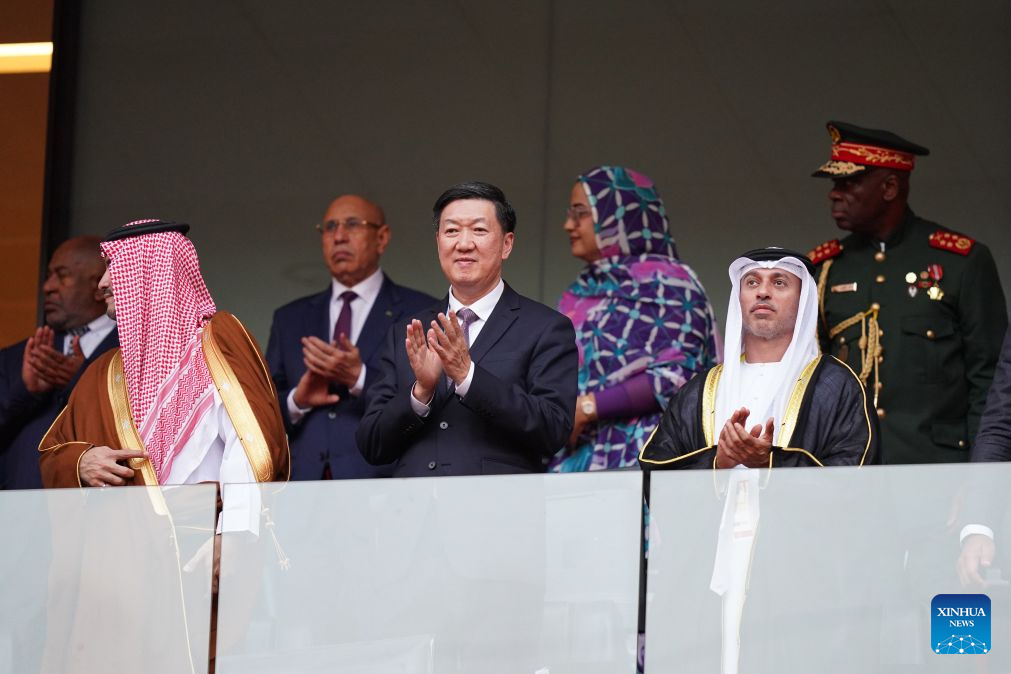
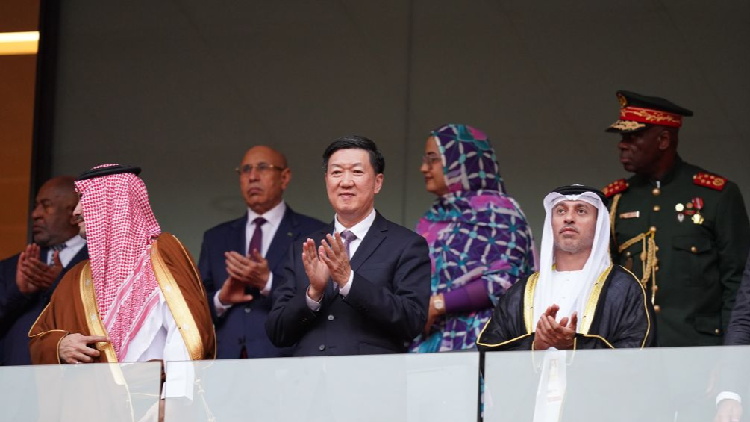
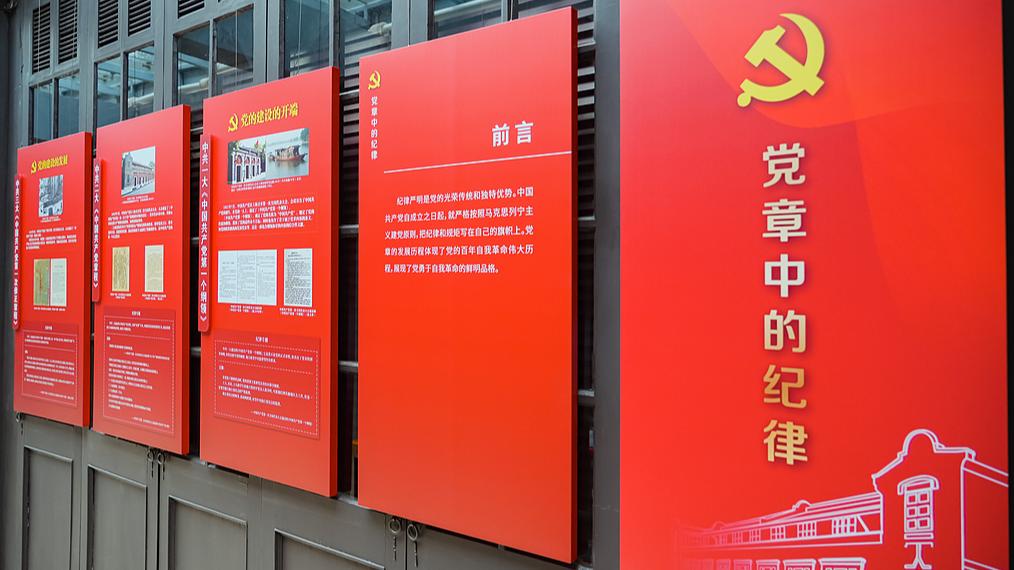
Nearly 90 foreign military attachés from more than 50 countries visited Zunyi in southwest China's Guizhou Province. On Tuesday, the military attachés laid a flower basket in tribute to the fallen heroes at the Zunyi Red Army Martyrs Cemetery.
The visit, at the invitation of China's Ministry of National Defense, is part of a six-day program in Guizhou and Sichuan provinces, during which the delegation explores revolutionary sites, visits military and civilian institutions, and learns about local economic and social development.
Ever wondered how a large cruise ship is built? Check out this 90-second video for the whole construction process of Adora Flora City, China's second domestically built large cruise ship. After four years of construction, the ship will be officially delivered on Nov. 6 in Shanghai.
Adora Flora City features 2,130 cabins, which can accommodate up to 5,232 passengers at full capacity. The ship's delivery marks China's ability to continuously build and deliver luxury cruise ships. On Nov. 22, it will begin the first of its commercial voyages, which will focus on southern China and the Southeast Asian market.
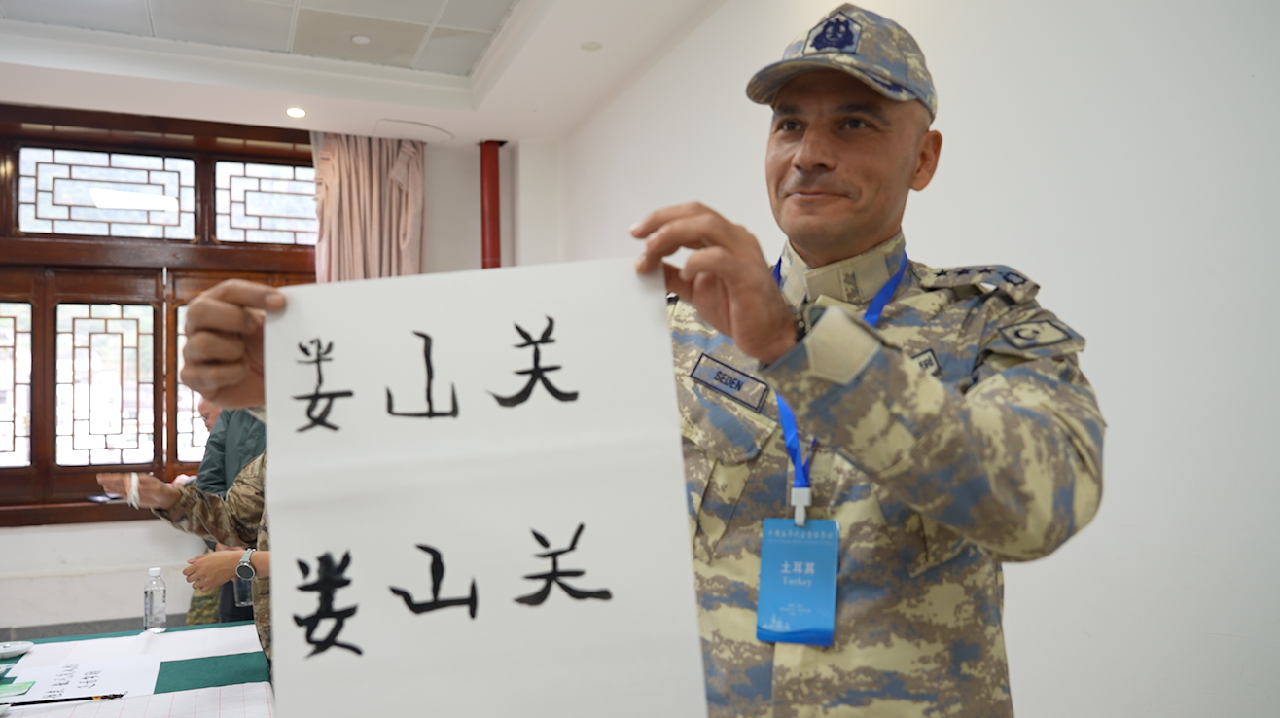
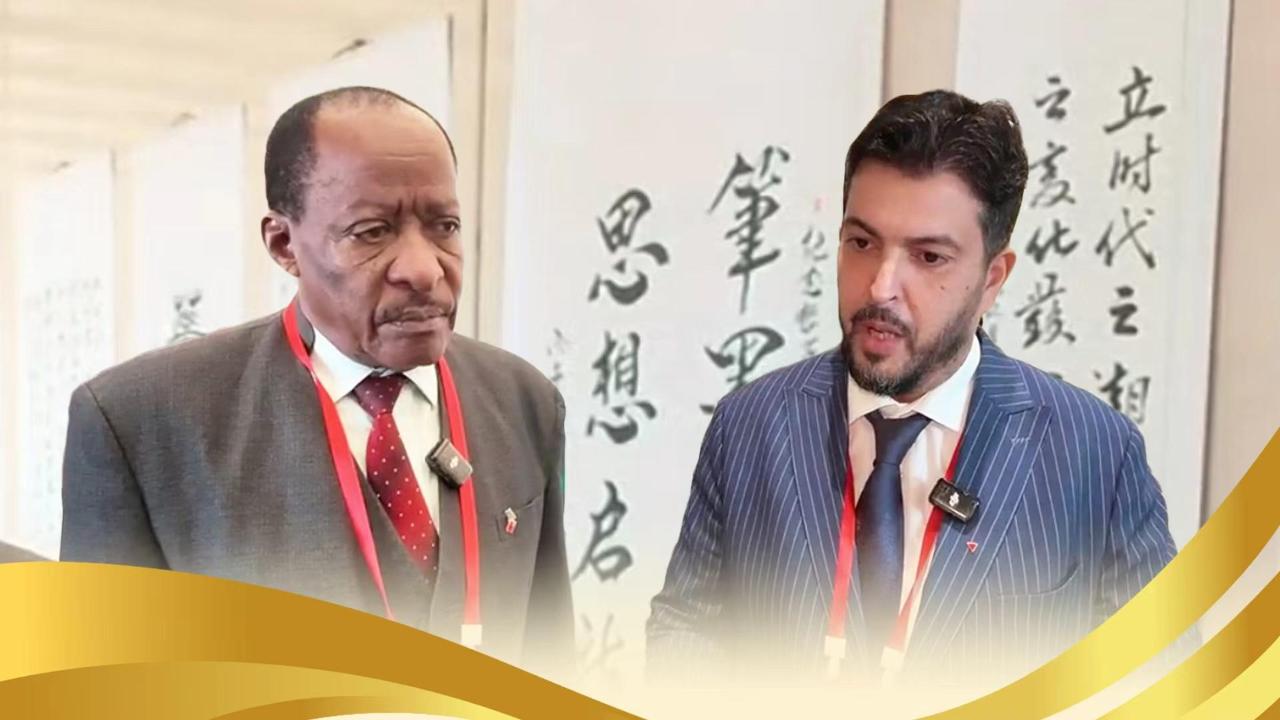
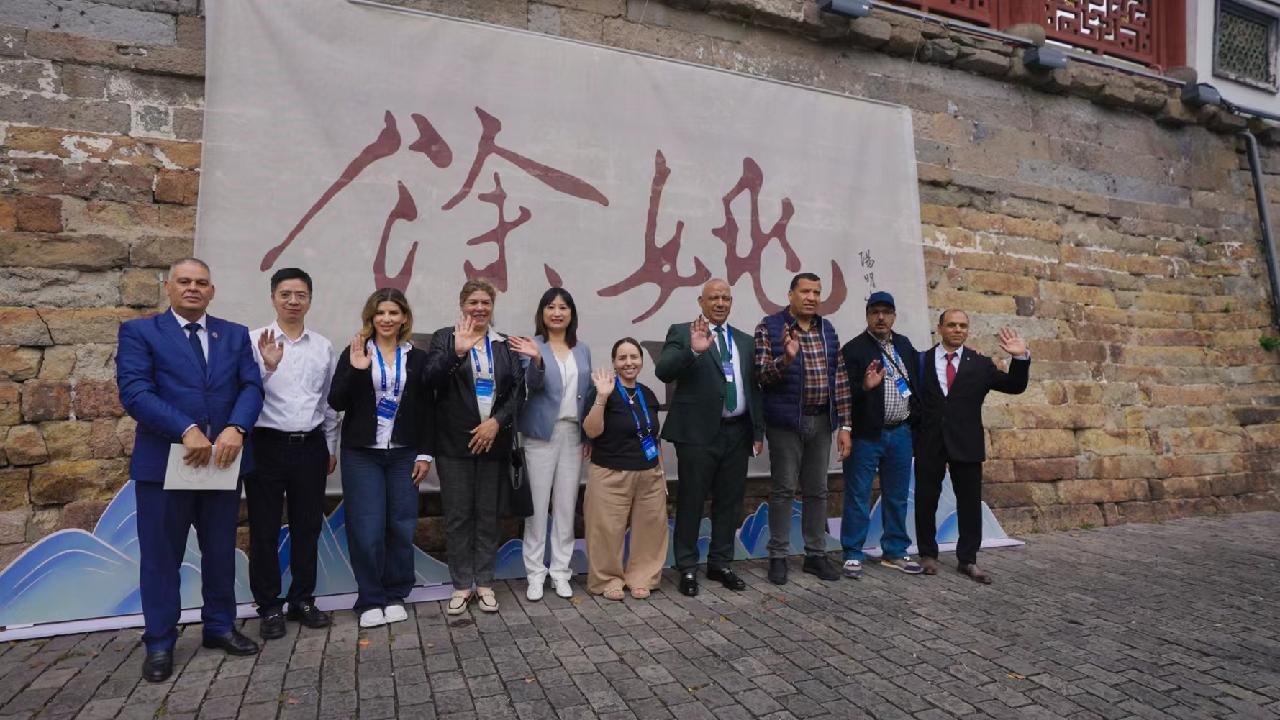
A group of military attachés had a special chance to experience calligraphy while learning about the history of the Long March in Zunyi, in southwest China's Guizhou Province.
At a museum displaying Mao Zedong's poems, the foreign guests on Wednesday wrote "Loushan Pass", a pivotal position where the Red Army in 1935 gained its first major victory since the beginning of the Long March.
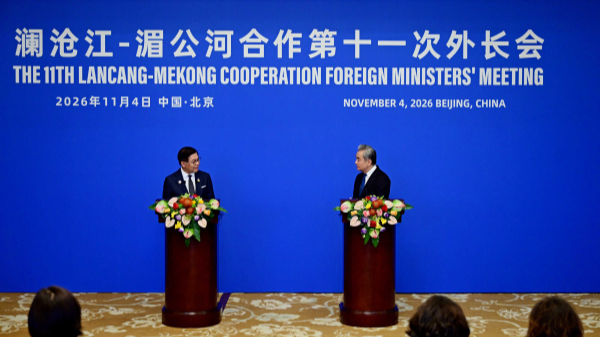
The 11th Lancang-Mekong Cooperation Foreign Ministers' Meeting was held Wednesday in Beijing. The six member countries of the group reviewed the results of a decade of cooperation, while pledging more in fields such as disaster prevention and AI.
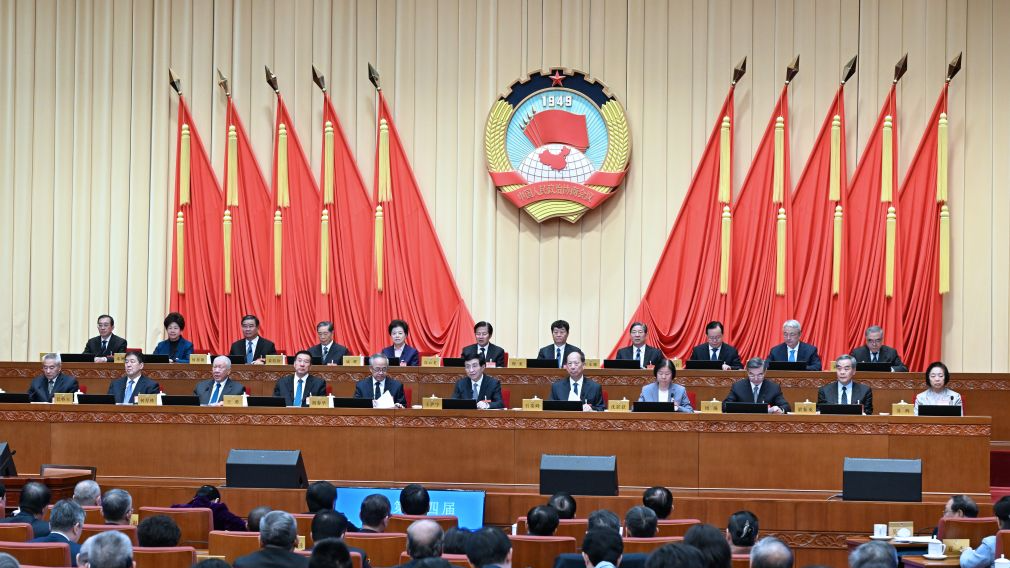
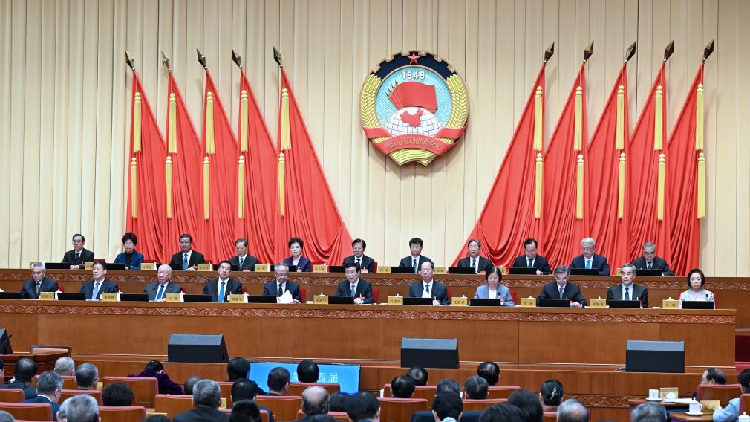
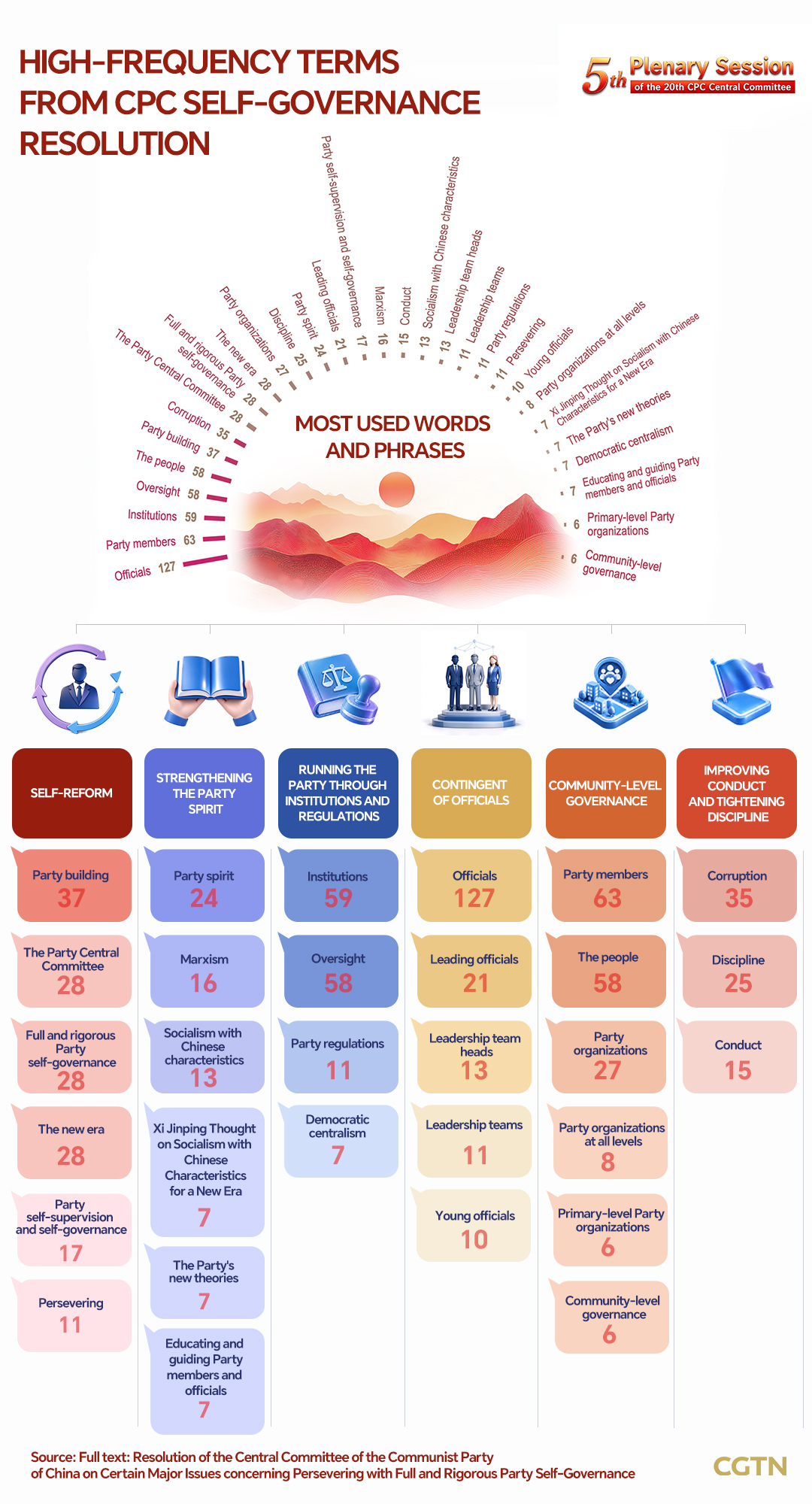
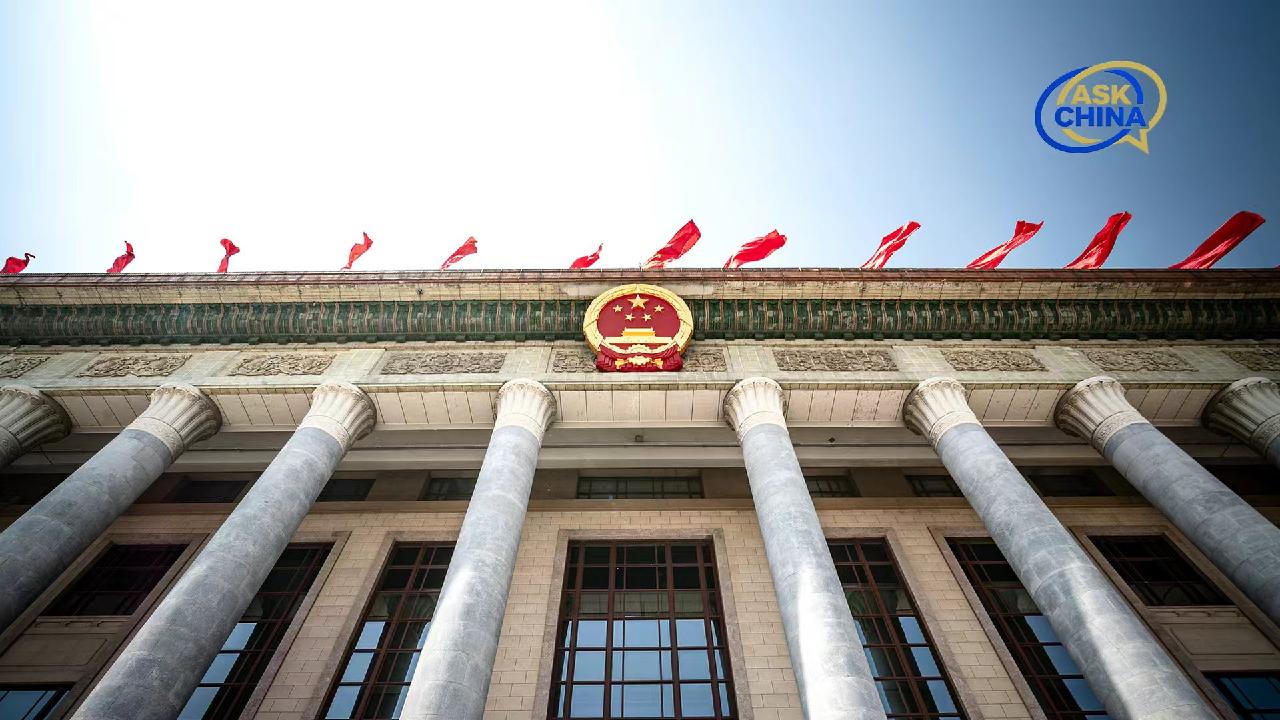
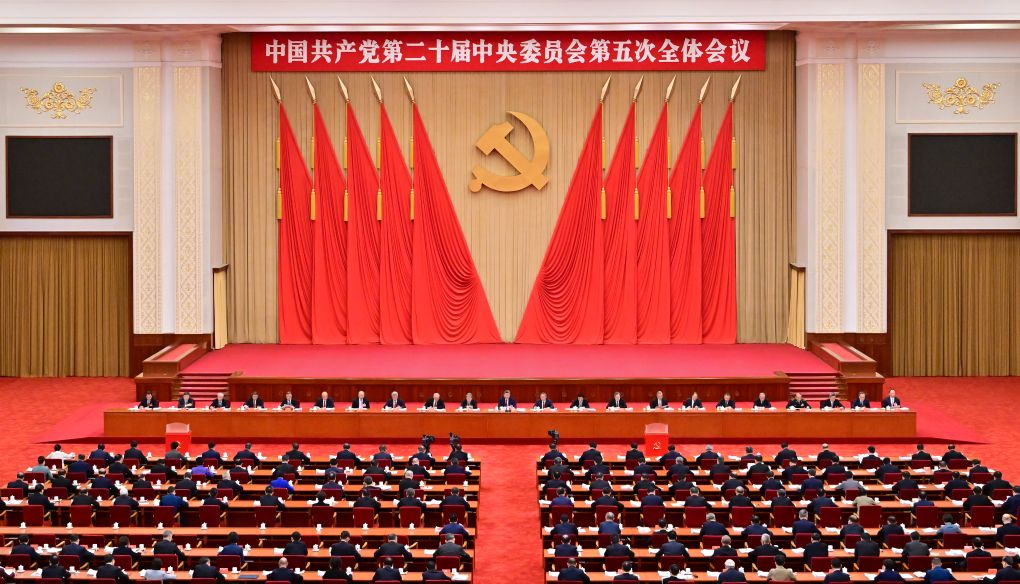
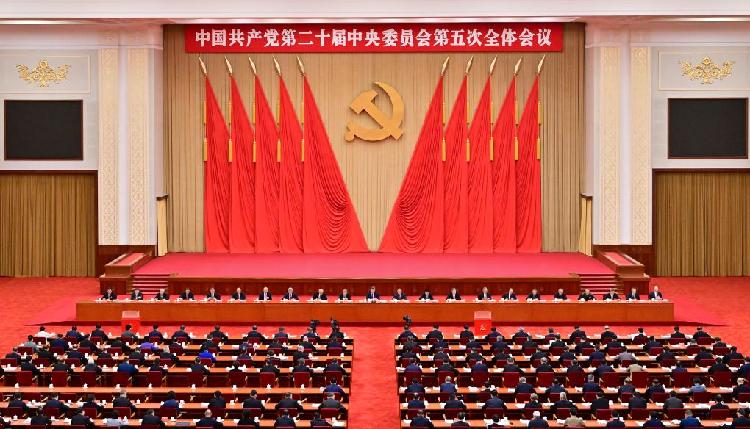
China's top political advisor Wang Huning on Wednesday urged members of the Chinese People's Political Consultative Conference (CPPCC) to thoroughly study and implement the guiding principles from the just-concluded Fifth Plenary Session of the 20th Communist Party of China (CPC) Central Committee.
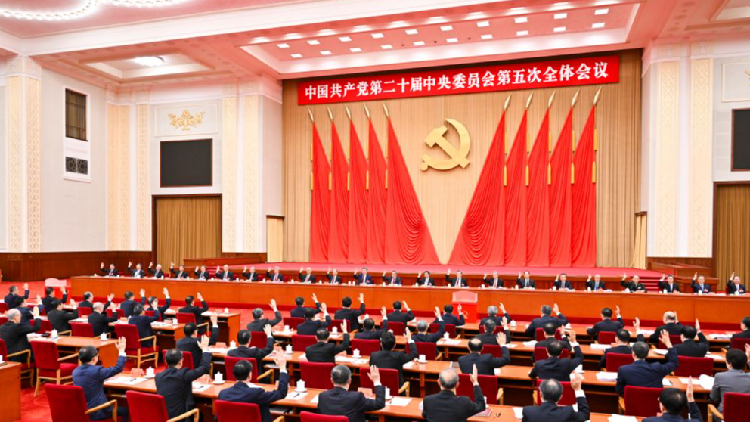
The plenum, held in Beijing from October 26 to 29, adopted a resolution on persevering with full and rigorous Party self-governance.
Wang, a member of the Standing Committee of the Political Bureau of the CPC Central Committee and chairman of the CPPCC National Committee, made the remarks while addressing the closing meeting of a standing committee session of the CPPCC National Committee.
Wang noted that the CPPCC must make thorough study and implementation of the plenum's guiding principles a major political task.
The CPPCC should fully implement the guiding principles in its work, strictly manage its members and other staff, and integrate efforts to improve their conduct and enforce discipline with anti-corruption measures, Wang added.
At the plenum, the CPC Central Committee decided the Party will convene its 21st National Congress in Beijing in the second half of 2027.
The CPPCC should focus its 2027 work on setting the stage for the successful convening of this congress, and studying, promoting and implementing its guiding principles, Wang said.
The meeting also adopted several personnel decisions.
Chinese scientists are working to design roads on the moon.
One concept, put forward by a team from Beihang University, envisions a road built from crushed stone that is excavated in situ or sintered on the moon — quite similar to gravel roads on Earth.
"Modern roads began as gravel surfaces, so I think the moon's first road could start the same way," Li Feng, a professor at Beihang University's School of Transportation Science and Engineering, told CGTN.
The moon's environment differs from Earth's — with temperature differences of up to 300 degrees Celsius and a different gravity environment — but the team believes the moon's first roads should meet the same standards: level, solid, durable, economical and feasible.
Li says their goal was to make the technology feasible within 5 to 10 years.
"I think one advantage of our concept is that it's technically more mature, because you don't need to bake large bricks — you only need small crushed stones, either sintered or excavated in situ," Li added.
The team has carried out related research using lunar samples gathered from China's Chang'e-5 and Chang'e-6 missions.
They have named their conceptual lunar road the moon's "Qinzhidao". The Qinzhidao is generally regarded as ancient China's earliest "highway", built more than 2,200 years ago during the Qin Dynasty.
"We want to pay tribute to that road in ancient China," Li says.
The study was published in January 2026 in the China Journal of Highway and Transport.
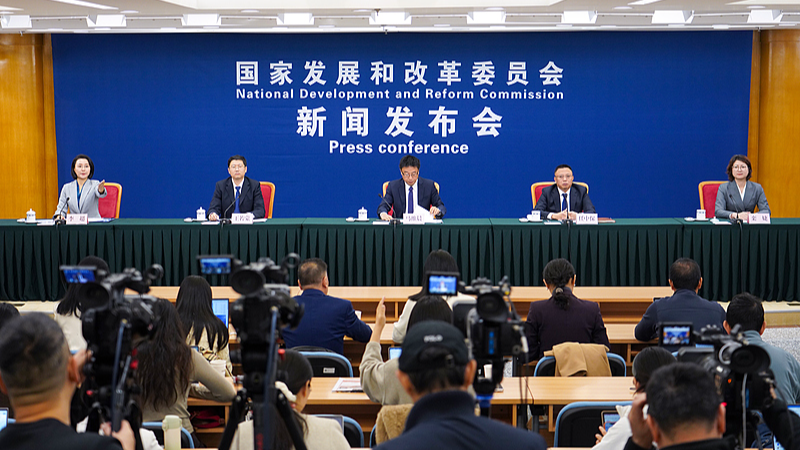
China has issued an action plan to promote resource conservation and efficient use of resources, safeguard national resource security and accelerate the green transition of its economy and society, the National Development and Reform Commission (NDRC) said Wednesday.
According to the plan, China aims to reduce energy consumption per unit of gross domestic product (GDP) by around 10%, water consumption per unit of GDP by 10%, and construction land use per unit of GDP by 15%, by 2030 from 2025 levels. The plan was jointly issued by the NDRC, the Ministry of Industry and Information Technology and three other government departments.
It also calls for continued reductions in grain loss rates across all stages of the grain industry chain and an increase in the annual recycling volume of major recyclable resources to 510 million tonnes by 2030.
It sets out key tasks in seven areas, covering energy conservation and efficiency improvement, water conservation, grain conservation and food waste reduction, economical and intensive land use, mineral resource development and utilization, raw material conservation and recycling, and fostering a culture of resource conservation among the public.
The action plan also specifies supporting measures in areas such as standards, policies, regulatory oversight and technological innovation.
Comprehensive resource conservation can help reduce carbon emissions, improve the ecological environment and support high-quality development, said Li Zhong, deputy director of the Energy Research Institute under the NDRC, in a co-authored article.
China aims to peak carbon dioxide emissions before 2030 and achieve carbon neutrality before 2060.
Achieving these goals requires changes on both the supply and demand sides, including accelerating the development of non-fossil energy and promoting the conservation and efficient use of resources, Li said.
Efforts to conserve energy, water, grain, land, minerals and materials essentially help reduce energy demand and curb the increase in emissions at the source by reducing wasteful consumption and inefficient inputs, Li said.
She added that advancing comprehensive resource conservation can help promote carbon reduction, pollution reduction, green expansion and economic growth in a coordinated manner, while lowering the overall costs of the green and low-carbon transition.
European left-wing political figures have highlighted the importance of the Communist Party of China's (CPC) commitment to self-reform, saying its experience in maintaining Party discipline and putting people first offers valuable lessons for left-wing parties in Europe.
"People-centric development doesn't happen spontaneously. It needs a strong party that's disciplined," said Kaivon Kjems, international secretary of the Communist Party of Denmark. He noted that self-reform enables a party to identify and address challenges within society, navigate competing interests and remain responsive to people's concerns.
Kjems said European left-wing parties could learn from the CPC's experience, stressing that meaningful efforts to address people's concerns require serious commitment to self-reform and strong party building. He added that the CPC's people-oriented approach offers concrete lessons in tackling the problems people face in their daily lives.
Adam Barbato Shoufani, general secretary of the Swiss Communist Youth, described the CPC's self-reform process as central to its commitment to serving the people.
"The Communist Party of China is serving the people, not the entrepreneurs, not the big capital, financial capital of foreign investors," he said, adding that initiating a process of self-reform demonstrates political courage.
The two shared their views with CGTN on Tuesday during the 16th World Socialism Forum in Beijing. The forum, which ran from Tuesday to Wednesday, brought together more than 80 participants from 40 countries, including leaders of foreign communist parties, prominent Marxist scholars, social activists and diplomats from foreign missions in China.
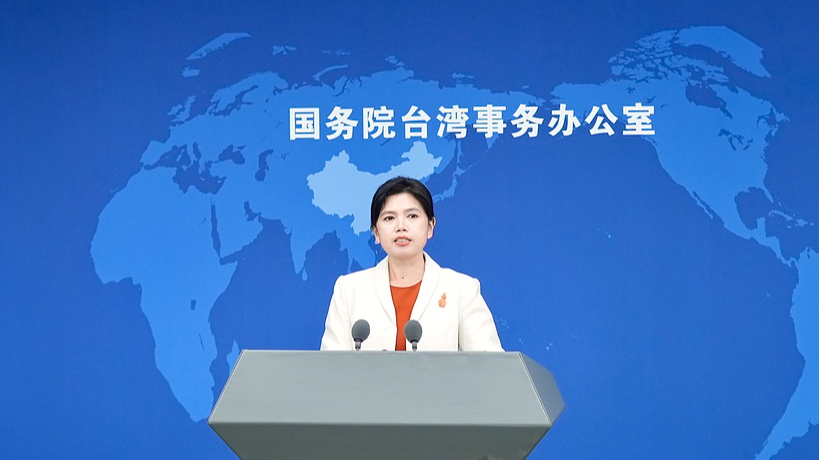
A Chinese mainland spokesperson on Wednesday criticized Taiwan's Democratic Progressive Party (DPP) authorities for aligning with US policies, particularly in the semiconductor industry, for political gain, saying the move disregards the interests of local industries and public welfare.
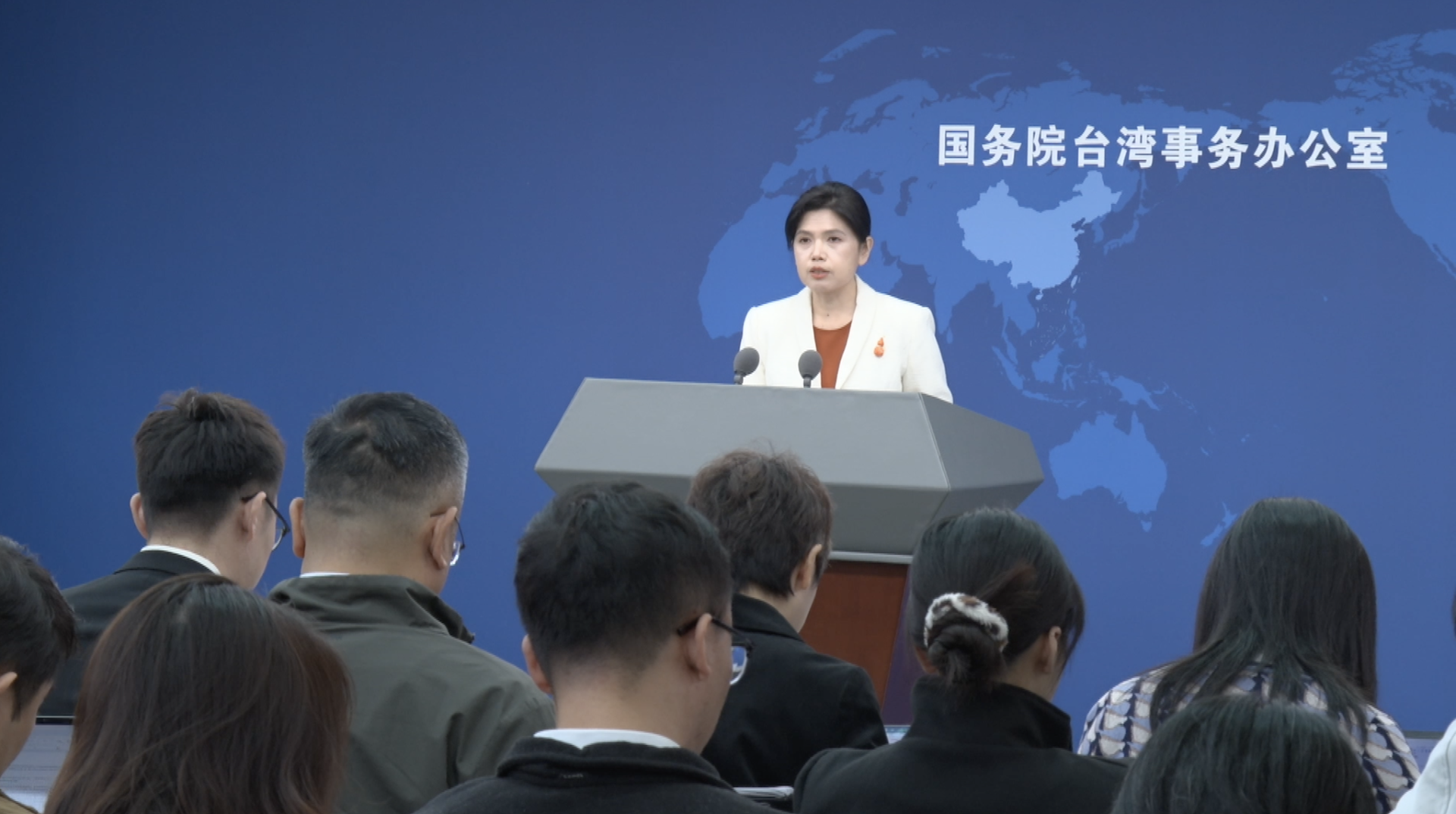
Zhu Fenglian, spokesperson for the State Council Taiwan Affairs Office, made the remarks in response to a question about recent statements by Taiwan authorities that they were considering tightening controls on high-tech products, including advanced chips, with measures that could restrict exports to destinations, including the Chinese mainland.
Zhu said such moves obstruct businesses' normal operations.
The mainland is committed to advancing self-reliance and strength in science and technology, Zhu said, adding that attempts to contain and blockade its development have never been and will never be able to halt progress.
She also called on businesses across the Taiwan Strait to strengthen cooperation in relevant fields.
The Chinese mainland's AI core industry was estimated to have exceeded 1.2 trillion yuan (about $178.6 billion) in 2025. By the end of September, its smart computing power reached 2,592 EFLOPS, up 146% year on year – EFLOPS refers to a unit measuring computing performance, with each unit representing 1 quintillion floating-point operations per second.
China's trade in services maintained brisk growth in the first nine months of 2026 as the country moved to foster new drivers of foreign trade and promote high-standard opening up.
Services imports and exports totaled 5.77 trillion yuan (about $858.89 billion) from January to September, up 8.5% year on year, according to the Ministry of Commerce. Exports rose 14.8% while imports grew 4.8%, leaving a services trade deficit of 1.23 trillion yuan.
This performance was buoyed by a surge in transport services, which led all categories with a 33.9% jump. Knowledge-intensive services, which accounted for 43.9% of total services trade, also expanded steadily by 7.4%.
These figures underscore a broader shift in China's trade structure as the country moves toward consumption and innovation.
Experts say the development of services trade is key to building new competitive advantages in international trade, fostering a more open economy, and supporting high-quality development.
Beijing is stepping up support. The 15th Five-Year Plan (2026-2030) calls for vigorously developing services trade, while the 2026 government work report vows to improve national standards for the service sector and cultivate the "China Services" brand.
In April, the Ministry of Commerce launched a plan to develop national demonstration zones for the services trade in 16 cities, including Beijing, Tianjin and Shanghai, as well as Hainan Province, with the goal of cultivating key services industry clusters and significantly improving liberalization by 2035.
China's growing services trade has global significance. Li Bin, deputy head of the State Administration of Foreign Exchange, said China's services imports reached more than $620 billion in 2025, covering travel, intellectual property, transport and business services, making China the world's second-largest importer of services.
This steady growth in services imports has strongly supported the development of global services trade and effectively promoted employment and growth in other economies, Li noted.
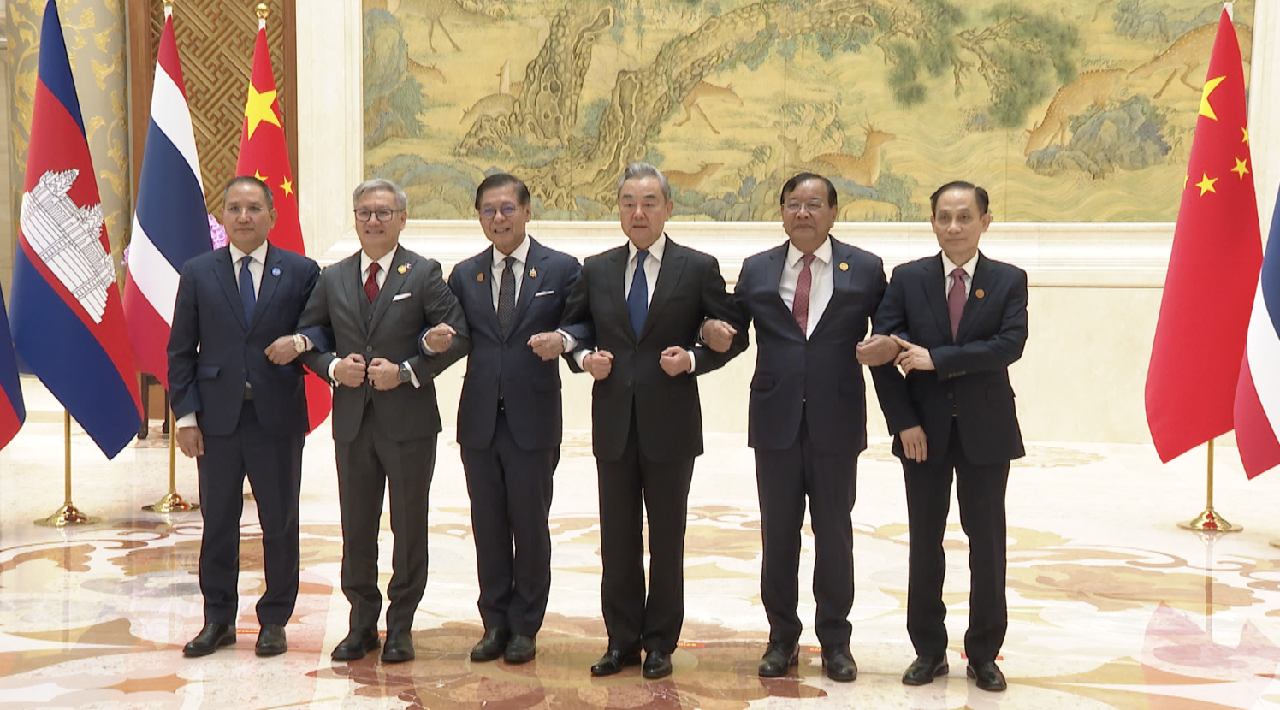
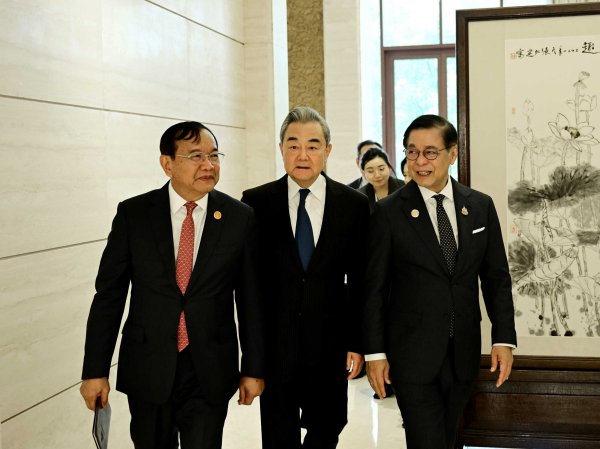
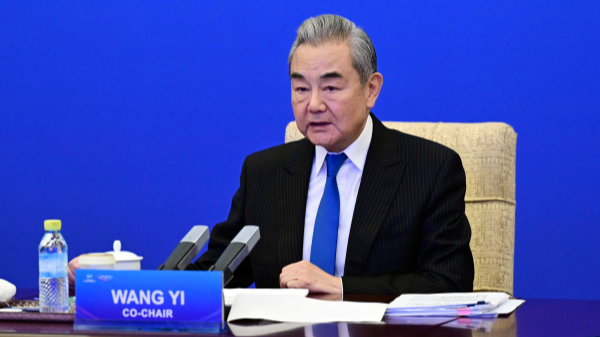
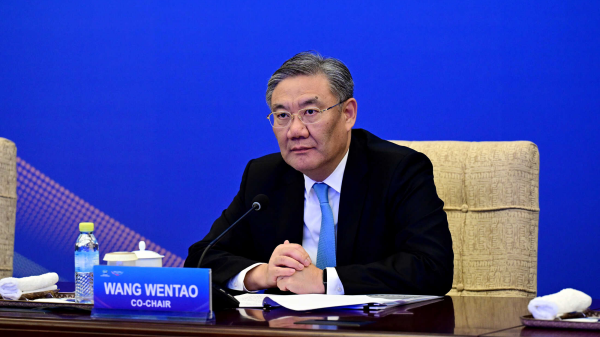
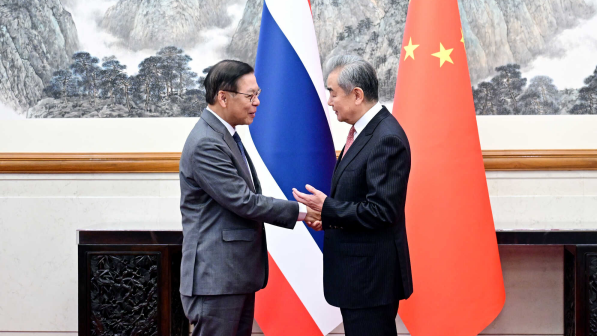
Chinese Foreign Minister Wang Yi on Wednesday called on the six Lancang-Mekong countries – China, Myanmar, Laos, Thailand, Cambodia and Vietnam – to build on a decade of fruitful cooperation and jointly usher in a new "golden decade."
Wang, also a member of the Political Bureau of the Communist Party of China Central Committee, made the remarks while co-chairing the 11th Lancang-Mekong Cooperation (LMC) Foreign Ministers' Meeting in Beijing with Thai Deputy Prime Minister and Foreign Minister Sihasak Phuangketkeow.
Established in 2016, the LMC takes its name from a river known as the Lancang in China, which becomes the Mekong after it leaves the country and flows through Myanmar, Laos, Thailand, Cambodia and Vietnam.
China stands ready to work with Mekong countries in the direction set by the leaders, take stronger measures and more coordinated steps, to continuously substantiate the Lancang-Mekong community with a shared future, Wang said.
Wang called for efforts to keep Lancang-Mekong Cooperation at the forefront of regional cooperation, make it a benchmark for Global South solidarity, and contribute to building a community with a shared future for humanity.
He called for Lancang-Mekong countries to strengthen top-level design on core issues such as regional development and security, enhance the alignment of development strategies, promote trade and investment liberalization and facilitation, and deliver more "small and beautiful" livelihood demonstration projects to give people a greater sense of gain.
He added that it is important to expand cooperation in emerging fields such as the digital economy, artificial intelligence, smart manufacturing and smart agriculture, welcoming more Mekong countries to join the World Artificial Intelligence Cooperation Organization (WAICO).
He also urged Lancang-Mekong countries to oppose external interference and incitement of bloc confrontation, reject the creation of exclusive "small circles," and never allow the resurgence of militarism. He also said they should step up joint efforts to combat cross-border crimes.
Wang suggested establishing a Lancang-Mekong cross-border disaster early-warning cooperation mechanism to jointly enhance disaster prevention, mitigation and relief capabilities.
The meeting was attended by Cambodian Deputy Prime Minister and Foreign Minister Prak Sokhonn, Lao Deputy Prime Minister and Minister of Foreign Affairs Thongsavanh Phomvihane, Vietnamese Foreign Minister Le Hoai Trung and Myanmar's Minister for the Ministry of National Planning, Investment and Foreign Economic Relations, Aung Kyaw Hoe.
All parties spoke highly of the progress of the LMC over the past decade, saying they appreciated China's important leading role in advancing their cooperation.
Those present reaffirmed their commitment to good-neighborliness and friendship, mutual respect and mutual trust, deeper cooperation and win-win outcomes, and to jointly promoting sustainable development and prosperity in the region.
They agreed to deepen cooperation in priority areas such as connectivity, water resources and environment, expand digital transformation, green innovation, and promote people-to-people and cultural exchanges.
They also agreed to strengthen disaster governance, tighten security coordination, combat cross-border crime and safeguard regional tranquility.
All parties agreed to maintain close communication to ensure that the fifth LMC Leaders' Meeting is a complete success and delivers positive outcomes.
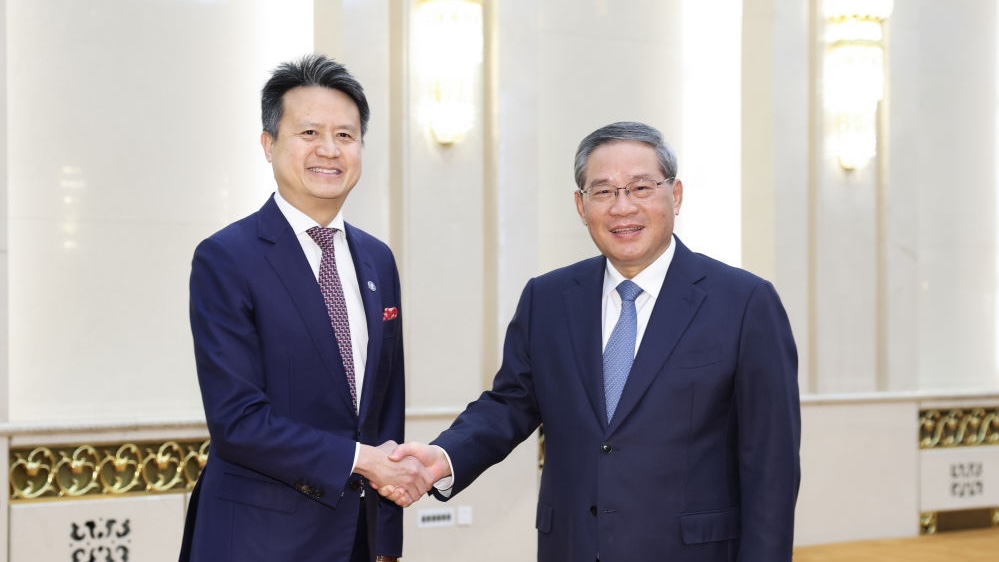
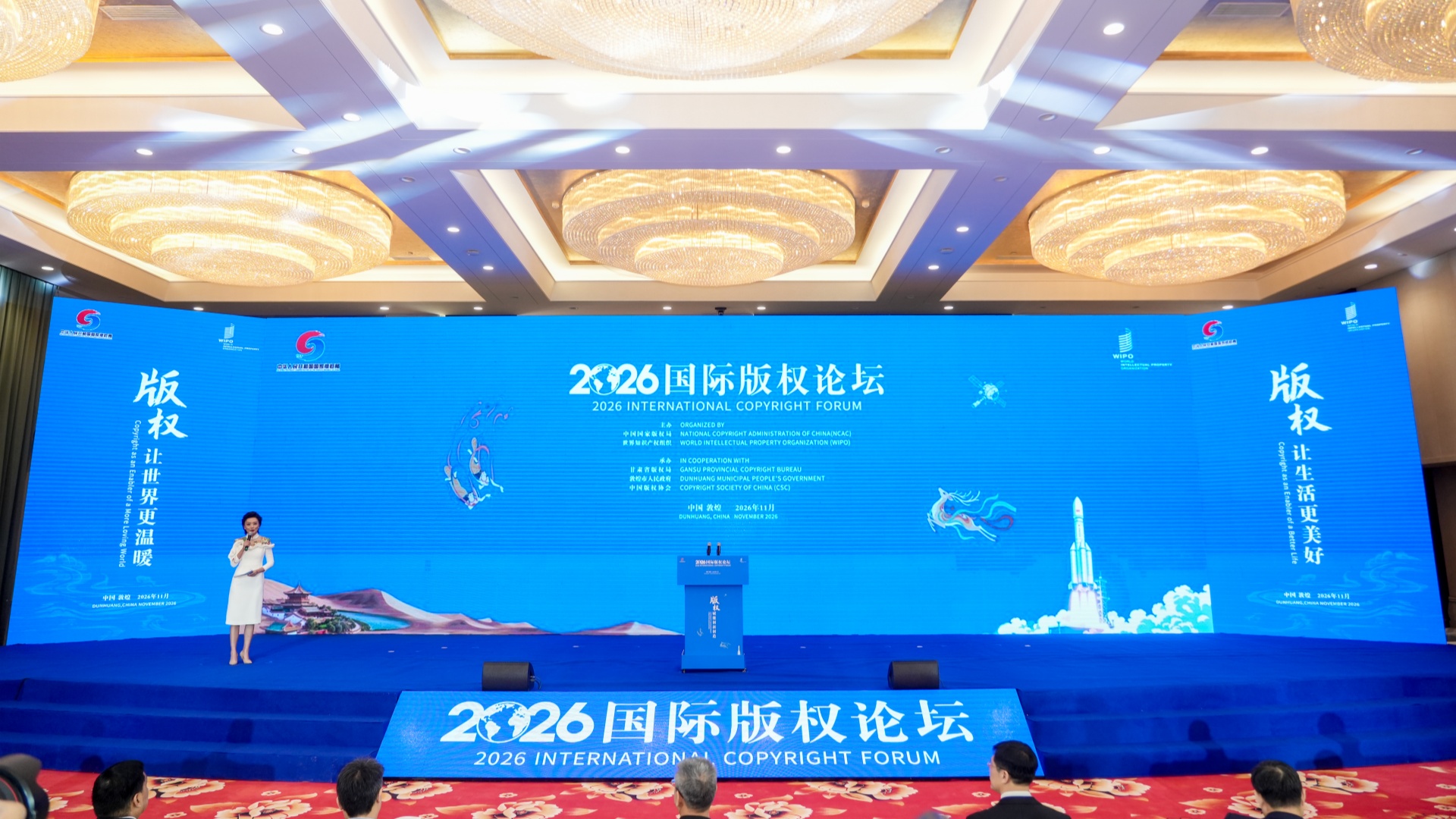
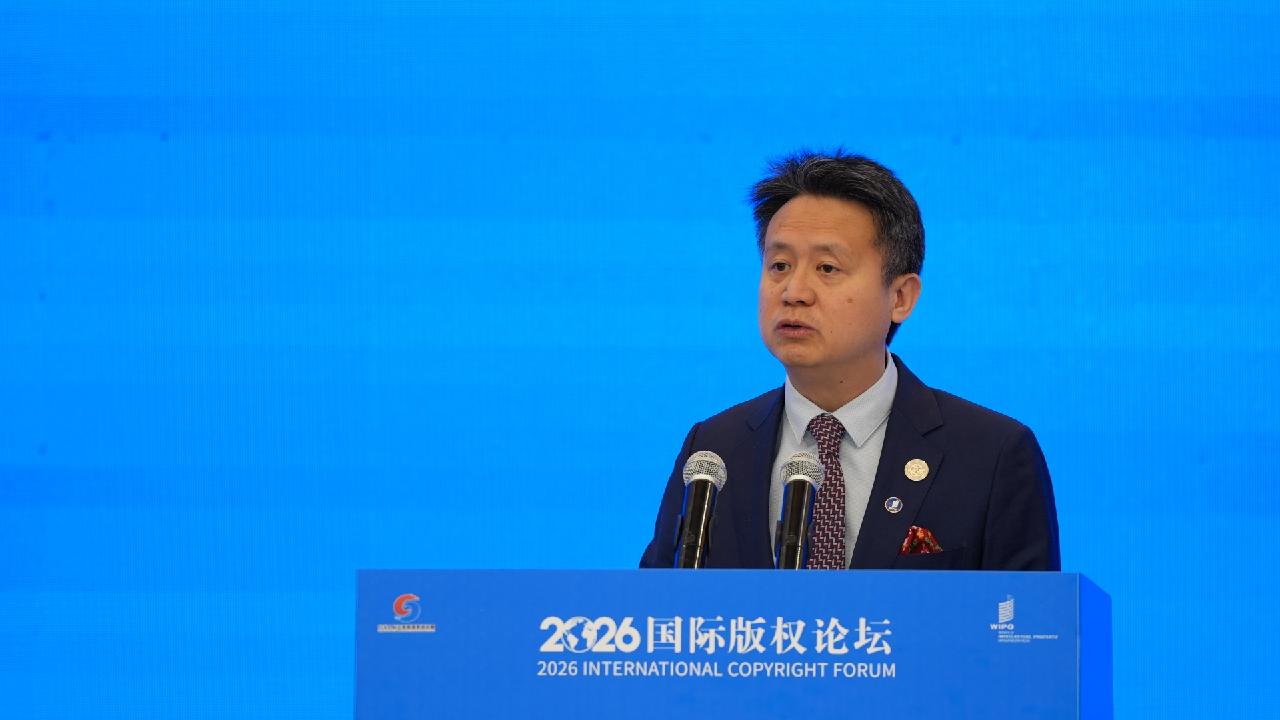
Chinese Premier Li Qiang met with World Intellectual Property Organization (WIPO) Director General Daren Tang in Beijing on Wednesday.
China and WIPO have carried out fruitful cooperation in global intellectual property services, information technology, human resources and other fields in recent years, Li said.
China stands ready to work with WIPO to continuously deepen and solidify cooperation, promote international cooperation on intellectual property rights, and make greater contributions to global innovative development and common prosperity, Li added.
Li said China will continue to support WIPO's work and is willing to play a greater role in global intellectual property governance. It is hoped that WIPO will continue to support the development of China's intellectual property cause, build more platforms for exchanges and cooperation, and provide more convenient and high-quality services for Chinese users.
Congratulating China on the remarkable achievements made in its intellectual property cause, Tang noted that China has ranked among the top 10 in the Global Innovation Index with the largest number of top 100 innovation clusters, adding that its innovation economy in industries such as film and gaming is advancing rapidly.
Tang said China's experience in the development of intellectual property rights provides useful references for other countries, noting that the WIPO is willing to deepen cooperation with China, promote Belt and Road cooperation, and jointly facilitate scientific and technological innovation and economic development.
The Communist Party of China's (CPC) commitment to Party building, combating corruption and putting people first has drawn praise from an African political party leader and a scholar, who said its governance experience offers valuable insights for African countries and socialist parties.
Said Bakkali, a member of the Political Bureau of Morocco's Party of Progress and Socialism, a party with an 83-year history, highlighted the importance the CPC places to Party building and its systematic efforts to combat corruption. He said his Party is also drawing on the CPC's approaches and mechanisms in this regard, noting that corruption can undermine a political party and a state from within.
Bakkali also described the CPC as a vibrant example of how a Marxist party can govern a country. "The CPC is bringing innovative solutions and ideas to strengthen not only the communist socialist internationalism but also to bring new ideas to international community, to international organizations," he said.
Humphrey Moshi, director of the Center for Chinese Studies at the University of Dar es Salaam in Tanzania, said the CPC's consistent commitment to serving the people offers valuable lessons for African countries, noting that stakeholders in Africa "have a lot to learn from the Chinese experience."
However, he emphasized that learning from China's experience is "not a question of cut and paste" but "a question of adopting and adapting to our own circumstance."
As China and Africa deepen cooperation through platforms such as the Forum on China-Africa Cooperation (FOCAC) and the Belt and Road Initiative, Moshi said African countries have much to learn from China's development and governance experience.
The two shared their views with CGTN on Wednesday during the 16th World Socialism Forum in Beijing. The forum, held on Tuesday and Wednesday, brought together more than 80 participants from 40 countries, including leaders of foreign communist parties, prominent Marxist scholars, social activists and diplomats from foreign missions in China.
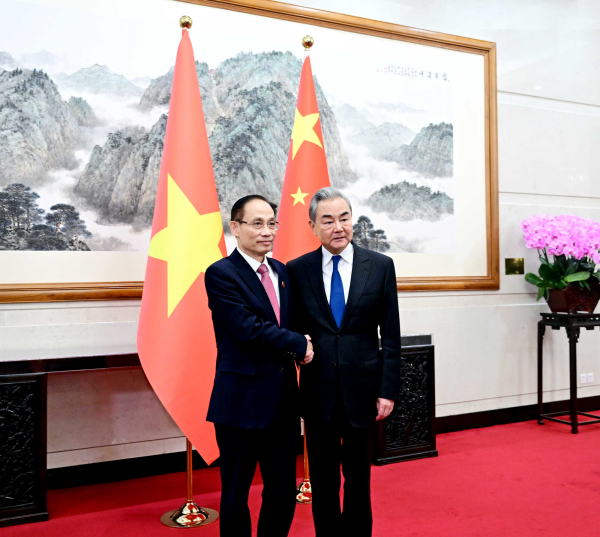
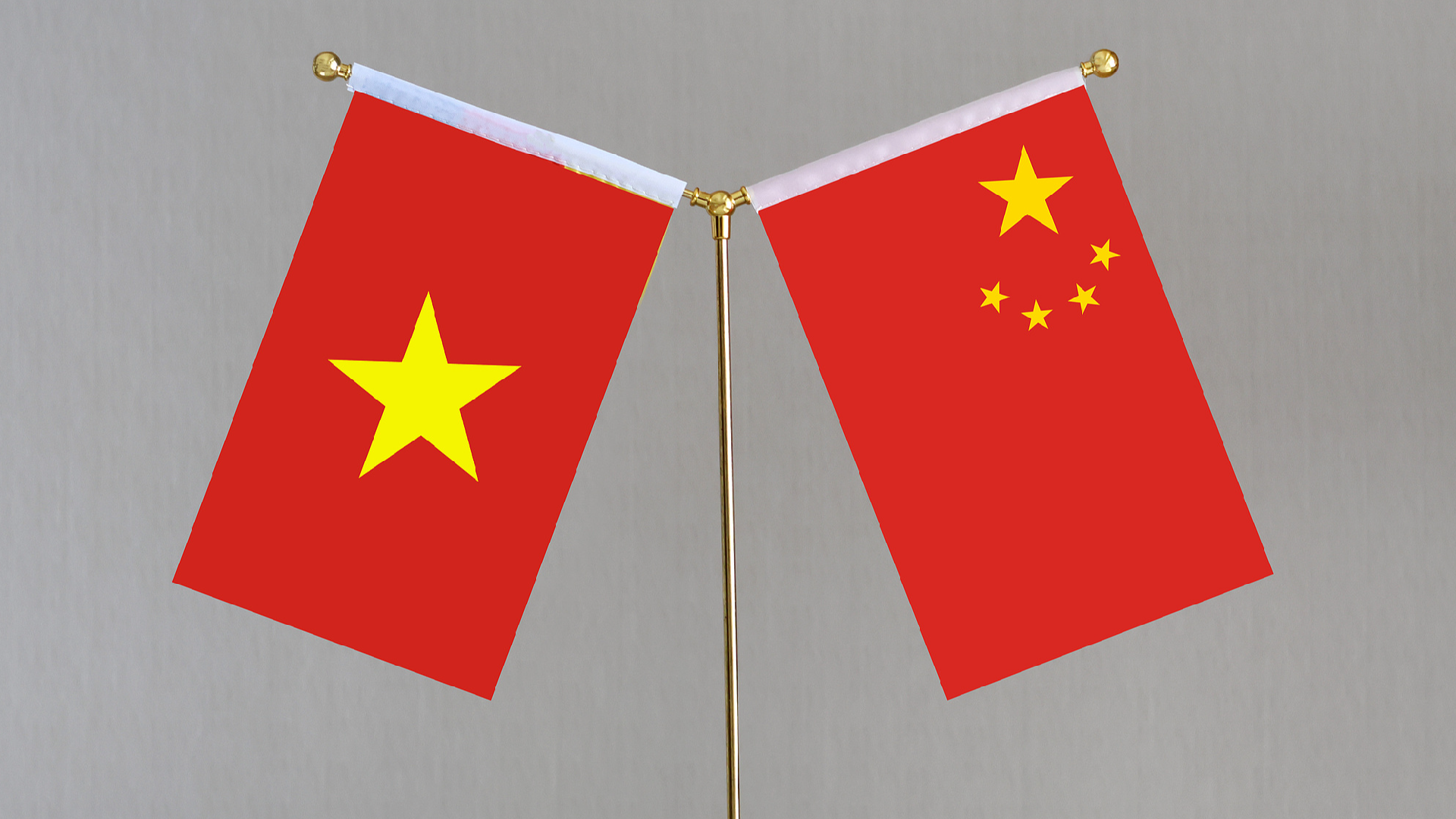
China is willing to work with Vietnam to promote all-round connectivity covering land, sea and air, improve trade and investment facilitation, and seize opportunities in emerging industries, Chinese Foreign Minister Wang Yi said Wednesday.
Wang, also a member of the Political Bureau of the Communist Party of China (CPC) Central Committee, made the remarks in Beijing when meeting with Vietnamese Foreign Minister Le Hoai Trung, who is in China for the 11th Lancang-Mekong Cooperation Foreign Ministers' Meeting.
Since the beginning of this year, under the personal leadership of the top leaders of the two parties and the two countries, the building of a China-Vietnam community with a shared future has been deepened and solidified, said Wang, noting that China is willing to work with Vietnam to implement the consensus reached by the leaders of the two parties and the two countries and enhance high-level exchanges.
Wang said China stands ready to join hands with Vietnam to strengthen multilateral coordination on platforms such as East Asia Cooperation, properly handle maritime issues and jointly maintain peace and stability in the South China Sea.
Wang called on the two sides to support each other in successfully hosting the Asia-Pacific Economic Cooperation (APEC) Economic Leaders' Meeting.
Noting that the two parties share common ideals and beliefs, as well as their approaches to governing the party and the country, Wang said that they should enhance mutual learning and support, continuously enrich the contemporary connotations of the China-Vietnam community with a shared future, advance the modernization process of their respective countries and inject new impetus into the rejuvenation of the world socialist cause.
For his part, Trung congratulated the successful convening of the fifth plenary session of the 20th CPC Central Committee and expressed belief that the important arrangements of the meeting would help China enter a new stage of development.
Vietnam is willing to work with China to implement the consensus reached by the top leaders of the two parties and the two countries and enhance the alignment of development strategies, said Trung.
He noted that Vietnam commended the achievements of the Lancang-Mekong Cooperation and positive contributions made by China and stands ready to strengthen coordination with China to continue promoting cooperation among regional countries.
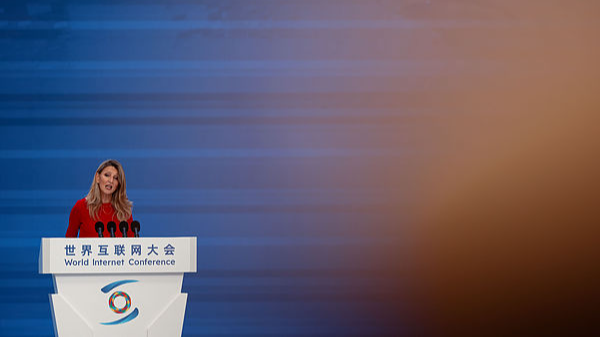
The internet's best case and worst case are not separated by a generation or a continent. They are separated by a connection, an investment or a safety guardrail – often by a single missing condition.
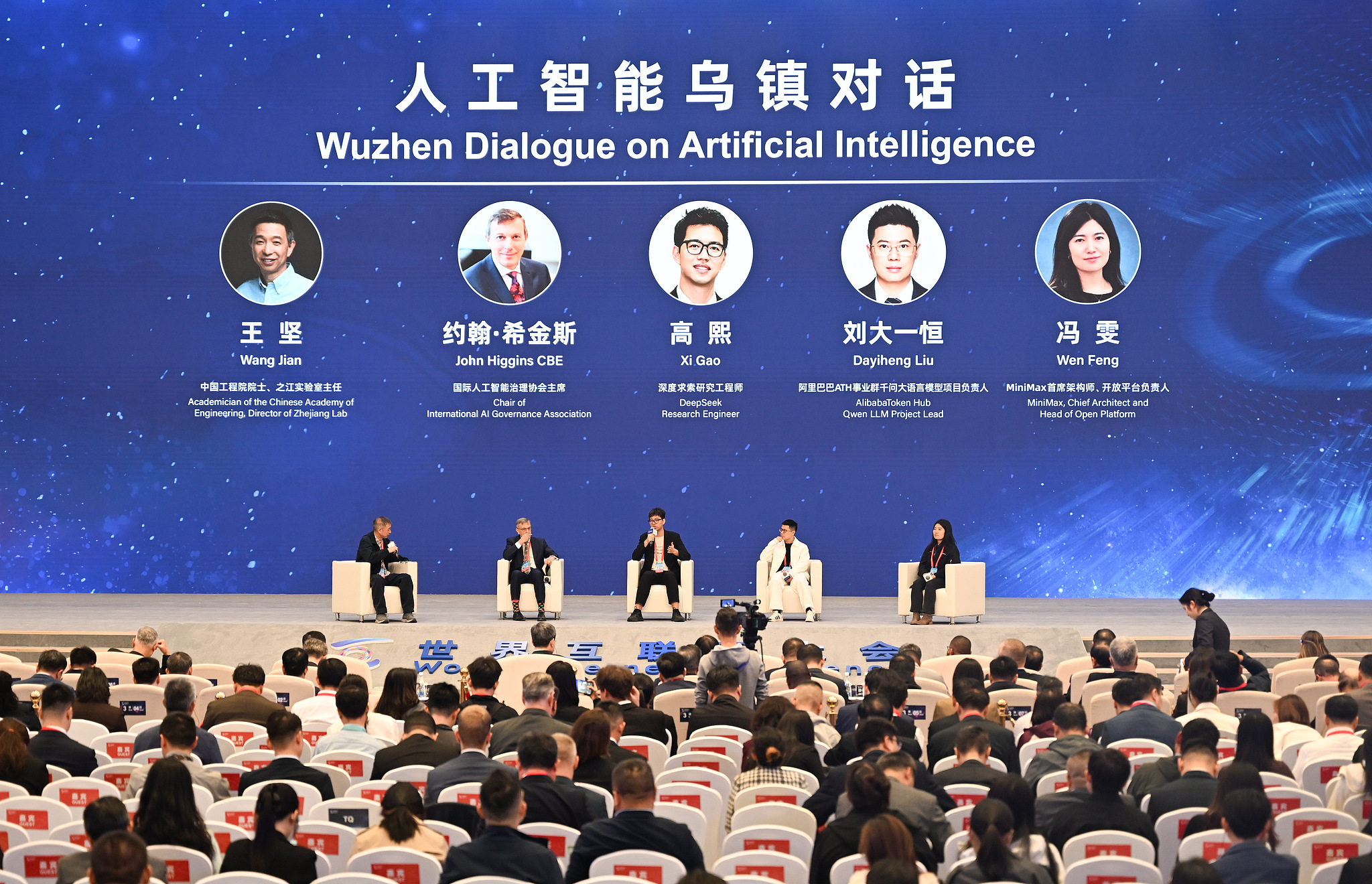
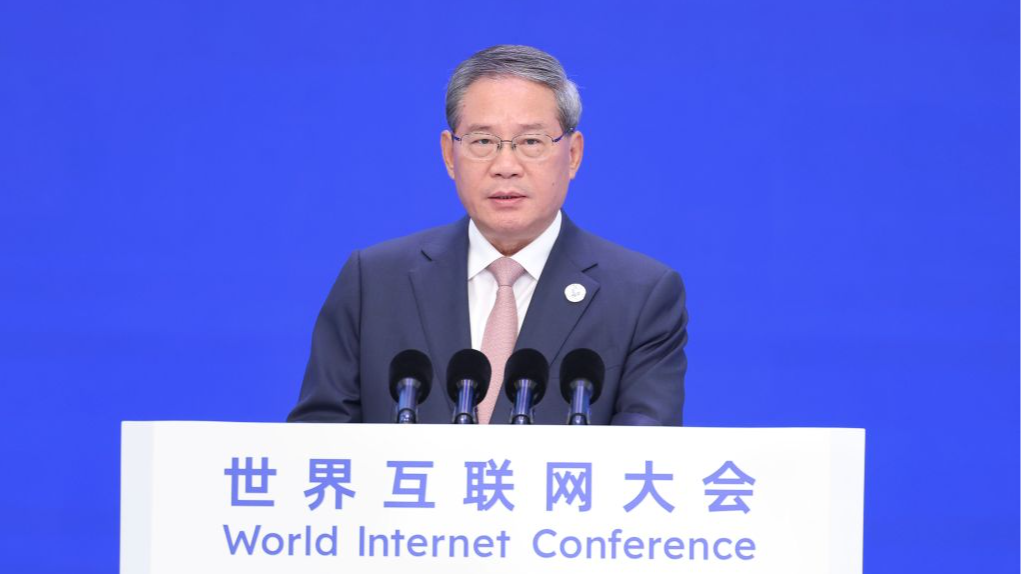
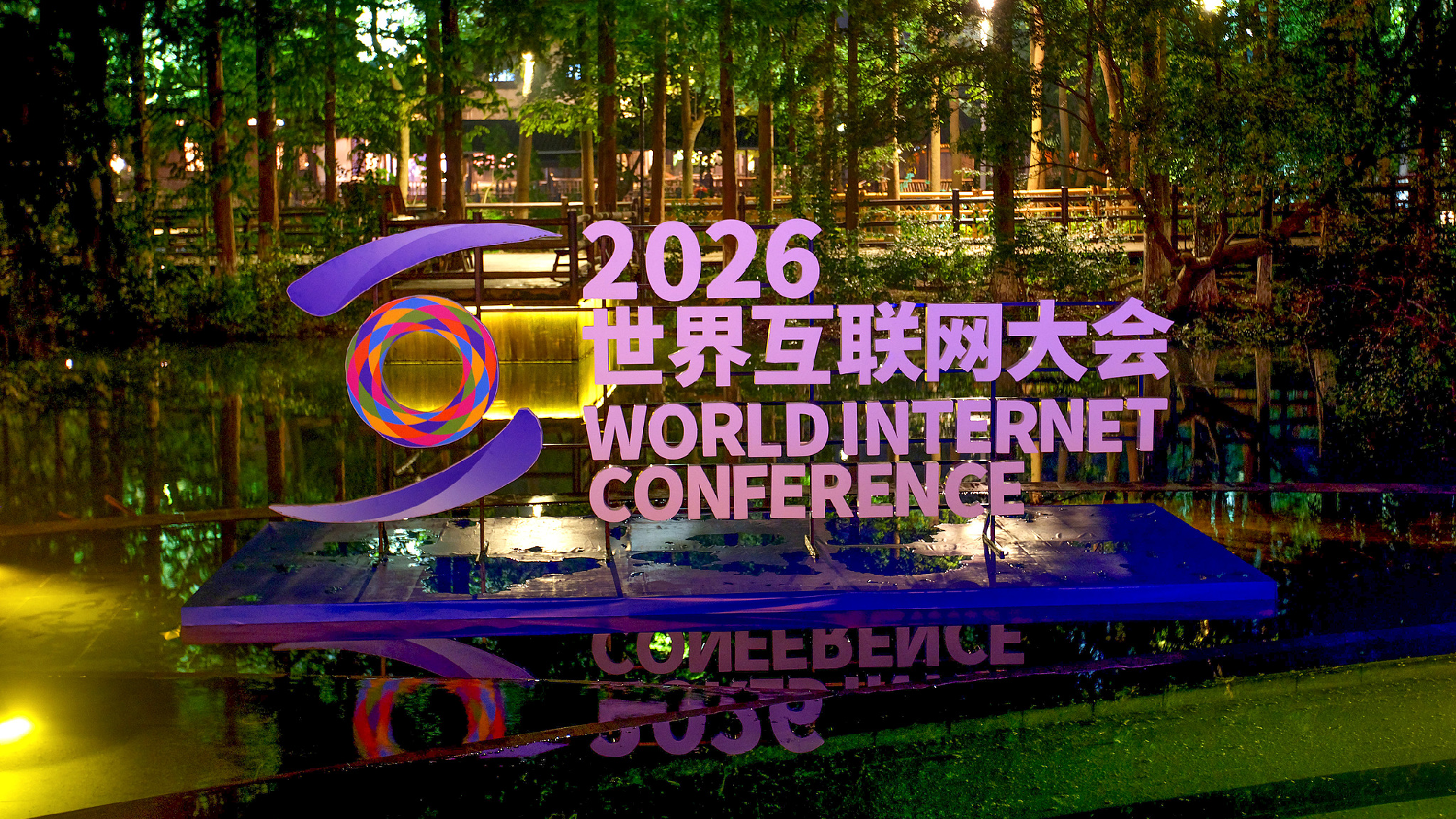
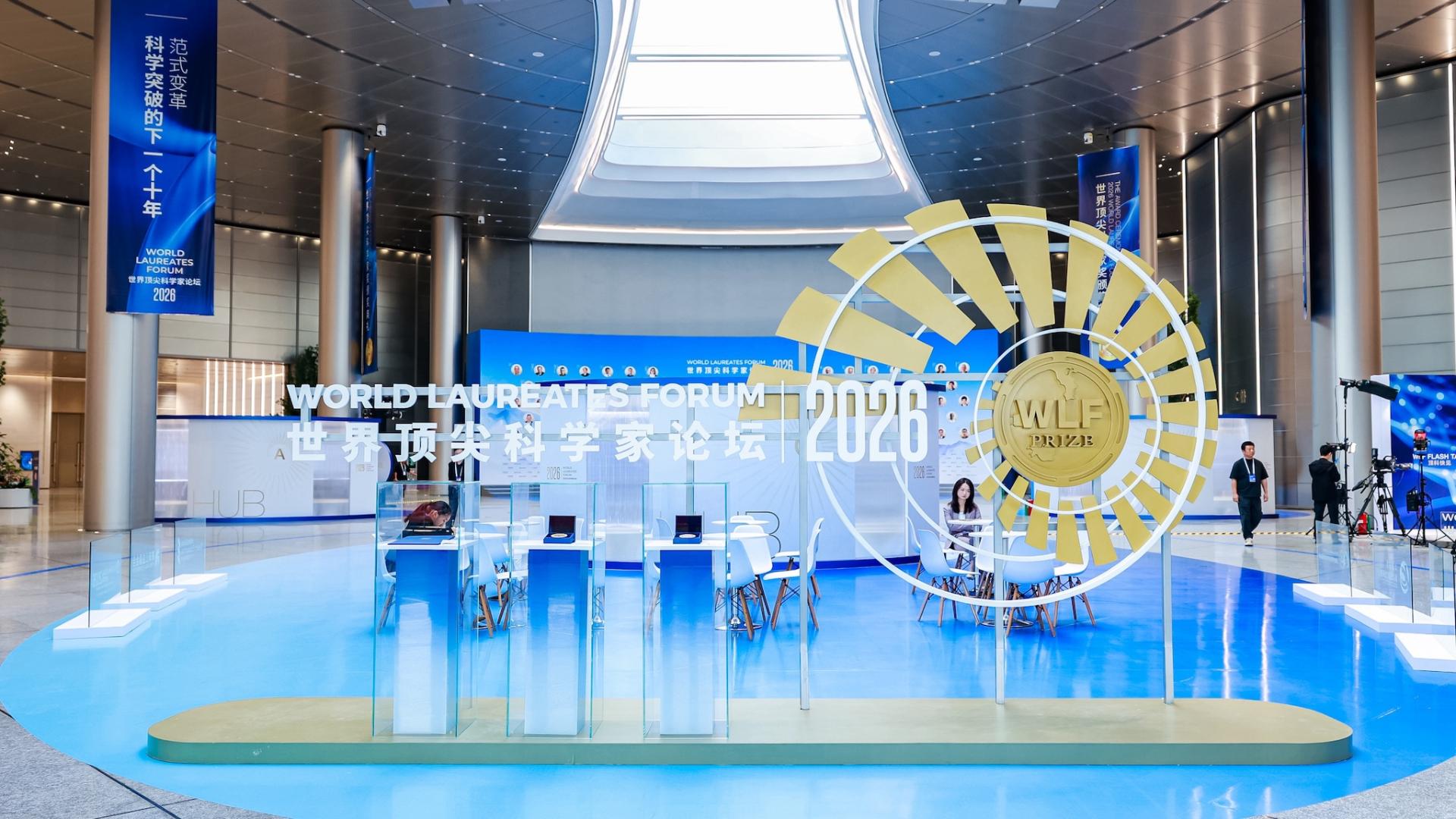
At this year's World Internet Conference Wuzhen Summit, the best case was concrete. Alibaba's Joseph Tsai argued that only open source can make AI inclusive, citing a Ugandan nonprofit that used the company's Qwen model to cover 68 African languages. Liu Dayiheng, who leads the model, added that open weights keep prices competitive, preventing a few firms from monopolizing access.
BrainCo offered the human version of the same story: neural-controlled prosthetics have helped more than 10,000 disabled people, including 2,046 in Zhejiang who received free limbs in 2025.
The worst case was equally concrete. UN Under-Secretary-General Li Junhua said about 2.2 billion people are still offline, for whom the promise of AI and digital transformation remains far off and prospects are vanishingly small. Meaningful connectivity, Li said, requires digital literacy, skills and a safe online environment – not just a signal. The International Telecommunication Union has warned that in the AI era, being offline means losing access to education, jobs and services, not merely a slower connection.
The one-step distance is clearest in open-source safety. John Higgins of the International Association for AI Governance said responsibility in open-source communities cannot be left to chance or a few clever academics, and called for credible cross-border evaluation bodies. Liu Dayiheng was more specific: once an open model is released, it cannot be recalled, and third-party developers can bypass guardrails.
DeepSeek engineer Gao Xi conceded that open source "may amplify safety risks," but argued that closed models carry the same dangers. ZTE chairman Fang Rong offered the industry formula: the faster AI runs, the better the seatbelt. However, a seatbelt only works if someone is required to wear it.
That is the missing step. The best case studies – open models, cheap prosthetics, AI-assisted healthcare – all presuppose users who are already connected, financed and served by functioning institutions. The worst data – 2.2 billion offline, a widening AI divide, deepfake fraud and algorithmic harm – describe people and risks outside those preconditions.
GSMA chairman John Hoffman framed the choice as bridges instead of walls. Yet the summit produced no verifiable metric for whether the least-connected are actually being reached, nor a clear answer on who bears first-order liability when an open model is misused downstream.
The internet is not simply getting better or worse. It is splitting into two speeds: one where AI becomes a public utility, and one where connectivity remains a distant promise. The gap between them is one step – accountable inclusion. That step is the story still unresolved.
At the physical workspace of ModelScope, China's largest AI open-source community, a single developer can do the work of a team.
Li Guanghui is among the 249 solo entrepreneurs at this workspace in Hangzhou, the capital city of east China's Zhejiang Province, 95% of whom are working on AI projects. With AI assistance, he built a hotel-booking mini-program entirely on his own, completing in eight months a project that would typically take a team of five to 10 people a year to finish.
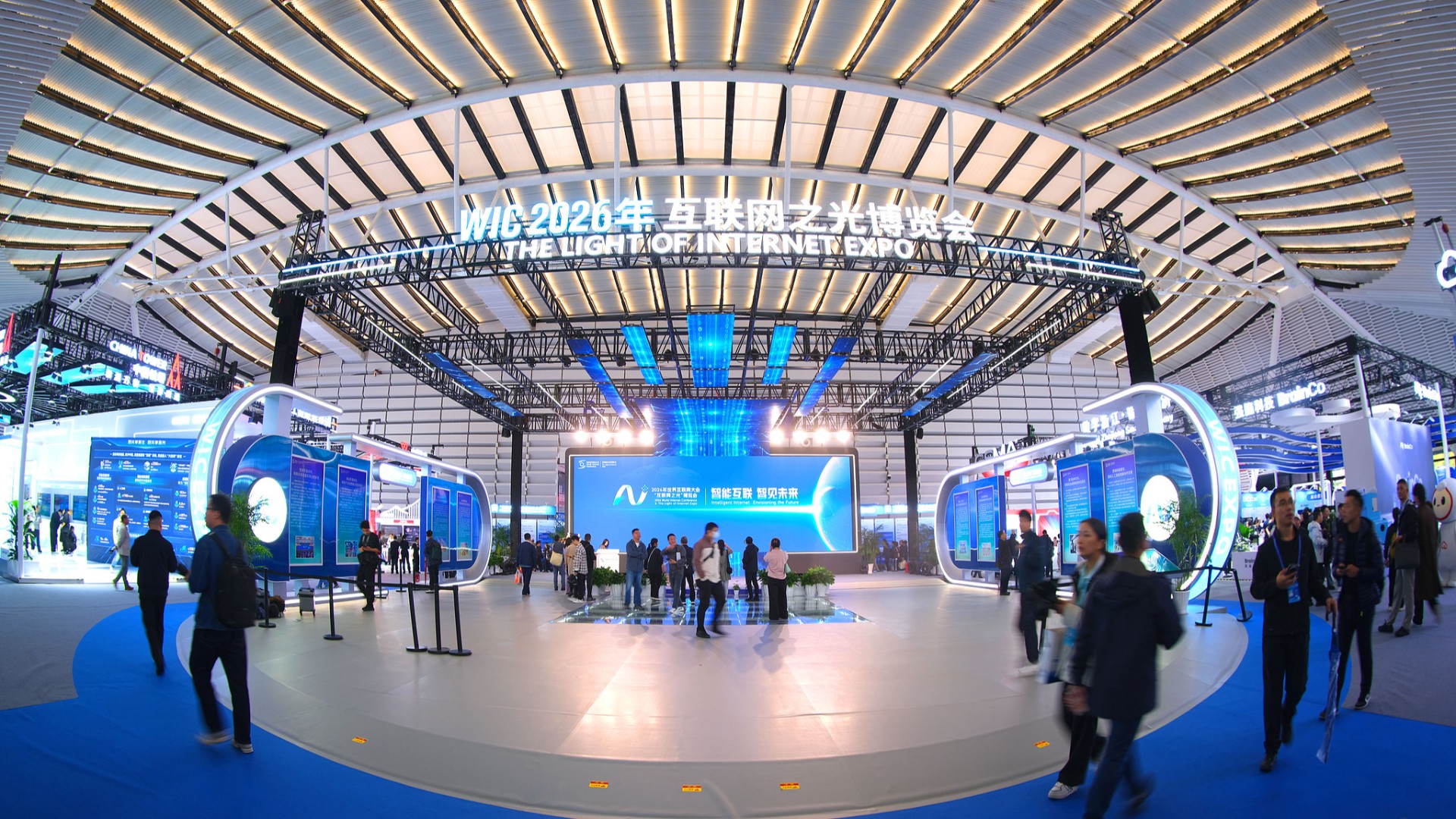
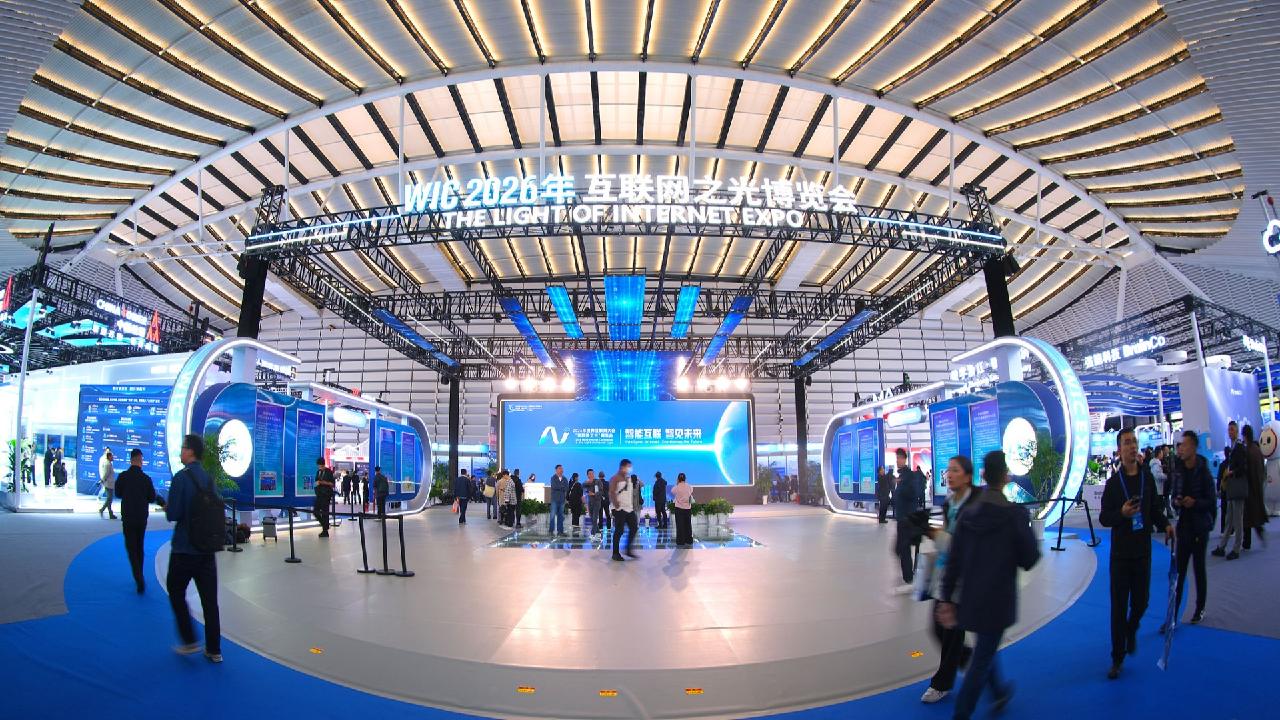
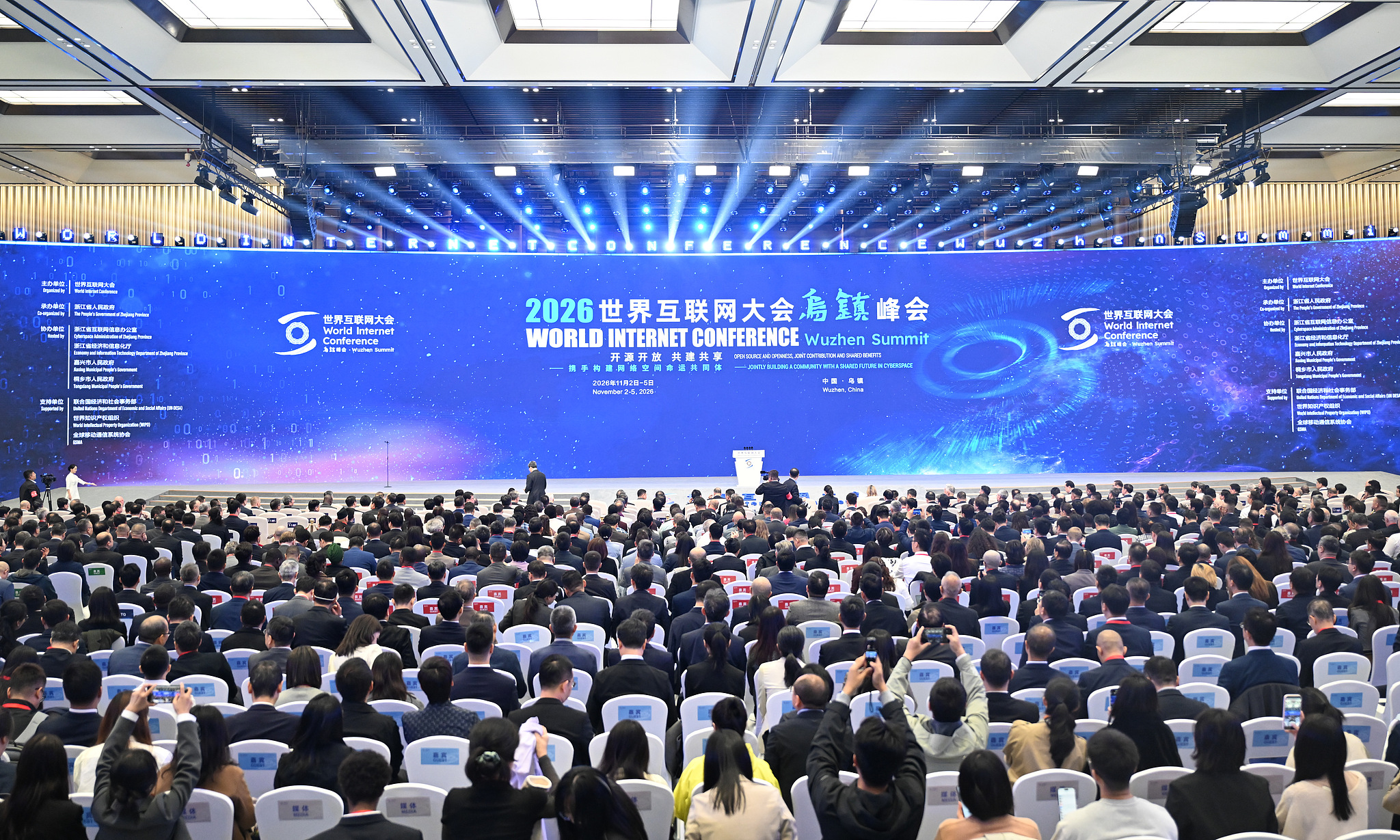
Li's experience reflects a broader trend being discussed at the ongoing 2026 World Internet Conference (WIC) Wuzhen Summit in Zhejiang's ancient water town of Wuzhen, highlighting how China's open-source push is gaining momentum.
Open source has become a defining feature of China's AI development. China's national-level AI open-source communities have attracted over 11 million users, while Chinese open-source large models have been downloaded more than 10 billion times globally.
"ModelScope now serves more than 33 million developers from 239 countries and regions," said Joe Tsai, co-founder and chairman of Alibaba Group, which founded and operates ModelScope.
Three years ago, Alibaba launched an open-source AI strategy. To date, its Qwen series has released more than 470 open-source models, featuring over 4 billion cumulative downloads and more than 330,000 derivative models worldwide.
In Uganda, a non-profit organization built a local language model based on Qwen's open-source model, covering 68 African languages and helping more Africans break language barriers. Similar efforts using Chinese open-source AI models are emerging across Africa in sectors like legal services, agriculture, education and insurance.
Notably, Open-source AI is entering public services. China's MAZU intelligent weather early-warning system has been deployed in eight countries, including Pakistan, Ethiopia and Sri Lanka, with cloud trials underway in more than 50 countries as of October 2026.
At the Wuzhen summit's exhibition area, a robot powered by Robbyant's LingBot embodied AI models picks up medicines in a simulated pharmacy. The solution, unveiled in July, is already in use at several pharmacies in Shanghai. The company's LingBot embodied AI models, meanwhile, have been downloaded more than 2.2 million times within nine months, helping lower the entry cost for robotics developers.
Participants at the summit have also called for broader engagement and responsible development. Ya-Qin Zhang, a foreign academician of the Chinese Academy of Engineering, advocated that companies investing in AI should allocate part of their AI budgets to AI governance research and called for the joint development of interoperability standards for AI agents and international safety evaluation platforms to ensure open-source benefits remain controllable and sustainable.
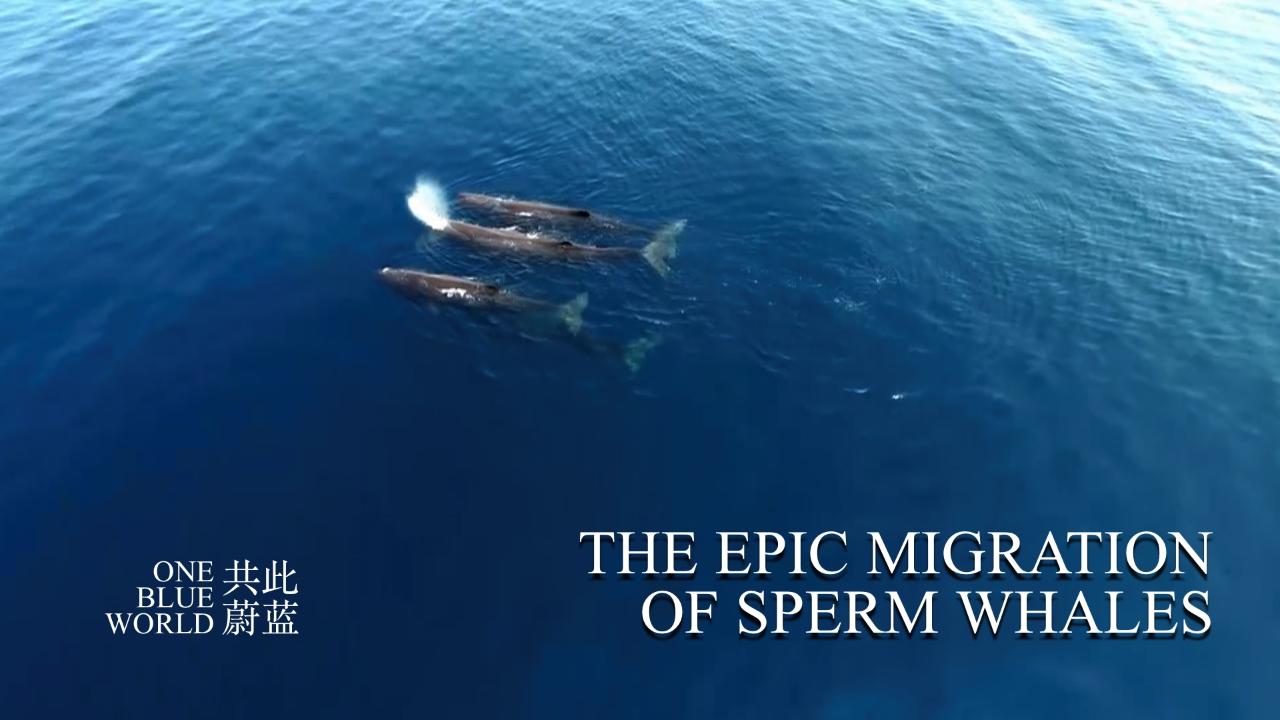
Each spring, groups of sperm whales embark on a remarkable journey from tropical waters to higher latitudes, with pregnant females among them. Along the way, they use powerful sounds to communicate and echolocation to navigate the vast ocean.
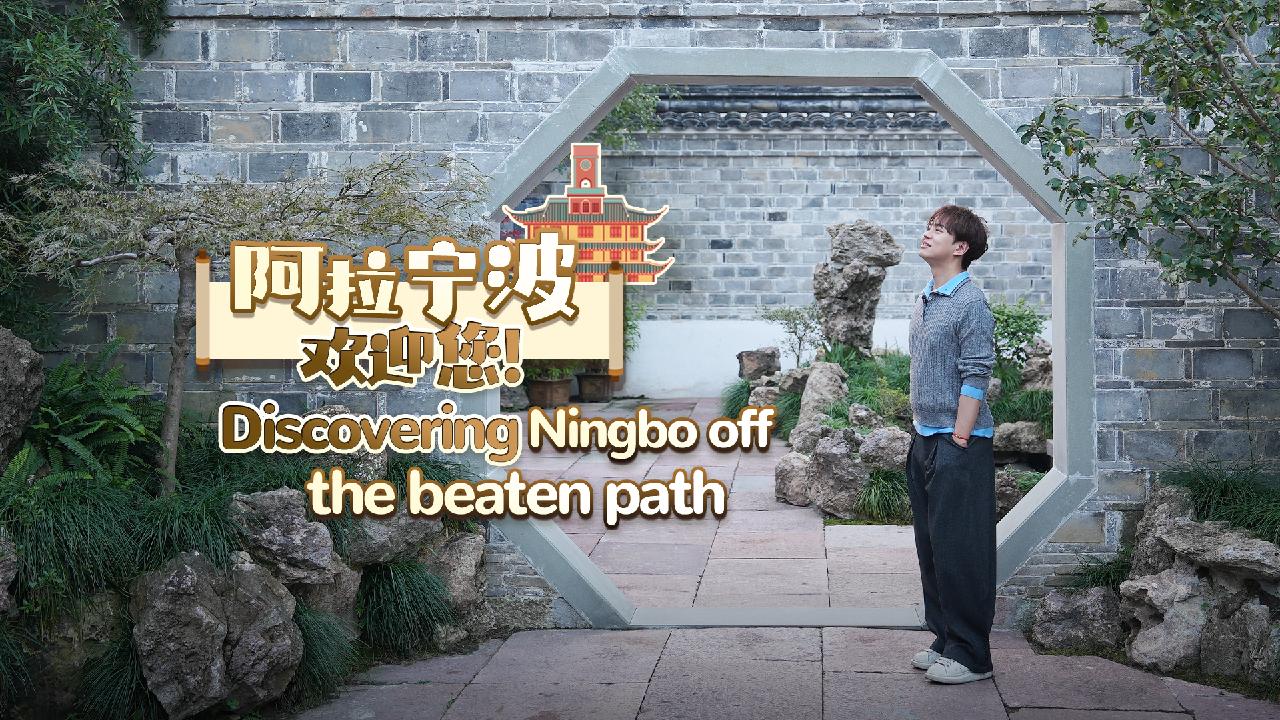
How well do you really know a city, even if you've lived there for years?
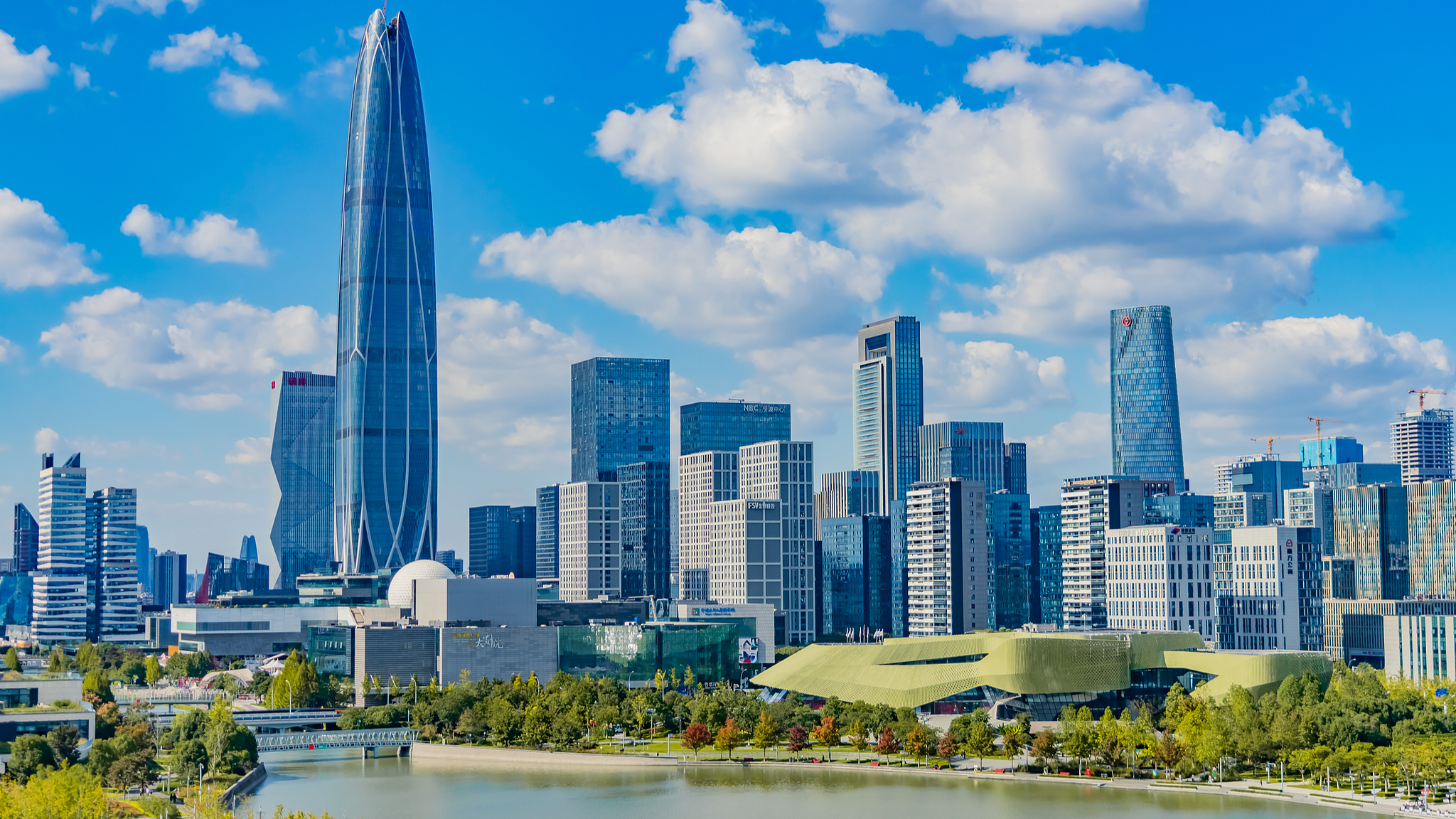
I'm back in Ningbo, my hometown, and this time, I want to take you beyond the familiar landmarks. From a bustling morning market to a library with centuries of history and a waterfront that reflects the city's modern-day energy, there's so much to discover.
Every city has stories that go beyond its postcard views, and Ningbo is no exception. So, let's look beyond the travel guide and discover a side of Ningbo you may not have seen before!
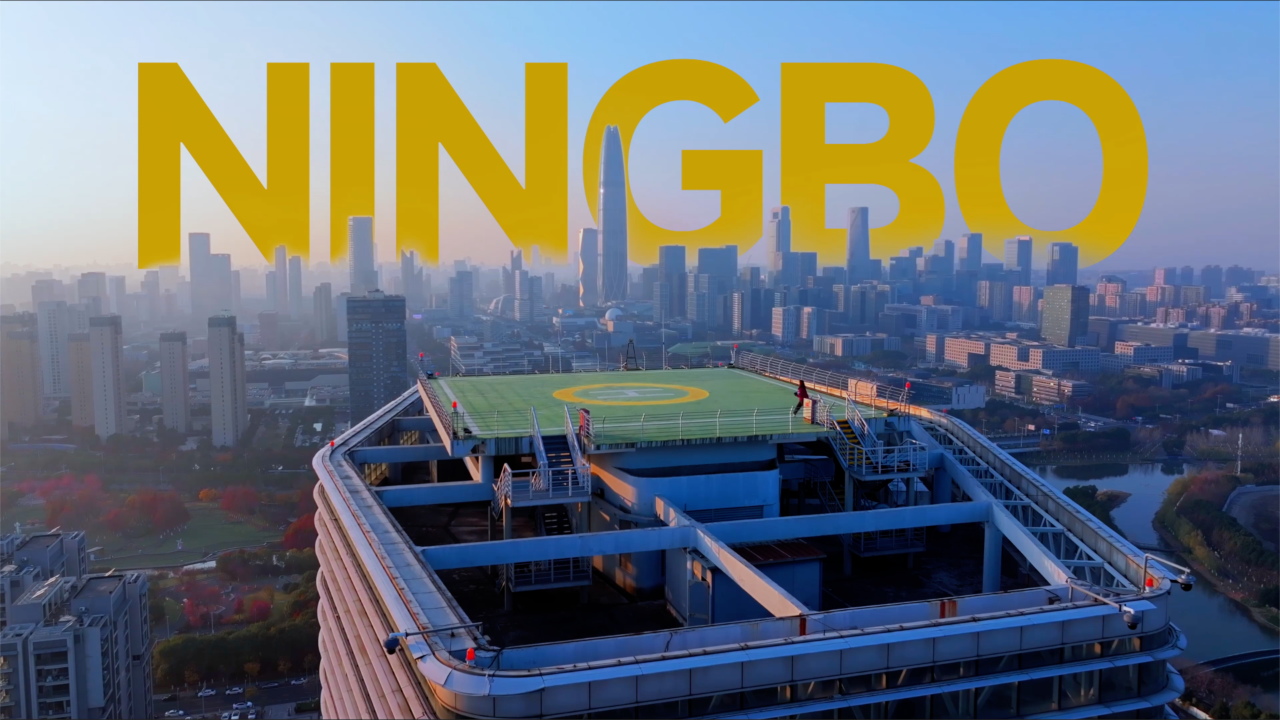
Nestled along China's southeastern coast sits Ningbo. With the East China Sea stretching out from its coastline, Ningbo is shaped by both land and sea. The changing seasons bring ever-shifting landscapes, while rich local heritage preserves stories of the past and ancient maritime traditions continue to shape the present. Discover Ningbo in all its colors — a place where nature, heritage and modern life come together.
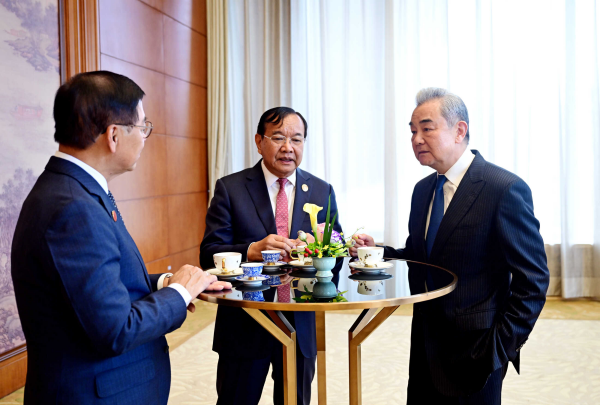
The foreign ministers of China, Cambodia and Thailand had constructive discussions over tea on Wednesday to strengthen cooperation and safeguard regional stability.
Discussions took place on the sidelines of the 11th Lancang-Mekong Cooperation (LMC) Foreign Ministers' Meeting in Beijing and focused on promoting confidence-building measures between Cambodia and Thailand and improving their bilateral relations.
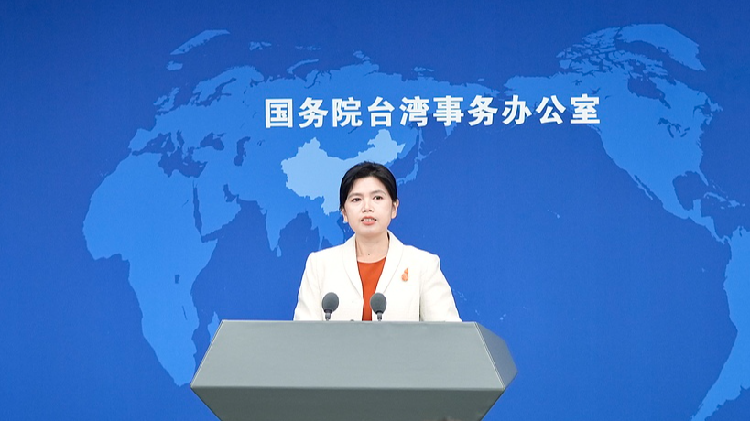
Taiwan, as part of China, does not have the right to become an Interpol member, a spokesperson for the State Council Taiwan Affairs Office said on Wednesday.
Spokesperson Zhu Fenglian made the remarks at a regular press conference in response to a media query about the Democratic Progressive Party (DPP) authorities' call for international support for Taiwan's inclusion in Interpol, from which the island has been excluded for decades.
Interpol, an intergovernmental organization for police cooperation in combating crime, has 196 member countries, each hosting a National Central Bureau.
"The participation of the Taiwan region in activities of international organizations must be in accordance with the one-China principle. This has been our consistent and clear position," Zhu said.
The Taiwan question stems from China's civil war fought between the forces led by the Communist Party of China (CPC) and the Chinese Kuomintang (KMT) about eight decades ago. In 1949, the defeated KMT retreated to Taiwan, and the People's Republic of China was founded under the leadership of the CPC.
The unresolved civil war, combined with foreign interference, has kept the two sides of the Taiwan Strait in a prolonged state of political confrontation. However, the fact that Taiwan is an inalienable part of China's territory has never changed.
Zhu noted that China and Interpol have already made proper arrangements for the Taiwan region to participate in cooperation and activities under the Interpol framework.
Police authorities in the Taiwan region have unimpeded channels for information sharing and cooperation on cases with Interpol National Central Bureaus in all member countries, she added.
The DPP authorities have been trying to deceive people on the island through repeated political manipulation over Taiwan's participation in international organizations, but their attempts to seek "Taiwan independence" via provocations will inevitably fail, the spokesperson said.
Recently, a group of South Korean students visited an exhibition hall in Dunhua, northeast China's Jilin Province, that documents China's efforts to destroy abandoned Japanese chemical weapons. The visit left a strong impression on the students, who expressed hope for deeper exchanges between Chinese and South Korean youth, and called for collective action to uphold peace and ensure the horrors of war are never repeated. (Video courtesy: Jilin Provincial International Communication Center)
On the fourth floor of a mall on Nanjing East Road, Shanghai's busiest pedestrian shopping street, sits a small bazaar stocked with products from more than 20 countries and regions.
There is a free tasting counter at the entrance – Iranian saffron, Italian canned tuna, coffee from Timor-Leste – and shoppers are invited to try before buying. A bottle of Irish tonic water goes for 9.9 yuan (about $1.49). A retiree who used to work at a design institute comes most weeks, buys a New Zealand yogurt and sits for a while. A shopper surnamed Ma restocks Australian canola oil whenever the bottle at home runs out.
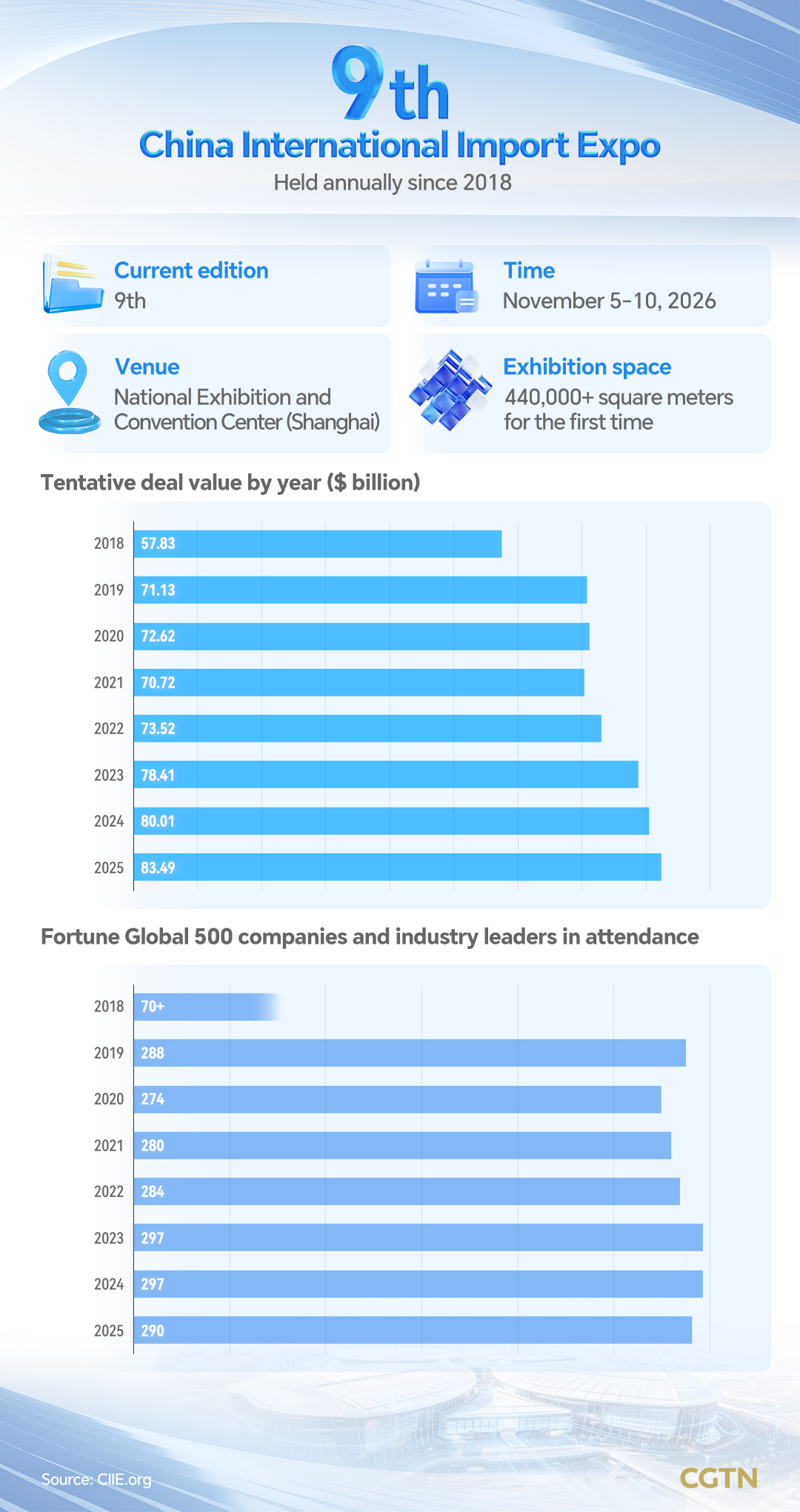
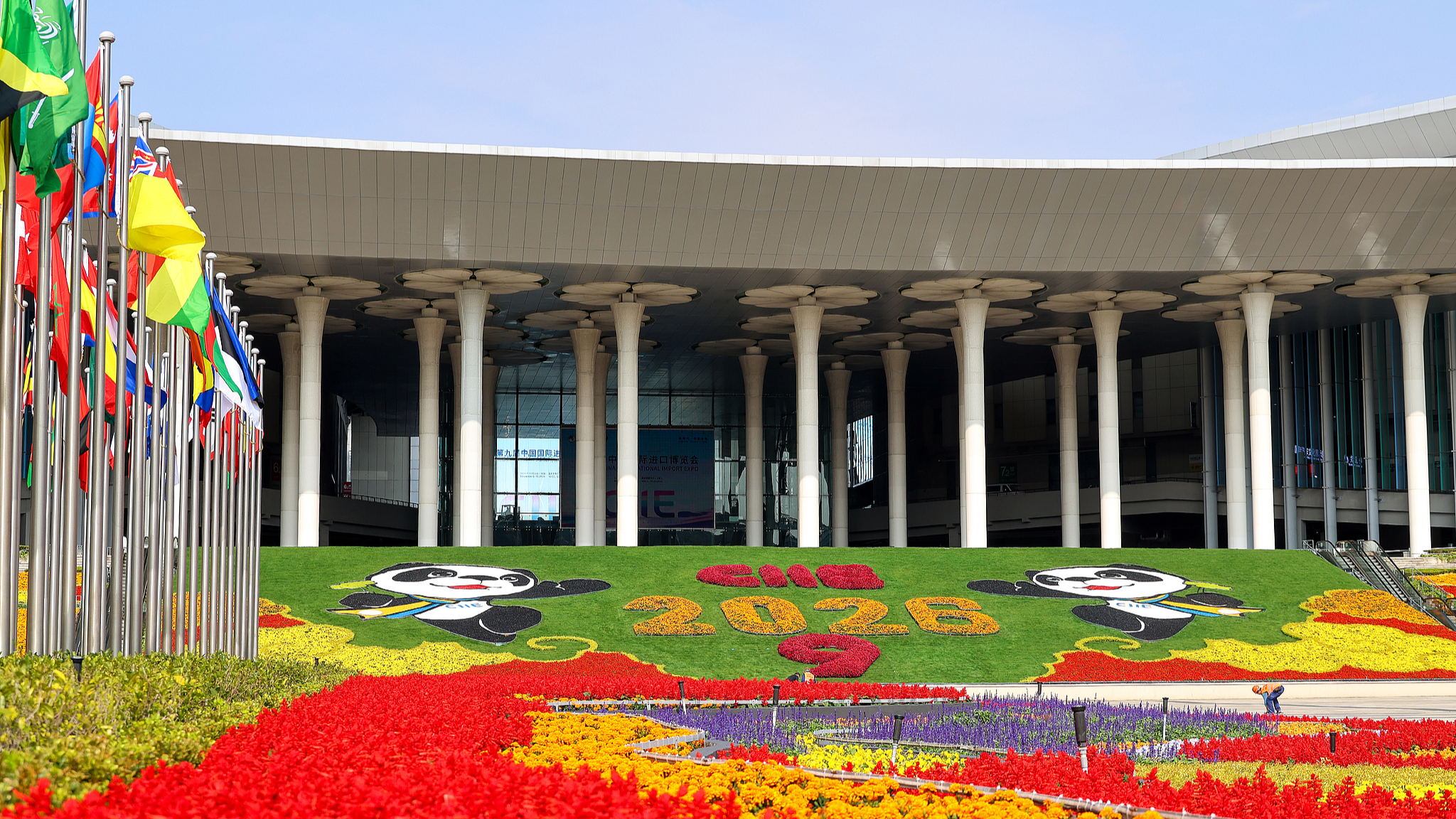
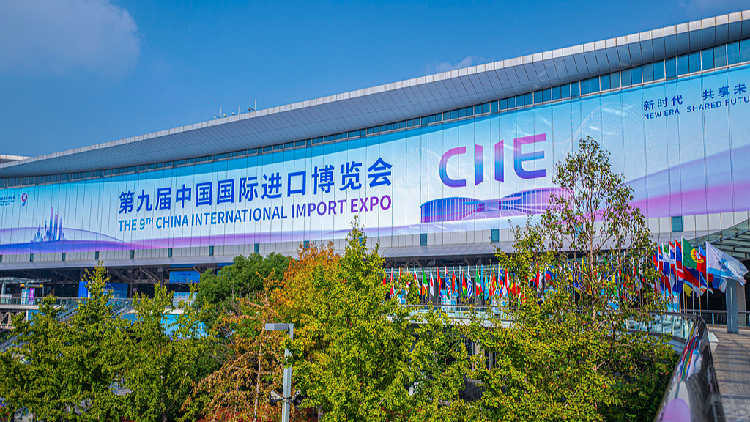
Nearly all of it first appeared at the China International Import Expo (CIIE), which was held across the city at the National Exhibition and Convention Center, a vast complex shaped like a four-leaf clover.
Nine editions in, the world's first import-themed national expo is measured less in square meters than in what lands on Shanghai dinner tables. Products that debuted in its booths keep turning up in ordinary shops – what the expo calls "turning exhibits into goods."
From the booth to the shelf
Start in the fresh-food aisle. In the first nine months of this year, Norway shipped 98,376 tonnes of salmon to China, 42% more than a year earlier – enough, according to the Norwegian Seafood Council, to make China its second-largest salmon market. Chile did its part with cherries: of roughly 550,000 tonnes exported last season, per the Chilean Cherry Committee, more than nine in every 10 were bound for China, arriving in as little as 23 days by direct sea route. The volume showed up on price tags, with wholesale prices falling by as much as a quarter.
Medicine has taken a quieter version of the same route. Boston Scientific, which first exhibited in 2019, has since had 24 products it debuted at the expo approved in China. Its intravascular ultrasound system, once purely imported, is now made in Shanghai's Lingang area, and shipped back out to other markets. In 2025, Sanofi brought aficamten, a medication for heart conditions, to its global debut at the expo, and won Chinese approval the following month, ahead of Europe and the United States.
This year, Sanofi will present the global debut of rovadicitinib, a Class 1 new drug developed in China for myelofibrosis, a rare bone marrow disorder. Class 1 is China's category for a drug never marketed anywhere before.
From goods to industry
What China imports is changing, too. Imports grew by 22.3% in the first three quarters of this year, according to the General Administration of Customs, outpacing exports for seven straight months, and in September they passed 2 trillion yuan in a single month for the first time. Much of that is factories buying – imports of memory components alone rose by 150% – as firms stock up on the parts that go into what they make and sell.
For foreign suppliers, the expo has become a route into that chain rather than just the retail shelf. Jungheinrich, the German intralogistics firm, has exhibited at every edition; over those years, the annual growth of its automated warehousing projects has climbed from under 20% to more than 50%, and the share of locally sourced parts in its equipment from 51% to 80%. Equipment developed at its Qingpu plant now ships to more than 40 countries in the Jungheinrich network, and its Hongqiao operations have grown into the group's second global software center and a global OEM center.
Schneider Electric, another nine-edition veteran, counts China as its second-largest market and one of its four research bases. Late last month, its Xiamen Xiang'an industrial park went into production – the company's largest medium-voltage electrical equipment base, built to lift capacity by 60% once fully running.
A bigger table
When the doors open on Thursday, the ninth CIIE will be the largest yet, under its long-standing theme "New Era, Shared Future."
Some 162 countries, regions and international organizations are taking part; Canada and Sri Lanka are the guest countries of honor, with Moldova, Romania and the UNDP among the first-timers.
On the business side, a record 4,142 overseas companies have signed up, and for the first time more than 300 of the world's 500 biggest companies and industry leaders will be there. More than 480 items will make their global, Asian or Chinese debut.
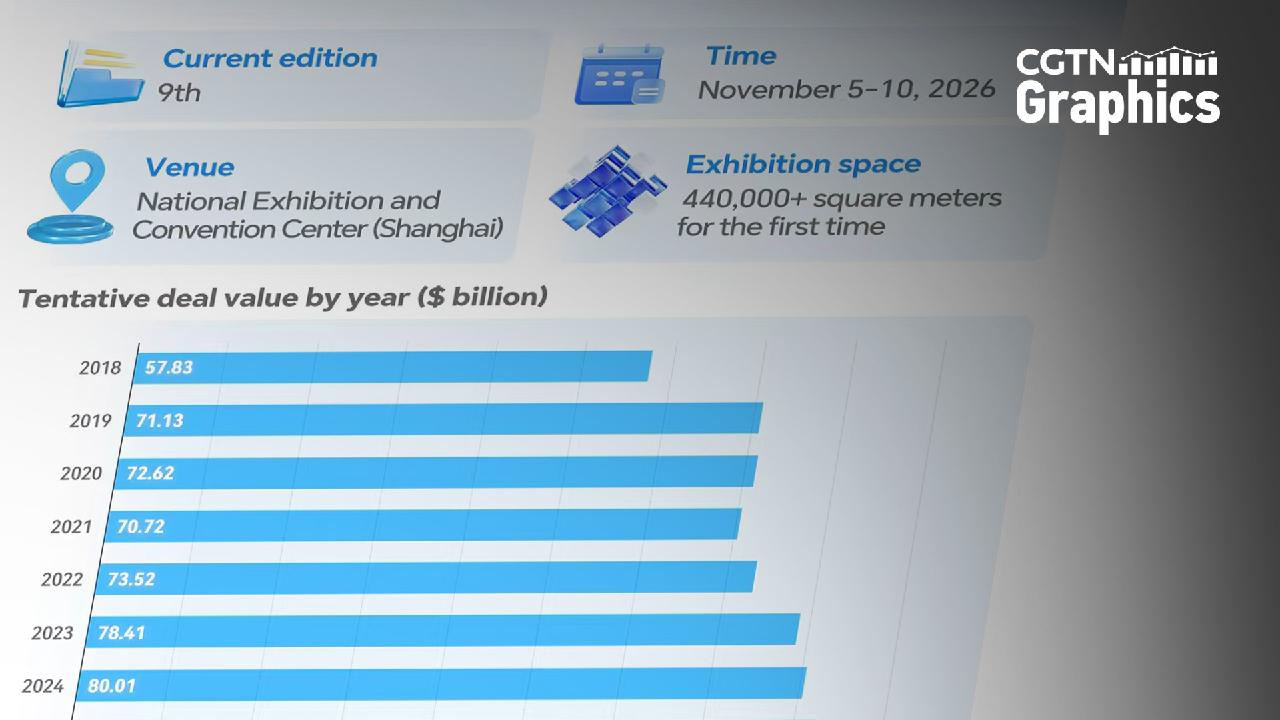
The total exhibition area has exceeded 440,000square meters for the first time. Among the participants, US companies have booked more than 50,000 square meters, securing the largest exhibition area for the eighth consecutive year.
Running alongside the CIIE is a key component of the expo, the Hongqiao International Economic Forum, which is held under the theme "Stability and Cooperation: Building an Open World Economy Together."
Three weeks of deals, demos and dazzling new gadgets are wrapping up in China's Guangzhou.
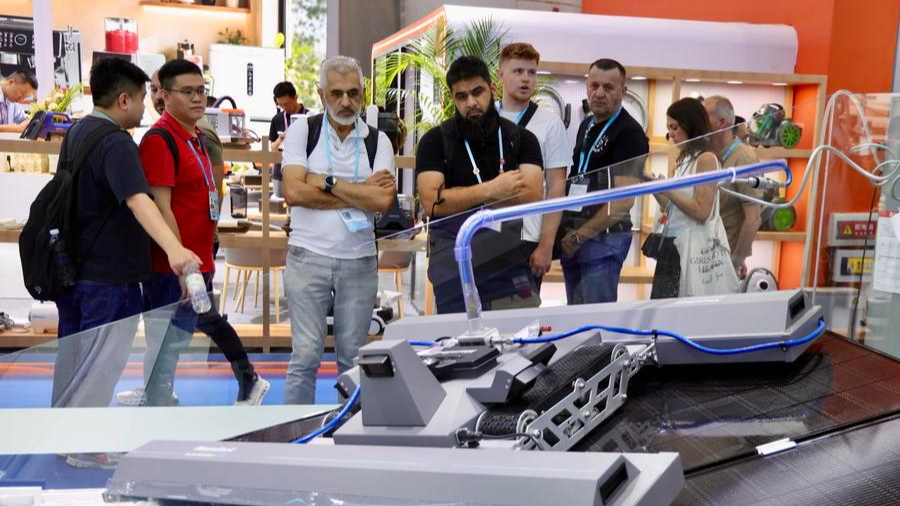
The 140th Canton Fair, officially the China Import and Export Fair, closes its doors on November 4 after bringing 32,000 exhibitors to south China's Guangdong Province.
This year, the massive trade expo was all about the future: robots that can walk your dog, AI that helps you move and green tech that can power the world.
Robots and wearables
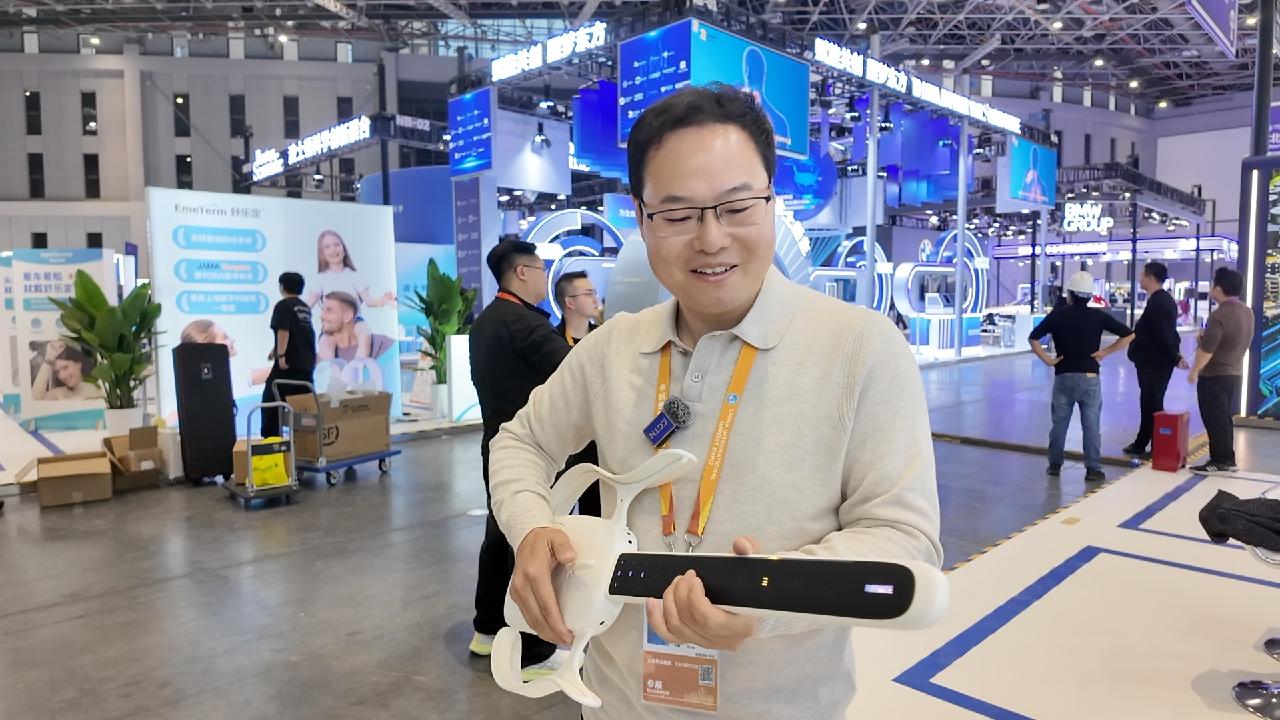
The robotics zone was a major draw. At the booth of Hangzhou Taixi Intelligent Technology booth, overseas buyers lined up to try out a wearable exoskeleton designed to support the lower back and legs.
Weighing about 2 kilograms, the device detects the user's movements and provides walking assistance. Founder Liang Linchao said it is the company's first flagship product to integrate its human-centered physical AI technology.
Technological innovation is exploding across Chinese industries. At this year's fair, 64% of exhibitors integrated the industrial internet and AI into their R&D and production, and new products made up a record 23.2% of all exhibits.
Customs data reflects that boom. China's imports and exports of industrial robots, electronic components, computer parts and electrical equipment surged 58.9% year on year, topping 10 trillion yuan ($1.49 trillion) in the first three quarters of 2026.
Services and green tech
Services are becoming a new growth area. For the first time, the fair's trade services zone covered all 10 major categories of producer services, including logistics, industrial design and cross-border financing. Official data shows 36.5% of exhibitors have begun integrating services into their business models.
Eco-friendly products are also in high demand as countries shift toward clean energy, green tech and decarbonizing their economies. Xiamen HiTHIUM Energy Storage Technology showcased its flagship long-duration energy storage products. CEO Wang Pengcheng said the company hoped to use the fair to bring China's long-duration energy storage solutions to a wider international audience, giving more countries access to stable, affordable clean energy.
Chongqing SUNDON Prefabricated Construction and Technology attracted buyers from Australia, Brazil and Saudi Arabia. Jia Xuehong, the company's planning and design director, said more than 300 buyers had reached preliminary agreements with them.
China is playing its part in the global green transition by supplying a massive share of the world's renewable tech. Over the past decade, the country has provided more than 80% of the world's PV modules and 70% of its wind power equipment, helping drive down the cost of clean energy everywhere.
The Canton Fair shows Chinese trade is running on a band-new model, one moving toward higher-value products and more comprehensive services.
The CPOPwave 2026 global dialogue on China's popular culture and creative industries has opened in Wuzhen, Zhejiang Province, as part of the 2026 World Internet Conference Wuzhen Summit.
Representatives of leading creative brands and content in gaming, animation, film and television, along with industry experts and scholars, gathered to discuss key trends and challenges facing the pop-culture industry, including content creation and production models, global operations, AI applications and copyright compliance. Drawing on successful examples from the past year, participants also explored ways to bring more Chinese original content to international audiences and foster cross-cultural connections through creativity in the digital age.
A report on Chinese pop-culture brands and creative content in international markets was released, highlighting successful case studies and sharing insights into how Chinese original works are brought to global audiences.
The CPOPwave Immersive Character Exhibition and the CPOPwave Launch Night were held in Puyuan Ancient Town, allowing visitors to experience Chinese pop-culture creations firsthand.
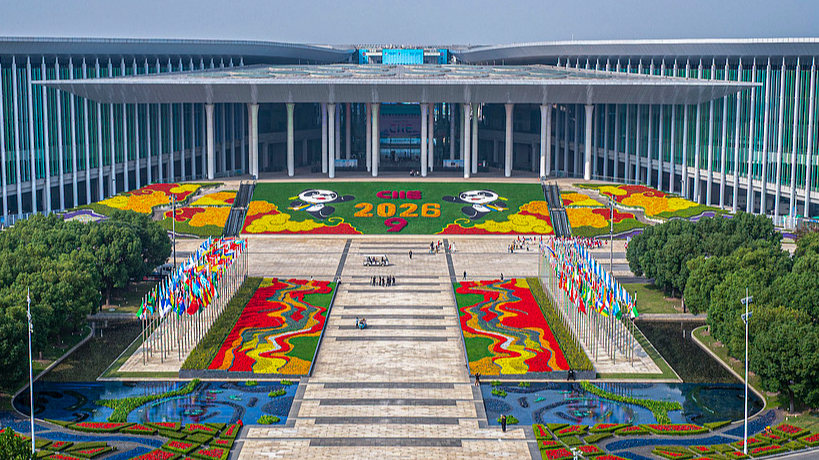
The ninth China International Import Expo (CIIE) will be held in Shanghai from November 5 to 10, bringing together exhibitors from around the world.
Since its debut in 2018, the CIIE has become a showcase of China's new development paradigm, a platform for high-standard opening up, and a public good for the whole world.
"China will firmly advance high-standard opening up and continue to make economic globalization more open, inclusive, balanced and beneficial to all," Chinese President Xi Jinping said. Xi has on many occasions emphasized that China remains committed to the fundamental national policy of opening up to the outside world, and adheres to the right course of economic globalization.
CIIE (China International Import Expo) hasn't even opened yet, and my wishlist is already getting longer. LEGO flower fields, brand new beauty finds, Labubu meets Chinese paper-cutting, and a motorcycle that is a whole different beast up close.
Here's what caught our social editor's eye at CIIE in 90 seconds.
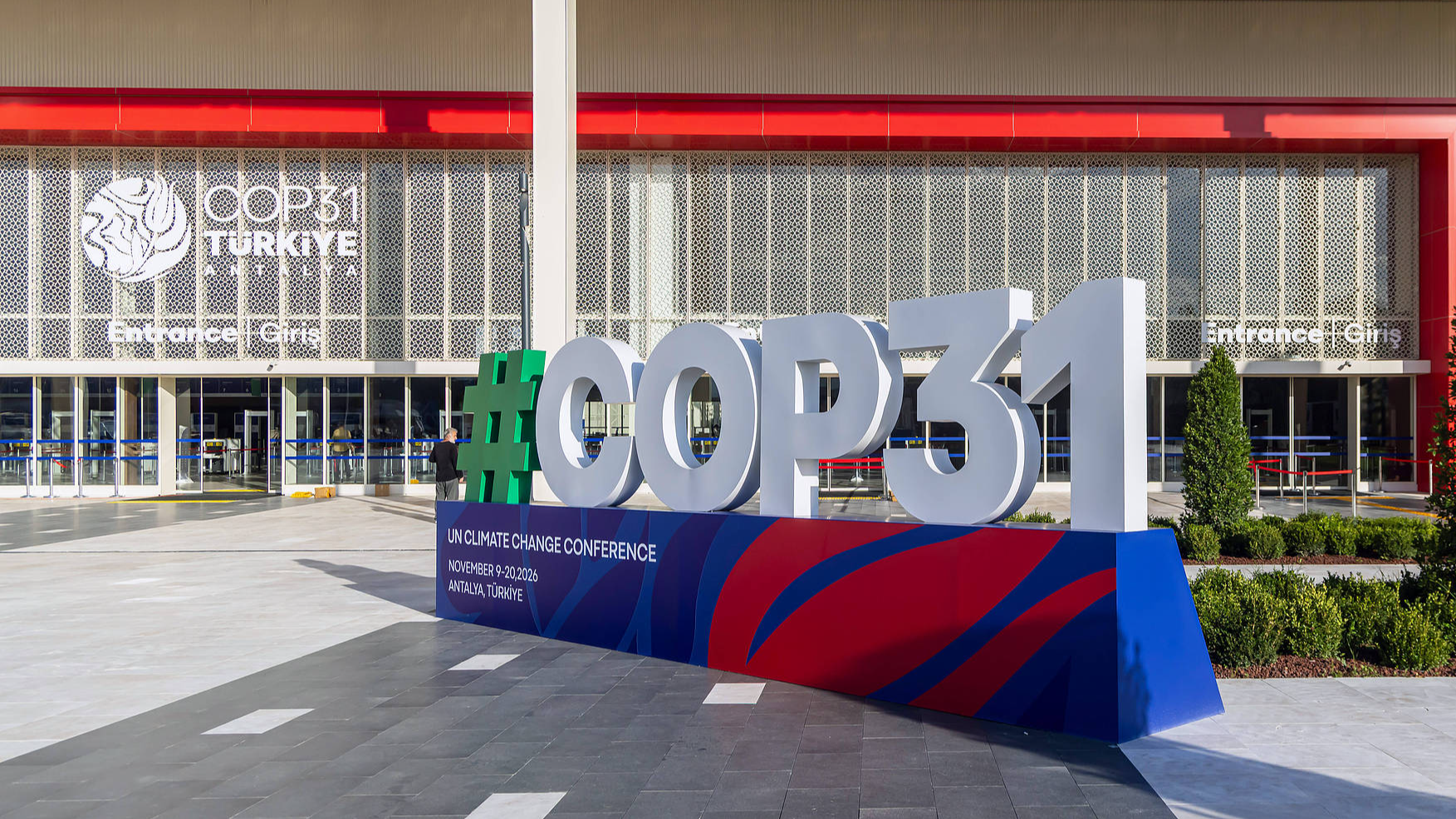
Upon invitation, between November 6 and 12, Chinese Vice President Han Zheng will travel to Türkiye to attend the Antalya Leaders' Summit at the 31st meeting of the Conference of the Parties to the UN Framework Convention on Climate Change as special representative of Chinese President Xi Jinping and visit Georgia, a Chinese Foreign Ministry spokesperson announced on Wednesday.
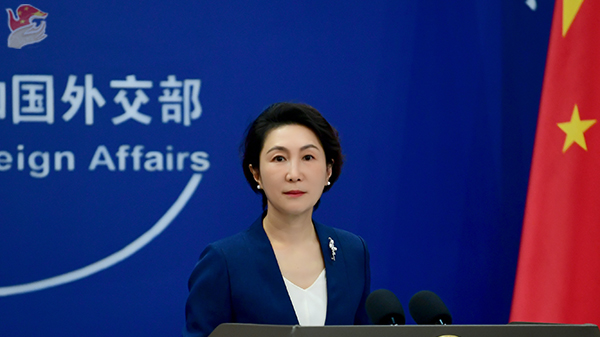
China has been in communication with relevant parties regarding a trilateral meeting among the heads of state of China, Russia and the United States, Foreign Ministry spokesperson Mao Ning said on Wednesday.
Mao made the remarks at a regular press briefing when asked whether a China-Russia-US summit was being arranged on the sidelines of the APEC meetings in Shenzhen, south China's Guangdong Province.
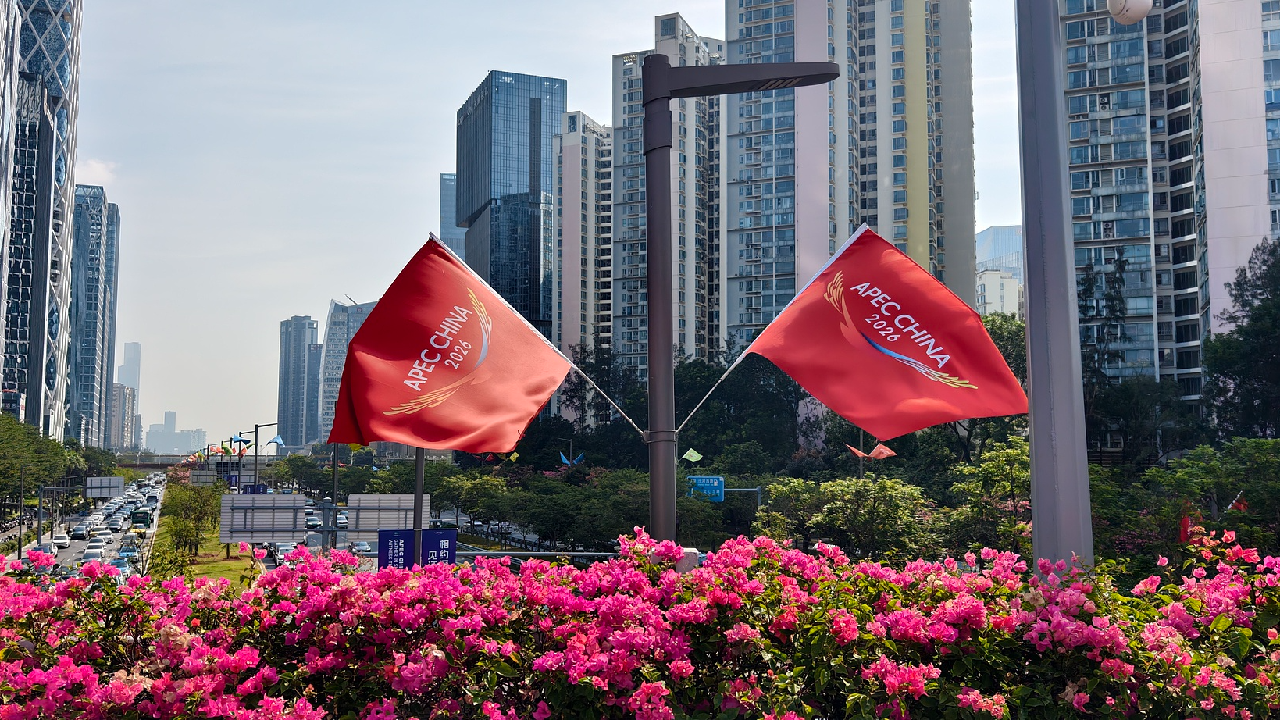
China will host the 33rd APEC Economic Leaders' Meeting in the southern Chinese city November 18-19.
Humans have five senses. Machines can already see and hear. But what about touch? UK-based deep-tech company TG0 is pioneering AI for Sensing technology to give machines a sense of touch, allowing them to better sense and interact with the physical world.
Founded in 2015 by Dr Guo Liucheng and Kong Ming, TG0 has developed its own AI-powered sensing technology. By integrating sensing capabilities into materials and using AI algorithms to interpret signals, it enables surfaces to detect touch, pressure, and movement.
The technology can be applied to a wide range of materials, from plastic and rubber to fabric, wood, and glass. From a touch-sensitive guitar that makes music, to a smart car seat that senses body posture and pressure distribution, and a robotic hand that can feel and respond to physical contact, TG0 is opening up new possibilities for human-machine interaction.
The Paris Agreement entered into force on November 4, 2016, establishing a global framework for tackling climate change. Its nearly 200 parties committed to holding the rise in global average temperature to well below 2 degrees Celsius above pre-industrial levels while pursuing efforts to limit it to 1.5 degrees Celsius.
Ten years on, the agreement has reshaped international climate governance, but the gap between commitments and action remains substantial.
Under the agreement, countries submit and update nationally determined contributions (NDCs) every five years. A transparency framework tracks progress, while a five-yearly global stocktake assesses collective efforts.
The first global stocktake, concluded at the 28th Conference of the Parties (COP28) of the United Nations Framework Convention on Climate Change (UNFCCC), called for accelerating renewable energy deployment, improving energy efficiency and transitioning away from fossil fuels in energy systems.
China contributed to reaching the agreement during the 2015 Paris climate negotiations and has continued to promote its implementation through domestic action and international cooperation.
In September 2025, China announced its 2035 NDC targets, including reducing economy-wide net greenhouse gas emissions by 7%-10% from peak levels and increasing installed wind and solar power capacity to more than six times the 2020 level, aiming for 3,600 gigawatts.
A UNFCCC synthesis report released on October 27, 2026, examined 127 new NDCs submitted by 154 parties between January 2024 and August 2026, covering about 71% of global greenhouse gas emissions in 2019.
Some 98% of parties reported involving non-governmental stakeholders in implementing their plans. However, the new NDCs are projected to reduce global emissions by around 6% by 2035 from 2019 levels, rising to around 9% if all conditional elements are fully implemented.
The United Nations Environment Programme (UNEP), in its 2026 Emissions Gap Report released on October 13, warns that even full implementation of current NDCs would leave the world on track for 2.6 degrees Celsius of warming this century, underscoring the need for much deeper emissions cuts.
Adaptation and climate finance also remain pressing challenges. Developing countries need greater support to strengthen resilience against climate risks.
According to the Organisation for Economic Co-operation and Development, developed countries provided and mobilized $136.7 billion in climate finance for developing countries in 2024, exceeding the previous $100 billion annual goal for the third consecutive year.
However, funding remains unevenly distributed, and adaptation finance is still insufficient.
The next major test comes at COP31, scheduled for November 9-20, 2026, in Antalya, Türkiye.
A decade after the agreement took effect, translating national pledges into deeper emissions cuts, stronger climate resilience and accessible financial support remains essential to keeping its temperature goals within reach.
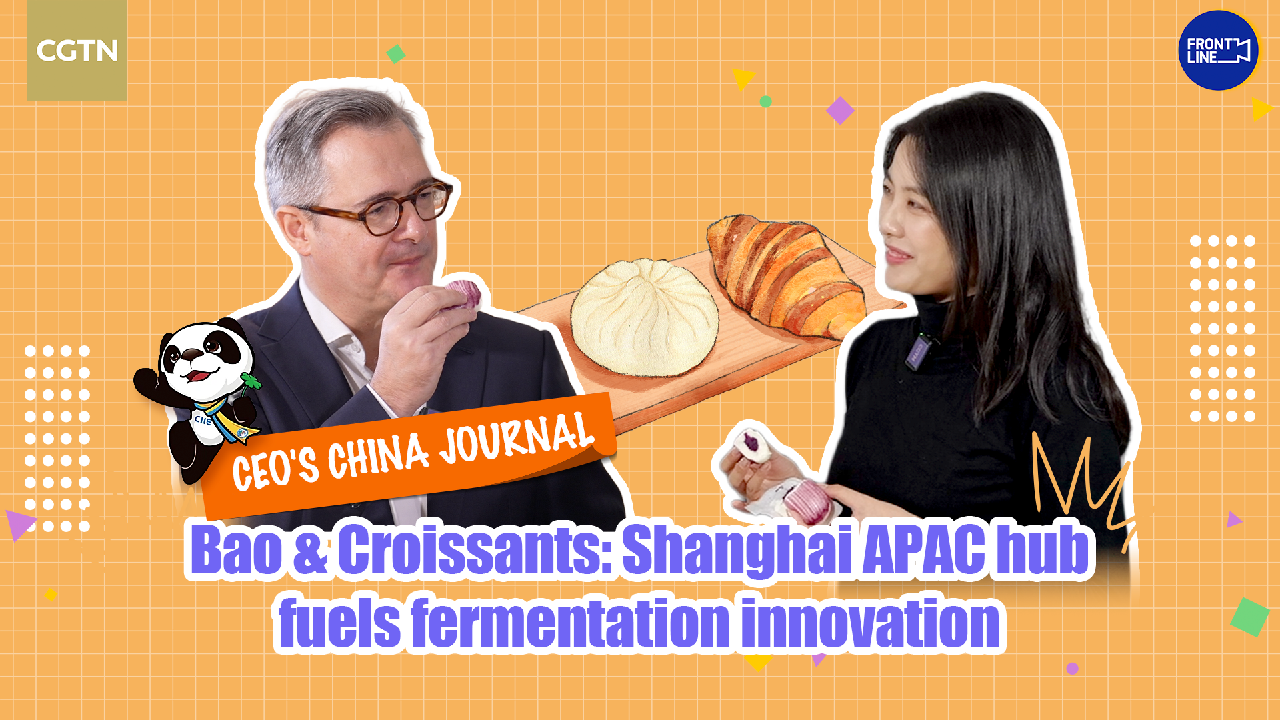
What do Chinese steamed buns and French croissants have in common? The magic of yeast. In Shanghai, there is a French fermentation giant which set up an Asia-Pacific, or APAC, baking center. It develops local baking solutions for China and rolls them out across the region and the globe. CGTN talks to Jerome Vanachter, President of Lesaffre Greater China, to find out the secret of the yeast.
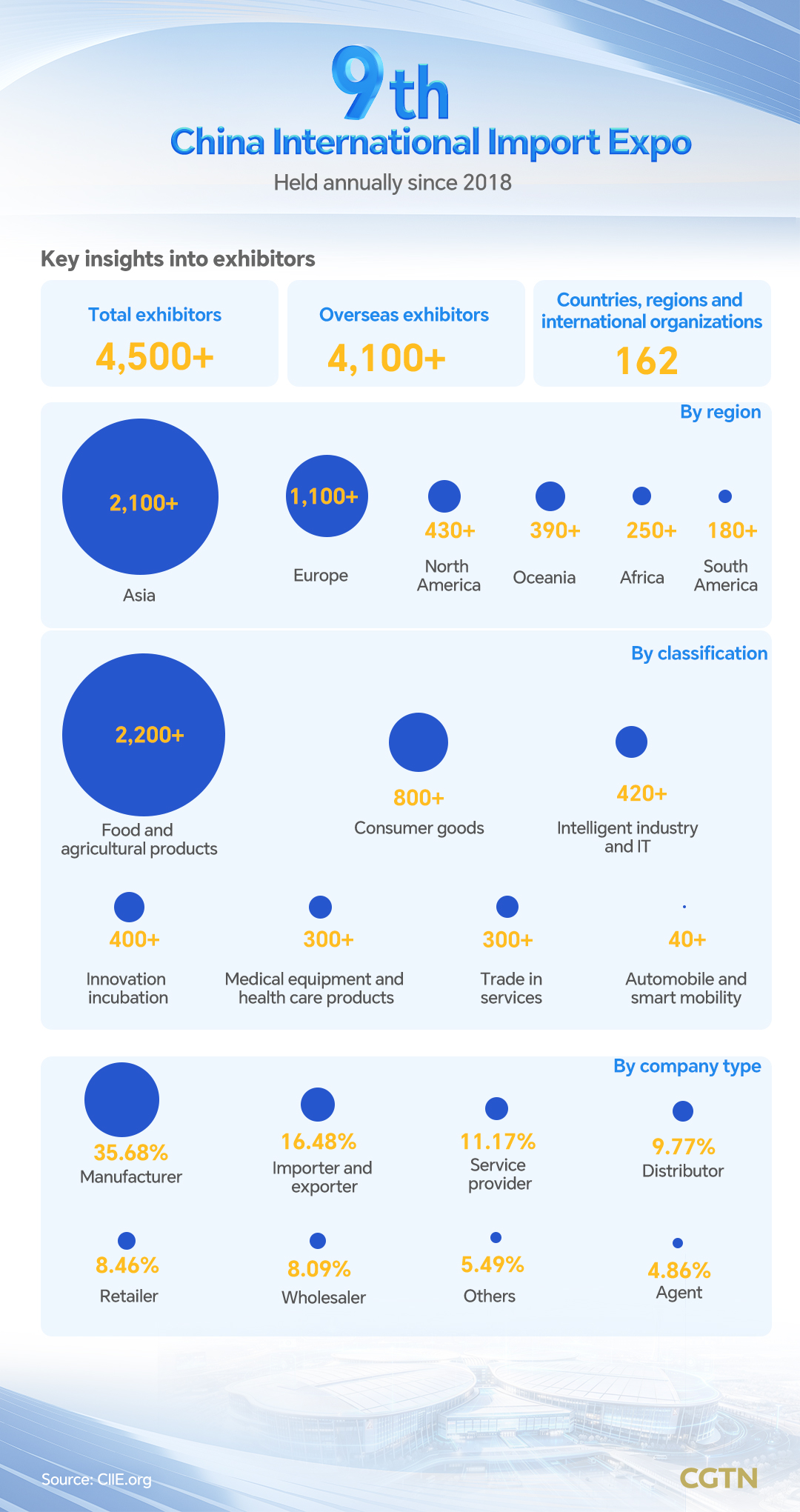
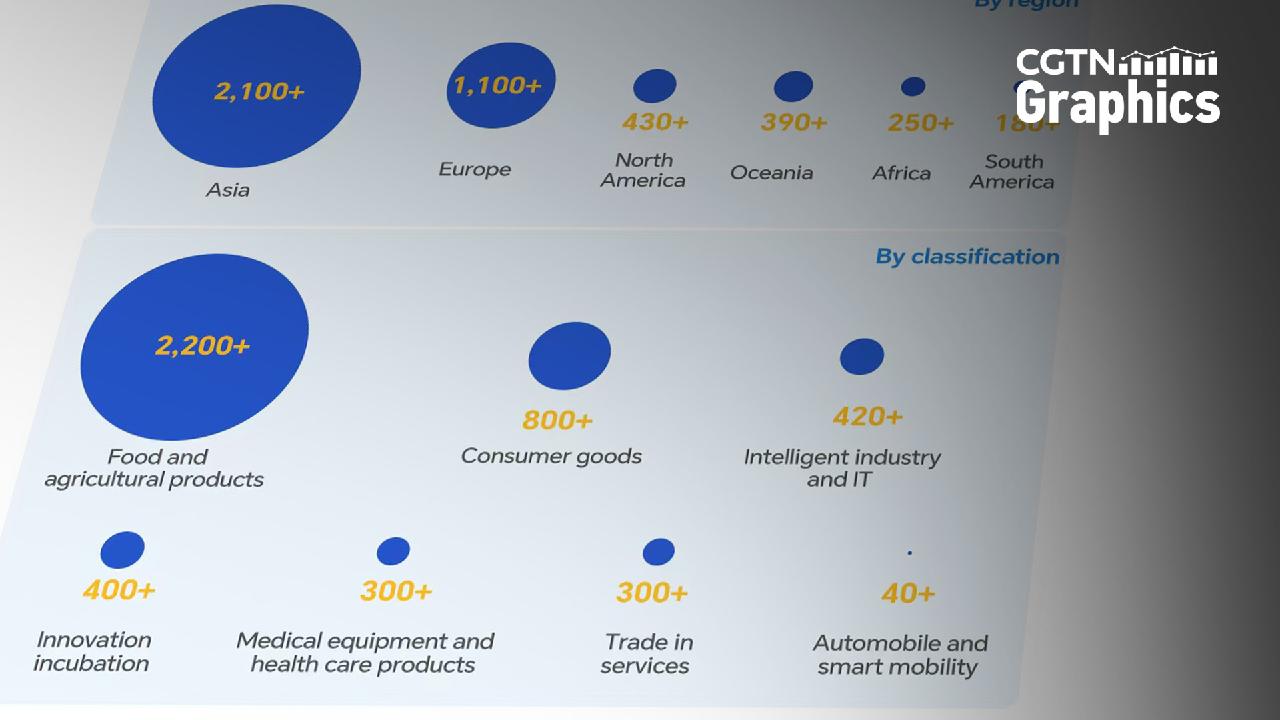
The 9th China International Import Expo (CIIE), held in Shanghai from November 5 to 10, attracts more than 4,500 exhibitors, including over 4,100 from overseas representing 162 countries, regions and international organizations.
Exhibitors span seven major sectors from food and agricultural products to intelligent industry, medical equipment and services. A closer look at their profiles reveals a diverse mix of businesses on the floor, including manufacturers, importers and exporters, distributors and service providers.
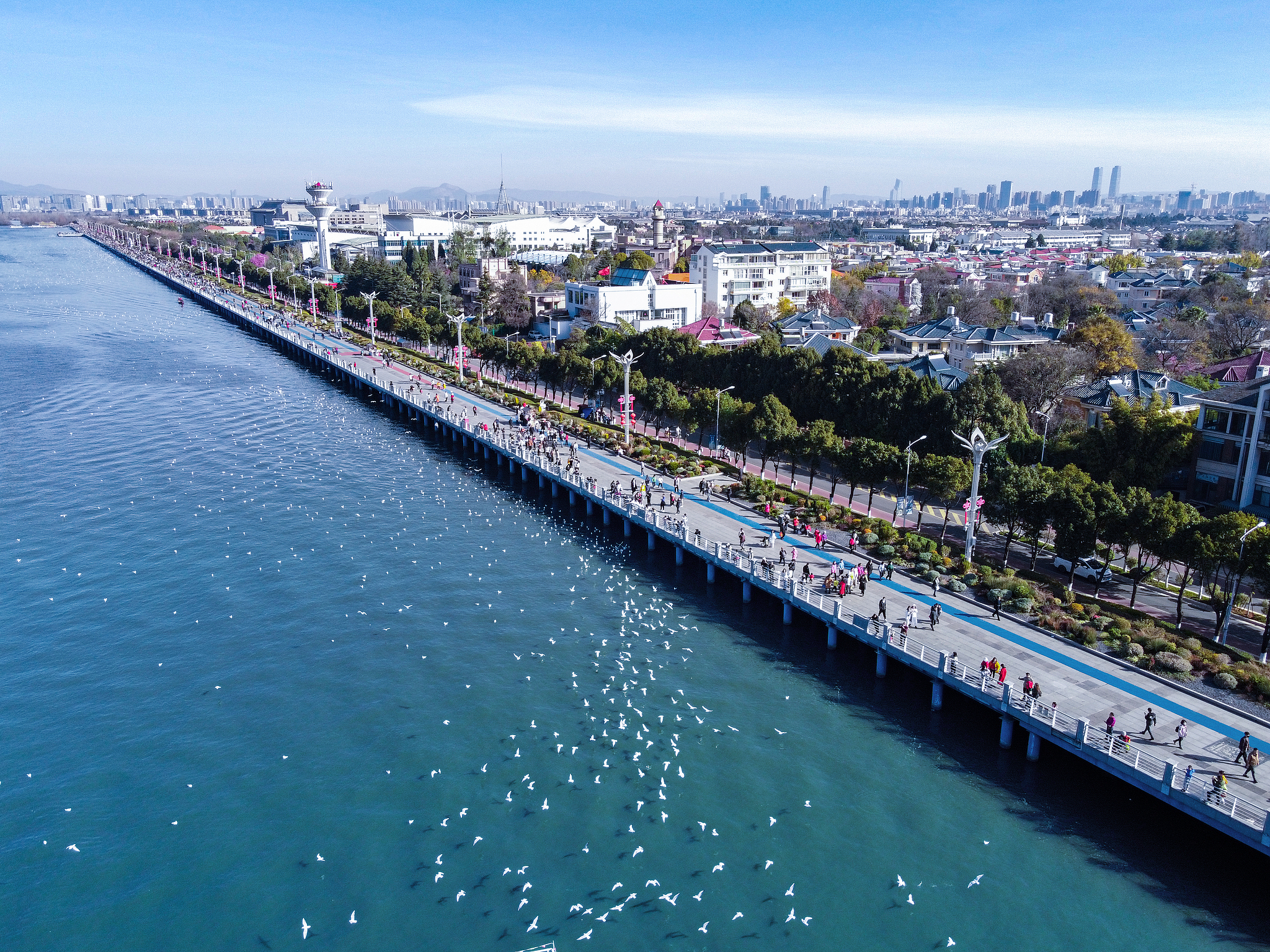
Recently, a photographer captured a breathtaking view of Dianchi Lake in Kunming, southwest China's Yunnan Province.
As dusk settled, moonlight spilled over the crystal-clear water. Birds perch on branches under the moonlight, unfolding a scene of pristine beauty and serenity.
Since October, flocks of migratory birds have arrived at the wetland to spend the winter. Years of conservation efforts have turned the wetland into a haven for these wintering birds to rest and forage.
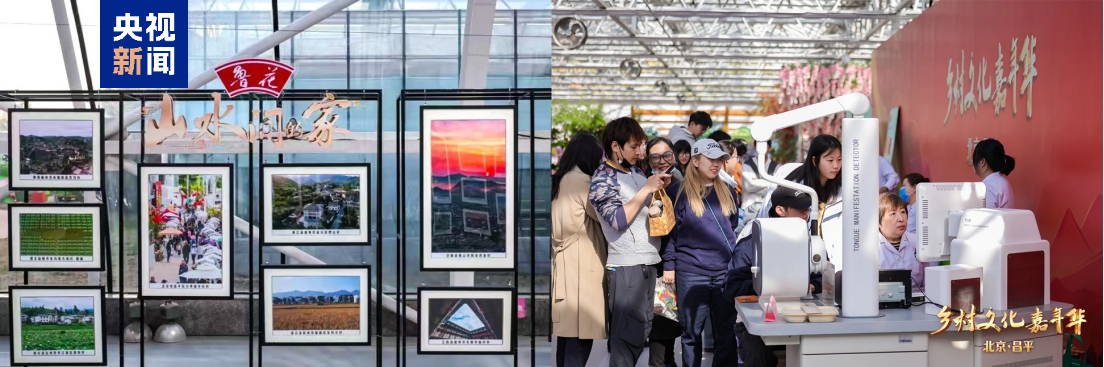
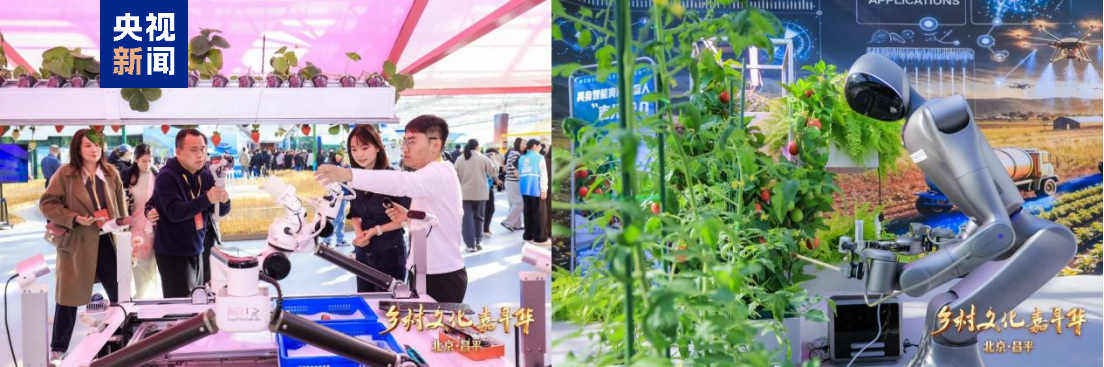
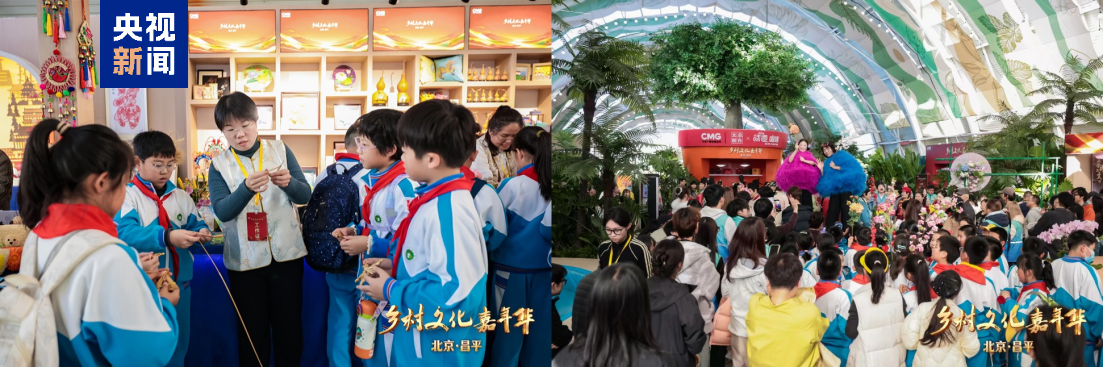
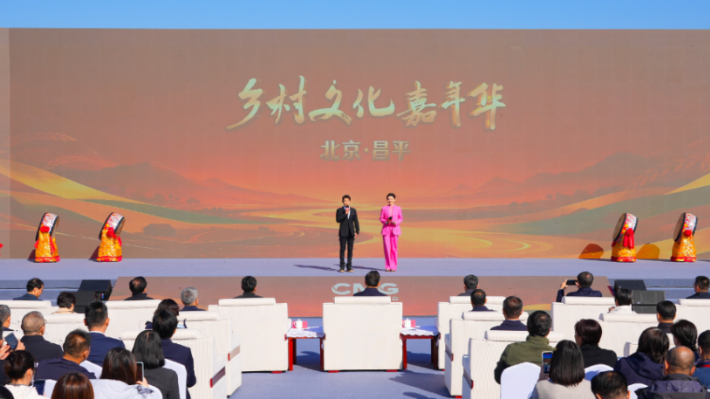
A nationwide initiative to promote rural culture and support rural development was launched in Beijing's Changping District on November 3. Jointly organized by China Media Group (CMG) and the Ministry of Agriculture and Rural Affairs, the Rural Culture Carnival aims to showcase how traditional culture, local resources and modern technology can create new opportunities for rural communities.
Forty standout rural cultural projects were featured at the event – ranging from village art shows and folk performances to traditional crafts that have become marketable goods. Organizers also unveiled 88 new entries to China's national inventory of important agricultural heritage systems, lifting the overall tally to 276. Newly inscribed sites include Beijing's time-honored rose plantations, radish-growing systems in Tianjin and ancient winter jujube groves in Hebei Province.
A special Beijing episode of CMG's rural documentary series Life Among Mountains and Rivers premiered at the launch. Now in its fifth year, the show has travelled to over 100 villages across the country, documenting rural transformation first-hand. Versions of the show translated into multiple languages have taken these stories to global audiences.
Attendees at the carnival were able to explore smart agriculture exhibits, wander stalls showcasing local farm produce and handcrafted wares, admire floral art installations, join interactive heritage workshops and catch free outdoor screenings. Local schoolchildren also took part in hands-on sessions, trying their skill at traditional farming techniques and crafts.
Global filmmakers are expected to set their sights on China's Hainan Province. The 8th Hainan Island International Film Festival (HIIFF) runs in Sanya from December 6 to 12. Organizers have received 4,632 submissions for this year's Golden Coconut Awards, coming from 133 countries and regions. Bringing together stories and cinematic approaches from across the globe, the festival gives audiences a window into world cinema.
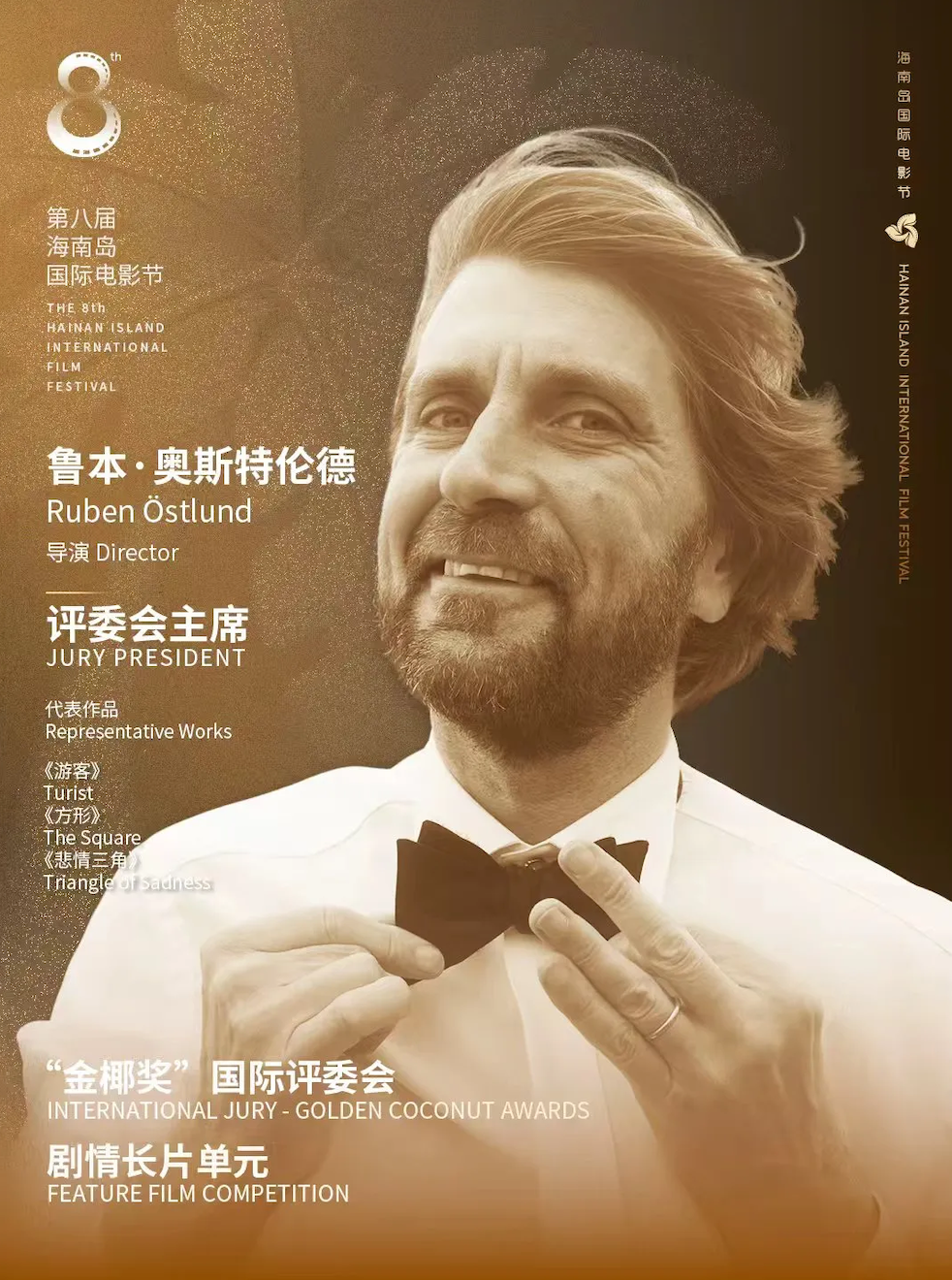
Top international talent stands out among this year's lineup. Swedish director Ruben Ostlund takes on the role of jury president for the Golden Coconut Awards. He is a two-time Palme d’Or winner at Cannes, honored for The Square and Triangle of Sadness. His work carries heavy weight on the international art-film circuit, recognized for sharp observations of modern life and a singular storytelling voice. Thirteen film practitioners from Sweden, Spain, the United States and other places will sit on the jury alongside him. A retrospective of Ostlund's films will run during the festival, letting viewers revisit his landmark works.
Poster for Swedish director Ruben Ostlund's Palme d’Or winner "Triangle of Sadness"
Poster for Swedish director Ruben Ostlund's Palme d’Or winner "Triangle of Sadness"
French actress Audrey Tautou serves as the festival's image ambassador. She rose to global fame through her lead performance in Amélie, and her roster of notable works also includes A Very Long Engagement, Coco Before Chanel and The Da Vinci Code.
The Golden Coconut Awards combines competition and public screening sections, spanning feature films, documentaries and shorts. The lineup includes dedicated showcases for titles from Egypt, Greece, Serbia and Thailand, plus an Association of Southeast Asian Nations (ASEAN) film selection. A Hong Kong cinema strand has also been put together in collaboration with the Hong Kong International Film Festival.
The festival will also bring films to audiences beyond traditional cinema venues. Screenings will take place at cinemas in Sanya, Haikou and other parts of Hainan, alongside four to six outdoor screening locations across the island.
Screenings will carry on in Sanya and Haikou on weekends after the main festival wraps up. Ticket discounts are available for audiences, and qualifying filmgoers can collect vouchers redeemable at restaurants, grocery stores, gas stations and duty-free shops. Travelers flying into Hainan may also receive movie vouchers bundled with certain flight-related perks.
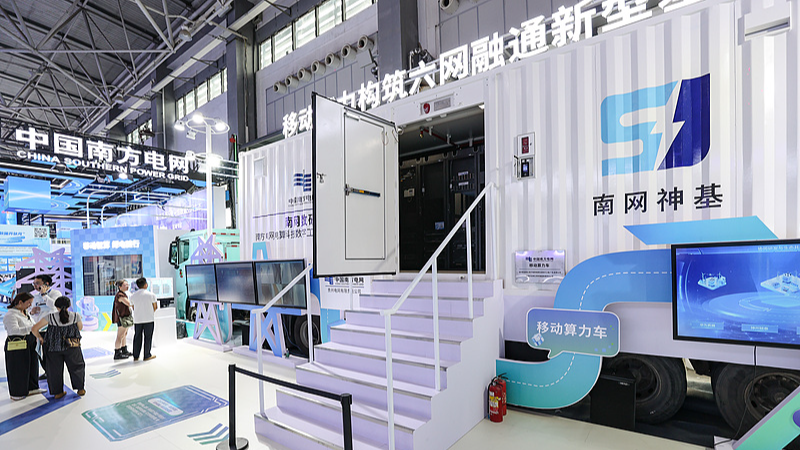
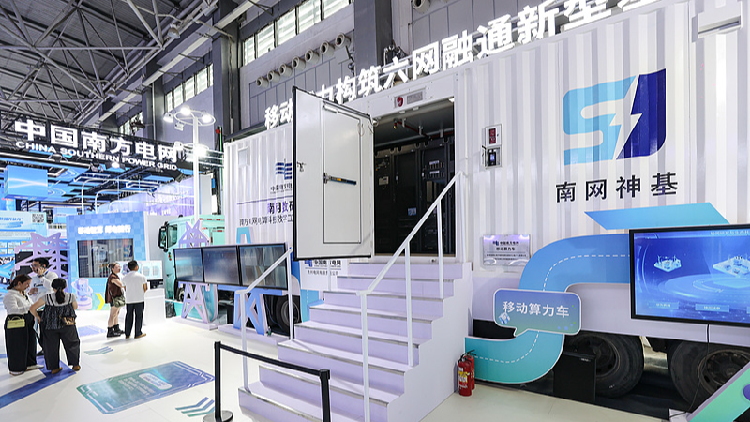
Editor's note: The APEC Economic Leaders' Meeting will be held in Shenzhen this month. Liang Lingyu, Strategic‑level Expert at China Southern Power Grid and Director of Computing‑Power‑Grid Engineering Company of CSG Digital Research Institute, shares industry insights on the shift toward an AI‑native power grid . He discusses how to align computing workloads with electricity supply and proposes practical APEC cooperation options for green energy and AI integration.
Faced with global climate challenges and surging power demand driven by the artificial‑intelligence boom, accelerating green‑energy transition has become an urgent priority to build a power system that is safe, reliable, adequately supplied, resilient, inclusive, sustainable and affordable.
Advancing coordinated development of the six key infrastructure networks – water, electricity, computing, communications, urban underground utilities, and logistics – through new‑grid development serves as a major driving force toward this goal.
Better planning alignment matches energy demand with clean‑energy supply across geographies.
Joint‑facility construction and resource‑sharing cut redundant investment, lower energy consumption and reduce costs.
Through unified coordination, flexibly‑scheduled power‑intensive activities such as computing workloads can be prioritized at times and locations with abundant green power.
This builds a solid green‑energy foundation for more effective climate action, improves the stability, resilience and affordability of energy systems, and better underpins global AI development.
A critical pathway to deliver this vision lies in theAI‑native paradigm, which merges the precision, real‑time responsiveness and trustworthiness of energy‑sector operations to integrate general‑purpose and domain‑specific models.
By deeply embedding artificial intelligence into production workflows and organizational models of the power sector, the AI‑native paradigm provides essential energy‑infrastructure backing for industrial‑AI advancement.
Meanwhile, by meeting strict requirements for intelligent perception, dependable decision‑making and secure operation in power systems, it identifies generic methodologies for intelligent transformation of complex industrial systems and offers technological guidance for broader industrial‑AI upgrading.
Why the AI‑native paradigm matters
Against shared pressures from global climate change and the AI revolution, energy constitutes a key battlefield and power systems act as a primary workhorse.
Exploring the AI‑native paradigm and realizing two‑way empowerment between power infrastructure and power‑sector native AI represents a vital pathway toward energy‑system upgrading, green transition, coordinated infrastructure development and industrial‑AI transformation.
Power systems possess unique strengths in terms of public‑service mandate, strategic importance and system complexity.
Delivering technical breakthroughs of the AI‑native energy architecture within industrial scenarios can realize dual dividends: robust energy‑infrastructure support and innovation‑driven leadership, which in turn accelerate overall industrial‑AI progress and digital‑intelligent upgrading across real‑economy industries.
First, as foundational infrastructure linking energy production, industrial operations, urban governance and social livelihoods, advances in the AI‑native paradigm will upgrade energy systems and deliver more stable, reliable and affordable power supplies to underpin large‑scale deployment of industrial‑AI applications.
Furthermore, power systems serve as a representative test‑bed for exploring industry‑native AI.
Power supply requires real‑time supply‑demand balance; generation, transmission and consumption are tightly interconnected, and all operations must satisfy stringent safety rules.
As growing volumes of variable‑renewable‑energy generation from wind and solar feed into grids, closer coordination is needed among power‑generation, end‑use and energy‑storage assets, raising operational and coordination complexity.
AI must interpret physical laws governing power‑system behavior, detect evolving conditions and make robust decisions under complex constraints to guarantee operational safety.
These challenges are widely shared across other industrial sectors.
For this reason, technical advances and practical experience from the AI‑native paradigm can deliver valuable reference for other industries and catalyses broader industrial‑AI development.
China's practice
Confronted with global climate change and heavy power loads brought by artificial‑intelligence expansion, China is advancing new‑grid development to boost coordination across the six key infrastructure networks, advance green‑energy transition and build a stable, clean, sufficient and affordable energy foundation for AI growth.
The AI‑native paradigm provides core technical support for this undertaking.
To satisfy requirements for coordinated national critical‑infrastructure development featuring "unified dispatching, tiered management and on‑site decision‑making", China has proposed and is implementing an integrated technical framework built on four pillars: AI‑native interaction, AI‑native architecture, AI‑native processes, and AI‑native tool integration.
AI‑native interaction: allows operators to submit requirements and complete tasks using everyday‑language inputs, lowering technical barriers for cross‑network business workflows.
AI‑native architecture: reorganizes industry‑wide digital underpinnings around AI, enabling interoperability among diverse agents, algorithms and models and advancing connectivity across intelligent systems of the six key infrastructure networks.
AI‑native processes: empowers intelligent agents serving the six key infrastructure networks to autonomously generate solutions and collaborate on tasks, supporting integrated planning and sequenced construction of cross‑network infrastructure.
AI‑native tool integration: unifies access to diverse professional tools, maps equipment, business workflows and inter‑relationships within the six key infrastructure networks, and enables AI to invoke relevant tools on‑demand for joint task delivery.
This technical framework is being put into practice at China Southern Power Grid, enabling coordinated planning, construction, dispatching and operation of related infrastructure.
Through its E‑Hong AI innovation platform, China Southern Power Grid interconnects grid equipment, operational systems and artificial‑intelligence capabilities, merging previously siloed data and tool‑sets for seamless workflows – an illustration ofAI‑native architecture.
For grid‑construction planning, operators can submit work requirements in conversational natural‑language to Da‑Wate, eliminating cumbersome manual operations, embodying AI‑native interaction.
Its companion module Da‑Wate Yun‑Rui then analyses where and how much grid capacity should be built, and automatically generates plans and reports.
Tasks that once took multiple days can now be finished within 10 minutes, with AI driving end‑to‑end workflows – demonstrating AI‑native processes.
In power dispatching, Tian‑Quan performs high‑speed complex calculations based on generation‑load conditions and grid‑safety constraints.
It supports power‑market participants in determining traded energy volumes and prices, furnishing appropriate specialized computing resources for AI‑driven professional tasks, representing AI‑nativetool integration.
For equipment inspection, artificial‑intelligence models process inspection imagery to identify line hazards and equipment defects, guiding maintenance prioritisation.
This shifts equipment upkeep from rigid calendar‑based checks toward condition‑driven maintenance, another real‑world instance of AI‑native processes.
These domestic explorations open new avenues for Asia‑Pacific economies to develop clean energy and build smarter infrastructure.
Asia-Pacific green energy integration
China's experience with technical innovation under the AI‑native paradigm and coordinated deployment of the six key infrastructure networks offers fresh cooperative approaches for Asia‑Pacific green‑energy transition and AI‑energy integration.
Going forward, APEC economies can deepen multi‑level, cross‑border collaboration across several dimensions:
Joint R&D: Co‑develop AI‑enhanced approaches to boost variable renewable energy utilization for wind and solar power. Explore how to align computing workloads with electricity supply to foster more stable, reliable and greener grid operation.
Cross‑border demonstration projects: Launch joint pilots on power‑sector AI and clean‑energy solutions tailored to local energy endowments and practical needs of individual economies. Test coordinated planning, construction and operation of supporting facilities to accelerate translation of research outputs into real‑world deployment.
Standards alignment and knowledge sharing: Encourage participation in international‑standards‑setting. Exchange technical specifications, data‑exchange protocols and usage rules to improve interoperability of equipment and systems across borders, and enable coordinated dispatching of emergency‑response resources.
Infrastructure and industrial cooperation: Promote resource‑sharing and coordinated operation across water‑supply, power, computing, communications, urban‑underground‑utility and logistics infrastructure. Examples include scheduling computing workloads in response to power‑generation profiles, and integrated laying of pipelines and cables during urban‑renovation programmes. Expand cross‑regional and cross‑enterprise collaboration to reduce redundant construction and resource waste, improve variable‑renewable‑energy utilization, and cut energy use and carbon emissions during construction and operation.
Looking ahead, through co‑innovation on technologies, co‑building of use‑case scenarios, harmonized standards and win‑win ecosystem development, APEC economies can accelerate delivery of a green, smart, reliable and inclusive modern energy and infrastructure system.
This will inject fresh impetus into sustainable development across the Asia‑Pacific region.
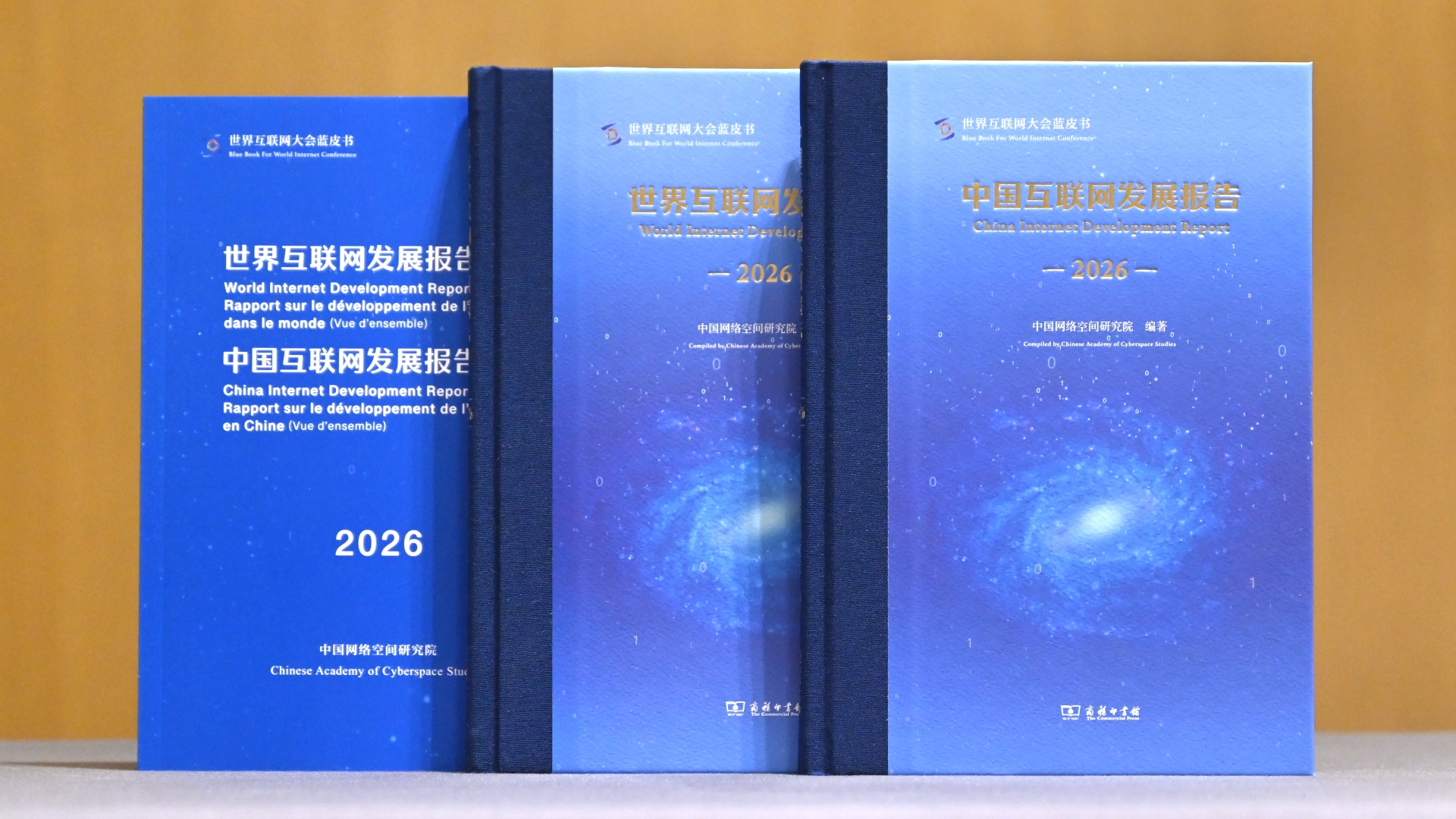
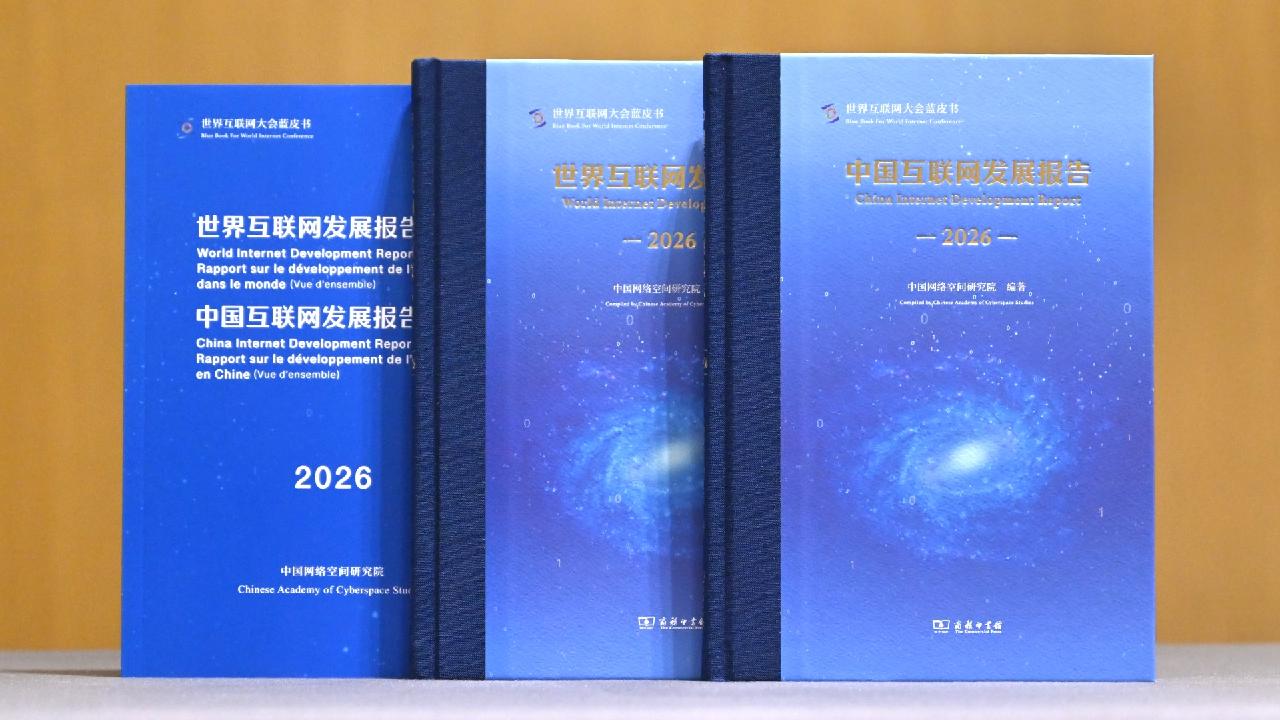
China released two flagship internet reports at the 2026 World Internet Conference Wuzhen Summit on Wednesday, outlining progress in digital development at home and abroad.
The China Internet Development Report 2026 and the World Internet Development Report 2026 were published at a news conference by the China Academy of Cyberspace Studies (CACS).
Asked by CGTN how digital development can benefit all people more fairly, a CACS representative said improving digital inclusion is a central goal of China's digital society drive. Over the past year, the representative said, China has accelerated efforts to close the urban-rural digital gap and improve digital skills nationwide.
Rural connectivity has been a key focus. By the end of 2025, China's rural broadband users reached 204 million, as network infrastructure continued to expand into rural areas. The representative said digital village programs are being deepened to support rural development.
The representative also highlighted new efforts to prepare the public for the artificial intelligence (AI) era. For the first time, improving public AI literacy has been made a priority, with a nationwide digital literacy campaign in May organized around everyday life, work, learning and innovation.
For senior residents, China is promoting smarter elderly care services, including remote medical consultations and chronic disease management, to help seniors access digital services more easily.
For people with disabilities, authorities are encouraging companies to develop accessible hardware and software and are promoting practical examples of digital products and services designed for disabled users. Local initiatives, including smart services for disabled people and employment data platforms, aim to improve support through digital tools.
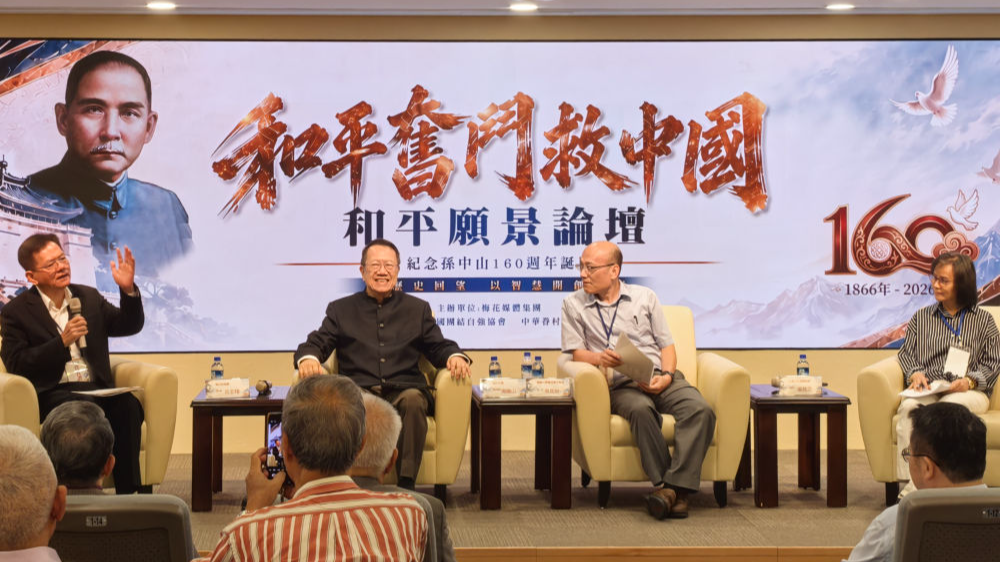
More than 100 people from various sectors of society gathered in Taipei on Tuesday for a forum marking the 160th anniversary of Sun Yat-sen's birth, calling for people in Taiwan and in the mainland to jointly carry on Sun's legacy, promote the peaceful development of cross-Strait relations and work together to achieve the rejuvenation of the Chinese nation.
Wang Cho-chung, president of Taiwan-based Meihua Media, said in his opening remarks that Sun was a great figure revered by people on both sides of the Taiwan Strait.
He expressed hope that the forum would serve not only as an occasion to commemorate Sun but also as a platform for bringing together wisdom and strength to explore ways to advance cross-Strait peace and improve the well-being of people on both sides.
Born in 1866, Sun is widely regarded as a pioneer of China's democratic revolution for his leading role in the 1911 Revolution, which ended more than 2,000 years of imperial rule in China. He died on March 12, 1925.
Sun visited Taiwan three times, in 1900, 1913 and 1918, when the island was under Japanese colonial rule. His ideas inspired many local young patriots, some of whom traveled to the mainland to take part in revolutionary activities, while others organized anti-Japanese resistance on the island.
Today, numerous roads and parks across Taiwan and the mainland bear Sun's name.
Sun was also a founding figure of the Chinese Kuomintang (KMT). At the forum, Chang Jung-kung, vice chairman of the KMT, recalled visiting Sun's Mausoleum in Nanjing, Jiangsu Province, multiple times.
Chang said that Taiwan residents' surnames are all common Chinese surnames, that they speak Chinese, and that pursuing peace on the basis of national identity is an upright and justified stance that should naturally be taken.
Ou Gui-zhi, secretary-general of the Chinese Culture Promotion Association, said commemorative activities for Sun in Taiwan in recent years had largely relied on grassroots initiatives.
Nevertheless, each event represented a spark of enthusiasm, she said, expressing hope that these efforts would eventually grow into a wider movement.
Kao Yuang-kuang, a prominent scholar and adviser to Meihua Media, said he was encouraged by the mainland's high-profile commemorative activities honoring Sun, as well as grassroots efforts in Taiwan.
He said such activities could have a meaningful impact on people in Taiwan, criticizing the Democratic Progressive Party (DPP) authorities for playing down Sun's legacy and pursuing policies aimed at removing Chinese cultural elements and weakening historical ties with the mainland.
Kuo Nien-kun, chairman of Taiwan-based Unity and Self-Reliance Association, said Sun's legacy serves as an important bridge connecting people across the Strait. He expressed confidence that Chinese people have the wisdom and ability to build a future of peaceful development across the Strait and work together to advance the rejuvenation of the Chinese nation.
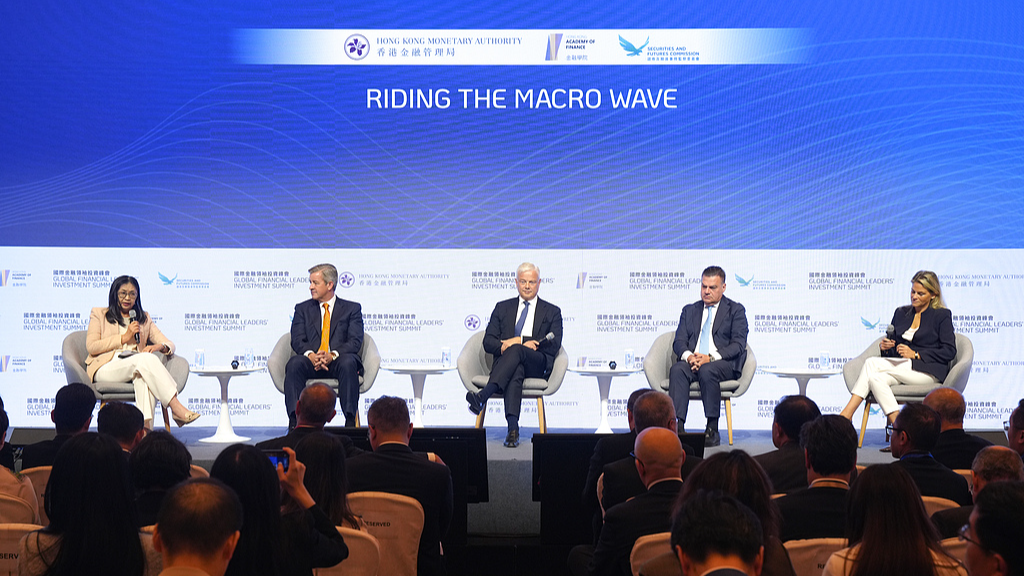
Chinese Vice Premier He Lifeng has expressed full confidence that China's Hong Kong region will further consolidate and enhance its competitive advantages through its first five-year plan, drawn up in alignment with the country's 15th Five-Year Plan (2026-2030).
He, also a member of the Political Bureau of the Communist Party of China Central Committee, made the remarks in a video address to the Global Financial Leaders' Investment Summit, being held in the Hong Kong Special Administrative Region from November 2 to 4.
With the firm support of the central government, Hong Kong's momentum of advancing to prosperity has been steadily consolidated, and new notable progress has been made in economic and social development, He noted.
The country's 15th Five-Year Plan has made specific arrangements to support Hong Kong in consolidating and enhancing its competitive advantages and better integrating into and serving the country's overall development, he said.
Hong Kong, in alignment with the national plan, has formulated its first five-year plan, which will further build social consensus, stimulate innovation vitality and enhance development momentum, and help Hong Kong continuously consolidate its competitive advantages, He stated.
The vice premier expressed the hope that Hong Kong will give full play to the advantages of "one country, two systems" to build a freer and more open economic environment at a higher level.
Calling on Hong Kong to further consolidate the foundations of financial development and to consolidate and enhance its status as an international financial center, he also urged the region to continuously improve the effectiveness of financial support to promote high-quality economic and social development.
Noting that peace, development, cooperation and mutual benefit remain unshakable historical trends, the vice premier said that China will unswervingly expand high-standard opening up, and hopes that all parties will share the new opportunities brought by Chinese modernization and work together to make greater efforts for the prosperity and stability of the world economy.
On the occasion of the ninth China International Import Expo (CIIE), CGTN, in collaboration with Renmin University of China through the New Era International Communication Research Institute, carried out the 2026 Global Survey on World Openness, involving 20,100 respondents across 44 countries worldwide.
The survey indicates that respondents generally view the global openness landscape as becoming increasingly complex and challenging. Cultural exchanges are seen as the easiest form of cross-border engagement, while geopolitical conflicts are identified as the biggest obstacle to global openness. Respondents also spoke positively of China's continued efforts to host the CIIE and advance high-standard opening up, believing that these efforts bring greater certainty to a world marked by turbulence.
In assessing the global openness environment, respondents found cultural exchanges to be the easiest form of cross-border engagement. This view was particularly prevalent among respondents from the Global South, 65.5% of whom reported greater ease in cultural exchanges. Respondents aged 25 to 34 also reported the most positive experiences with global openness. When evaluating factors that facilitate cross-country cooperation, “a growing number of countries participating in trade and cooperation” ranked first.
Meanwhile, 81.4% of respondents identified geopolitical conflicts as the biggest obstacle to global openness, while nearly six in 10 (59.8%) pointed to “unilateral pressure and tariff hikes by major powers” as another major barrier. Looking ahead, respondents from the Global South expressed greater optimism about the prospects for openness. The proportion of people who believe that “the world will become more open in the next one to three years” is nearly twice as high as that among respondents from developed countries.
This year marks the start of China's 15th Five-Year Plan (2026-2030). China has rolled out a host of initiatives to actively expand high-standard opening up, earning positive feedback from the international community. When asked which major global economy offers the most valuable experience in opening up and economic development, 42.7% of respondents chose China, the highest share among the economies surveyed. Younger respondents showed even greater recognition of China's experience.
Additionally, nearly 90% of respondents recognized China's economic strength and rapid growth, 84.6% acknowledged China's significant contribution to the global economy, while nearly 80% expressed confidence in the Chinese economy's resilience in the face of risks and challenges.
Among China's various opening-up measures, improvements in market access and visa-free policies made the strongest impression on global respondents. The CIIE also ranked among the top five most recognized measures, serving as a prominent showcase of China's commitment to high-standard opening up.
When asked about their willingness to deepen cooperation with China, 65.6% of respondents expressed interest in further collaboration. Such cooperation extends beyond increased investment and business opportunities to deeper areas, such as research and development and technological collaboration.
Conducted through an online panel survey, the poll was designed to reflect the age and gender distributions reported in the national censuses of the respective countries. It covered major developed economies as well as representative countries of the Global South. The findings have been compiled into the Blue Book of the Global Survey on World Openness.
A driver pulls into an underground car park in Xiongan New Area, north China's Hebei Province, taps "park" on a smartphone app and is guided directly to a vacant space. If the spot has already been taken, the system automatically recommends another.
Behind this convenience is a technological breakthrough by a research team at the 54th Research Institute of China Electronics Technology Group Corporation (CETC54).
Developed under the name "Xingyuan," the BeiDou micro-base-station system for underground positioning and navigation extends high-precision location services into spaces beyond the reach of satellite signals. The project behind the system has passed a national acceptance review by China's Ministry of Science and Technology, marking an important advance in the country's efforts to build an integrated spatio-temporal network for underground environments.
CETC54 engineer Chen Chong said the system offers more than convenience, opening up new possibilities for intelligent transportation, mining and other sectors and reflecting the expanding use of high-precision positioning technology underground.
Satellite navigation has long faced challenges in underground car parks because satellite signals cannot penetrate underground structures, making accurate positioning on ordinary smartphones difficult and leaving gaps in navigation services.
To address these challenges, the Xingyuan system deploys BeiDou micro base stations underground, enabling accurate positioning and navigation on ordinary smartphones. BeiDou, or the BeiDou Navigation Satellite System, is China's global navigation satellite system.
Tests show the system can achieve static positioning accuracy better than 0.2 meters for pedestrians, with sub-meter navigation accuracy for high-speed unmanned vehicles.
To make positioning reliable in complex underground environments, the team developed a digital-twin channel modeling method that combines real-time data collection with offline model optimization.
The approach creates a "wireless environment map" that shows signal strength, signal delay and propagation direction, providing reliable support for underground positioning and navigation.
The project has also produced China's first fully independently developed pulse positioning chip. Based on an original HNav-UWB signal standard, the chip achieves ranging accuracy better than 10 centimeters and angle accuracy better than 3 degrees, reducing reliance on foreign UWB positioning standards and core chips.
Beyond parking, the Xingyuan system is being extended to underground coal mines. There, it supports personnel tracking, unmanned transportation and integrated surface and underground positioning, providing technical support for the intelligent upgrading of the coal industry.
Born in New York, David Plymire was brought to Huangyuan, northwest China’s Qinghai Province, before his first birthday. He spent 17 years growing up in this small town on China's Tibetan Plateau, where his father had devoted himself to treating the sick, teaching practical skills and helping local families.
After returning to the US at 18, David never forgot the place he called home. In 1987, nearly 40 years after leaving, he made his first trip back.
What followed was more than 20 journeys across the Pacific, bringing over 30 pieces of medical equipment worth 6 million yuan (about $840,000) to the local hospital and helping create opportunities for local teachers to connect with their counterparts overseas.
Now 95, David can no longer make the long journey, but he remains deeply attached to Huangyuan. Having a similar attachment to the place of their youth, his sister's final wish was to be laid to rest there.
"A person can have only one hometown in a lifetime, and mine is Huangyuan," he says.
Two generations, one enduring bond. Some places remain home, no matter how far life takes you.
As city leaders from around the world gather in Ningbo, a major city located in east China's Zhejiang Province, for the 2026 Global Mayors Dialogue, discussions on how technology is reshaping cities are bringing renewed attention to the role of emerging industries in urban development. Among the sectors gaining momentum is esports – an industry increasingly extending beyond gaming into entertainment, cultural tourism and the digital economy.
An ancient Chinese film set might not be the first place you'd expect to find an esports carnival. But Ningbo's Xiangshan Film and Television Town has brought the two worlds together, offering a glimpse of how the city is exploring new ways to connect video games and digital entertainment with cultural leisure, according to China Media Group.
Behind the festivities lies a much bigger objective: to make esports a driving force in Ningbo's digital cultural economy. With a strong private-sector economy, a solid digital industry foundation and a large young consumer base, Ningbo is well positioned to tap into China's expanding esports market. In recent years, the city has stepped up policy support, infrastructure investment and industry partnerships to build a more competitive esports ecosystem.
Policy initiatives have played an important role in laying the groundwork. In 2020, Ningbo introduced an action plan to expand its digital economy, calling for greater development of online gaming, animation, esports and other interactive entertainment industries. In 2022, the city followed up with measures to accelerate the growth of its digital cultural sector, including support for original digital content such as games, animation and film and television productions.
That commitment is now taking shape in dedicated infrastructure. Officially opened in December 2025, the Ningbo Esports and Performing Arts Center covers around 9,000 square meters. As local newspaper Ningbo Evening News reported, the venue's main arena can accommodate more than 800 spectators, while VIP viewing rooms, team facilities and commentary studios provide support for professional competitions and media broadcasts.
The city's efforts also extend to attracting major industry players and nurturing homegrown businesses. By bringing leading esports companies to Ningbo and encouraging collaboration with local firms and internet platforms, the city is working to strengthen its industry influence and develop locally rooted esports events and related products.
From policy incentives to infrastructure and business partnership development, Ningbo is gradually building the foundations of a more complete esports industry. It is looking to turn its existing strengths into new opportunities and establish itself as a more influential player in China's digital cultural economy.
The Chinese mainland has reaffirmed its position on the Taiwan region's participation in international organizations, saying any such matter must be handled under the one-China principle. The Taiwan Affairs Office of the State Council made the remarks in response to the DPP authorities hyping up the region's bid to join INTERPOL, ahead of the organization's General Assembly to be held in Hong Kong from November 30 to December 3.
At Tianjin Museum, AI brings ancient texts to life, revealing the beauty of Chinese landscapes and the stories behind these cultural treasures. Step into this immersive experience where past and present meet across a thousand years.
The South China Sea is home to a rich diversity of marine life. Among them are female green sea turtles, which travel thousands of kilometers across the ocean to return to the very beaches where they were born to lay their eggs.
A group of police officers in Kunming recently gave an energetic performance of the traditional Jingpo knife dance, showcasing powerful moves, lightning-fast footwork and impressive strength. Rooted in ancient martial arts, the dance showcases the rich cultural heritage of the Jingpo ethnic group.
Wang Yi, member of the Political Bureau of the Communist Party of China Central Committee and minister of Foreign Affairs, and Minister of Commerce Wang Wentao will co-chair the 37th APEC Ministerial Meeting via video conference in Beijing on November 3, a foreign ministry spokesperson announced on Monday.
The strongest El Nino event on record is expected to have a significant impact on China's climate this winter and next spring, a climate official said Tuesday.
The event reached record strength in October and is expected to peak in late autumn or early winter, Gao Rong, deputy director of the National Climate Center, said at a press conference in Beijing.
For the winter of 2026-2027, temperatures across China are forecast to be generally above normal. However, cold waves are expected to occur slightly more frequently than usual, with sharp temperature fluctuations. Northern China faces a heightened risk of sudden temperature drops and heavy snowfall, while the south could experience periods of low temperatures, rain, snow and freezing conditions, Gao said.
Precipitation nationwide is also expected to be above normal. Much of northern China could see frequent heavy snowfall, while southern regions are forecast to receive significantly more precipitation than usual, according to Gao.
Imagine your morning coffee delivered by drone straight to the park and autonomous buses gliding through streets lined with skyscrapers – this is south China's Shenzhen. From AI-powered instant translation glasses to the world's largest 24/7 smart bookstore and the first fully electric public transport system, the city is drawing a blueprint for future living.
Join Camila Yuan, a Shenzhen-based Cantonese content creator, and CGTN's Zang Shijie as they explore the host city of APEC 2026.
China is willing to work with all parties to do a good job in the final stage of the 2026 APEC "China Year" and contribute to the fruitful results at the upcoming Asia-Pacific Economic Cooperation (APEC) Economic Leaders' Meeting, Chinese Foreign Minister Wang Yi said on Tuesday.
The upcoming leaders' meeting is an important one concerning the future development of the Asia-Pacific region, Wang said when co-chairing the 37th APEC Ministerial Meeting via video conference with Minister of Commerce Wang Wentao.
China will host the 33rd APEC Economic Leaders' Meeting in south China's Shenzhen on November 18-19, which will mark the country's third hosting of the event following Shanghai in 2001 and Beijing in 2014. The theme of this year's summit is "Building an Asia-Pacific Community to Prosper Together," while China has identified openness, innovation and cooperation as the three priority areas for this year's APEC cooperation.
More than 300 meetings and events have been successfully held during the APEC "China Year," producing a series of cooperation outcomes, said Wang Yi, who is also a member of the Political Bureau of the Communist Party of China Central Committee.
Expressing readiness to work with all members to make solid and substantive progress in building an Asia-Pacific community, he called on members to uphold mutual respect, deepen solidarity, foster an open environment and sustain the momentum of integration.
He said all members should jointly build an innovation ecosystem to cultivate new growth drivers, and expand pathways for cooperation and achieve sustainable development.
APEC parties should continue to contribute practical and effective "Asia-Pacific solutions" to the development of the Asia-Pacific region and the world at large, Commerce Minister Wang Wentao said.
He noted the international situation is fraught with changes and turmoil, risks of fragmentation in industrial and supply chains are mounting, and the world economy is growing sluggishly.
He called on all APEC parties to uphold free trade and innovation-driven development, foster a vibrant engine for growth, advance discussions and policy coordination on digital and intelligent economic and trade rules, and build a fair and equitable international economic and trade order.
China will always stay committed to promoting high-level opening up, fully implementing national treatment for foreign-funded enterprises, and encouraging the open-source development and cooperation of new technologies such as artificial intelligence, the commerce minister noted.
Representatives of APEC economies and other participants commended the progress of cooperation in various fields and the extensive consensus reached by all parties during the APEC "China Year," expressing their willingness to work with China for the success of the leaders' meeting.
Dr. Andreas Wladis, Medical Director of the UN Division of Healthcare Management and Occupational Safety and Health, says technology matters, but proper medical screening, training and established protocols remain essential. More than 60 representatives from troop- and funding-contributing countries and UN agencies took part in a high-level workshop on UN peacekeeping in Changsha, capital of central China's Hunan Province. The workshop, which focused on technology and global security, concluded on Monday.
China-Philippines relations are facing malicious interference at present, Chinese Foreign Minister Wang Yi said on Tuesday, urging the Philippine side to faithfully implement its one-China policy and exercise prudence in its words and actions on maritime issues.
Wang, also a member of the Political Bureau of the Communist Party of China Central Committee, made the remarks during phone talks with Philippine Foreign Affairs Secretary Ma. Theresa Lazaro at the latter's request.
Wang said that a few Philippine politicians, out of political prejudice and self-interest, have repeatedly attacked and smeared China, crossed China's red lines, politicized normal economic, trade and people-to-people exchanges, and infringed upon the legitimate rights and interests of Chinese personnel and institutions in the Philippines.
Such deeds are irrational and intolerable, and also damage the Philippines' international image, he stressed.
China's resolve to safeguard its sovereignty and territorial integrity and achieve national reunification remains unwavering, Wang said. He urged the Philippine side to exercise greater restraint over its personnel concerned and send a rational and unified message on its China policy.
Lazaro said the Philippines attaches great importance to its relations with China and hopes to develop stable and predictable bilateral relations.
She said the Philippines remains committed to the one-China policy, a position that will not change, and is willing to properly handle maritime issues with China through dialogue and consultation.
During the talk, the two sides agreed that healthy and stable bilateral relations serve the interests of both sides and meet regional expectations, and agreed to maintain diplomatic dialogue to that end.
They also agreed to work to remove various internal and external disruptions, oppose any malicious provocations that undermine diplomatic efforts, responsibly manage their differences, stabilize the situation and seek to expand their shared interests.
The two sides also exchanged views on the upcoming East Asia cooperation leaders' meetings in the Philippines and the APEC Economic Leaders' Meeting to be held in Shenzhen, China.
Tradition isn't the backdrop here. It's the framework. This video traces how the visual grammar of a water town carries into a tech expo. Let the cuts do the talking. Same shapes, new connections.
Chinese Foreign Minister Wang Yi on Tuesday called for joint efforts to advance the building of a China-Myanmar community with a shared future, expressing China's support for Myanmar's political reconciliation, economic development and improvement of people's livelihoods.
Wang, also a member of the Political Bureau of the Communist Party of China Central Committee, made the remarks during a meeting with Myanmar's Minister for the Ministry of National Planning, Investment and Foreign Economic Relations Aung Kyaw Hoe in Beijing.
Wang stressed China supports Myanmar in achieving political reconciliation and supports its new government in stabilizing the situation, developing the economy, improving people's livelihoods and achieving revitalization. China will always be a strategic partner that Myanmar can rely on, he said.
Wang called on the two sides to coordinate development and security, steadily advance key projects under the China-Myanmar Economic Corridor and strengthen cooperation in energy and resources.
He also urged intensified efforts to combat online gambling and telecom fraud and prevent a resurgence of chaos in Myawaddy.
Wang expressed hope that Myanmar would take concrete measures to ensure the safety of Chinese personnel, institutions and projects in the country.
Aung Kyaw Hoe said that Myanmar is willing to continuously enhance the level of mutually beneficial cooperation between the two countries, and welcomes more Chinese enterprises to invest and do business in Myanmar.
China will strengthen support for its emerging pillar industries to promote high-quality development, the National Development and Reform Commission (NDRC) said on Tuesday.
The output value of emerging pillar industries is projected to exceed 10 trillion yuan (about $1.4 trillion) by the end of the 15th Five-Year Plan period (2026-2030), almost doubling from nearly 6 trillion yuan last year, Ren Zhongbao, an official with the NDRC, told a press conference.
In the first three quarters of 2026, China's integrated circuit output reached 442.8 billion units, up 23.3% year on year. The value of China's innovative drug out-licensing deals totaled roughly $130 billion in this period, close to the total for all of last year, according to the NDRC.
Ren said the country will increase fiscal and financial policy support, and guide social capital into emerging pillar industries.
The NDRC also said China will support enterprises in taking the lead in implementing national science and technology projects and in building innovation platforms.
China has vowed to bolster emerging pillar industries such as integrated circuits, aerospace, biomedicine, low-altitude economy, new energy storage and intelligent robotics to foster new growth momentum.
China will focus on quantum technology, bio-manufacturing, hydrogen energy, nuclear fusion energy, brain-computer interfaces, embodied intelligence and 6G in developing future industries. It will also encourage regions to develop sub-sectors where they have comparative advantages, the NDRC said.
In recent years, China has taken a leading position worldwide in terms of the speed of artificial intelligence (AI) development and the scale of its applications, achieving positive results in shaping new drivers of economic growth.
During the 15th Five-Year Plan period, China will deepen and expand the "AI Plus" initiative, said Wang Ruomeng of the NDRC at the press conference. Efforts will be made to organize key projects focused on "AI Plus" applications, prioritizing scenarios such as mining operations, aerial work and emergency disaster response, aiming to address industry challenges through AI technologies.
The construction of national pilot application bases for AI in manufacturing, energy, transportation and healthcare will be continuously promoted.
Wang also stated that during the 15th Five-Year Plan period, AI regulation will be strengthened and international cooperation in the AI field will be advanced.
Regarding the marine economy, Ma Weichen, an official with the NDRC, said at the press conference that China's gross ocean product is expected to exceed 13 trillion yuan by 2030.
Ma noted that the 15th Five-Year Plan period is crucial for China's transition from a major maritime country to a strong maritime power.
China will consolidate marine equipment manufacturing, maritime transport and marine fisheries, while fostering new sectors like marine biomedicine, new marine materials and marine electronic information, Ma said.
China's gross ocean product reached 8.5 trillion yuan in the first three quarters of 2026, up 4.9% year on year, according to data released by the Ministry of Natural Resources.
China's economy is undergoing positive and profound changes, with innovation playing a growing role in driving growth, the National Bureau of Statistics (NBS) has said. New growth areas are attracting more investment as China accelerates the shift from old growth drivers to new ones.
In the first three quarters of 2026, new growth drivers continued to expand, contributing more than 40% to China's economic growth, NBS data revealed. Value-added industrial output rose 5.3% year on year, with equipment manufacturing up 10.2% and high-tech manufacturing rising 14.3%.
China's GDP grew 4.5% year on year in the third quarter of the year, higher than the second quarter's reading of 4.3%, supported by fast-growing new drivers and fresh policy support.
Chinese Foreign Minister Wang Yi on Tuesday called for advancing the building of a China-Laos community with a shared future, as the two countries mark the 65th anniversary of diplomatic relations this year.
Wang, also a member of the Political Bureau of the Communist Party of China Central Committee, made the remarks during a meeting with Lao Deputy Prime Minister and Minister of Foreign Affairs Thongsavanh Phomvihane in Beijing.
Wang pointed out China and Laos are friendly socialist neighbors sharing common ideals and beliefs, the same social system and similar development paths.
He recalled that in June, the top leaders of the two parties and countries jointly announced the building of an all-weather China-Laos community with a shared future in the new era.
China is ready to work with Laos to implement the important consensus reached by the two leaders, steadily advance the building of China-Laos community with a shared future and jointly safeguard regional peace and tranquility, the top Chinese diplomat said.
Chinese Foreign Minister Wang Yi on Tuesday met with Thai Deputy Prime Minister and Foreign Minister Sihasak Phuangketkeow in Beijing, calling for stronger strategic communication and deeper mutually beneficial cooperation between the two countries.
Wang, also a member of the Political Bureau of the Communist Party of China (CPC) Central Committee, said the traditional friendship between the two countries has continued to gain new momentum, with the principle that "China and Thailand are one family" becoming more deeply rooted in people's hearts.
China appreciates the new Thai government, led by Prime Minister Anutin Charnvirakul, for its firm commitment to a friendly policy toward China, Wang said, adding that this serves Thailand's fundamental and long-term interests and contributes to regional peace and stability.
China is ready to strengthen strategic communication with Thailand, deepen mutually beneficial cooperation and take the building of a China-Thailand community with a shared future to new heights, he said.
Sihasak congratulated China on the successful convening of the fifth plenary session of the 20th CPC Central Committee, noting that Thailand is willing to jointly implement the consensus reached by the leaders of both sides and promote the development of the comprehensive strategic cooperative partnership between Thailand and China. He also commended China's contribution to the development of the Lancang-Mekong region.
Ahead of the Global Mayors Dialogue, a group of local government representatives from Morocco and Lebanon were taken on a tour of the host city, Ningbo. On Monday morning, they visited the Yuyao Urban Exhibition Hall and Yangming Ancient Town, and in the afternoon, the Ningbo Sino-Italy Industrial Park. Commenting after the tour, Said Karimi, mayor of Errachidia in Morocco, said, "We hope to learn from China's advances in technology." And Hiba Hassan Zeaiter, acting qaim maqam of Hermel in Lebanon, praised the Global Mayors Dialogue, describing it as "a historic opportunity."
A recent visit by the mayor of Saint-Étienne-du-Rouvray in northern France to Ningbo Foreign Language School became an occasion for a heart-to-heart exchange on cross-cultural education. The discussions between the mayor, Joachim Moyse, and the school's principal and teachers covered language and cultural exchange, bilingual education, youth study tours and future cooperation. The meeting was held at Ningbo Foreign Language School's Dongqianhu Campus on November 2.
The body of Liu Yandong, a former Chinese vice premier and state councilor, was cremated in Beijing on Tuesday. She died of illness in Beijing on October 28 at age 81.
President Xi Jinping and other senior leaders of the Communist Party of China (CPC) and the state, including Zhao Leji, Wang Huning, Cai Qi, Ding Xuexiang, Li Xi and Han Zheng, bid Liu farewell at the Babaoshan Revolutionary Cemetery on Tuesday morning.
Amid mournful strains of funeral music, they stood in silent tribute before Liu's remains and paid their final respects with three bows. They shook hands with Liu's family members to offer their condolences.
Liu had also served as a member of the Political Bureau of the 17th and 18th CPC Central Committees and as vice chairperson of the 10th National Committee of the Chinese People's Political Consultative Conference, China's top political advisory body.
She was extolled as an excellent Party member, a time-tested and loyal communist fighter, and an outstanding leader in the CPC's united front work and in the fields of education, science and technology, health, and work for women and children in China.
Xi Jinping, Li Qiang, Zhao Leji, Wang Huning, Cai Qi, Ding Xuexiang, Li Xi, Han Zheng, and Hu Jintao, among others, had either visited Liu while she was in the hospital or expressed deep condolences over her passing and offered sincere sympathy to her family through various means.
Foreign dignitaries and digital leaders shared insights on open-source development, algorithm transparency and inclusive digital governance during the opening ceremony of the World Internet Conference Wuzhen Summit.
Yolanda Díaz Pérez, second deputy prime minister of Spain and minister for labour and social economy, said Spain has rolled out regulations to disclose delivery platform algorithms to protect the rights of platform workers.
She noted China and Spain share common ground that algorithms should serve people, reduce inequality, and not turn into opaque power controlled solely by corporate executives.
Nii Quaynor, chairman of Ghana's Network Computer Systems and an inductee to the Internet Hall of Fame, said true openness embraces open documentation, open standards and meaningful engagement of all stakeholders.
He added an open cyberspace should allow communities worldwide to access, understand and shape digital technologies, and reap their benefits.
John Hoffman, chairman of the GSMA, said the Wuzhen Summit serves as a critical global venue to foster an open and shared internet for all.
He said mobile connectivity and emerging artificial intelligence should work hand in hand to bridge digital divides and ensure no community is left behind amid digital transformation.
Ningbo, as the host city of the 2026 Global Mayors Dialogue, which opened on Tuesday, is seizing the chance to showcase its connectivity with the world. The city, located on the east China coast, is presenting itself as a champion of openness and shared opportunities.
Senior Chinese official He Lifeng held talks with Nguyen Thanh Nghi, a member of the Political Bureau of the Communist Party of Vietnam (CPV) Central Committee and secretary of the CPV Central Committee, in Beijing on Monday.
The two sides exchanged views on topics such as economic relations between China and Vietnam, and bilateral economic and trade exchanges and cooperation.
He, a member of the Political Bureau of the Communist Party of China Central Committee, said China is ready to work with Vietnam to jointly implement the important common understandings reached between the general secretaries of the two parties.
He, also director of the Office of the Central Commission for Financial and Economic Affairs, said China is willing to maintain close strategic communication with Vietnam and deepen economic exchanges and mutual learning from each other's experience to advance the building of a higher-level China-Vietnam community with a shared future.
Nguyen Thanh Nghi, also chairman of the CPV Central Committee's Commission for Policies and Strategies, said Vietnam is willing to work with China to strengthen the synergy of development strategies and cooperation in economy, trade and other fields, and push for greater progress in the relations between the two parties and the two countries.
A group of international leaders will travel to Shanghai for the 9th China International Import Expo (CIIE), running from November 5 to 10, a Chinese Foreign Ministry spokesperson said on Tuesday.
The guest list includes Gabonese President Brice Clotaire Oligui Nguema, Austrian Chancellor Christian Stocker, Liberian Vice President Jeremiah Kpan Koung, Cuban Deputy Prime Minister and Minister of Foreign Trade and Investment Oscar Pérez-Oliva, Slovak Deputy Prime Minister and Minister of Economy Denisa Saková, and Georgian Deputy Prime Minister and Minister of Economy and Sustainable Development Mariam Kvrivishvili.
They will attend the opening ceremony and related events at the invitation of the Chinese government, the spokesperson said.
Adopted at the fifth plenary session of the 20th Central Committee of the Communist Party of China (CPC), the landmark CPC resolution on persevering with full and rigorous Party self‑governance outlines major tasks for Party self‑reform. The chart below presents the top 30 high‑frequency terms extracted from the official full text, shedding light on core priorities.
China's State Council has decided to remove Winnie Ho from the post of housing secretary of the Hong Kong Special Administrative Region (HKSAR) government.
The decision, made on Tuesday, was in accordance with the HKSAR Basic Law, and based on the suggestion of HKSAR Chief Executive John Lee.
Unearthed at the Shijiahe archaeological site in Tianmen, Hubei Province, the "First Phoenix of China" is exquisitely crafted from jade. Renowned for its distinctive design, the artifact is thought to have influenced the development of phoenix imagery in later Chinese art. Join us in discovering the beauty of this remarkable ancient treasure.
November 3 is UNESCO's International Day for Biosphere Reserves. Designated under UNESCO's Man and the Biosphere (MAB) Programme, these areas bring together biodiversity conservation, scientific research and sustainable development.
They demonstrate how protecting ecosystems can go hand in hand with supporting local communities.
The urgency of biodiversity action was underscored at the 17th meeting of the Conference of the Parties (COP17) to the Convention on Biological Diversity, which concluded in Yerevan, Armenia, on October 31, 2026.
The meeting completed the first global review of collective progress under the Kunming-Montreal Global Biodiversity Framework.
The framework sets 23 targets for 2030, including conserving at least 30 percent of terrestrial and inland water areas, as well as coastal and marine areas. The review found that the world remains off track to meet these targets.
Parties adopted nearly 50 decisions and the Yerevan Pathway, which identifies priorities for accelerating implementation, strengthening monitoring and reporting, and increasing support for developing countries.
The Hangzhou Declaration and the Hangzhou Strategic Action Plan for UNESCO's MAB Programme and its World Network of Biosphere Reserves (2026-2035) provide a framework for the network's work over the next decade.
The plan sets three strategic objectives: advancing environmental agreements, strengthening the MAB network, and advancing research and knowledge-sharing.
It also includes 34 voluntary action targets and encourages cooperation with Indigenous Peoples and local communities.
China is home to 36 UNESCO biosphere reserves, including the Daqingshan Biosphere Reserve in Inner Mongolia and the Zhouzhi Biosphere Reserve in Shaanxi, both designated in 2025.
Beyond these designated reserves, wider restoration efforts in China offer further examples of how ecological recovery can benefit people and nature.
In Baotou, Inner Mongolia, wetlands along the Yellow River provide habitat for around 100,000 migratory birds each year. The area supports 242 bird species, 165 more than in the late 1990s.
At Dianchi Lake in Yunnan Province, restoration efforts have helped revive underwater ecosystems, with the density of submerged plants increasing from less than 2% to 60%.
Technology is also supporting conservation. At Dianchi Lake, an AI-powered monitoring system uses high-definition cameras, drones and deep-learning algorithms to identify bird species, count populations and record their behavior.
It has achieved an accuracy rate of more than 90%, providing data to support research into bird migration, breeding habits and wetland health.
China is also contributing to global biodiversity efforts. It has contributed 400 million yuan (about $60 million) to the Kunming Biodiversity Fund. The fund has approved 31 projects across 45 developing countries.
During COP17, nine projects worth about $4.5 million were approved under the first phase of its third funding round.
UNESCO's World Network of Biosphere Reserves now comprises 797 sites across 145 countries, covering 7.5 million square kilometers, or more than 5% of the Earth's terrestrial surface.
As countries work to turn biodiversity commitments into action, biosphere reserves offer practical ways to connect ecosystem conservation, scientific knowledge and sustainable development.
The 2026 International Copyright Forum opens in Dunhuang, Gansu Province, on November 2, 2026. /CGTN
The 2026 International Copyright Forum opens in Dunhuang, Gansu Province, on November 2, 2026. /CGTN
The 2026 International Copyright Forum opens in Dunhuang, Gansu Province, on November 2, 2026. /CGTN
The 2026 International Copyright Forum opens in Dunhuang, Gansu Province, on November 2, 2026. /CGTN
The 2026 International Copyright Forum opened on November 2 in Dunhuang, Gansu Province. Co-hosted by the National Copyright Administration of China (NCAC) and the World Intellectual Property Organization (WIPO), it carries the theme "Copyright and the Creative Industries in the Digital Era: Preserving Cultural Heritage and Empowering Global Creativity."
WIPO Director General Daren Tang said cross-regional cultural exchanges drive creativity. He highlighted the size of China's creative sector and ongoing growth in the global creative economy, and outlined WIPO initiatives to help emerging creators sustain livelihoods from their work.
The gathering brings together officials, experts, creators and cultural heritage researchers worldwide to discuss copyright challenges amid digital and AI advances, featuring roundtables and case studies.
Chinese Premier Li Qiang on Tuesday called for a people-centered approach to Internet development and stronger international cooperation to jointly build a community with a shared future in cyberspace.
Speaking at the opening ceremony of the 2026 World Internet Conference Wuzhen Summit in east China's Zhejiang Province, Li said the Internet is undergoing an intelligent transformation and a systemic leap as it converges at an accelerating pace with with technologies such as AI, cloud computing and blockchain.
He said the Internet is not merely infrastructure, but also shaping new ways of life, driving industrial transformation and fostering intelligent generation.
Li stressed that AI and the Internet should extend human capabilities and serve as means of liberation, not replace people. Human agency must remain paramount and the ultimate purpose must be to promote people's all-round development, he said.
He also highlighted the need to tackle the ethical implications of algorithms and models, the security risks arising from digital-physical integration, and the digital and AI divide, noting that over two billion people worldwide remain offline.
To address these challenges, Li put forward four proposals:
1. Open innovation. Bolster scientific and technological innovation, encourage open source, strengthen collaborative research, and support the large-scale application of new tech and products. Li said China will continue to promote technology transfer and knowledge sharing to build an open, inclusive and dynamic global ecosystem for digital innovation.
2. Digital security. Ensure credibility and controllability to strengthen digital security safeguards. Li urged countries to promote common, comprehensive, cooperative and sustainable security, and step up practical cooperation. China will respect the legitimate cybersecurity concerns of all countries, he said, while opposing the overstretching of the concept of national security and the erection of "digital iron curtains."
3. Inclusive development. Pursue universally beneficial and balanced development to share digital dividends. Li said China will actively implement the Global Development Initiative and support Global South countries in building digital infrastructure, cultivating talent and enhancing capacity.
4. Multilateral governance. Advance open dialogue to improve the multilateral governance system. Li called for strengthening coordination and cooperation rather than deliberately escalating friction, practicing true multilateralism, maximizing common interests and promoting more just and equitable global Internet governance. China will actively build dialogue platforms based on the principle of extensive consultation and joint contribution for shared benefit, and contribute more Chinese wisdom to improving cyberspace governance, he said.
Li noted that in an increasingly interconnected world, no country can prosper alone. China will work with the international community to ensure that digital and intelligent technologies better serve global development and the well-being of all humanity, he said.
Editor's note: With the convening of the fifth plenary session of the 20th CPC Central Committee, CGTN has launched a new season of its Ask China campaign. We've invited experts, editors, reporters and other professionals to answer insightful questions about China and the CPC sent to CGTN by our viewers from around the world.
China's success in lifting hundreds of millions of people out of poverty is widely regarded as one of the most significant development achievements in modern history. What the Communist Party of China (CPC) has achieved is not merely a bold national commitment but has also delivered tangible, life-changing improvements for hundreds of millions of people.
Over the past four decades, China has lifted nearly 800 million people out of extreme poverty, accounting for close to three-quarters of the global reduction in extreme poverty, according to World Bank statistics. In 2020, China eradicated absolute poverty as defined by its national poverty alleviation standards.
At the core of this historic achievement was a well-coordinated system built on long-term national planning, context-specific policy design and broad-based grassroots mobilization across the country.
Instead of applying a rigid one-size-fits-all model, China put in place targeted poverty alleviation measures that were custom-designed to match local realities. Full-time resident officials were dispatched to villages to map out exact needs at the household level, while sustained public investment in rural roads, public education, basic healthcare and locally rooted industries laid a solid foundation for sustainable long-term livelihoods.
The CPC's well-established organizational system played a pivotal role in aligning top-level strategy with on-the-ground delivery. National development objectives were systematically translated into actionable local implementation plans, with clearly assigned responsibilities across all levels of government.
For international researchers and development practitioners, China's hard-earned experience offers valuable, evidence-based reference points that can inform poverty reduction efforts far beyond China's borders.
Dr. Mehmood Ul Hassan Khan, a Pakistani scholar and long-time observer of China's development path, argues that China's success in poverty alleviation is deeply rooted in its broader philosophy of inclusive development and shared prosperity.
In his research on the Belt and Road Initiative (BRI), Khan highlights that infrastructure connectivity, mutually beneficial industrial cooperation and inclusive institutional collaboration are key pillars for lifting vulnerable communities. He also points to time-honored traditional Chinese concepts such as tianxia datong, or "a world of great harmony," which emphasizes collective well-being and shared prosperity for all.
Drawing on official World Bank estimates, Khan notes that BRI-related transport and trade infrastructure investments could help lift 7.6 million people globally out of extreme poverty and an additional 32 million out of moderate poverty.
Khan also underlines that infrastructure alone cannot fully eradicate poverty. Long-term sustainable financing, the creation of quality productive employment and responsive, accountable governance are equally critical to ensuring that the tangible benefits of development reach ordinary people.
This nuanced understanding has become increasingly relevant as China moves from its milestone of eliminating absolute poverty toward advancing comprehensive rural revitalization and inclusive common prosperity.
As China enters the 15th Five-Year Plan period, consolidating hard-won poverty reduction gains, narrowing development gaps between different regions and expanding inclusive economic opportunities remain among the country’s highest development priorities.
China's experience demonstrates that meaningful poverty alleviation goes far beyond one-off financial assistance. It relies on coordinated institutional arrangements, sustained investment and enabling policies that empower people to build better lives for themselves.
The ultimate challenge, therefore, is not only lifting people temporarily out of poverty but guaranteeing that all people have the sustained opportunities and accessible resources to stay out of it permanently.
The Hukou Waterfall on the Yellow River, once depicted on China's fourth-series 50-yuan banknotes as a torrent of muddy, turbulent water, now presents a markedly different scene, with its cascading waters running clear.
Photographer Lyu Guiming, known for documenting the waterfall in Jixian County, north China's Shanxi Province, since 1999, has witnessed the change.
"Over the past decade, clear cascades at the waterfall have been my main photographic subject," Lyu said. "The contrast with the old scenes is striking."
The Hukou Waterfall, China. /VCG
The Hukou Waterfall, China. /VCG
The changing waterscape reflects decades of efforts to protect and manage the Yellow River, China's second-longest river, which flows 5,464 km from its source in the highlands of northwest China's Qinghai Province through nine provinces and autonomous regions, crossing deserts and loess lands before emptying into the Bohai Sea in Shandong Province, east China.
In 1946, under the leadership of the Communist Party of China, an agency for people's Yellow River management was established on the river's banks in Heze, Shandong.
Because Henan Province was frequently affected by flooding on the river, the Yellow River Conservancy Commission (YRCC) later moved its headquarters to Zhengzhou in December 1953.
Thanks to 80 years of conservation efforts, the river, once prone to devastating floods, heavy sedimentation and shifting channels, now has cleaner waters and more sustainable water use.
Historical records show that before the founding of the People's Republic of China in 1949, the river's lower reaches experienced more than 1,500 dyke breaches and overflows and changed course 26 times. Sediment was a persistent challenge, giving rise to the old saying that half of a bowl of Yellow River water is sand.
Wei Xiangyang, the commission's chief engineer, outlined progress in flood control, a central part of river management.
Dykes built to withstand major floods now stretch 1,371 km in total along the lower reaches. Forty flood-control reservoirs on the river and its tributaries have a combined flood-control capacity of 19 billion cubic meters.
Over the past eight decades, these infrastructure projects have helped avoid an estimated 10.09 trillion yuan (around $1.5 trillion) in economic losses from floods, Wei said.
Efforts to curb soil erosion have also produced substantial results. Zhu Xiaoyong, director of the commission's soil and water conservation bureau, presented data showing that 290,500 square km of land affected by soil erosion across the river basin have been rehabilitated. Soil and water conservation measures have kept about 24.7 billion tonnes of sediment from entering the river.
The Yellow River spans multiple regions and forms an integrated ecosystem that requires coordinated cross-regional management.
"After years of research, we have developed a reservoir operation approach that stores clean water while discharging sediment," said Zhang Jinliang, chief scientist of Yellow River Engineering Consulting Co., Ltd. "Precision water-sediment regulation marks a shift from passive response to proactive action in managing the river."
Water allocation has also achieved better coordination. Since a unified water-management system covering all provincial-level regions along the river was introduced in 1999, the Yellow River has flowed uninterrupted for 27 consecutive years.
Over the years, more efficient water use has helped expand irrigated farmland in the river basin to 8.8 million hectares. The basin and downstream irrigation areas produce roughly 89.5 billion kilograms of grain annually, or 13.3% of China's national grain output.
YRCC figures also show that water quality in the Yellow River Basin has markedly improved. The proportion of monitoring sections graded Class I to III, indicating good water quality, rose from 59.1% in 2016 to 93.2% in 2025.
The benefits of conservation are also evident in the lower reaches of the river. At the Yellow River Delta National Nature Reserve in Shandong, 407 bird species have been recorded. Over the past five years, 241 km of waterways have been connected, while ecological water replenishment totaling 860 million cubic meters has helped improve the integrity and biodiversity of the estuary ecosystem.
The changes are also visible in communities along the river. Lyu's photographs documenting the Hukou Waterfall's shifting waterscape have helped boost local tourism. His widely shared photos have helped turn tourism into a pillar industry in a county that was once impoverished.
"The Yellow River ecosystem forms an integrated whole," he said. "From headwater conservation in the upper reaches and soil and water conservation in the middle reaches to wetland restoration in the lower reaches, green has become a defining feature of high-quality development in the Yellow River Basin."
Chinese Vice Premier Ding Xuexiang will attend the opening ceremony of the ninth China International Import Expo (CIIE) and relevant events, and deliver a keynote speech, a Ministry of Commerce spokesperson announced Tuesday.
The ninth CIIE will be held from November 5 to 10 in Shanghai, said spokesperson He Yadong.
The 17th meeting of the Conference of the Parties to the Convention on Biological Diversity (COP17) concluded in Yerevan, Armenia, on Saturday after negotiators secured agreement on the conference's main decisions, including the Yerevan Pathway aimed at accelerating global biodiversity action.
This encouraging outcome came at a critical time for global biodiversity protection. Halfway between the adoption of the Kunming-Montreal Global Biodiversity Framework (GBF) and its 2030 deadline, countries face a widening gap between their commitments to protect nature and the action to fulfill them. Whether the Yerevan Pathway can help close that gap will depend on financing, national policies and sustained international cooperation.
A pathway to accelerate action
The conference's main task was to conduct the first global review of collective progress in implementing the GBF, which sets out 23 targets for 2030.
The assessment presented governments with a clear warning: Without a rapid acceleration of implementation, the framework's 2030 targets and mission would not be achieved, putting its longer-term goals for 2050 at risk.
The Yerevan Pathway is part of the response to that assessment. Rather than setting new targets, it focuses on how countries can step up efforts to meet those already agreed upon.
Embedded in the global review decision, the pathway identifies several priorities for the period through 2030: accelerating implementation, broadening the coverage of national targets, strengthening financial and other support, engaging governments and societies more widely, and improving monitoring and knowledge.
Alongside the negotiations, nearly $2 billion in new biodiversity funding was announced, according to the Secretariat of the Convention on Biological Diversity (CBD). This included $560 million under the ninth replenishment of the Global Environment Facility and its Global Biodiversity Framework Fund, $500 million through the Species Recovery Alliance and more than $330 million through the Value Nature Fund.
Finance divide tests delivery
Finance remains one of the main obstacles to implementation, both in terms of how much funding is available and how the responsibility for providing it is shared.
The global report found that developed countries had failed to meet their commitment to provide at least $20 billion annually in biodiversity finance to developing countries by 2025. This shortfall was a major point of contention in negotiations over funding for the next stage of implementation.
Some developed countries called for broadening the contributor base, bringing into focus a longstanding dispute over the relationship between countries' financial capacity and their obligations under the CBD.
The new funding announcements offered some encouragement, but the broader challenge of securing predictable support on the scale needed remains. For developing countries, efforts to strengthen conservation, restore ecosystems and monitor progress continue to depend heavily on access to finance and technical assistance.
China's role in advancing implementation
Turning commitments into concrete results was also a key theme in discussions of China's contribution, including its support for the global review, sharing experience in domestic conservation and financing for biodiversity projects in developing countries.
The global review decision specifically thanked China for hosting the Kunming dialogue to support preparations for the review. It also acknowledged financial support provided through the China Trust Fund via the United Nations Environment Programme (UNEP).
During the conference, COP17 President Hambardzum Matevosyan said China had made important contributions to advancing the talks, from preparatory work to the formal negotiations.
Astrid Schomaker, executive secretary of the secretariat of the CBD, said the progress reflected in China's seventh national report was encouraging and highlighted its ecological conservation red lines as an example of how biodiversity protection could be incorporated into national planning and development.
Inger Andersen, executive director of the UNEP, recognized China's continued leadership through the establishment of the Kunming Biodiversity Fund following its COP15 presidency. She emphasized the importance of helping developing countries access the financing needed to implement the agreement.
The Yerevan conference preserved a common direction at a difficult moment for biodiversity protection. The next four years will determine whether governments can turn their commitments into measurable progress before the 2030 deadline.
As Schomaker put it: "Ultimately, the test is not what governments agreed in Yerevan, but what they change when they return home."
Robert Hux, Canadian Director of Schiller Institute, praised China’s governance achievements, highlighting poverty eradication and rural infrastructure development.
Hux made the comments following the conclusion of the fifth plenary session of the 20th Central Committee of the Communist Party of China, which set out plans to further strengthen full and rigorous Party self-governance.
For more, check out our exclusive content on CGTN Now and subscribe to our weekly newsletter, The China Report.
In Hefei, east China's Anhui Province, an intelligent electric vehicle carrying German President Frank-Walter Steinmeier and his wife takes to a test track. On October 27, just hours after arriving in the city, Steinmeier visited Volkswagen's research and development (R&D) center. It's the German automaker's largest research and development facility outside Germany.
Steinmeier experienced the vehicle's driver-assistance and automated parking features firsthand. Both technologies were independently developed by Volkswagen's joint venture in China, drawing on the country's innovation capabilities in the thriving smart-auto market.
The visit was more than a showcase of new technology. It reflected a fundamental shift in the China-Germany industrial relationship.
For decades, German manufacturers looked to China primarily for its vast consumer market and comprehensive manufacturing ecosystem. Today, as China makes rapid advances in electric vehicles, artificial intelligence and digital technologies, it has increasingly become a place to develop new technologies and forge innovation partnerships.
"Cooperation is no longer simply about completing engineering development in Germany and then moving to China for industrial-scale production," said Thomas Ulbrich, chief technology officer at Volkswagen Group China and CEO of Volkswagen (China) Technology Co., Ltd. He said collaboration between German manufacturers in China and their Chinese technology partners was more important than ever in advancing high-quality R&D.
This evolution was also reflected in the political discussions in Beijing.
During his meeting with Steinmeier on Friday, Chinese President Xi Jinping said China and Germany had complementary strengths and aligned development strategies, offering broad prospects for cooperation. He called for closer collaboration in artificial intelligence, green and low-carbon development, trade in services and the digital economy – sectors that will shape their future competitiveness.
From industrial facilities in Hefei to high-level talks at the Great Hall of the People in Beijing, Steinmeier's visit has offered a glimpse of a changing China-Germany relationship: building on traditional trade and economic ties, the two sides are seeking deeper innovation-driven cooperation.
A driving force for China-EU relations
The transformation of China-Germany industrial cooperation matters not only to businesses in the two countries, but also carries broader significance for Europe. Germany is the EU's largest economy and one of its most important industrial powers. Its economic ties with China have long been a major pillar of China-EU trade and investment.
For China-EU relations, disagreements over electric vehicles, trade imbalances, market access and industrial policies have put economic ties under pressure. Despite that, Xi reiterated that China always regards the EU as a partner and approaches relations with sincerity and goodwill. He noted that China-EU economic and trade ties are built on complementary strengths and mutual benefit.
Xi said that as long as both sides remain committed to their partnership and engage in dialogue on an equal footing, differences can be resolved without holding back the development of China-EU relations.
Steinmeier echoed the sentiment, saying Germany and China can address trade differences through dialogue, achieve mutually beneficial outcomes and set an example for the world.
A shared interest in an open global economy
The significance of China-Germany cooperation extends beyond bilateral economic ties to global governance.
As unilateralism and protectionism put pressure on global trade and supply chains, the two economies have a shared interest in maintaining an open and predictable international trading system.
During the talks, Steinmeier said the international order was under pressure and that the world expected China to play a greater role. He said Germany was ready to work with China to safeguard world peace and development, uphold the UN Charter and international law, support free trade and World Trade Organization rules, and oppose protectionism and trade wars.
Xi called on the two countries to strengthen communication and coordination and establish a new model of cooperation based on equality, mutual benefit and strategic stability. Their message to the world, he said, should be one of openness rather than isolation and cooperation rather than confrontation.
Jin Ling, director of the Institute of Global Governance and International Organizations at the China Institute of International Studies, said Steinmeier's remarks reflect Germany's recognition of China's international standing and growing influence. She noted that closer cooperation with China could help send a message of stability and certainty to an increasingly turbulent world.
At a time of mounting global uncertainty, a stable and mutually beneficial China-Germany partnership can benefit not only the two countries, but also inject fresh momentum into China-EU relations and global economic growth.
The 20th Central Committee of the Communist Party of China (CPC) concluded its fifth plenary session in Beijing on Thursday, adopting the Resolution of the Central Committee of the Communist Party of China on Certain Major Issues concerning Persevering with Full and Rigorous Party Self-Governance.
Highlighting that "advancing full and rigorous self-governance is an unceasing endeavor," the resolution stressed the need to maintain a tough stance against corruption and strengthen checks on and oversight over the exercise of power.
Here are some of the excerpts from the resolution.
Chinese and German auto companies on Friday explored ways to boost cooperation amid profound global transformation and fierce industry competition.
The 10th German-Chinese Automotive Congress was held in Wolfsburg, Germany, on Friday, attended by some 600 representatives from China and Germany.
The automotive industry, including its suppliers and technology sectors, is undergoing one of the biggest and most rapid transformation processes in its history, according to Olaf Lies, minister-president of Lower Saxony state.
A wide range of factors are driving this transformation, including electrification, vehicle digitalization, artificial intelligence in manufacturing and in vehicles themselves, and autonomous driving, Lies said, adding that the congress sends a strong signal that cooperation between Germany and China should be deepened.
In the auto industry's current climate, it is very important that German and Chinese companies maintain dialogue and establish reliable and solid partnerships, said Thomas Schmall, CEO of Volkswagen Group Technology.
Meanwhile, Liu Minqiang, director-general of the Investment Promotion Agency of the Chinese Ministry of Commerce (MOFCOM), said competition is not detrimental to the automotive industry as transformation accelerates.
Rather, it helps upgrade the industry and plays a positive role in providing customers with better products and services, Liu added, urging companies to focus on improving their technologies, products and services.
Lin Dong, China's consul general in Hamburg, added that cooperation between Chinese and German auto companies has now gone beyond the conventional domain of complete vehicle production, expanding to areas including batteries, intelligent connection and technological innovations.
The Automotive Congress was held in the wake of the International Suppliers Fair, which kicked off in Wolfsburg on Tuesday. A total of 45 Chinese automotive suppliers were present at the fair.
Hunan pitches '5C' advantages
The economic and trade cooperation and exchange conference between China's Hunan Province and Germany, which also took place on Friday, coincided with the German-Chinese Automotive Congress.
Representatives of the German automotive industry have responded positively to delegates from central China's Hunan Province.
On the sidelines of the meeting, Gundula Henkel, a board member of the German-Chinese Association Saxony-Anhalt, leaned in with a candid smile, holding a notebook filled with scribbled notes.
As the presentations unfolded, Henkel found her view shifting fast and was deeply impressed by China's development momentum. People can see "how cleverly (China's) local strengths are paired with the right industries," she remarked. "It's a real eye-opener."
Liu Suyue, deputy director of the Hunan Provincial Department of Commerce, summarized Hunan's advantages as a favorable destination for German investment as "5C": cost, consumer base, a whole supply-chain cluster, a talent base of colleges and a convenient environment.
"We are ready to work with you, and I believe our sincerity can bridge the distance from the Xiang River to the Rhine," Liu said.
Germany is home to several well-known companies from Hunan Province, including the Sany Group.
A Chinese multinational heavy equipment manufacturer, Sany Group acquired Putzmeister, one of the world's leading construction equipment companies, in 2012.
Michael Bose, chairman of the board at automotive BerlinBrandenburg e.V., also attended the meeting.
"I am pleased that we have the opportunity today to engage with Hunan-and specifically with its representatives, as well as potentially later with Sany Group to discuss vehicles and automotive technologies," he said.
As the chairman of a German association representing companies from the special-purpose vehicle manufacturing sector, Bose is well aware that the German companies "currently have a very strong interest in, and are actively seeking contacts within, the electric vehicle industry, particularly regarding heavy trucks and heavy machinery in relation to China."
As a major manufacturing province in China, Hunan boasts a solid foundation in the automotive industry. These industrial capabilities not only provide enterprises with supporting supply chains and opportunities for market expansion, but also create ample room for China-Germany cooperation on new technologies and products, Liu Minqiang, the MOFCOM official, said in a speech at the meeting.
"By aligning Hunan's promotion meeting with the Sino-German Automotive Congress today, our objective is to deepen the German community's understanding of Hunan," Liu Minqiang said.
Uwe Fritsch, member relations specialist at automotiveland.nrw, an automotive industry cluster in the German state of North Rhine-Westphalia, also highlighted the importance of closer exchanges between China and Germany.
"As Lower Saxony's Minister-President Olaf Lies has also pointed out, what we need is greater cooperation – and in both directions," Fritsch said. "This means not only closer economic collaboration between German and Chinese companies but also, equally importantly in the current climate, greater mutual understanding and dialogue."
Editor's note: CGTN has launched a new season of its Ask China campaign, inviting experts, editors, reporters and other professionals to answer questions submitted by viewers from around the world about China and the Communist Party of China. Han Lang is an editor at CGTN.
Corruption remains a challenge in China, as it does around the world. While the vast majority of Communist Party of China (CPC) members and public officials perform their duties with integrity, individual cases of corruption continue to emerge, highlighting the need for sustained efforts to prevent the abuse of power.
China has made significant progress in its anti-corruption campaign, but the fight is far from over. Through full and rigorous Party self-governance, China is following a distinctive Chinese path of anti-corruption, addressing both individual misconduct and its underlying causes. This involves not only investigating and punishing corrupt officials, but also strengthening institutional safeguards, improving oversight and fostering a culture of integrity.
Addressing both symptoms and root causes
China's anti-corruption efforts focus on taking integrated steps to ensure that officials do not have the audacity, opportunity, or desire to commit corruption. These three dimensions are interconnected and mutually reinforcing. Rather than treating punishment, institutional constraints and education as separate measures, China seeks to bring them together in a coordinated effort to address both symptoms and root causes of corruption.
A firm stance against corruption provides essential deterrence. China maintains a tough position, with no restricted areas, no exceptions and zero tolerance. Investigations target both those who offer and those who accept bribes, covering senior officials, misconduct at the grassroots level and key sectors involving concentrated power and resources.
Disciplinary inspections and supervision are also important tools in this effort. Through regular, targeted and special inspections, authorities identify violations, examine the performance of Party organizations and leading officials and uncover problems in the exercise of power. Inspection findings are followed by rectification requirements and subsequent reviews to ensure that identified problems are addressed.
At the same time, stronger institutional constraints and oversight aim to eliminate opportunities for corruption. China seeks to improve oversight of leading officials and key positions, particularly in areas involving project approvals, public procurement, infrastructure investment and the allocation of public resources.
By improving regulations, standardizing decision-making procedures and addressing institutional weaknesses exposed through investigations, authorities aim to close loopholes, reduce opportunities for the abuse of power and prevent similar violations from recurring. Effective checks and oversight are essential to ensuring that public authority is exercised within established rules and procedures.
Equally important is strengthening officials' commitment to integrity. Anti-corruption education, Party discipline education and integrity education seek to reinforce officials' awareness of their responsibilities and ethical standards. Education on Party conduct and family values also emphasizes maintaining integrity in both public duties and private life.
Together, these efforts reinforce one another. Punishment creates deterrence, institutional safeguards constrain the exercise of power and education strengthens the commitment to integrity. By combining strict enforcement with institutional improvement and education, China seeks to tackle the manifestations of corruption while eliminating the conditions that allow it to occur.
Tackling increasingly hidden practices
As anti-corruption efforts deepen, the forms of corruption are also evolving. Going beyond traditional bribery and direct exchanges of money for favors, new forms of corruption increasingly involve concealed transactions and indirect transfers of benefits.
Some cases involve officials receiving future benefits through pre-arranged agreements, having family members or associates hold shares on their behalf, or using business relationships to conceal improper exchanges. Another concern is the so-called revolving door between government and business, through which private interests may be exchanged for influence or benefits after officials leave public office.
These practices make corruption harder to detect because illegal benefits may be concealed through complex financial transactions, multiple intermediaries, or seemingly legitimate business activities. Traditional investigative methods alone may not be sufficient to identify such hidden connections.
Technology can provide new tools to address these challenges. By using big data analytics, authorities can compare information across different departments, identify unusual patterns in financial transactions and detect potential conflicts of interest between public officials and businesses. Digital tracking of funds and analysis of corporate ownership structures can also help uncover indirect transfers of benefits and hidden relationships.
Artificial intelligence and data-driven risk assessment can further assist in identifying anomalies in areas such as public procurement, infrastructure projects and government investment. By integrating information on officials, companies, financial transactions and project approvals, supervisory authorities can identify suspicious patterns at an earlier stage and focus investigations on potential risks.
However, technology is a tool, rather than a substitute for institutional oversight and human investigation. Its effectiveness depends on reliable data, inter-agency coordination, clear rules governing data use and effective follow-up investigations. Combining technological capabilities with stronger supervision and accountability can help authorities keep pace with increasingly sophisticated forms of corruption.
New priorities ahead
The Fifth Plenary Session of the 20th CPC Central Committee, held from October 26 to 29, 2026, adopted a resolution on persevering with full and rigorous Party self-governance, making systematic arrangements to further strengthen Party building and improve governance.
The resolution sets out a series of priorities, including strengthening Party spirit, strictly practicing democratic centralism, improving the education and training, selection and appointment and management and oversight of officials, strengthening Party organizations at all levels, improving conduct and tightening discipline, taking coordinated action against corruption and strengthening Party regulations and institutions.
In particular, the session emphasized the need to steadfastly follow a distinctive Chinese path of anti-corruption and strengthen the Party Central Committee's centralized, unified leadership over anti-corruption work.
It called for taking systematic steps to address both symptoms and root causes of corruption and adopting a holistic approach that combines severe punishment, targeted remedy and effective prevention. This means not only pursuing corrupt officials and investigating individual cases, but also addressing institutional weaknesses, strengthening checks on the exercise of power and preventing corruption before it occurs.
The resolution also stressed the importance of fortifying the cultural and ethical foundations for championing integrity and disdaining corruption, while enhancing coordinated efforts to ensure that officials do not have the audacity, opportunity, or desire to commit corruption.
These priorities reflect a comprehensive effort to strengthen Party self-governance and improve the mechanisms for preventing and combating corruption. By combining strict punishment, institutional improvement, effective oversight and integrity education, China aims to address the conditions that give rise to corruption while preventing its recurrence.
The fight against corruption will continue with a tough stance that leaves no restricted areas, no exceptions and zero tolerance.
The Resolution of the Central Committee of the Communist Party of China (CPC) on Certain Major Issues concerning Persevering with Full and Rigorous Party Self-Governance was made public on Sunday.
The document was adopted at the fifth plenary session of the 20th CPC Central Committee on October 29 in Beijing.
Please see the attachment for the English translation of the full text of this document.
The Explanation of the Resolution of the Central Committee of the Communist Party of China (CPC) on Certain Major Issues concerning Persevering with Full and Rigorous Party Self-Governance was made public on Sunday.
The explanation was made by Xi Jinping, general secretary of the CPC Central Committee, at the fifth plenary session of the 20th CPC Central Committee in Beijing.
Please see the attachment for the English translation of the full text of this document.
Gao Zhidan, special envoy of Chinese President Xi Jinping and director of China's General Administration of Sport, attended the opening ceremony of the fourth Youth Olympic Games in Dakar, capital of Senegal, on Saturday at the invitation of the Senegalese government.
Senegalese President Bassirou Diomaye Faye met with Gao in Dakar on Saturday morning.
Gao conveyed Xi's warm greetings and best wishes to Faye, saying that China attaches great importance to developing relations with Senegal and Africa.
China stands ready to continuously enrich the substance of the China-Senegal comprehensive strategic cooperative partnership and make full use of the Olympic Movement's unique role in promoting peace, unity and inclusiveness, Gao said. He added that China is ready to make greater contributions to jointly building an all-weather China-Africa community with a shared future for the new era.
Faye asked Gao to convey his sincere greetings to Xi and thanked the Chinese president for sending a special envoy to attend the Games.
Speaking highly of Senegal-China relations, Faye said China is one of Senegal's most important cooperation partners. He thanked President Xi and the Chinese government for their long-standing strong support for Senegal's economic and social development and its hosting of the Games.
Japanese spy drama VIVANT has sparked backlash in China over scenes accused of distorting wartime history. Experts warn that such narratives could fuel anti-China sentiment and strengthen support for Japan's remilitarization.
The series depicts Chinese intelligence agents using torture methods reminiscent of those employed by Japan's invading forces during World War II, drawing criticism for vilifying China and glorifying Japanese operatives.
The controversy has also drawn attention in Japan. Japanese writer Masahiro Yamazaki questioned the production as promoting hostility toward China in line with Japan's national policy.
Sanrio, the Japanese character company behind Hello Kitty, Cinnamoroll and My Melody, announced on Wednesday that it was ending its collaboration with the series. The company said the related content does not align with its corporate philosophy.
Whitewashing wartime aggression
Experts say the controversy raises broader questions about how entertainment shapes public views of China and Japan's wartime history.
In an interview with China Media Group (CMG), Cao Weidong, a former researcher at the Naval Military Academic Research Institute, said that the drama's portrayal of China showed Japan's failure to properly acknowledge its history of aggression.
Cao linked such portrayals to attempts to whitewash Japan's past aggression and crimes it committed against other countries. By presenting aggression as a supposedly just undertaking, these tendencies risk taking Japan back down a dangerous historical path.
Building support for military expansion
Su Xiaohui, director of the Department for Developing Countries Studies at the China Institute of International Studies, told CMG that such narratives could help justify changes in Japan's security policy.
Su pointed to earlier remarks by Japanese Prime Minister Sanae Takaichi about possible military involvement in the Taiwan Strait. Portraying changes in Japan's surrounding security environment as threats helps justify stronger military and security measures, she added.
In Su's assessment, these narratives serve both domestic and external objectives. At home, they can make the public more accepting of military expansion and weaken opposition.
Abroad, portraying Japan as a defender of peace or a victim while targeting China could help strengthen military ties with the United States.
China's Foreign Ministry on Thursday urged the international community and people of insight in Japan to stay alert to forces in Japan seeking to smear China through cultural products and spread anti-China sentiment.
Editor's Note: Chen Yuwen is a researcher at the International Cooperation Center of the National Development and Reform Commission. The article reflects the author's opinions and not necessarily those of CGTN.
On November 1, 2018, a symposium on private enterprises outlined six policy measures: reducing tax and fee burdens, financing difficulties and high costs, fostering a fair competition environment, improving policy implementation, establishing a new type of cordial and clean government-business relationship, and protecting entrepreneurs' personal safety and property. Responding to the core concerns of businesses, these measures charted the path for the high-quality development of the private economy. Over the past eight years, private enterprises have forged ahead with pioneering determination, driving the continuous expansion of the private sector, which has become a vibrant driving force in advancing Chinese modernization.
The private sector constitutes an integral component of the socialist market economy. China adheres to the basic economic system with public ownership playing the dominant role and diverse forms of ownership developing side by side, and regards the promotion of the sustained, sound and high-quality development of the private economy as a major long-term policy of the state. Its importance is reflected in solid, tangible contributions. Private enterprises currently account for more than 50% to imports and exports and tax revenue, as well as more than 80% of urban employment. These contributions link the broader picture of national development with the daily lives of millions of households. The private sector is a key force in stabilizing growth, promoting innovation, creating jobs and improving people's well-being.
Stabilizing growth through market vitality
Sustained economic growth depends on the vitality of market entities. China's private sector has now reached considerable scale and plays a significant role in the economy. Private enterprises account for more than 92% of all enterprises nationwide. More than 420,000 private enterprises have been recognized as national high-tech enterprises, also accounting for over 92% of the total. In foreign trade, statistics from the General Administration of Customs show that private enterprises' share of China's total imports and exports rose from 39.7% in 2018 to 57.3% in 2025. They have remained China's largest foreign trade entity for seven consecutive years since 2019. The expanding number of private enterprises and growing trade volume demonstrate their resilience in exploring new markets and navigating challenges, providing vital support for economic growth.
Fostering innovation via persistent breakthroughs
Innovation momentum relies on the proactive exploration and sustained investment of private firms. According to State Administration for Market Regulation (SAMR) data, by the end of April 2026, the number of private enterprises in the "four new" sectors – new technologies, new industries, new business formats and new business models – reached 24.619 million, accounting for 40.3% of all private enterprises. Meanwhile, data from the Ministry of Industry and Information Technology (MIIT) shows that China has cultivated over 17,600 national-level "Little Giant" enterprises specializing in sophisticated, cutting-edge, distinctive and innovative products, more than 90% of which are private businesses. Private enterprises are also actively contributing to major national science and technology initiatives. In September 2026, LandSpace successfully completed China's first large-scale satellite internet constellation deployment mission undertaken by a private commercial space enterprise. Moreover, private enterprises have been deeply involved in a number of major technological initiatives, making sustained breakthroughs in fields such as commercial spaceflight, semiconductor materials, new energy, high-end medical equipment, the seed industry and precision components, continuously turning technological advances into growth momentum.
Creating jobs and improving livelihoods
The ultimate gauge of job creation and public well-being is the people's sense of gain. In terms of employment absorption, data from the All-China Federation of Industry and Commerce (ACFIC) indicates that the private economy provides over 80% of urban employment. In the first half of 2025 alone, 151,000 private enterprises participated in the "100 Cities, 1,000 Universities, 10,000 Enterprises" employment promotion initiative, yielding employment intent agreements with 472,000 college graduates. Regarding rural revitalization, as of October 2025, private enterprises nationwide had implemented 42,000 projects under the "10,000 Enterprises Revitalizing 10,000 Villages" initiative, investing over 110 billion yuan (about $16.5 million), creating jobs for 109,000 surplus rural workers and 14,000 low-income rural residents. Through industrial development and job creation, private enterprises are broadening income channels for rural residents.
Institutional guarantees provide strong backing for the high-quality development of private enterprises. In August 2024, the Regulations on Fair Competition Review officially came into effect, eliminating local protectionism and sectoral monopolies at the administrative regulation level. The negative list for market access was pared down from 151 items in 2018 to 106 in 2025, a reduction of nearly 30%. In February 2025, another symposium on private enterprises was convened, stressing that we must take solid steps to implement policies and measures for promoting the development of the private sector. On May 20, 2025, the Private Economy Promotion Law came into force, explicitly establishing principles of equal treatment, fair competition, equal protection and common development, ensuring fair market access and protecting corporate property rights and the legitimate interests of entrepreneurs. Translating legal protections into daily business practices opens broader horizons for private enterprise growth.
Practice over the past eight years has demonstrated that the Party Central Committee's commitment to the "two unswervings" is a fundamental guarantee of the private economy's vigorous development. This means unswervingly consolidating and developing the public sector, while encouraging, supporting and guiding the development of the non-public sector. It also involves fostering a fair market environment for competition and protecting the lawful rights and interests of private businesses in accordance with the law. The dynamism and creativity of the private sector reflect the vitality of China's socialist market economy and offer an important window into the country's journey toward modernization.
China will adopt a "two launches, lunar orbit rendezvous" architecture for its manned lunar exploration program, a senior engineer said on Saturday, as development work for lunar landing advances steadily.
Wang Xiang, deputy chief designer of China's manned space program and chief designer of the lunar exploration program, outlined the plan at the seventh Manned Space Symposium in Beijing.
China aims to land astronauts on the moon for the first time before 2030, according to previously announced plans by the China Manned Space Agency.
Under the scheme, two rockets would separately send the Lanyue (meaning "embracing the moon") lunar lander and Mengzhou (meaning "dream vessel") crewed spaceship into the Earth-moon transfer orbit, and the two spacecraft would perform a rendezvous and docking in the lunar orbit. Astronauts would then transfer from the Mengzhou spaceship into the Lanyue lander for the descent to the lunar surface and subsequent scientific work.
Wang said the approach matches China's existing technical capabilities and infrastructure, and the separate development of the spaceship and lunar lander can help standardize production and support the formation of a long-term family of vehicles.
While the plan also presents considerable challenges, Wang said the new system for mobilizing resources nationwide is the fundamental advantage for addressing them.
He said the program has established system plans, technical standards and quality requirements under a single development framework, and has adopted an integrated design approach with emphasis on interface verification between subsystems.
So far, the development of the Long March-10 carrier rocket, the Mengzhou crewed spaceship and the Lanyue lunar lander has been progressing smoothly.
Major tests already completed include the Mengzhou spaceship's zero-height abort and maximum dynamic pressure escape tests, the Lanyue lander's landing and takeoff test, plus the low-altitude demonstration and validation test for the Long March-10 rocket.
Wang said future lunar exploration should follow the principle of building knowledge and capability before moving into resource utilization, with a prolonged survey phase needed to understand the moon in a steady, step-by-step manner.
He added that manned lunar landing and unmanned lunar exploration share many common elements in key technologies, infrastructure and personnel, and that achievements from the Chang'e lunar exploration program will also support the manned landing effort.
A revised draft of China's law to combat cross-border corruption will be submitted for a second reading at the 25th session of the 14th National People's Congress (NPC) Standing Committee, which is scheduled to meet in Beijing from November 2 to 6.
According to Huang Haihua, spokesperson for the NPC Standing Committee's Legislative Affairs Commission, the revised draft would strengthen protections for state secrets, internal work information, trade secrets, personal information, and privacy.
The draft received its first reading in August. It outlines the principles, scope, and positions that guide China's efforts to combat cross-border corruption, defines the relevant working mechanisms and responsibilities, and strengthens case handling and international cooperation. It also sets out enterprises' integrity and compliance obligations and specifies legal liabilities.
The revised draft further clarifies the principles that govern this work. It calls for a holistic approach to national security, strict adherence to the Constitution and the law, compliance with statutory procedures, and respect for and protection of human rights.
It also stipulates that enterprises in China engaged in cross-border business should establish appropriate integrity and compliance management departments or designate dedicated personnel, taking into account their size, business scope, and risk-prevention and control needs.
A draft Law on Antarctic Activities and Environmental Protection will be submitted for a third reading at the 25th session of the 14th National People's Congress (NPC) Standing Committee, scheduled to meet in Beijing from November 2 to 6. The draft underwent its second reading in June.
At a press conference this week, Huang Haihua, spokesperson for the NPC Standing Committee's Legislative Affairs Commission, outlined six key revisions to the draft.
The draft adds provisions stating that China upholds the Global Governance Initiative and actively participates in global governance of Antarctica and in developing relevant international rules.
It also clarifies that the state will establish and improve the system governing Antarctic expeditions, strengthen oversight and regulation of related activities, and protect the lawful rights and interests of Chinese citizens, legal persons, and unincorporated organizations operating in Antarctica.
Other revisions aim to coordinate priorities for Antarctic scientific research, support and guide institutions in conducting expeditions and research in an orderly and lawful manner, and improve procedures for submitting and consolidating expedition samples and data.
The draft also further clarifies legal liabilities for damaging, relocating, or demolishing historic sites or monuments in Antarctica.
International political figures and scholars have praised the Communist Party of China (CPC) for its commitment to full and rigorous self-governance, saying the Party's efforts to strengthen internal discipline and promote self-reform have improved its governance capacity and maintained public trust.
They made the remarks following the fifth plenary session of the 20th CPC Central Committee, describing it as a significant meeting that would have lasting implications for the Party's development and China's future.
Former Nepalese Prime Minister Jhala Nath Khanal described the meeting as historic, saying the seven principles of adherence outlined at the session were significant not only for guiding CPC's development but also for offering lessons to political parties around the world.
Ahmed Bahaa El-Din Shaaban, secretary-general of the Egyptian Socialist Party, said the session's communique offered a valuable lesson for any political party seeking to strengthen its grassroots support and expand its influence. He said the CPC's consistent commitment to putting the people first was fundamental to its continued success.
Anthony Moretti, an associate professor in the Department of Communication and Organizational Leadership at Robert Morris University in the United States, said the communique showed how strict discipline helped ensure the CPC's internal unity and strengthen its foundations, providing a guarantee for China to achieve the goals of its 15th Five-Year Plan (2026-2030) and make further progress.
Sergey Sanakoyev, president of Russia's Asia-Pacific Research Center, said the session was significant for its systematic arrangements to strengthen Party governance and improve the CPC's governing capacity. He said the communique's emphasis on unwavering commitment to full and rigorous Party self-governance, and the courage to address internal shortcomings, demonstrated the Party's commitment to self-reform.
Ayib Daffe, secretary-general of African Patriots of Senegal for Work, Ethics and Fraternity, said his party highly appreciated the session's emphasis on strengthening Party organization, discipline and internal governance. He said Party unity stemmed from a clear political program, a sense of responsibility among members and a commitment to the public interest.
Richard Todwong, secretary-general of Uganda's National Resistance Movement, said the session's focus on advancing full and rigorous Party self-governance was significant not only for China but also for the wider world. The CPC's efforts to strengthen its own institutions provided strong support for Chinese modernization and offered a model for developing countries, including those in Africa, seeking to improve their governance capacity, he said.
Jose Luis Centella, president of the Communist Party of Spain, said the session underscored the importance of Party building and self-reform, laying a solid foundation for implementing the 15th Five-Year Plan and improving people's well-being.
The Communist Party of China (CPC) has reaffirmed its commitment to exercising full and rigorous self-governance, with international experts saying its approach offers valuable lessons for countries seeking to strengthen governance, combat corruption and build public trust.
The fifth plenary session of the 20th Central Committee of the Communist Party of China, held from October 26 to 29, reviewed and adopted the resolution of the CPC Central Committee on certain major issues concerning persevering with full and rigorous Party self-governance, setting out strategic plans for the task.
Experts said the meeting provides an important window for the international community to understand the CPC's approach to Party governance and China's governance model.
Strengthening intra-Party rules
Throughout its history, the CPC has attached great importance to Party building and self-governance, strengthening itself by addressing its own challenges through self-reform and the support of the people. Since the 18th CPC National Congress in 2012, the Party has consistently advanced full and rigorous self-governance, opening up new ground in the self-reform of a century-old party.
The latest plenary session reiterated that strengthening intra-Party rules and regulations is a fundamental and long-term measure for advancing full and rigorous Party self-governance.
Anthony Moretti, an associate professor at Robert Morris University in the United States, said the resolution of the plenary session highlighted how strict discipline helps maintain the CPC's internal unity and strengthen its foundations, providing an important guarantee for China to achieve the goals of its 15th Five-Year Plan (2026-2030) and make further progress.
Hisham Shazali, a professor at the University of Khartoum in Sudan, said the CPC's consistent emphasis on strict discipline helps build public trust and, in the long run, contributes to stronger national governance and greater stability. He added that African countries, including Sudan, could draw valuable lessons from China's experience.
A sustained fight against corruption
Corruption is a common governance challenge for countries around the world. The CPC has described the fight against corruption as a "battle" it cannot afford to lose.
The latest plenary session stressed the need to take coordinated steps to ensure that officials do not dare to be corrupt, cannot be corrupt and have no desire to be corrupt. It identified this approach as a key strategy for advancing full and rigorous Party self-governance and a fundamental principle guiding the anti-corruption campaign. It also pledged to carry the campaign of fighting corruption through to the end.
Since the 18th CPC National Congress, disciplinary inspection and supervision organs across China have filed 8.105 million cases and punished 7.922 million people, including 963 officials registered at and supervised by the CPC Central Committee.
China's institutional approach to tackling corruption has offered insights for other countries grappling with the same challenge.
Chea Munyrith, president of the Cambodian Chinese Evolution Researchers Association, said China's experience could provide a useful reference for political parties seeking to strengthen institutional capacity, prevent corruption, develop officials with both integrity and professional competence, and improve policy monitoring and evaluation.
Cambodia's ruling Cambodian People's Party has drawn on China's anti-corruption experience and adopted an approach of targeting both senior and lower-ranking officials, commonly described as catching both "big fish" and "small fish." Spain's People's Party, meanwhile, has established an oversight body, known as the Oficina del Cargo Popular, drawing on the CPC's internal supervision mechanisms.
Putting the people at the center
Full and rigorous Party self-governance has helped the CPC maintain broad public support and provided a strong guarantee for advancing Chinese modernization.
A 2025 survey by China's National Bureau of Statistics found that 95.5% of respondents gave positive assessments of the implementation of the CPC Central Committee's eight-point decision on improving Party and government conduct. Meanwhile, 92.2% expressed satisfaction with the positive impact of improvements in Party and government work styles on social conduct.
Ahmed Shaaban, secretary-general of the Egyptian Socialist Party, said the CPC's consistent commitment to putting the people first is fundamental to its continued success.
Visitors admire the autumn foliage at Pofengling Scenic Area in Beijing on October 31, 2026. /VCG
Visitors admire the autumn foliage at Pofengling Scenic Area in Beijing on October 31, 2026. /VCG
Visitors admire the autumn foliage at Pofengling Scenic Area in Beijing on October 31, 2026. /VCG
Visitors admire the autumn foliage at Pofengling Scenic Area in Beijing on October 31, 2026. /VCG
The autumn foliage at Beijing's Pofengling Scenic Area isat its peak, with vibrant hues of red, orange, yellow and green drawing visitors to enjoy the fall scenery.
Visitors pose for photos against a backdrop of autumn foliage at Pofengling Scenic Area in Beijing on October 31, 2026. /VCG
Visitors pose for photos against a backdrop of autumn foliage at Pofengling Scenic Area in Beijing on October 31, 2026. /VCG
Visitors pose for photos against a backdrop of autumn foliage at Pofengling Scenic Area in Beijing on October 31, 2026. /VCG
Cotinus trees and other specieswith colorful leaves blanket the mountains, making Pofengling an ideal place to take in the beauty of the season.
In an increasingly interconnected global health landscape, cross-border dialogue has become a vital element for advancing clinical practice and public health. Leading up to China's hosting of APEC in 2026, CGTN's Health Talk joined a series of major industry forums across Boston, Chicago, Denver and China's Hong Kong Special Administrative Region in August and October. The events brought clinical insights and diverse perspectives to global audiences. Through panel discussions and video screenings on cross-border medical partnerships, early disease detection and AI in primary care, the program continues to foster constructive exchange and mutual learning within the global health community.
Against the scenic backdrop of snow-capped peaks and vibrant autumn colors, the ancient city of Kashi in northwest China's Xinjiang Uygur Autonomous Region has come alive with a rich lineup of traditional performances, drawing crowds of visitors and sparking fresh vitality in rural tourism.
As autumn settles over the region, Kashi is hosting an intangible cultural heritage showcase that brings local customs and cross-regional performing arts onto the same stage. Spectators gathered to watch traditional Tajik eagle dances alongside iconic art forms from other parts of China, including the thrilling Sichuan Opera face-changing, puppet shows, molten iron fireworks, and lively lion dances.
Beyond the stage, local townships have set up specialty autumn markets where residents sell high-altitude agricultural produce, handcrafted items, and authentic regional delicacies. Visitors from across the country can take in stunning views of snowy mountain peaks under the morning sun while exploring the unique flavors and crafts of the area.
By merging local folk customs, regional performing arts, and seasonal landscapes, Kashi continues to deepen cultural exchange among different ethnic groups while creating a memorable autumn travel experience for visitors.
Leaders of political parties around the world have extended congratulations on the successful convening of the fifth plenary session of the 20th Central Committee of the Communist Party of China (CPC).
They spoke highly of the CPC's experience and achievements in persistently advancing full and rigorous Party self-governance, and highly appreciated the important insights that Xi Jinping Thought on Party Building offers for the development of political parties around the world.
Abhisit Vejjajiva, leader of Thailand's Democrat Party and former Thai prime minister, said that the CPC has accurately grasped major trends in global development and responded to the fundamental demands of the people.
The CPC's governance practices and valuable experience offer valuable lessons and are worthy of serious reflection by other political parties, he said.
Madhav Kumar Nepal, co-coordinator of the Nepali Communist Party and former Nepali prime minister, said Xi Jinping Thought on Party Building has answered questions that all political parties must confront but few have seriously addressed.
Only by consistently attaching great importance to party building and having the courage to renew itself can a political party lead a country toward lasting peace and stability, he said.
Luther Tarpeh, national chairman of the Unity Party of Liberia, said the CPC's successful governance model has paved the way for national rejuvenation with sustainable development, offering valuable lessons for countries of the Global South.
Sophia Shaningwa, secretary general of Namibia's South West Africa People's Organization (SWAPO) party, said that Xi Jinping, general secretary of the CPC Central Committee, has offered an effective solution to address the issue of party governance.
SWAPO is willing to enhance exchanges and mutual learning with the CPC, and systematically study Xi Jinping Thought on Party Building, she said.
Asha-Rose Migiro, secretary-general of Tanzania's Chama Cha Mapinduzi party, said that this meeting will consolidate the institutional foundation for Chinese modernization and the successful implementation of the 15th Five-Year Plan for National Economic and Social Development.
Richard Todwong, secretary-general of Uganda's National Resistance Movement, said the CPC's efforts to strengthen party building have provided strong support for realizing Chinese modernization while offering a valuable model for developing countries, including those in Africa, to enhance their governance capacity.
Dmitry Novikov, deputy chairman of the Central Committee of the Communist Party of the Russian Federation and first deputy chairman of the State Duma Committee on International Affairs, said what makes the CPC great is its ability to engage in self-reflection, face problems head-on and take action to address them, which ensures that power is exercised to serve the people rather than private interests and that the Party maintains vitality and dynamism.
In doing so, the CPC has set an example for political parties in other countries, he said.
AI is already helping researchers analyze data and identify potential new medicines. But can it go beyond assisting scientists to become a research partner in its own right? At the World Laureates Forum in Shanghai, scientists are assessing both its potential and its current limitations. CGTN’s Zhang Siran reports.
The 2026 World Internet Conference Wuzhen Summit, under the theme "Open Source and Openness, Joint Contribution and Shared Benefits – Jointly Building a Community with a Shared Future in Cyberspace," will take place from Monday to Thursday in Wuzhen, east China's Zhejiang Province.
Chinese President Xi Jinping proposed the vision of building a community with a shared future in cyberspace during his address at the opening ceremony of the second World Internet Conference in 2015.
For over a decade, Xi has championed this vision on multiple occasions, urging the international community to work together so that the internet can better serve people of all countries, a mission rendered even more urgent by the new wave of development in artificial intelligence (AI).
Together for 500 years, these two ancient ginkgo trees stand side by side like a devoted couple at Jinci Temple in Taiyuan, the capital of northern China's Shanxi Province. Towering more than 20 meters tall, their massive trunks are so thick that even two adults holding hands can barely wrap their arms around them.

 Entrar